
 Pregledaj u stvarnoj veličini
 Pošalji
 Podijeli
 Detalji o umjetničkom djelu

 Preuzmi
 Slični predmeti
 Rentgenska snimka
 Automatska prezentacija
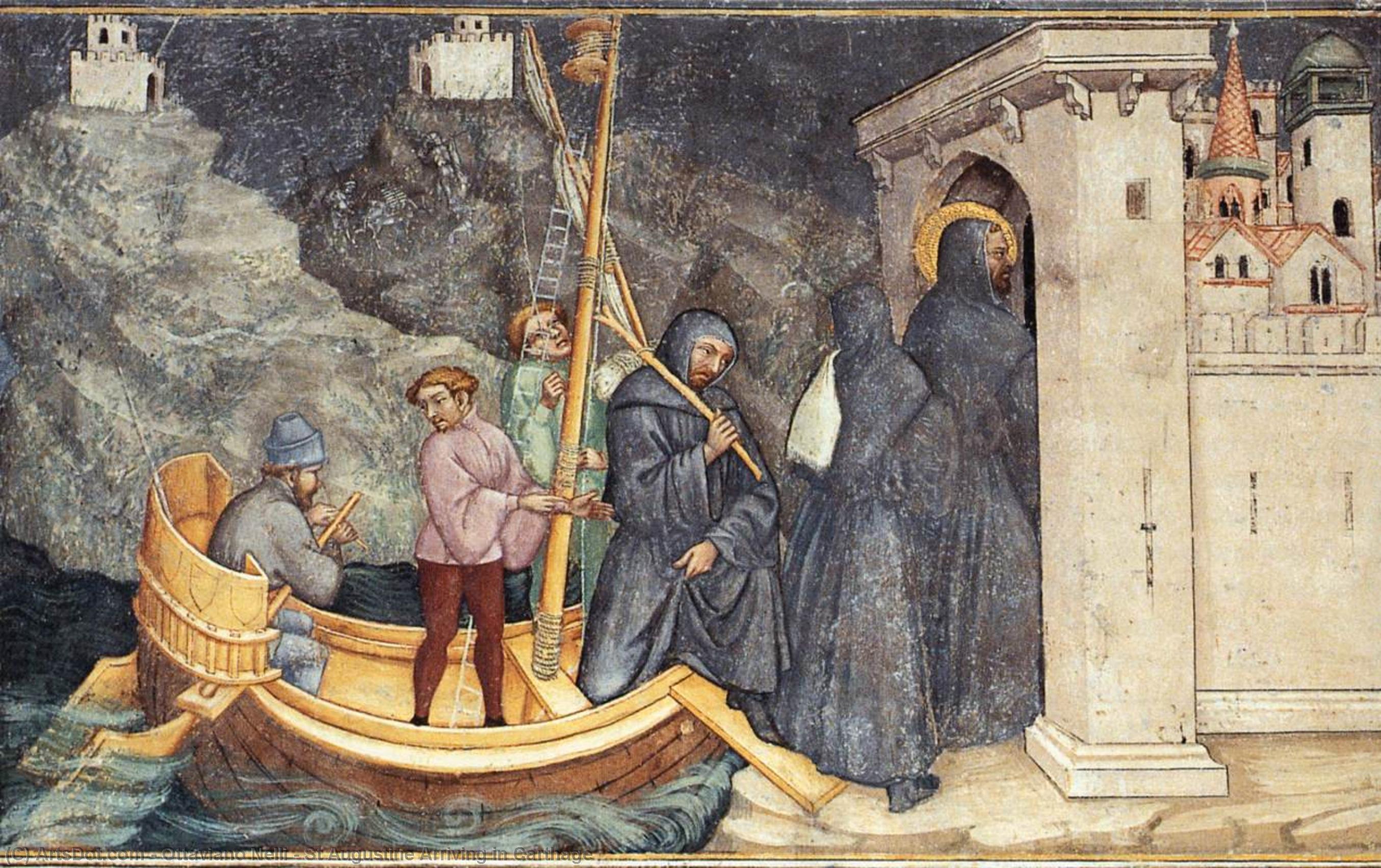
St Augustine Arriving in Carthage


 Prikaži više
Kupite digitalnu sliku visoke rezolucije i poboljšane kvalitete, koja je znatno superiornija od online prikaza.
Svaka datoteka pedantno je pripremljena od strane naših internih stručnjaka koristeći napredne alate i vještinsku ručnu retušu. Osiguravamo da svaka slika ima iznimnu jasnoću, preciznu točnost boja i visoku razinu detalja.
Konačna datoteka dostavlja se putem e-pošte u roku od 72 sata, optimizirana za neposrednu upotrebu u profesionalnim, uredničkim i tiskarskim okruženjima. To je ista kvaliteta kojoj vjeruju vrhunski studiji dizajna, izdavači i galerije.
Digitalna slika
Preuzmite datoteku visoke rezolucije za osobnu izložbu, tisak i kreativne projekte. ( Kupi print Kupi ručno naslikanu sliku)
Uključeno uz svaku narudžbu digitalne slike
Profesionalna digitalna dostava, zajamčena
Odabirom OriginalUniqueArt.com ne dobivate samo sliku – dobivate profesionalno unapređeno digitalno umjetničko djelo, izrađeno s najvećom preciznošću uz jamstvo zadovoljstva. Evo svega što automatski dolazi uz vašu narudžbu:

Brza dostava e-poštom
Vaša digitalna slika visoke rezolucije bit će vam poslana e-mailom u roku od 72 sata od narudžbe – spremna za neposrednu upotrebu.

Digitalna datoteka poboljšana AI-om
Vaše umjetničko djelo profesionalno je optimizirano pomoću naprednih AI alata i ručnog uređivanja, čime se osigurava maksimalna razina detalja, oštrine i točnosti boja.

Besplatna ponovna dostava doživotno
Slučajno ste obrisali ili izgubili svoju datoteku? Ne brinite – ponovno ćemo vam je poslati u bilo kojem trenutku, potpuno besplatno.

Bez uvoznih carina – ikada
Uživajte u svojim umjetničkim djelima trenutno, bez carina, pristojbi ili troškova dostave – digitalne datoteke uvijek su oslobođene poreza.

Jamstvo točnosti boja
Uz pomoć profesionalnih alata i upravljanja bojama, osiguravamo da vaša digitalna slika što vjernije odražava izvorne boje.

Jamstvo zadovoljstva u trajanju od 60 dana
Ako niste zadovoljni svojom digitalnom slikom, revidirat ćemo je ili vratiti 100% novca u roku od 60 dana – bez ikakvih pitanja.

100% Jamstvo povrata novca
Niste zadovoljni? Osigurajte puni povrat novca u roku od 60 dana od primitka vaše digitalne datoteke – bez suvišnih pitanja.

Popusti na velike narudžbe
Kupite 3 slike, uštedite 10% - Kupite 5 slika, uštedite 15% - Kupite 10+ slika, uštedite 20%. Odlično za kreativne projekte, galerije i agencije.
Opis kolekcionarskog djela
Introduction to the Painting and its Artist
Ottaviano Nelli, an Italian painter from Gubbio, was born around 1375. He is known for his frescoes and panel paintings in the Umbrian-Gothic style. One of his most famous works is the fresco cycle depicting the life of St Augustine in the choir apse at Sant'Agostino, Gubbio, Italy. Among these frescoes, "St Augustine Arriving in Carthage" stands out as a masterpiece of early Renaissance art.Historical Context and Significance
The fresco cycle at Sant'Agostino was created around 1410-1415, during the period of humanism when the view of St Augustine changed. The new humanist image of St Augustine began to appear in miniature painting and wall cycles towards the end of the fourteenth century. St Augustine Arriving in Carthage is a significant work that documents this changing view of the saint.Visual Analysis
In St Augustine Arriving in Carthage, Nelli skillfully depicts St Augustine's journey from Rome to Carthage, where he would embrace Manichaeism before converting to Christianity. The artist masterfully uses perspective and color to create a sense of depth and movement, drawing the viewer into the narrative. The figures in the fresco are depicted with naturalism and individuality, reflecting Nelli's understanding of human anatomy and his ability to capture emotional expression. The use of architectural elements, such as columns and arches, adds structure and balance to the composition while also providing a sense of place.The Legacy of Ottaviano Nelli
Ottaviano Nelli's work had a significant impact on the development of early Renaissance art in Umbria. His innovative use of perspective and naturalistic figure representation set new standards for future artists. Today, his works can be found in various museums, including Sant'Agostino in Gubbio, Italy.Experience the Masterpiece with a Hand-Made Oil Painting Reproduction
At OriginalUniqueArt.com, we offer high-quality hand-made oil painting reproductions of Ottaviano Nelli's St Augustine Arriving in Carthage. Our skilled artists meticulously recreate each detail, ensuring you can enjoy this masterpiece in the comfort of your own home. To learn more about our process and available options, visit our website or contact us directly.Conclusion
St Augustine Arriving in Carthage by Ottaviano Nelli is a remarkable example of early Renaissance art that showcases the artist's mastery of narrative, perspective, and naturalistic figure representation. By understanding its historical context and visual language, we can appreciate the significance of this work and its impact on the development of Italian art. St Augustine Arriving in Carthage is a must-see for anyone interested in early Renaissance art or the life of St Augustine. At OriginalUniqueArt.com, we are proud to offer hand-made oil painting reproductions that allow you to experience this masterpiece up close and personal.Biografija umjetnika
Ottaviano Nelli (1375–1444?)
Ottaviano Nelli (1375–1444?), Italian early Renaissance painter, stands as a pivotal figure in Umbrian art history. Born around 1370 in Gubbio, he emerged from a lineage of artists—his father Martino Nelli and grandfather Mello da Gubbio—establishing him firmly within the artistic traditions of his region. While definitive biographical details remain elusive, scholarly research suggests connections to Mello’s workshop, bolstering the understanding of Nelli's formative influences. His involvement in Gubbio’s civic life extended beyond mere administrative duties; he served as consul for the St. Pietro district in 1400 and held prominent positions throughout his career, demonstrating a commitment to both artistic patronage and public service.Early Artistic Training and Influences
Nelli's artistic education likely commenced under the tutelage of his father, Martino Nelli, who himself was a respected painter. This familial connection undoubtedly instilled in him a foundational appreciation for Umbrian stylistic conventions—particularly those championed by Mello da Gubbio—whose distinctive approach to painting would resonate throughout Nelli’s oeuvre. Furthermore, evidence indicates that he traveled extensively, absorbing artistic ideas from Siena and Florence, where the burgeoning Renaissance was reshaping artistic sensibilities. The influence of Lombard and Burgundian styles is particularly noteworthy, shaping his compositional techniques and color palettes. Gentile da Fabriano and Giovanni Sanzio served as pupils under Nelli’s guidance, cementing his role as a teacher and disseminating his stylistic innovations.Notable Works and Artistic Style
Nelli's artistic style distinguishes itself through a remarkable blend of decorative elegance and expressive dynamism—a hallmark of Umbrian painting during the early Quattrocento. Critics consistently praise his ability to juxtapose sacred themes with vernacular elements, creating artworks that transcend mere religious iconography. The Madonna del Belvedere (1403), housed in Gubbio’s Santa Maria Nuova church, exemplifies this characteristic fusion perfectly. Its serene Virgin Mary is framed by grotesque columns adorned with scenes of earthly life—a deliberate strategy designed to illuminate the divine realm through relatable human experience. Similarly, the fresco cycle depicting the Life of Saint Augustine (c. 1430-40) showcases Nelli’s masterful use of color and narrative storytelling, capturing the spirit of his time. The monumental Polyptych of Pietralunga (completed circa 1424), now residing in Perugia's Galleria Nazionale dell'Umbria, represents another cornerstone of Nelli’s artistic legacy. This ambitious undertaking—commissioned by the Trinci family—demonstrates his technical prowess and compositional sophistication. The depiction of Saint Jerome embodies Nelli’s signature style: a harmonious balance between idealized beauty and earthy realism, achieved through meticulous attention to detail and vibrant color harmonies. His work also includes panels from a polyptych commissioned for Assisi and Urbino, furthering his reputation as one of Umbria's foremost artists.Historical Significance and Legacy
Ottaviano Nelli’s contribution to the artistic landscape of Italy cannot be overstated. He stands alongside other masters of his era—such as Salimbeni and Gentile da Fabriano—as a champion of Umbrian artistic identity during the early Renaissance. His stylistic innovations—characterized by decorative elegance, expressive dynamism, and a masterful fusion of sacred and vernacular themes—influenced subsequent generations of artists. Despite fading from historical memory for centuries, Nelli’s work was rediscovered in the 19th century as part of the broader revival of primitivism, securing his place within art history's canon. Today, Gubbio honors him with a school bearing his name, ensuring that his artistic legacy continues to inspire and educate future generations.
ottaviano nelli
1375 - 1444 , Italy
Kratke činjenice
- Artistic Movement Or Style: Early Quattrocento
- Artists Or Movements Influenced By This Artist:
- Sienese Painting
- Bolognese Painting
- Lombard Painting
- Burgundian Style
- Artists Who Influenced This Artist:
- Gentile da Fabriano
- Giovanni Pintali
- Cristoforo di Nicoluccio
- Salimbeni
- Guiduccio Palmerucci
- Date Of Birth: ca. 1375
- Date Of Death: ca. 1444
- Full Name: Ottaviano Nelli
- Nationality: Italian
- Notable Artworks:
- St Augustine Arriving in Carthage
- Madonna del Belvedere
- Life of the Virgin
- Madonna della misericordia e santi
- Last Judgement
- Saint Jerome
- Circumcision of Christ and Mystical Marriage of Saint Francis
- Place Of Birth: Gubbio, Italy

