

 Pregledaj u stvarnoj veličini
 Podijeli
 Podijeli
 Detalji
 Vodič
Vodič

 Preuzmi datoteku
 Slični predmeti
 Rentgenska snimka
 Slide show
 Statistika
Truman Howe Bartlett

 Pročitajte više
Ručno rađena uljana reprodukcija
Ručno oslikano uljanim bojama na platnu u dimenzijama i okviru po vašem izboru, izrađeno po narudžbi od strane naših umjetnika. ( Prebacite na prodaju printova Prebacite na digitalnu prodaju slika)




































Odaberite jednu od naših unaprijed definiranih veličina koje odgovaraju izvornim proporcijama umjetničkog djela.

Možete unijeti vlastite dimenzije kako bi odgovarale određenom okviru ili prostoru. Ako odabrana veličina ne odgovara proporcijama izvorne slike, izrezat ćemo umjetničko djelo ili proširiti sliku dodatnim ručno oslikanim elementima. Digitalni nacrt bit će vam poslan na odobrenje prije početka proizvodnje.
Imajte na umu da pregled na ekranu ne prikazuje stvarno izrezivanje ili proširivanje. Samo će nacrt točno prikazati konačni sastav.
Iako su dostupne prilagođene veličine, preporučujemo odabir dimenzije s preddefiniranog popisa kako bismo očuvali izvorne proporcije.
Nakon narudžbe, tim OriginalUniqueArt.com kontaktirat će klijenta putem e-pošte radi dobivanja uputa te dostaviti probni prikaz (mockup)
Isporuka širom svijeta () u roku od 3-4 tjedna umjesto standardnih 5 tjedana. (26 Rujan). Bez kompromisa u kvaliteti.

Besplatna ekspresna dostava širom svijeta

Visokokvalitetno laneno platno

Potpuno osiguranje transporta

Jamstvo povrata carine i uvoznih poreza

Jamstvo vjernosti boja

Politika povrata u roku od 100 dana (samo u slučaju nedostataka)

Jamstvo povrata 100% novca

Popust na više proizvoda
 Opcija stakla dostupna je samo za dimenzije manje od 110 cm

Truman Howe Bartlett
Tehnika izrade
Veličina reprodukcije
-


Ukupna cijena
$ 300
Biografija umjetnika
Kipar sjena i svjetla: Život Olina Levija Warnera
U annalsima američke skulpture kasnog 19. stoljeća, malo je imena tako dirljivo priziva delikatnu ravnotežu između klasičnog veličanstva i intimnog realizma kao Olin Levi Warner. Rođen 1844. godine u mirnom gradiću Suffield u Connecticutu, Warner je u svom rodoslovu nosio osjećaj povijesne težine, budući potomak heroja Američkog revolucionarnog rata, Setha Warnera. Ova predobilačka povezanost s američkom legendom možda je unaprijed odredila njegov doživotni posvećenost umjetnosti obilježavanja vremena. Prije nego što je ikada upotrijebio dlijo u borbi protiv mermera ili bronze, Warnerove su ruke bile upoznate s praktičnostima modernog doba; njegove rane godine kao zanatljivca i telegrafskog operatera pružile su mu jedinstvenu, discipliniranu preciznost—tehničku spretnost koja će kasnije definirati pedantne detalje njegovih skulpturalnih remek-djela.
Put Warnerovog života nepovratno se promijenio 1869. godine kada je krenuo u potragu za umjetnom dušom Europe. Dolaskom u Pariz, uronio je u rigoroznu akademsku atmosferu École nationale supérieure des beaux-arts. Pod mentorstvom Françoisa Jouffroyja, Warner je počeo usvajati jezik klasičnog oblika, no upravo je njegova povezanost s legendarnim Jean-Baptisteom Carpeauxom uistinu zapalila njegov kreativni duh. Od Carpeauxa je Warner naučio prožeti krute tradicije akademske skulpture osjećajem vitalnosti i pokreta, što je postalo stilski zaštitni znak koji mu je omogućio da uhvati ne samo sličnost subjekta, već i njegovu samu bit. Čak ni turbulentni period francusko-pruskog rata nije mogao zaustaviti njegovu umjetničku evolucija; nakon što se pridružio Stranoj legiji, iz sukoba je izronio s produbljenom odlučnošću da sofisticirane nijanse francuske skulpture vrati na američko tlo.
Naslijeđe u bas-reljefu i bronzi
Nakon povratka u New York 1872. godine, Warner se etablirao kao pionir specifičnog, očaravajućeg medija: portretnog medaljona u bas-reljefu. Dok su se mnogi njegovi suvremenici fokusirali na monumentalnu razmjer velikih statua, Warner je duboki izraz pronašao u plitkim, elegantnim konturama reljefnog rada. Njegova sposobnost manipuliranja svjetlom i sjenom preko površina od bronze i gipsa omogućila mu je stvaranje portreta koji su djelovali istovremeno bezvremenski i intenzivno osobno. Ovo majstorstvo je možda najočiglednije u djelima poput "Thomasa Fentona," gipsane skulpture iz 1878. koja pokazuje njegovu nevjerojatnu sposobnost prikazivanja suptilnih ljudskih izraza, hvatajući osjećaj tihe, intelektualne kontemplacije kroz suptilne teksture kose i kože.
Warnerov umjetnički repertoar bio je daleko od monolitnog. Iako je bio majstor neoklasicizma, njegova kasnija istraživanja otkrila su duboku empatiju prema raznolikom tapiseriji američkog iskustva. Njegova putovanja u Sjeverno teritorij dovela su do transformativnog fasciniranja kulturom domorodačkih naroda Amerike. Ovaj period rezultirao je nekim od njegovih najdirljivijih postignuća, uključujući bronzani reljef iz 1891. godine koji prikazuje Poglavicu Ya Tin Ee Ah Witza iz plemena Cayuse. U tim djelima, Warner je otišao izvan okvira puke dokumentacije; koristio je svoju profinjenu tehniku kako bi svojim subjektima podario osjećaj dostojanstva, svečanosti i povijesne trajnosti, premošćujući jaz između klasične europske tradicije i sirove, moćne stvarnosti američkog graničnjaka.
Umjetnička izvrsnost i povijesna važnost
Značaj Olin Levi Warnera proteže se daleko izvan fizičkih objekata koje je zaustavio. Bio je temeljな figura u institucionalizaciji američke umjetnosti, igrajući vitalnu ulogu u uspostavi profesionalnih umjetničkog zajednica. Njegovi doprinosi sljedećim organizacijama učvrstili su njegov status lidera svoje generacije:
- The Society of American Artists: Kao osnivač ove utjecajne skupine 1877. godine, Warner je pomogao u stvaranju platforme za umjetnike kako bi se udaljili od konzervativnih ograničenja i prihvatili modernije, ekspresivnije stilove.
- The National Academy of Design: Njegova pripadnost ovoj prestižnoj instituciji odražavala je njegov položaj među elitnim praktičarima američke skulpture.
Iako je njegov život prekinut 1896. godine, Warnerov utjecaj ostaje utisnut u bronzu i gips najuglednijih svjetskih kolekcija, uključujući Smithsonian American Art Museum i The Walters Art Museum. On ostaje ključna figura koja je uspješno prevela sofisticirane tehnike francuske tradicije Beaux-Arts u jedinstven američki skulpturalni jezik—jezik koji je slavio prošlost kroz pedantnu ljepotu portretnog medaljona, dok je istovremeno gledao prema naprijed, prema realističnijem i inkluzivnijem predstavljanju čovječanstva.
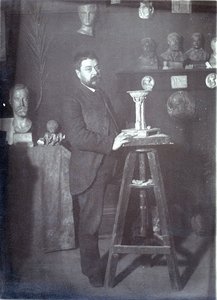
Olin Levi Warner
1844 - 1896 , Sjedinjene Američke Države
Brzi pregled
- Artistic Movement Or Style: Reljefna skulptura
- Artists Or Movements Influenced By This Artist: ['Neoklasicizam']
- Artists Who Influenced This Artist: ['Jean-Baptiste Carpeaux']
- Date Of Birth: Suffield, Sjedinjene Američke Države
- Date Of Death: 1896
- Full Name: Olin Levi Warner
- Nationality: Američka
- Notable Artworks:
- Thomas Fenton
- Portret muškarca
- Place Of Birth: Connecticut