

 Podijeli
 Podijeli
 Detalji
 Vodič
Vodič

 Preuzmi datoteku
 Slični predmeti
 Slide show
 Statistika
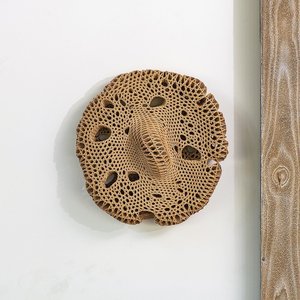
Connection I
 Sculpture
- Sculpture
- Contemporary Realism
 1996
1996- Modern
 50.0 x 55.0 cm
 Paintings in Hospitals
 Pročitajte više
Kupite digitalnu sliku visoke rezolucije i poboljšane kvalitete, koja je znatno superiornija od online prikaza.
Svaku datoteku pedantno pripremaju naši internim stručnjaci koristeći napredne alate i vještinsku ručnu retušu. Osiguravamo da svaka slika ima iznimnu jasnoću, preciznu točnost boja i vrhunsku razinu detalja.
Konačna datoteka dostavlja se putem e-pošte u roku od 72 sata, optimizirana za neposrednu upotrebu u profesionalnim, uredničkim i tiskarskim okruženjima. To je ista kvaliteta kojoj vjeruju vrhunski studiji dizajna, izdavači i galerije.
Digitalna slika
Preuzmite datoteku visoke rezolucije za osobnu izložbu, tisak i kreativne projekte. ( Prebacite na prodaju printova Naručite ručno oslikano reprodukciju)
Uključeno uz svaku narudžbu digitalne slike
Stručna digitalna dostava, zajamčena
Odabirom OriginalUniqueArt.com ne dobivate samo sliku – dobivate profesionalno unapređeno digitalno umjetničko djelo, izrađeno s najvećom preciznošću uz jamstvo zadovoljstva. Evo svega što automatski dolazi uz vašu narudžbu:

Brza dostava e-poštom
Vaša digitalna slika visoke rezolucije bit će vam poslana e-mailom u roku od 72 sata od trenutka narudžbe – spremna za neposrednu upotrebu.

Digitalna datoteka uz pomoć AI-a
Vaše umjetničko djelo profesionalno je optimizirano pomoću naprednih AI alata i ručnog uređivanja, čime se osigurava maksimalna razina detalja, oštrine i točnosti boja.

Besplatna doživotna ponovna dostava
Slučajno ste obrisali ili izgubili svoju datoteku? Ne brinite – ponovno ćemo vam je poslati u bilo kojem trenutku, potpuno besplatno.

Bez uvoznih pristojnika – ikada
Uživajte u svojim umjetničkim djelima trenutno, bez carina, pristojbi ili troškova dostave – digitalni downloadi uvijek su oslobođeni poreza.

Jamstvo točnosti boja
Uz pomoć profesionalnih alata i upravljanja bojama, osiguravamo da vaša digitalna slika što vjernije odražava izvorne boje.

Jamstvo zadovoljstva u trajanju od 100 dana
Ako niste zadovoljni svojom digitalnom slikom, revidirat ćemo je ili vratiti 100% iznosa u roku od 100 dana – bez suvišnih pitanja.

100% Jamstvo povrata novca
Niste zadovoljni? Osigurajte puni povrat novca u roku od 100 dana od primitka digitalne datoteke – bez suvišnih pitanja.

Popusti na velike narudžbe
Kupite 3 slike, uštedite 10% - Kupite 5 slika, uštedite 15% - Kupite 10+ slika, uštedite 20%. Odlično za kreativne projekte, galerije i agencije.
Norie Hatakeyama’s “Connection I”: A Coral Echo of Ancient Resonance
Norie Hatakeyama's "Connection I," created in 1996, is more than just a sculpture; it’s an invitation to contemplate the enduring power of nature and the echoes of ancient symbolism. This intimate piece, measuring 50 x 55 cm, immediately draws the viewer into its intricate world – a meticulously crafted assemblage of shells and coral that seems to breathe with oceanic energy. The photograph captures a moment of profound detail, highlighting the sculpture’s deliberate imperfections, the very holes that lend it such captivating texture and an almost unsettling beauty.
The Artist's Vision: Hatakeyama and the Spirit of Japan
Norie Hatakeyama, born in Tokyo in 1952, is a significant figure within contemporary Japanese art. Her work frequently explores themes of nature, spirituality, and memory, often drawing upon traditional Japanese aesthetics and philosophies. Hatakeyama’s artistic practice reflects a deep connection to the natural world, particularly the sea – a recurring motif in her sculptures. This reverence for the organic informs every aspect of “Connection I,” from its raw materials to its evocative form. Her work is frequently described as embodying a quiet contemplation, inviting viewers to find their own resonance within its delicate structure.
Technique and Materiality: A Dialogue with the Ocean
The sculpture’s remarkable quality stems directly from Hatakeyama's masterful technique. The use of shells and coral – materials inherently imbued with the history of the ocean – elevates the piece beyond a simple assemblage. Each hole, carefully created or naturally occurring, isn’t merely an absence; it’s a deliberate element that contributes to the overall composition. This meticulous attention to detail suggests a profound respect for the raw beauty of the materials and a desire to reveal their inherent qualities. The process likely involved careful selection of each component, considering not just its visual impact but also its tactile properties – the smooth curve of a shell, the rough texture of coral.
Symbolism and Emotional Impact: A Fragmented Narrative
"Connection I" resonates with themes of interconnectedness and impermanence. The fragmented nature of the sculpture—the individual shells and corals combined to form a larger whole—can be interpreted as a metaphor for life itself, constantly shifting and evolving. The holes within the structure might represent voids, absences, or perhaps opportunities – portals to new connections. Considering Hatakeyama’s broader artistic concerns, this piece likely speaks to a deeper yearning for harmony between humanity and nature, echoing sentiments prevalent in Japanese art traditions that emphasize the cyclical nature of existence. The sculpture's quiet power evokes a sense of serenity and invites introspection, making it a compelling addition to any collection or interior space.
Pitanja i odgovori
Od čega je izrađeno "Connection I"?
Norie Hatakeyama koristio je tehniku Sculpture za "Connection I". Ova tehnika definira materijalnu prirodu izvornog djela.
Pripada li "Connection I" kojoj periodi karijere umjetnika Norie Hatakeyama?
"Connection I" predstavlja Mature Period umjetnika Norie Hatakeyama.
Kakvu bi atmosferu reprodukcija djela "Connection I" autora Norie Hatakeyama unijela u prostor?
"Connection I" autora Norie Hatakeyama posjeduje Earthy atmosferu i preporučuje se za Living Room. Raspoloženje je ono što umjetničko djelo unosi u pripadajući prostor.
Biografija umjetnika
The Intricate Geometry of Nature and Material
Norie Hatakeyama is a Japanese artist whose work exists at the profound intersection of nature, urbanization, and mathematical precision. Her practice is defined by a mesmerizing exploration of structure, where the boundaries between organic growth and geometric form become beautifully blurred. Through her unique approach to sculpture, she invites viewers into a world that feels simultaneously ancient and contemporary, capturing the energy of living organisms within meticulously crafted three-dimensional shapes. Her artistic vision is driven by an impulse to redefine both material and method, seeking to uncover the subtle beauty found in rhythm, texture, and thoughtful repetition.
The essence of Hatakeyama’s work lies in her ability to listen to her materials, allowing shape and gesture to unfold through a process of slow making and material intuition. Her sculptures often possess an ethereal quality, appearing as though they have no apparent starting or endpoints, much like the continuous cycles of regeneration found in the natural world. By embracing the tension between science—such as mathematics and geometry—and art, she creates pieces that reflect the complex structures of the universe itself. In her view, the natural world is a field composed of matter and energy, and her work serves as a meditative reflection on this radiating, unremitting energy.
Materiality and the Art of the Plait
One of the most striking aspects of Hatakeyama’s technique is her innovative use of unconventional, factory-made materials to achieve complex, organic results. She is globally recognized for her contemporary, intricate plaited works that utilize Japanese rice paper and paper-packing tape. This choice of medium allows her to bridge the gap between the industrial and the natural, using a mundane, mass-produced substance like tape to realize sophisticated geometric concerns. Her process involves an intense level of craftsmanship, where the act of plaiting becomes a way to explore the transition from simple matter into complex, sculptural forms.
Her development as an artist was significantly shaped by her early studies in basketmaking. In 1980, she began studying this traditional craft under Hisako Sekijima in Japan. This mentorship was transformative; Sekijima’s nontraditional and open-minded approach to the medium of basketry provided Hatakeyama with the freedom to push beyond expected boundaries. This foundation in traditional techniques, combined with her desire to explore modern materials, has allowed her to create a body of work that is both deeply rooted in Japanese craft heritage and strikingly modern in its execution.
Legacy and Global Recognition
The significance of Norie Hatakeyama’s contribution to contemporary sculpture is reflected in the prestigious collections and exhibition venues that house her work. Her pieces have been featured in diverse international settings, ranging from museum collections in the United States to specialized craft museums in Europe and Japan. Her ability to resonate with audiences across different cultures highlights the universal appeal of her themes regarding structure, nature, and the interconnectedness of all things.
Notable recognitions of her work include:
- Selected Collections: The Museum of Art at the University of Michigan, Ann Arbor; Paintings in Hospitals, Derby City Council, UK.
- Exhibition Venues: Nigata Prefectural Museum of History, Japan; National Vlechtmuseum, Noorwolde, the Netherlands; Crafts Council, London, UK; Senbikiya Gallery, Tokyo, Japan; Space S. Tokyo, Japan; Silk Gallery, Japan Embassy, Seoul, Korea; Racine Art Museum, Wisconsin; and the Flinn Gallery, Connecticut.
Norie Hatakeyama
1952 - , Japan