

 Pregledaj u stvarnoj veličini
 Podijeli
 Podijeli
 Detalji
 Vodič
Vodič

 Preuzmi datoteku
 Slični predmeti
 Rentgenska snimka
 Slide show
 Statistika
The Card Party
 Oil On Canvas
- WallArt
- Baroque
 1665
1665- Early Modern
 50.0 x 45.0 cm
 Muzej umjetnosti Metropolitan
 Pročitajte više
Giclée / Umjetnički otisak
Giclée tisak muzejske kvalitete ili otisak na platnu uz brzu proizvodnju i fleksibilne opcije završne obrade. ( Naručite ručno oslikano reprodukciju Prebacite na digitalnu prodaju slika)




P118B €10

P118H €10

P118W €10

P438Z €10

P508JH €12

P508YH €12

P805H €10

P805Z €10

P919BZ €10

P919G €10

P919XJ €10

P959ZH €10

P968JZ €12

W106C €8

W218G €10

W218JH €8

W218Y €10

W307PJ €10

W316G €10

W316PJ €8

W316Y €10

W398PJ €8

W4111J €10

W500HY €15

W500JH €15

W692G €12

W849H €8

W940BG €15

W953PJ €8




Odaberite jednu od naših unaprijed definiranih veličina koje odgovaraju izvornim proporcijama umjetničkog djela.

Unesite širinu i visinu koja vam je potrebna, kako bi odgovarali vašem okviru ili zidu. Print se može samo izrezati, nikada ne može biti veći od slike, stoga veličina s drugačijim oblikom gubi dio slike. Šaljemo vam digitalni prikaz (mockup) na odobrenje prije bilo kakve štampe. Slika prikazana na ovoj stranici ne prikazuje stvarni rez — to čini samo digitalni prikaz.
Dostava širom svijeta () u roku od 2 tjedna umjesto standardnih 4/5 tjedana. (26 Listopad)

Besplatna ekspresna dostava širom svijeta

Visokokvalitetno laneno platno

Potpuno osiguranje transporta

Jamstvo povrata carine i uvoznih poreza

Jamstvo vjernosti boja

Politika povrata u roku od 100 dana (samo u slučaju nedostataka)

Jamstvo povrata 100% novca

Popust na više proizvoda
 Opcija stakla dostupna je samo za dimenzije manje od 110 cm

The Card Party
Giclée / Umjetnički otisak
Veličina reprodukcije
-


Ukupna cijena
€ 70
A Glimpse into 17th-Century Dutch Society
Caspar Netscher’s “The Card Party,” painted in 1665, isn't merely a depiction of a game; it’s a meticulously crafted window into the vibrant social life of the Dutch Golden Age. This oil on canvas work, measuring a modest 50 x 45 cm, transports us to a richly furnished room, brimming with the subtle pleasures and carefully constructed appearances of a prosperous household. Netscher, a master of capturing both the outward elegance and the underlying psychology of his subjects, has created an image that speaks volumes about wealth, status, and the rituals of social interaction during this period of remarkable artistic and economic flourishing.
The scene unfolds around a table laden with the trappings of leisure – overflowing wine glasses, delicate porcelain cups, and, most prominently, a collection of intricately patterned oriental rugs. These rugs weren’t simply decorative; they were symbols of status and trade, reflecting the Dutch Republic's extensive connections to the East. Their presence immediately establishes the scene’s affluence and hints at the family’s engagement with global commerce. The inclusion of such luxurious details underscores a key characteristic of Dutch art – a commitment to realism that extended beyond mere representation to encompass the social and economic realities of the time.
The Art of Netscher: Detail, Light, and Psychological Depth
Netscher’s technique is characterized by an almost obsessive attention to detail. Every fold in the fabric, every glint of light on a wine glass, every expression on the faces of the players is rendered with painstaking precision. This meticulousness isn't simply about accuracy; it’s a deliberate strategy to draw the viewer into the scene and invite them to contemplate the nuances of human interaction. The artist masterfully employs chiaroscuro – the dramatic contrast between light and shadow – to sculpt the figures, creating a sense of volume and depth that is remarkably lifelike.
Notice how Netscher uses light not just to illuminate the scene but also to guide our eye. The primary source of illumination appears to be coming from an unseen window, casting long shadows across the table and highlighting the faces of those engaged in the game. This strategic use of light creates a sense of intimacy and drama, drawing us into the heart of the gathering. Furthermore, Netscher’s brushwork is remarkably subtle, layering colors with incredible delicacy to achieve a luminous quality that is both captivating and deeply satisfying to the eye.
Symbolism and Social Commentary
The card game itself holds multiple layers of meaning. While ostensibly a pastime, it represents more than just casual entertainment. In 17th-century Dutch society, gambling was often associated with risk, fortune, and even deception. The women exchanging cards – particularly the central figure – are not simply participants in a game; they’re engaging in a subtle dance of social maneuvering, potentially testing each other's wit and assessing their worth within the confines of their social circle. The dog at the lower left corner adds a touch of domesticity and warmth to the scene, reminding us that even amidst the complexities of social interaction, there is always room for companionship.
Beyond the immediate depiction of a card game, “The Card Party” offers a valuable glimpse into the broader cultural context of the Dutch Golden Age. It reflects a society that valued both wealth and intellectual pursuits, where art flourished alongside commerce and innovation. Netscher’s masterpiece stands as a testament to this remarkable era – an era defined by its artistic brilliance, economic prosperity, and sophisticated social customs.
A Timeless Masterpiece
Currently residing in the Metropolitan Museum of Art in New York, “The Card Party” continues to captivate viewers with its exquisite detail, psychological depth, and evocative portrayal of a bygone era. Whether you’re an art enthusiast, a collector seeking a stunning addition to your collection, or simply someone who appreciates the beauty of masterful painting, this work offers a profound and rewarding experience.
Pitanja i odgovori
Što objašnjava autorska prava za djelo "The Card Party" autora Caspar Netscher?
Djelo "The Card Party" autora Caspar Netscher nalazi se u u javnom vlasništvu – autorska prava su istekla. Autorska prava se obračunavaju od godine smrti umjetnika, a Caspar Netscher je preminuo/la 1684.
Gdje mogu pronaći umjetnička djela slična djelu "The Card Party" autora Caspar Netscher?
Djela slična djelu "The Card Party" navedena su na stranici Slična djela tog umjetničkog djela.
Koja tehnika i stil karakteriziraju "The Card Party" autora Caspar Netscher?
U djelu "The Card Party", tehnika Oil On Canvas susreće pokret Baroque.
Biografija umjetnika
Caspar Netscher: Majstor holandskog baroknog portretizma
Caspar Netscher (1639. – 15. siječnja 1684.) predstavlja ključnu figuru holandskog Zlatnog doba, postao je poznat po svojim iznimno detaljnim portretima i žanrovskim slikama koje su vješto dočaravale duh svog vremena. Rođen u Heidelbergu u Njemačkoj, svoje je umjetničke vještine usavršavao pod pokroviteljstvom Hendricka Costera prije nego što je krenuo na formativno putovanje u Rim. Tamo je upijao utjecaje Caravaggia i Pedra Paula Rubensa – stilova koji će duboko oblikovati njegov prepoznatljiv pristup slikarstvu. Povratkom u Amsterdam, Netscher se etablirao kao slavni umjetnik, osiguravši pokroviteljstvo Vilima III te stekavši značajno bogatstvo i priznanje za svoja očaravajuća platna.- Rano djetinjstvo i obuka: Netscherove formativne godine provedene su u Arnhemu, gdje je primio prve pouke od Hendricka Costera. Ovo rano izlaganje umjetničkim principima postavilo je temelje za njegove kasnije studije kod Gerarda Terborcha, suradnje koja je učvrstila njegovo razumijevanje estetike sjevernog baroka.
- Rimski utjecaji: Netscherovo putovanje u Rim bilo je presudno za širenje njegovih umjetničkih horizonta. Ronio je u umjetničku vrelinu tog grada, upijajući tehnike i stilsko razmatranja majstora poput Caravaggia i Rubensa – umjetnika koji su zastupali dramatični chiaroscuro (igru svjetla i sjene) te emocionalno nabojene kompozicije.
- Amsterdamska karijera i pokroviteljstvo: Netscher je brzo izronio u vrh visoke umjetničke scene Amsterdama, postajući master slikar već 1659. godine. Njegov uspjeh dodatno je potaknulo kraljevsko pokroviteljstvo Vilima III, koji je naručio brojne portrete prikazujućiće monarhovu veličinu i autoritet. Ova povezanost učvrstila je Netscherovu reputaciju kao jednog od najtraženijih umjetnika svog vremena.
Prepoznatljiv stil i tehnika
Umjetnički stil Caspara Netschera odlikuje iznimna osjetljivost prema svjetlu i sjeni, što je zaštitni znak baroknog slikarstva. S nevjerojatnom preciznošću stvarao je scene s suptilnim gradacijama tonova, stvarajući iluzionističku dubinu koja je očaravala gledatelje. Za razliku od mnogih suvremenika koji su preferirali svjetlije palete, Netscher je koristio prigušene boje – često smeđe i oker tonove – kako bi dočarao osjećaj svečane dostojanstvenosti i realizma. Njegov potez četkicom bio je iznimno rafiniran, postigavši nevjerojatne teksturalne detalje, što je posebno uočljivo u prikazima tkanina poput svile i brokata, gdje je vješto prikazao svjetlucava svojstva površine s iznimnom točnošću. Ova pedantna tehnika izdvaja ga od drugih umjetnika tog doba i doprinosi trajnoj ljepoti njegovih djela.Značajna djela i naslijeđeReference
- Britannica. “Caspar Netscher.”
- Wikipedia. “Caspar Netscher.”

Caspar Netscher
1639 - 1684 , Njemačka
Brzi pregled
- Artistic Movement Or Style: Barok
- Artists Or Movements Influenced By This Artist: ['Međunarodni stil']
- Artists Who Influenced This Artist: ['Gerard Terborch']
- Date Of Birth: 1639 Heidelberg, Njemačka
- Date Of Death: 1684
- Full Name: Caspar Netscher
- Nationality: Nizemac
- Notable Artworks:
- Portret Pietersa de Graeffa
- Portret Vilima III.
- Place Of Birth: Heidelberg, Njemačka
Povezani članci
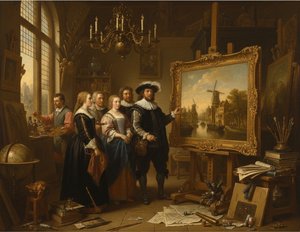
Illuminating Innovation: Exploring the Dutch Golden Age of Painting
Explore the Dutch Golden Age of painting with OriginalUniqueArt. Discover Rembrandt, Vermeer & other Masters. Learn about key characteristics, iconic artworks, and lasting influence. Expert insights for collectors & enthusiasts.
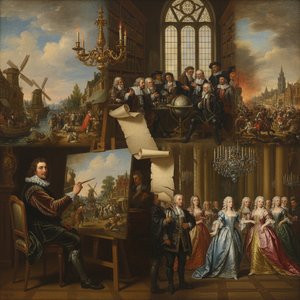
Illuminating a Century of Change: Artistic Expression & Societal Shifts in 17th-Century Europe
Explore the artistic brilliance of the 17th-century Dutch Golden Age & Baroque period. Discover Rembrandt, genre painting, and chiaroscuro techniques. Expert insights for art lovers & collectors.

Golden Age Reflections: Dutch Baroque Painting & Cultural Innovation
Explore the Dutch Golden Age of painting! Discover key artists like Vermeer & ter Borch, their innovative techniques, and the rich cultural context behind these Baroque masterpieces. Learn about collecting & appreciating this iconic art period.
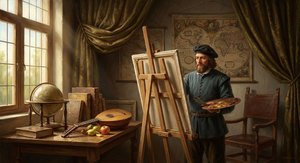
Illuminating Realism: Exploring the Dutch Golden Age of Painting (1600-1700)
Explore the Dutch Golden Age of painting (1600-1700) with OriginalUniqueArt. Discover Rembrandt, Vermeer & other masters. Learn about techniques, history & find museum-quality reproductions.

Zlatno Dobo Nizozemske: 10 Remekdjela Koja Su Definirala Umjetnost i Dekor
Otkrijte remekdjela nizozemskog Zlatnog doba! Uronite u svijet Rembrandta, Vermeera i drugih majstora. 10 slika koje su definirale holandsku umjetnost & barokni stil. Inspirirajte se za dekoraciju doma s OriginalUniqueArt.com – reprodukcije vrhunske kvalitete!