
 Podijeli
 Podijeli
 Detalji
 Vodič
Vodič

 Preuzmi datoteku
 Slični predmeti
 Slide show
 Statistika
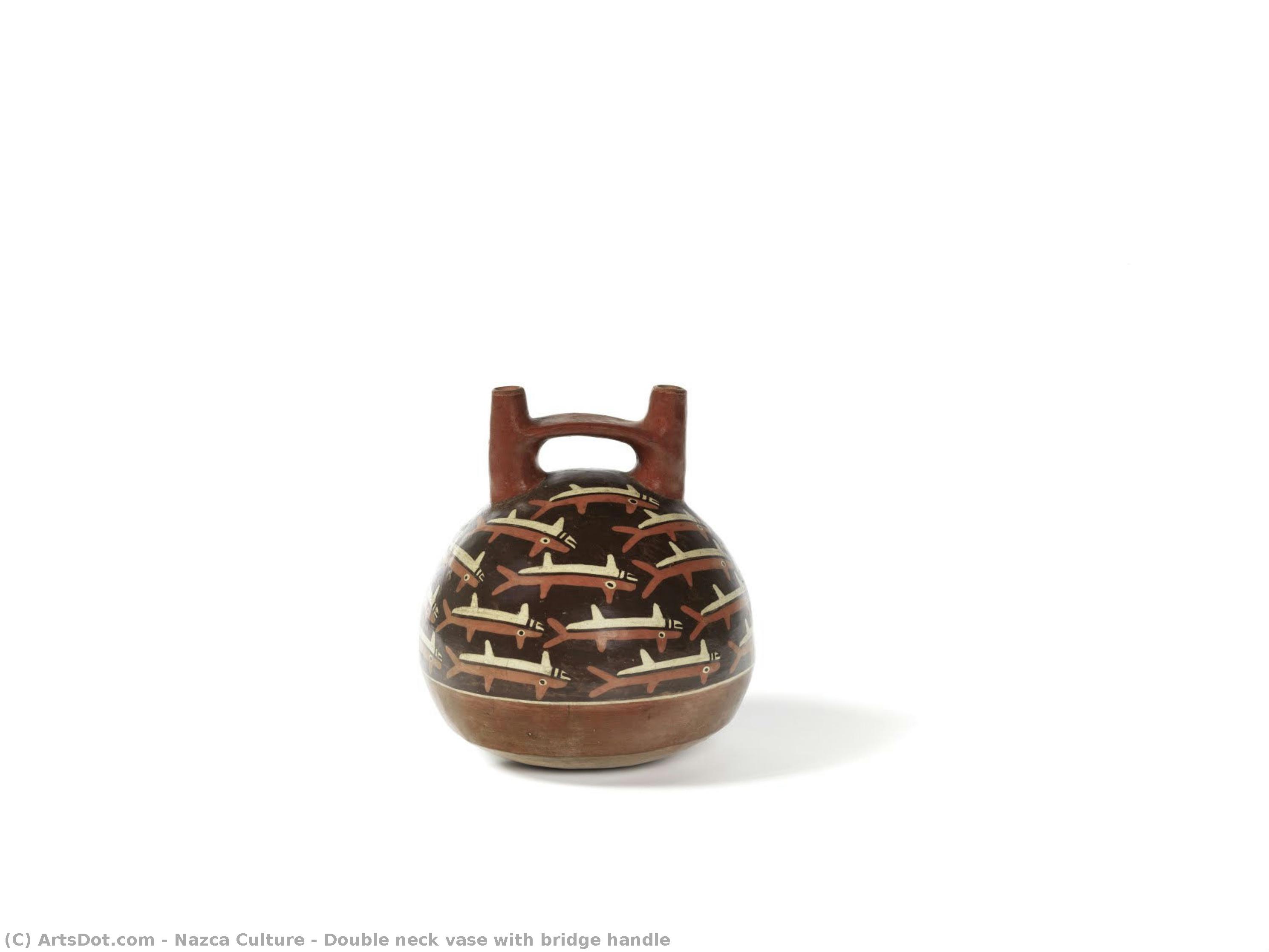
Double neck vase with bridge handle


 Pročitajte više
Giclée / Umjetnički otisak
Giclée tisak muzejske kvalitete ili otisak na platnu uz brzu proizvodnju i fleksibilne opcije završne obrade. ( Naručite ručno oslikano reprodukciju Prebacite na digitalnu prodaju slika)




































Odaberite jednu od naših unaprijed definiranih veličina koje odgovaraju izvornim proporcijama umjetničkog djela.

Možete unijeti vlastite dimenzije kako biste umjetničko djelo prilagodili specifičnom okviru ili prostoru. Ako odabrana veličina ne odgovara proporcijama izvornog rada, izrezat ćemo dio slike ili je proširiti pomoću ogledalnog efekta ili jednobojne rubne površine. Digitalni prikaz (mockup) bit će vam poslan na odobrenje prije početka proizvodnje.
Imajte na umu da pregled na zaslonu ne odražava stvarno izrezivanje ili proširivanje. Samo će mockup točno prikazati konačnu kompoziciju.
Iako su dostupne prilagođene veličine, preporučujemo odabir dimenzije iz unaprijed definirane liste kako biste očuvali izvorne proporcije.
Dostava širom svijeta () u roku od 2 tjedna umjesto standardnih 4/5 tjedana. (25 Rujan)

Besplatna ekspresna dostava širom svijeta

Visokokvalitetno laneno platno

Potpuno osiguranje transporta

Jamstvo povrata carine i uvoznih poreza

Jamstvo vjernosti boja

Politika povrata u roku od 100 dana (samo u slučaju nedostataka)

Jamstvo povrata 100% novca

Popust na više proizvoda
 Opcija stakla dostupna je samo za dimenzije manje od 110 cm

Double neck vase with bridge handle
Giclée / Umjetnički otisak
Veličina reprodukcije
-


Ukupna cijena
$ 80
An Echo from the Nazca Desert
In the silent, arid stretches of the Peruvian coast, where the sands hold the secrets of a vanished world, there exists a profound connection between humanity and the earth. The Double neck vase with bridge handle is not merely a ceramic vessel; it is a rhythmic heartbeat from the Nazca culture, a civilization that flourished between 100 BC and 800 AD. This exquisite piece serves as a window into an era where art, ritual, and survival were inextricably linked. As one gazes upon its rounded form, there is an immediate sense of encountering a relic that has transcended time, bringing the ancient whispers of the Nazca Desert into the modern living space.
The vessel’s silhouette is a masterclass in prehistoric structural elegance. Featuring two distinct necks joined by a sturdy bridge handle, the vase embodies a sophisticated understanding of balance and utility. The aesthetic is deeply rooted in the traditional Nazca style, where the organic nature of clay meets a rigorous, almost mathematical approach to decoration. The color palette is a warm, evocative symphony of earthy tones—deep ochres, rich reddish-browns, and toasted beiges—which ground the object in its natural, mineral origins. These hues are punctuated by sharp, decisive lines of black and white, creating a visual tension that draws the eye across its curved surface.
Symbolism and the Language of Line
To look closely at the surface of this vase is to read a sacred text written in pigment and clay. The decoration is far from random; it is a highly organized arrangement of geometric motifs and stylized human figures. These figures, likely representing high-ranking priests or ancestral rulers, are arranged in disciplined rows and columns, suggesting a society that deeply valued social hierarchy and cosmic order. Each rectangle, triangle, and line serves as a component of a larger narrative, perhaps reflecting the astronomical precision for which the Nazca people are famous.
There is a haunting beauty in the way these figures emerge from the clay, their forms simplified yet powerful. The repetition of patterns creates a hypnotic effect, much like the monumental Nazca Lines that stretch across the desert floor. For the collector or the interior designer, this piece offers more than just decoration; it offers a sense of profound continuity. It is an object that invites contemplation on the cyclical nature of life and the enduring human desire to leave a mark upon the world through beauty and precision.
A Timeless Addition to the Curated Space
For those seeking to infuse their interiors with soul and history, this reproduction offers an unparalleled opportunity. The texture of the ceramic, though captured in a pristine state, retains a visual ruggedness that speaks to the ancient coiling and firing techniques used by Nazca artisans. It possesses a tactile presence that can anchor a room, providing a focal point that is both intellectually stimulating and aesthetically soothing.
Whether placed as a centerpiece on a minimalist console or integrated into a collection of global antiquities, the Double neck vase with bridge handle brings an aura of mystery and prestige. It is a piece for the discerning eye—one that appreciates how the raw materials of the earth can be transformed into a sophisticated vessel of cultural memory. Owning such a piece is an act of preserving a fragment of human heritage, allowing the ancient spirit of Peru to breathe within the contemporary home.
Biografija umjetnika
The Enigmatic Legacy of the Nazca Culture
The Nazca culture, flourishing between 100 BC and 800 AD along the arid coast of Peru, remains one of the most enigmatic civilizations of pre-Columbian America. More than just artisans crafting beautiful ceramics and textiles—though they certainly excelled in these fields—the Nazca people possessed a profound understanding of astronomy and mathematics, reflected in their monumental geoglyphs – the Nazca Lines – which continue to fascinate scientists and historians alike. Their legacy speaks volumes about human creativity and adaptation to challenging environments.
Located in the Nazca Desert, a region characterized by extreme aridity and sparse vegetation, the Nazca culture developed in relative isolation from other Andean societies. Evidence suggests that they migrated from highland Peru around 100 BC, bringing with them agricultural knowledge—primarily maize cultivation—that allowed them to sustain a population of approximately 50,000 people. The desert landscape itself profoundly influenced their artistic expression and cosmology; the Nazca Lines are believed to align with celestial events like solstices and equinoxes, hinting at a sophisticated awareness of astronomical cycles.
Mastery of Earth and Pigment
Nazca ceramics stand out for their exceptional craftsmanship and stylistic diversity. Produced primarily from adobe clay sourced from alluvial deposits along the Rio Grande de Nazca valley, these vessels demonstrate remarkable skill in shaping, firing, and decorating surfaces. The artistry of this era is defined by a vibrant palette and a unique approach to form, where every piece serves as a vessel for both daily utility and sacred ritual.
The technical brilliance of their pottery is evident in several key areas:
- Vibrant Polychrome: The use of mineral pigments allowed for a stunning array of reds, yellows, blues, and blacks, creating high-contrast imagery that has survived centuries of desert erosion.
- Iconographic Richness: Surfaces were often adorned with stylized animals—particularly hummingbirds, lizards, and monkeys—alongside complex geometric patterns and anthropomorphic figures representing deities and rulers.
- Structural Innovation: Many pieces, such as the sculptural vase with bridge handle or the double neck vase, showcase advanced techniques in creating complex handles and structural balance.
A Civilization of Ingenuity
Beyond the visible beauty of their art, the Nazca people achieved feats of engineering that allowed life to thrive in one of the world's most inhospitable climates. Their mastery over water is perhaps as significant as their mastery over clay. Through the creation of puquios—sophisticated underground aqueducts—they managed to tap into subterranean aquifers, ensuring a steady water supply for their crops and communities despite the relentless drought of the Peruvian coast.
This profound connection between the earth, the water, and the heavens created a cohesive cultural identity. Whether through the massive geoglyphs etched into the desert floor or the delicate motifs painted onto a ceramic vase, the Nazca culture left an indelible mark on human history. Their work remains a testament to the ability of the human spirit to find beauty, order, and sustenance within the most challenging landscapes.

nazca culture
Peru
Brzi pregled
- Artistic Movement Or Style: Geoglyphs
- Artists Or Movements Influenced By This Artist: ['Paracas Culture']
- Full Name: Nazca Culture
- Nationality: Peruvian
- Notable Artworks: ['Nazca Lines']
- Place Of Birth: Peru
Povezani članci

The Alchemy of Clay: A Journey Through the History and Mastery of Ceramic Art
Explore the profound history of ceramic art, from ancient clay traditions to modern masterpieces. Discover the alchemy of glaze, texture, and form through an expert art-historical lens designed for collectors and history enthusiasts.

Preserving Your Masterpieces: The Ultimate Guide to Cleaning and Handling Fine Art
Master the art of stewardship with our expert guide to fine art preservation. Learn professional techniques for cleaning, handling, and protecting your oil paintings from light, humidity, and decay to ensure your masterpieces endure for generations.

John Constable: 25 Remek-djela Engleskog Majstora Krajolika | OriginalUniqueArt
Uronite u svijet John Constabla! Otkrijte 25 remek-djela engleskog romantizma i pejzaža. Ekskluzivne reprodukcije slika, zidna dekoracija & inspiracija za dizajn interijera na OriginalUniqueArt.com. Istražite cijelu kolekciju online!

Art Preservation Guide: Professional Cleaning and Handling for Collectors
Master the art of collection longevity with our professional guide to fine art preservation. Learn expert protocols for handling, environmental control, and professional cleaning to protect your investment and ensure the enduring brilliance of your masterpieces.

Paul Cézanne: 25 Remek-djela koji su promijenili svijet umjetnosti | OriginalUniqueArt
Uronite u svijet Paula Cézanna! Otkrijte 25 remek-djela impresionizma i postimpresionizma. Saznajte priče iza slika, tehnike i inspiracije ovog francuskog umjetnika. Reprodukcije vrhunske kvalitete dostupne na OriginalUniqueArt.com