
 Pregledaj u realnoj veličini
 Pošalji
 Podijeli
 Detalji o umjetničkom djelu
 Vodič
Vodič

 Preuzmi umjetničko djelo
 Slični predmeti
 Rentgenska snimka
 Slide show
 Q&A
Q&A Statistika
Untitled (Leaf Woman)

- 55.0 x 46.0 cm


 Prikaži više
Djelo prikazano na ovoj stranici zaštićeno je autorskim pravima, što znači da zakonski ne možemo izraditi niti prodati identičnu reprodukciju. Ova se zaštita provodi u skladu s međunarodnim sporazumima kao što su Bernska konvencija i nacionalnim zakonima, uključujući i one koji su utvrđeni u Američki zakon o autorskom pravu – Title 17.
Ova metoda u potpunosti je usklađena s autorskim pravima jer ne uključuje kopiranje ili dupliciranje zaštićenih umjetničkih djela. Umjesto toga, riječ je o kreativnoj reinterpretaciji – novoj slici koja je dobila utjecaj na izvornik, ali nije identična njemu.
Giclée / Umjetnički otisak
Giclée tisak muzejske kvalitete ili otisak na platnu uz brzu izradu i raznolike opcije završne obrade. ( Kupi ručno oslikano djelo Prebacite na digitalnu sliku)




































Odaberite jednu od naših unaprijed definiranih veličina koje odgovaraju izvornim proporcijama umjetničkog djela.

Unesite potrebnu širinu i visinu kako bi odgovarali vašem okviru ili zidu. Print se može samo izrezati, nikada ne može biti veći od slike, stoga format s drugačijim omjerom stranica uzrokuje gubitak dijela slike. Prije bilo kakve štampe šaljemo vam digitalni prikaz (mockup) na odobrenje. Slika prikazana na ovoj stranici ne prikazuje stvarni rez — to prikazuje isključivo digitalni prikaz.
Dostava širom svijeta () u roku od 2 tjedna umjesto standardnih 4/5 tjedana. (3 Studeni)

Besplatna ekspresna dostava širom svijeta

Visokokvalitetno laneno platno

Potpuno osiguranje dostave

Jamstvo povrata carine i uvoznih poreza

Jamstvo vjernosti boja

Politika povrata u roku od 100 dana (samo u slučaju nedostataka)

Jamstvo povrata 100% novca

Popust na više proizvoda
 Opcija stakla dostupna je samo za dimenzije manje od 110 cm

Untitled (Leaf Woman)
Giclée / Umjetnički otisak
Veličina reprodukcije
-


Ukupna cijena
€ 71
Biografija umjetnika
Murat Brierre: Sculpting the Soul of Haiti
Murat Brierre (1938–1988), a name perhaps less familiar than some of his Haitian contemporaries, stands as a pivotal figure in the evolution of Haitian sculpture. Born in Mirebalais or Port-au-Prince – accounts vary slightly – Brierre’s life and work were inextricably linked to the vibrant cultural landscape of Haiti, particularly its rich traditions of Vodou and Christian faith. He wasn't merely a sculptor; he was an alchemist of discarded materials, transforming humble oil drum lids into powerful narratives that resonated with both local communities and international audiences. His legacy lies not just in the finished pieces but in his innovative approach to material and his profound engagement with Haitian identity.Early Life and Artistic Beginnings
Brierre’s artistic journey began humbly, far removed from the grand studios of established sculptors. He started as a brick mason, cabinetmaker, tile setter, and blacksmith – skills that instilled in him an understanding of form, texture, and the inherent beauty within raw materials. This practical foundation proved invaluable when he transitioned to sculpture, a medium he felt deeply connected to spiritually. His brother, Edgar Brierre, a celebrated painter and sculptor himself, undoubtedly influenced his early development, though Murat forged his own distinct path. The brothers’ shared last name sometimes created confusion regarding authorship of their works, adding another layer of intrigue to their artistic partnership. Brierre's choice of metal – specifically iron salvaged from oil drums – wasn’t arbitrary; he believed it possessed a potent spiritual energy, a quality he sought to harness in his creations. The process itself was arduous: the lids were hammered flat, drawn out, cut with razor blades, and then meticulously shaped by hand using chisels and files—a testament to the dedication required for each piece.A Unique Artistic Style: Fantastical Narratives
Brierre’s work is immediately recognizable for its distinctive style – a captivating blend of fantastical imagery, complex symbolism, and deeply rooted Haitian folklore. He frequently combined Christian iconography with Vodou spirits and mythical creatures, creating figures that seemed to emerge from ancient legends and contemporary realities. His sculptures are rarely straightforward representations; instead, they present fragmented narratives, often depicting unborn babies nestled within larger, more established forms – a potent symbol of life’s cyclical nature, vulnerability, and the continuity of generations. The use of multiple facets and conjoined figures is another hallmark of his style, suggesting interconnectedness and the complex interplay between different aspects of Haitian culture. Works like “L'Araignée” (The Spider) and "Bawon Samdi" are prime examples of this intricate storytelling, inviting viewers to decipher layers of meaning within each carefully crafted form.Influences and Recognition
While Brierre’s work possesses a uniquely Haitian character, it's undeniable that he was influenced by George Liautaud, another prominent Haitian sculptor known for his innovative use of materials and figurative style. However, Brierre quickly transcended mere imitation, developing an experimental approach characterized by its bold forms, intricate details, and profound emotional depth. His sculptures gained recognition both within Haiti and internationally throughout the 1960s and 70s. Solo exhibitions in New York, Milwaukee, Washington D.C., Boston, and Paris showcased his talent to a wider audience, while group shows in Iowa, Ft. Lauderdale, and Brooklyn further cemented his position as a significant contemporary artist. The Davenport Art Gallery consistently featured his work, demonstrating its growing appeal.Legacy and Enduring Significance
Murat Brierre’s untimely death in 1988 cut short a brilliant career, but his impact on Haitian art remains profound. He is now recognized as one of the most important sculptors of his generation, celebrated for his innovative use of recycled materials, his captivating narratives, and his deep engagement with Haitian culture and spirituality. His sculptures are not merely objects; they are windows into a complex and vibrant world—a testament to the enduring power of art to transform, to challenge, and to connect us to our shared human experience. His work continues to be exhibited and studied, ensuring that Murat Brierre’s unique voice will continue to resonate for generations to come.
Murat Brierre
1938 - 1988 , Haiti
Osnovne informacije
- Full Name: Murat Brierre
- Nationality: Haitian
- Date Of Birth: 1938
- Date Of Death: 1988
- Place Of Birth: Mirabalais, Haiti
- Notable Artworks:
- Untitled (Nanny)
- Untitled (Leaf Woman)
- Artistic Movement Or Style: Experimental metal sculpture
- Artists Who Influenced This Artist: ['George Liautaud']
Srodni članci

Bronze Sculptures That Defined Art History | OriginalUniqueArt
Journey through art history with our Top 10 bronze sculptures! Explore masterpieces by Rodin, Michelangelo & more. Discover stories behind iconic statues and find museum-quality reproductions for your home decor at OriginalUniqueArt.com.

Forged in Fire: The Timeless Strength and Ethereal Beauty of Metal Art
Discover the enduring allure of metal art. Explore how masterfully forged sculptures blend industrial strength with organic elegance to create timeless investment pieces for sophisticated collectors and luxury interiors.

The Enduring Form: Exploring Themes & Techniques in Sculpture Across Historical Periods
Explore the rich history of sculpture from ancient masterpieces to contemporary innovations. Discover key techniques, influential artists & investment potential for discerning art collectors.
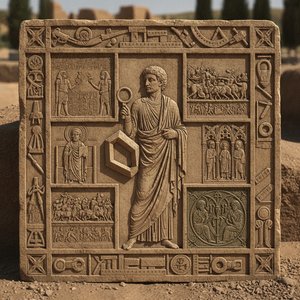
Mastering Dimension: An Art Historian's Guide to the Elegance of Sculptural Relief Art
Explore the profound beauty of sculptural relief art. From classical bas-relief to modern geometric textures, discover how depth and light transform spaces through an expert guide on art history and sophisticated curation for discerning collectors.

Desetak Remek-djela koja su Definirala Apstraktni Ekspresionizam: Uljane Slike i Moderna Dekoracija
Otkrijte 10 remek-djela koja su definirala apstraktni ekspresionizam! Jackson Pollock, Mark Rothko i drugi majstori uljane umjetnosti. Ispričajte priču svojim zidovima uz OriginalUniqueArt - vrhunske reprodukcije za vaš dom.