
 Pregledaj u realnoj veličini
 Pošalji
 Podijeli
 Detalji o umjetničkom djelu
 Vodič
Vodič

 Preuzmi umjetničko djelo
 Slični predmeti
 Rentgenska snimka
 Slide show
 Q&A
Q&A Statistika
Untitled (254)

 Prikaži više
Djelo prikazano na ovoj stranici zaštićeno je autorskim pravima, što znači da zakonski ne možemo izraditi niti prodati identičnu reprodukciju. Ova se zaštita provodi u skladu s međunarodnim sporazumima kao što su Bernska konvencija i nacionalnim zakonima, uključujući i one koji su utvrđeni u Američki zakon o autorskom pravu – Title 17.
Ova metoda u potpunosti je usklađena s autorskim pravima jer ne uključuje kopiranje ili dupliciranje zaštićenih umjetničkih djela. Umjesto toga, riječ je o kreativnoj reinterpretaciji – novoj slici koja je dobila utjecaj na izvornik, ali nije identična njemu.
Giclée / Umjetnički otisak
Giclée tisak muzejske kvalitete ili otisak na platnu uz brzu izradu i raznolike opcije završne obrade. ( Kupi ručno oslikano djelo Prebacite na digitalnu sliku)




































Odaberite jednu od naših unaprijed definiranih veličina koje odgovaraju izvornim proporcijama umjetničkog djela.

Unesite potrebnu širinu i visinu kako bi odgovarali vašem okviru ili zidu. Print se može samo izrezati, nikada ne može biti veći od slike, stoga format s drugačijim omjerom stranica uzrokuje gubitak dijela slike. Prije bilo kakve štampe šaljemo vam digitalni prikaz (mockup) na odobrenje. Slika prikazana na ovoj stranici ne prikazuje stvarni rez — to prikazuje isključivo digitalni prikaz.
Dostava širom svijeta () u roku od 2 tjedna umjesto standardnih 4/5 tjedana. (2 Studeni)

Besplatna ekspresna dostava širom svijeta

Visokokvalitetno laneno platno

Potpuno osiguranje dostave

Jamstvo povrata carine i uvoznih poreza

Jamstvo vjernosti boja

Politika povrata u roku od 100 dana (samo u slučaju nedostataka)

Jamstvo povrata 100% novca

Popust na više proizvoda
 Opcija stakla dostupna je samo za dimenzije manje od 110 cm

Untitled (254)
Giclée / Umjetnički otisak
Veličina reprodukcije
-


Ukupna cijena
€ 71
Biografija umjetnika
Mordecai Ardon: Pioneer of Symbolic Landscape Painting
Mordecai Ardon (Hebrew: מרדכי ארדון; 13 July 1896 – 18 June 1992) was an Israeli painter, considered a pivotal figure in regional Israeli art and recognized for his distinctive approach to landscape painting infused with Kabbalah symbolism. Born Max Bronstein in Tuchów, Galicia (then Austria-Hungary, now Poland), Ardon’s artistic journey began amidst the burgeoning Bauhaus movement, where he honed his architectural skills alongside luminaries like Johannes Itten, Wassily Kandinsky, and Paul Klee. This formative period instilled a profound appreciation for geometric abstraction and influenced his later stylistic explorations.- Early Life & Education: Ardon’s upbringing in Tuchów exposed him to the Austro-Hungarian cultural landscape, shaping his worldview before he emigrated to Jerusalem in 1933 during the British Mandate of Palestine. He pursued architectural studies at Bauhaus University Weimar and Munich, absorbing the revolutionary ideas circulating within the artistic community.
- Bauhaus Influence & Artistic Development: Studying under influential masters like Kandinsky and Klee solidified Ardon’s commitment to abstraction while simultaneously fostering an interest in exploring spiritual themes. His Bauhaus training provided him with a foundational understanding of form and color theory that would permeate his subsequent works.
Kabbalah & Symbolic Imagery: The Roots of His Vision
Ardon’s artistic style evolved dramatically in the 1950s, adopting a complex system of symbolic images drawn from Jewish mysticism (Kabbalah) and biblical narratives. He rejected representational art altogether, prioritizing instead to convey cosmic dimensions within his landscapes—particularly those depicting Jerusalem—by layering textures and colors with meticulous precision. His paintings weren’t merely depictions of places; they were attempts to capture the essence of their spiritual significance. As he famously stated, “I seek to impart a cosmic dimension to the present, linking it to antiquity and mystery.” Recurring motifs like circles, squares, and stylized birds reflected Kabbalistic concepts of divine unity and creation.- Kabbalah’s Impact: Ardon's fascination with Kabbalah profoundly shaped his artistic vocabulary. He utilized geometric forms and color palettes reminiscent of Kabbalistic diagrams to express profound spiritual ideas.
Notable Works & Recognition
Ardon achieved considerable acclaim during his lifetime, notably participating in the Venice Biennale of 1968 where he showcased “Gates of Light,” a painting that powerfully captured "the inner mystery and timelessness of the landscape." His monumental stained-glass windows, known as ‘Ardon Windows,’ installed prominently in the National Library of Israel, exemplify his masterful technique and represent a lasting contribution to Israeli art. The sale of “The Awakening” for $821,000 at Sotheby’s in 2014 underscored the enduring value of his oeuvre. Furthermore, Ardon mentored numerous artists who went on to develop their own distinctive styles, cementing his legacy as a teacher and influential figure within the Israeli art scene.Legacy & Influence
Mordecai Ardon’s artistic vision—characterized by its symbolic depth, geometric precision, and unwavering commitment to conveying spiritual contemplation—continues to inspire artists today. He is regarded as the father of the regional approach in Israeli art, prioritizing local mythology and cultural heritage alongside universal themes of transcendence. His work stands apart for its ability to transform ordinary landscapes into canvases brimming with cosmic resonance, securing his place as one of Israel’s most significant artistic voices.
Mordecai Ardon
1896 - 1992 , Austria
Osnovne informacije
- Full Name: Mordecai Ardon
- Nationality: Israeli
- Date Of Birth: 1896
- Date Of Death: 1992
- Place Of Birth: Tuchów, Austria
- Notable Artworks:
- Untitled (216)
- Untitled (790)
- Untitled (254)
- Artistic Movement Or Style: Abstract Expressionism
- Artists Who Influenced This Artist: Johannes Itten, Wassily Kandinsky, Paul Klee
- Artists Or Movements Influenced By This Artist: Bauhaus
Srodni članci

Desetak Remek-djela koja su Definirala Apstraktni Ekspresionizam: Uljane Slike i Moderna Dekoracija
Otkrijte 10 remek-djela koja su definirala apstraktni ekspresionizam! Jackson Pollock, Mark Rothko i drugi majstori uljane umjetnosti. Ispričajte priču svojim zidovima uz OriginalUniqueArt - vrhunske reprodukcije za vaš dom.

Geometrijska Apstrakcija: 10 Remek-djela Koja Su Promijenila Umjetnost | OriginalUniqueArt
Istražite 10 remek-djela geometrijske apstrakcije! Otkrijte priče Kandinskog, Mondriana i drugih majstora. Inspirirajte se za svoj interijer s vrhunskim reprodukcijama slika na OriginalUniqueArt.com

Mastering Abstraction: The 25 Most Iconic Works by Wassily Kandinsky
Explore 25 iconic Kandinsky masterpieces and the birth of abstraction. Discover the full collection online at OriginalUniqueArt.com.
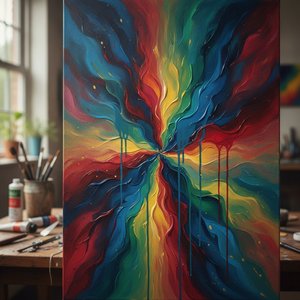
Lyrical Abstraction: The Emotional Power of Color and Form in Modern Art History
Explore the profound emotional depth of Lyrical Abstraction. Discover how masters like Raymond Parker used color and form to bridge Impressionism and Abstract Expressionism. Learn about this pivotal movement through our expert-led art history guide.
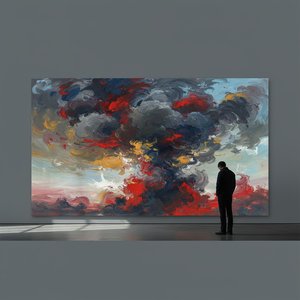
Beyond Representation: Exploring the Emotional Landscape of Abstract Expressionism
Explore the profound emotional world of Abstract Expressionism with OriginalUniqueArt. Discover key artists like Pollock & Rothko, learn about collecting, and find museum-quality reproductions to inspire your space.
