
 Pregledaj u stvarnoj veličini
 Pošalji
 Podijeli
 Detalji o umjetničkom djelu

 Preuzmi
 Slični predmeti
 Rentgenska snimka
 Automatska prezentacija
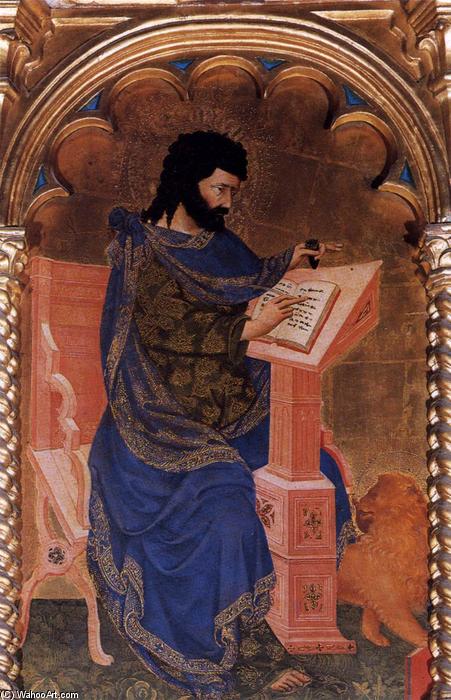
St Mark


 Prikaži više
Giclée / Umjetnički otisak
Giclée tisak muzejske kvalitete ili otisak na platnu uz brzu proizvodnju i fleksibilne opcije završne obrade. ( Kupi ručno naslikanu sliku Kupi digitalnu sliku)




































Odaberite jednu od naših unaprijed definiranih veličina koje odgovaraju izvornim proporcijama umjetničkog djela.

Možete unijeti vlastite dimenzije kako biste umjetničko djelo prilagodili specifičnom okviru ili prostoru. Ako odabrana veličina ne odgovara proporcijama izvornog rada, izrezat ćemo dio slike ili je proširiti pomoću ogledalnog efekta ili jednobojne rubne površine. Digitalni prikaz (mockup) bit će vam poslan na odobrenje prije početka proizvodnje.
Imajte na umu da pregled na zaslonu ne odražava stvarno izrezivanje ili proširivanje. Samo će mockup točno prikazati konačnu kompoziciju.
Iako su dostupne prilagođene veličine, preporučujemo odabir dimenzije iz unaprijed definirane liste kako biste očuvali izvorne proporcije.
Dostava širom svijeta () u roku od 2 tjedna umjesto standardnih 4/5 tjedana. (16 Kolovoz)

Besplatna ekspresna dostava širom svijeta

Visokokvalitetno laneno platno

Potpuno osiguranje dostave

Jamstvo povrata carine i uvoznih poreza

Garancija vjernog podudaranja boja

Politika povrata u roku od 60 dana (samo u slučaju nedostataka)

Jamstvo povrata 100% novca

Popust na više proizvoda
 Opcija stakla dostupna je samo za dimenzije manje od 110 cm

St Mark
Giclée / Umjetnički otisak
Veličina reprodukcije
-


Ukupna cijena
$ 80
Biografija umjetnika
Michele di Matteo Lambertini: A Bolognese Voice in Late Gothic Art
Michele di Matteo Lambertini (circa 1410 – living), often referred to as da bologna or lambertini, stands as a significant figure within the artistic landscape of late gothic Bologna. His contribution to the city’s visual culture is marked by ambitious fresco cycles and meticulously crafted altar panels that reflect both stylistic trends and humanist ideals emerging during his lifetime. While scholarly debate persists regarding his precise place amongst Bolognese painters—particularly distinguishing him from Michelangelo da Bergamo—Lambertini undeniably possessed a distinctive artistic vision, shaping the aesthetic sensibilities of his era.Early Life and Artistic Training
Information concerning Lambertini’s formative years remains scarce, primarily due to the limitations of surviving biographical records. He emerged as an artist during the vibrant intellectual milieu fostered by Bologna's university and papal presence. Evidence suggests he apprenticed under Francesco Lola, a renowned fresco painter known for his involvement in monumental projects celebrating papal authority. This collaboration instilled in Lambertini foundational skills in pigment preparation, mural technique, and compositional design—elements that would characterize his subsequent artistic endeavors.Notable Commissions and Artistic Output
Lambertini’s career gained prominence through prestigious commissions undertaken during the episcopacy of Cardinal Jean Bilheres. He undertook a monumental task decorating the basilica san petronio with frescoes depicting scenes from the life of Saint Peter, demonstrating mastery in portraying biblical narratives with dramatic intensity and nuanced detail. Simultaneously, he collaborated on the church of san giacomo, designing elaborate windows adorned with intricate stained glass panels—a testament to his understanding of visual storytelling and artistic innovation. Perhaps Lambertini’s most enduring legacy resides in his altar-piece for the chiesa di sant'elena, Venice. Executed around 1462, this artwork showcases a masterful blend of Byzantine influences and emerging Renaissance sensibilities. The depiction of saints john, mark, roch, and anthony abbot embodies serene piety and conveys profound spiritual contemplation—a hallmark of humanist artistic expression. Furthermore, his Virgin and Child panel (1469), housed in the Accademia di Bologna, exemplifies Lambertini’s meticulous attention to anatomical accuracy and expressive drapery—characteristics that foreshadow developments within Bolognese painting during the transitional period between gothic and renaissance styles.Influence and Legacy
Lambertini's work exerted considerable influence on subsequent generations of Bolognese artists. Crowe and Cavalcaselle, prominent art historians of the early 20th century, acknowledged Lambertini’s artistic prowess but controversially dismissed his paintings as “ugly,” “injured,” and “defective.” Despite these critical assessments, Lambertini remains recognized for his contribution to the visual arts—particularly his role in shaping Bolognese artistic identity. His polyptych depicting St Helena and the Virgin Mary (1430-1437), commissioned for the church of sant’elena, Venice, exemplifies the stylistic sophistication achieved during this period. The Museo Nazionale di San Matteo houses a remarkable collection of Lambertini's paintings, offering visitors an opportunity to appreciate his artistic achievements firsthand. Lambertini’s oeuvre continues to inspire scholars and artists alike—underscoring the enduring significance of his contribution to Bolognese art history and demonstrating the lasting impact of late gothic aesthetics on Italian Renaissance painting.
Osnovne informacije
- Artistic Movement Or Style: Late Gothic
- Artists Or Movements Influenced By This Artist: ['Michelangelo da Bergamo']
- Artists Who Influenced This Artist: ['Francesco Lola']
- Date Of Death: Living
- Full Name: Michele di Matteo Lambertini
- Nationality: Italian
- Notable Artworks:
- Polyptych of Sant'Elena
- St Mark
- Virgin and Child
- Twelve Articles of the Apostles Creed
- Cristo Crucifisso
- Place Of Birth: Italy

