
 Pregledaj u stvarnoj veličini
 Pošalji
 Podijeli
 Detalji o umjetničkom djelu

 Preuzmi
 Slični predmeti
 Rentgenska snimka
 Automatska prezentacija
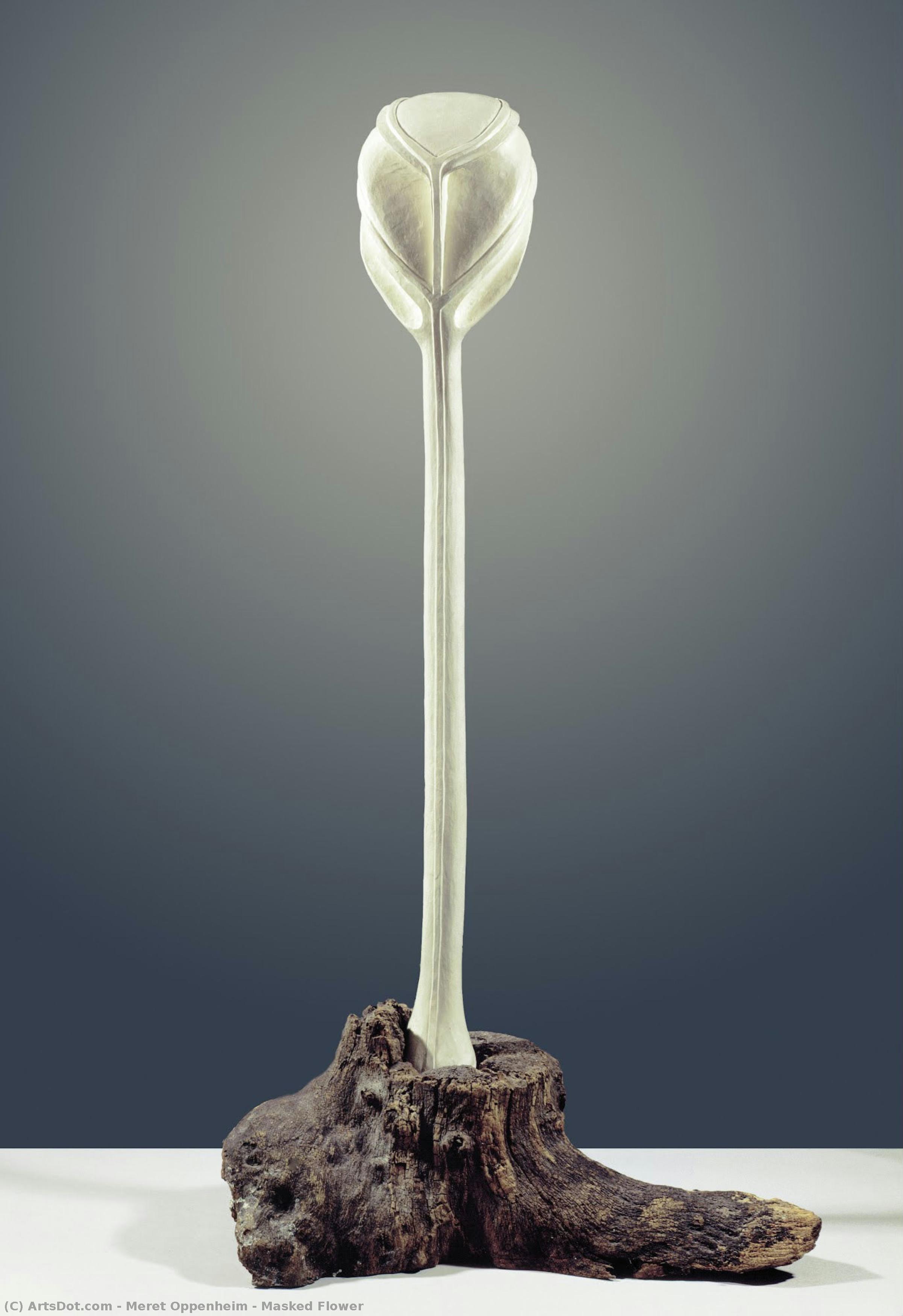
Masked Flower
 Acrylic On Canvas
- WallArt
- Surrealist
 1958
1958 108.0 x 54.0 cm
 Kunsthaus Zürich
 Prikaži više
Giclée / Umjetnički otisak
Giclée tisak muzejske kvalitete ili otisak na platnu uz brzu proizvodnju i fleksibilne opcije završne obrade. ( Kupi ručno naslikanu sliku Kupi digitalnu sliku)




P118B $10

P118H $10

P118W $10

P438Z $10

P508JH $12

P508YH $12

P805H $10

P805Z $10

P919BZ $10

P919G $10

P919XJ $10

P959ZH $10

P968JZ $12

W106C $8

W218G $10

W218JH $8

W218Y $10

W307PJ $10

W316G $10

W316PJ $8

W316Y $10

W398PJ $8

W4111J $10

W500HY $15

W500JH $15

W692G $12

W849H $8

W940BG $15

W953PJ $8




Odaberite jednu od naših unaprijed definiranih veličina koje odgovaraju izvornim proporcijama umjetničkog djela.

Možete unijeti vlastite dimenzije kako biste umjetničko djelo prilagodili specifičnom okviru ili prostoru. Ako odabrana veličina ne odgovara proporcijama izvornog rada, izrezat ćemo dio slike ili je proširiti pomoću ogledalnog efekta ili jednobojne rubne površine. Digitalni prikaz (mockup) bit će vam poslan na odobrenje prije početka proizvodnje.
Imajte na umu da pregled na zaslonu ne odražava stvarno izrezivanje ili proširivanje. Samo će mockup točno prikazati konačnu kompoziciju.
Iako su dostupne prilagođene veličine, preporučujemo odabir dimenzije iz unaprijed definirane liste kako biste očuvali izvorne proporcije.
Dostava širom svijeta () u roku od 2 tjedna umjesto standardnih 4/5 tjedana. (19 Kolovoz)

Besplatna ekspresna dostava širom svijeta

Visokokvalitetno laneno platno

Potpuno osiguranje dostave

Jamstvo povrata carine i uvoznih poreza

Garancija vjernog podudaranja boja

Politika povrata u roku od 60 dana (samo u slučaju nedostataka)

Jamstvo povrata 100% novca

Popust na više proizvoda
 Opcija stakla dostupna je samo za dimenzije manje od 110 cm

Masked Flower
Giclée / Umjetnički otisak
Veličina reprodukcije
-


Ukupna cijena
$ 80
Opis djela
A Silent Bloom: Meret Oppenheim’s “Masked Flower”
Meret Oppenheim's "Masked Flower" (1958) isn’t merely a sculpture; it’s an invitation to contemplate the delicate balance between beauty and concealment, nature and artifice. Born in Berlin amidst the turbulent backdrop of pre-war Europe, Oppenheim’s artistic journey was shaped by a profound exposure to diverse influences – from the vibrant Expressionism of her youth to the revolutionary ideas of Carl Jung and the groundbreaking experimentation of Surrealism. This piece, created during a period of intense introspection for the artist, embodies these influences in a strikingly intimate and unsettling way.
At first glance, the sculpture presents a deceptively simple arrangement: a smooth, white, organically shaped form – reminiscent of a blossoming flower bud or perhaps a stylized vase – resting upon a rough-hewn wooden base. However, closer inspection reveals a subtle yet powerful tension. The pristine whiteness of the upper element contrasts dramatically with the weathered texture and irregular contours of the base, creating an immediate visual dialogue between smoothness and roughness, delicacy and strength. This juxtaposition immediately draws the viewer in, prompting questions about their relationship to each other and to the artwork as a whole.
Deconstructing the Object: Surrealist Techniques and Materiality
Oppenheim’s approach was deeply rooted in the principles of Surrealism, an artistic movement that sought to unlock the creative potential of the unconscious mind. She frequently employed techniques of appropriation and transformation, taking everyday objects – teacups, fur coats, furniture – and recontextualizing them to challenge conventional perceptions. “Masked Flower” exemplifies this strategy perfectly. The sculpture’s form is deliberately ambiguous, blurring the lines between botanical representation and abstract design. The choice of materials—cast plaster for the upper element and wood for the base—further enhances this effect, highlighting the inherent qualities of each substance while simultaneously creating a sense of discordance.
Notably, the surface of the white form is meticulously polished to an almost unnerving sheen, contrasting sharply with the raw, tactile quality of the wooden base. This deliberate contrast isn’t merely aesthetic; it speaks to Oppenheim's fascination with duality and the hidden layers within seemingly simple objects. The sculpture invites us to consider how appearances can be deceiving, and how even the most familiar forms can conceal unexpected complexities.
Symbolism and Emotional Resonance
The title itself – “Masked Flower” – is laden with symbolic weight. Flowers are universally associated with beauty, fertility, and renewal, yet the ‘mask’ suggests concealment, secrecy, or even a deliberate attempt to obscure their true nature. This duality creates a powerful tension within the artwork, prompting us to contemplate themes of hidden potential, repressed desires, and the fragility of appearances. The sculpture can be interpreted as an exploration of the human psyche—a representation of the unconscious mind striving to break free from its constraints.
Furthermore, Oppenheim’s work often reflected her interest in Jungian psychology, particularly the concept of the ‘shadow self.’ The “mask” could represent this hidden aspect of our personality – the parts we keep concealed from others and even ourselves. The overall effect is profoundly evocative, stirring a sense of quiet contemplation and inviting viewers to project their own interpretations onto the artwork.
A Timeless Masterpiece: Reproduction and Legacy
“Masked Flower” remains a seminal work in the history of Surrealist art, demonstrating Oppenheim’s unique ability to transform ordinary objects into potent symbols. Reproductions capture the sculpture's textural richness and subtle nuances with remarkable fidelity, allowing viewers to appreciate its complexity and emotional depth. Whether displayed as a statement piece in a contemporary interior or studied within an academic setting, this artwork continues to resonate with audiences today, prompting reflection on the nature of beauty, concealment, and the human condition.
Biografija umjetnika
Early Life and Influences
- Born: Berlin, Germany (1913)
- Died: 1985
- Named after Meretlein from Gottfried Keller's "Green Henry."
- Family moved to Delémont, Switzerland, due to her father’s military service during World War I.
- Exposure to art and artists at a young age in Switzerland.
- Inspired by her aunt, Ruth Wenger, and her modern lifestyle.
- Influenced by Modernism, Expressionism, Fauvism, and Cubism.
- Introduced to the writings of Carl Jung and began recording dreams, which became important sources for her art.
- The work of Paul Klee significantly influenced her artistic development.
Career and Artistic Development
- Moved to Paris in 1932 and attended the Académie de la Grande Chaumière.
- Participated in Surrealist exhibitions starting in 1933, associating with André Breton, Man Ray, Max Ernst, and others.
- First solo exhibition in Basel in 1936 at Galerie Schulthess.
- Artistic block began in 1937 after initial success; destroyed much of her work during this period.
- Returned to art in the 1950s, reverting to earlier styles and themes.
Major Works and Style
- Object (Le Déjeuner en fourrure) (1936): Her most famous artwork – a teacup, saucer, and spoon covered in fur. This piece explores themes of female sexuality, luxury, and the objectification of women.
- Her work often incorporated everyday objects arranged to evoke dreamlike or unsettling scenarios.
- Explored themes of femininity, exploitation, and the subconscious through her paintings and sculptures.
- Style characterized by a blend of Surrealism, Dada influences, and personal symbolism.
Historical Significance and Legacy
- Considered a leading figure in the Surrealist movement.
- Her work challenged conventional notions of art and gender roles.
- Object (Le Déjeuner en fourrure) became an iconic symbol of 20th-century art, acquired by MoMA shortly after its creation.
- Oppenheim's exploration of dreams, sexuality, and the subconscious continues to resonate with contemporary audiences.
- Her later work emphasized personal freedom and the "androgyny of the mind."
Key Influences and Artistic Circle
- Carl Jung: His theories on psychoanalysis and archetypes profoundly influenced her artistic themes and imagery.
- Paul Klee: Inspired by his abstract style and exploration of color and form.
- André Breton: A key figure in the Surrealist movement who encouraged and promoted her work.
- Marcel Duchamp & Max Ernst: Their conceptual approach to art influenced her use of everyday objects.
- Man Ray: Collaborated with Oppenheim on photographic works, including nude portraits.

Meret Oppenheim
1913 - 1985 , Germany
Osnovne informacije
- Artistic Movement Or Style: Surrealism
- Artists Who Influenced This Artist:
- Paul Klee
- Carl Jung
- Marcel Duchamp
- Max Ernst
- André Breton
- Date Of Birth: October 6, 1913
- Date Of Death: November 15, 1985
- Full Name: Meret Elisabeth Oppenheim
- Nationality: Swiss-German
- Notable Artworks: ['Object (Le Déjeuner en fourrure)']
- Place Of Birth: Berlin, Germany
Srodni članci

Bronze Sculptures That Defined Art History | OriginalUniqueArt
Journey through art history with our Top 10 bronze sculptures! Explore masterpieces by Rodin, Michelangelo & more. Discover stories behind iconic statues and find museum-quality reproductions for your home decor at OriginalUniqueArt.com.

The Enduring Form: Exploring Themes & Techniques in Sculpture Across Historical Periods
Explore the rich history of sculpture from ancient masterpieces to contemporary innovations. Discover key techniques, influential artists & investment potential for discerning art collectors.

Bronze Age to Modern Masters: 10 Sculptures That Redefined Art | OriginalUniqueArt
Journey through art history with 10 legendary bronze sculptures – from Michelangelo's David to Rodin’s Thinker. Explore the stories, techniques & timeless beauty of these masterpieces. Find museum-quality reproductions & elevate your home decor on OriginalUniqueArt.com.
René Magritte: 25 Remek-djela Surrealizma za Uljepšanje Vašeg Prostora | OriginalUniqueArt
Uronite u svijet nadrealizma s 25 remek-djela René Magritta. Otkrijte priče iza ikoničnih slika, simbolizam i tehniku belgijskog umjetnika. Pronađite savršenu reprodukciju za vaš dom na OriginalUniqueArt.com!
Max Ernst: 25 Remek-djela Surrealizma za Uljepšavanje Vašeg Prostora | OriginalUniqueArt
Uronite u svijet nadrealizma s 25 remek-djela Maxa Ernsta! Otkrijte priče iza ikonskih slika, tehnike i inspiraciju ovog umjetnika. Reprodukcije vrhunske kvalitete za vaš dom na OriginalUniqueArt.com.

