
 Pregledaj u realnoj veličini
 Pošalji
 Podijeli
 Detalji o umjetničkom djelu
 Vodič
Vodič

 Preuzmi umjetničko djelo
 Slični predmeti
 Rentgenska snimka
 Slide show
 Pitanja i odgovori
 Statistika
Grape Harvest at Neukastel


 Prikaži više
Giclée / Umjetnički otisak
Giclée tisak muzejske kvalitete ili otisak na platnu uz brzu izradu i raznolike opcije završne obrade. ( Kupi ručno oslikano djelo Prebacite na digitalnu sliku)




P118B €10

P118H €10

P118W €10

P438Z €10

P508JH €12

P508YH €12

P805H €10

P805Z €10

P919BZ €10

P919G €10

P919XJ €10

P959ZH €10

P968JZ €12

W106C €8

W218G €10

W218JH €8

W218Y €10

W307PJ €10

W316G €10

W316PJ €8

W316Y €10

W398PJ €8

W4111J €10

W500HY €15

W500JH €15

W692G €12

W849H €8

W940BG €15

W953PJ €8




Odaberite jednu od naših unaprijed definiranih veličina koje odgovaraju izvornim proporcijama umjetničkog djela.

Unesite potrebnu širinu i visinu kako bi odgovarali vašem okviru ili zidu. Print se može samo izrezati, nikada ne može biti veći od slike, stoga format s drugačijim omjerom stranica uzrokuje gubitak dijela slike. Prije bilo kakve štampe šaljemo vam digitalni prikaz (mockup) na odobrenje. Slika prikazana na ovoj stranici ne prikazuje stvarni rez — to prikazuje isključivo digitalni prikaz.
Dostava širom svijeta () u roku od 2 tjedna umjesto standardnih 4/5 tjedana. (7 Studeni)

Besplatna ekspresna dostava širom svijeta

Visokokvalitetno laneno platno

Potpuno osiguranje dostave

Jamstvo povrata carine i uvoznih poreza

Jamstvo vjernosti boja

Politika povrata u roku od 100 dana (samo u slučaju nedostataka)

Jamstvo povrata 100% novca

Popust na više proizvoda
 Opcija stakla dostupna je samo za dimenzije manje od 110 cm

Grape Harvest at Neukastel
Giclée / Umjetnički otisak
Veličina reprodukcije
-


Ukupna cijena
€ 72
A Glimpse of Rural Life: Max Slevogt’s “Grape Harvest at Neukastel”
Max Slevogt's "Grape Harvest at Neukastel," painted in 1916, isn’t merely a depiction of agricultural labor; it’s a vibrant distillation of the German Impressionist spirit – a fleeting moment captured with an almost feverish intensity of light and color. Nestled within the walls of the Museum Folkwang in Essen, Germany, this oil on canvas transports us to a specific place and time: the rolling hills of Bavaria during a summer harvest. The painting immediately draws the eye with its bold palette – deep greens, ochre yellows, and cerulean blues coalesce into a landscape brimming with life and energy. Slevogt masterfully employs broken brushstrokes, characteristic of Impressionism, to create an illusion of movement and light, as if we too are swept along by the activity unfolding before us.
The scene itself is deceptively simple: a group of figures, numbering perhaps twelve or thirteen, work diligently in the vineyards. They aren’t idealized portraits; rather, Slevogt presents them with an honest immediacy, their faces etched with the effort of the day's labor. Notice how he captures the interplay of light and shadow on their clothing, reflecting the sun’s warmth and creating a sense of depth within the composition. The inclusion of horses – essential to the harvest process – adds another layer of rustic charm and reinforces the painting’s connection to rural life. The distant mountains, rendered in hazy blues and purples, provide a dramatic backdrop, anchoring the scene within its geographical context.
The Influence of Paris: A Shift Towards Plein Air
Slevogt's artistic journey was profoundly shaped by his time spent in Paris during the late 1880s. Initially trained in the more traditional style of Munich Academy, where darker tones and academic subjects were favored, he found himself captivated by the Impressionist movement’s emphasis on capturing fleeting moments of light and color *en plein air* – directly from nature. This pivotal experience led to a dramatic stylistic transformation. As documented in his biography, Slevogt abandoned the muted palettes of his early work for brighter, more vibrant hues, mirroring the techniques he observed among artists like Manet.
The “Grape Harvest” exemplifies this shift perfectly. The painting’s luminosity and sense of immediacy are a direct result of Slevogt's commitment to *plein air* painting. He wasn’t interested in creating a meticulously detailed representation; instead, he sought to capture the essence of the scene – its atmosphere, light, and emotional impact – with rapid brushstrokes and a focus on color relationships. This approach aligns him firmly within the broader Impressionist movement, which prioritized capturing subjective experience over objective reality.
Symbolism and the Rhythm of Labor
Beyond its visual appeal, “Grape Harvest at Neukastel” carries subtle symbolic weight. The act of harvesting grapes is a deeply rooted tradition in Bavaria, representing not just sustenance but also community, hard work, and connection to the land. Slevogt’s depiction suggests a harmonious collaboration between people and nature – a celebration of rural life and its rhythms. The figures working together, their movements seemingly synchronized with the sun's trajectory, evoke a sense of shared purpose and collective effort.
Furthermore, the painting can be interpreted as a reflection on the passage of time. The harvest season marks the end of summer and the beginning of autumn, symbolizing transition and renewal. Slevogt’s skillful use of light and shadow further emphasizes this theme, creating an atmosphere that is both vibrant and melancholic – a poignant reminder of the ephemeral beauty of nature.
A Legacy in Reproduction: Bringing “Neukastel” Home
Today, reproductions of "Grape Harvest at Neukastel" are readily available through platforms like OriginalUniqueArt.com, offering art enthusiasts the opportunity to bring a piece of this captivating artwork into their own homes. The meticulous detail and vibrant colors of these hand-painted reproductions faithfully capture the essence of Slevogt’s original masterpiece. Whether adorning a living room wall or gracing an entryway, this painting serves as a timeless reminder of the beauty of rural life and the enduring legacy of German Impressionism.
Pitanja i odgovori
Je li "Grape Harvest at Neukastel" poznato djelo German Impressionism pokreta?
"Grape Harvest at Neukastel" je zabilježeno kao Recognized među djelima German Impressionism u katalogu.
Gdje se danas može vidjeti "Grape Harvest at Neukastel" autora Max Slevogt?
Originalno djelo "Grape Harvest at Neukastel" možete vidjeti u muzeju Muzej Folkwang, Essen, Njemačka.
Čemu je namijenjena reprodukcija djela "Grape Harvest at Neukastel" autora Max Slevogt?
Preporučena uporaba printa djela "Grape Harvest at Neukastel" je Statement.
Biografija umjetnika
Sjajna baština Maxa Slevogta
Max Slevogt stoji kao temeljni stup njemačkog impresionističkog slikarstva, prepoznat po svojim majstorstvom u prikazivanju krajolika i sposobnosti da s iznimnom osjetljivošću uhvati prolaznu ljepotu prirode. Rođen u Landshautu u Bavarskoj 1868. godine, započeo je umjetničko putovanje koje će ga odvesti od tamnih, akademskih tonalnih skica do živopisnih platna prepunih svjetlosti i boje—stilski pomak koji je postao simbol šireg pokreta koji je na prijelazu stoljeća preoblikovao europsku umjetnost. Svoje rane godine proveo je usavršavajući vještine na Münchenskoj akademiji, gdje je u početku istraživao tamnije palete i tehnike pod utjecajem tadašnjeg prevladavajućeg akademskog stila.
Međutim, ključni posjet Parizu 1889. godine zapalio je duboku transformaciju unutar njegove umjetničke duše. Izložen revolucionarnim idejama koje su zastupali majstori poput Édouarda Maneta, Slevogtova vizija bila je potaknuta prema odvažnijem pristupu koji je davao prednost izravnom promatranju prirodnog svijeta. Ovaj susret s francuskom avangardom oživio je njegov potez četkicom, potičući ga da prihvati plein air slikanje i traga za efemernim plesom svjetlosti na krajoliku. Njegovo djelo počelo je pulsirati atmosferskim vitalitetom, udaljavajući se od krutih studijskih kompozicija prema spontanijem i senzornom angažmanu s stvarnošću.
Majstorstvo svjetlosti i krajolika
Iako je Slevogtov plodni opus obuhvaćao različite žanrove, uključujući ilustraciju, portretstvo i žanske scene, pejzaži su dosljedno dominirali njegovom veličanstvenim remek-djelom. Postigao je poseban ugled svojim upečatljivim prikazima alpskih regija Bavarske, posebno Neukastela, koji je postao njegov dom cijelog života i služio kao nepresušan izvor inspiracije. Njegova su platna slavljena zbog sposobnosti da uhvate suptilne nijanse svjetlosti i sjene, pokazujući pedantnu pažnju prema teksturi i boji koja ga izdvaja od mnogih njegovih suvremenika.
Umjetnikova tehnička evolucija obilježena je nekoliko ključnih karakteristika:
- Dinamični potezi četkicom: Prelazak s kontroliranih, akademskih poteza na fluidnije i energičnije nanošenje boje.
- Kromatski sjaj: Sve veće oslanjanje na živopisnu paletu kako bi se dočarala toplina sunčeve svjetlosti i svježina sumraka.
- Atmosferska dubina: Korištenje mekih rubova i difuzije svjetlosti za rekreiranje osjećaja vlage, magle i zraka unutar scene.
Osim spokojne ljepote njegovih krajolika, Slevogt je posjedovao iznimnu sposobnost prizivanja težine ljudske povijesti. Njegova kasnija djela odražavaju dublji, mračniji angažman prema svijetu, uključujući upečatljive prikaze Egipta i užasa Prvog svjetskog rata. Ova sposobnost prebacivanja s idiličnog na duboko proganja emocionalni raspon koji definira njegovu veličinu.
Kulturni utjecaj i povijesna važnost
Izvan njegovih individualnih umjetničkih postignuća, Slevogtov angažman u kulturnim institucijama dodatno je učvrstio njegov položaj unutar intelektualnog krajolika Weimar Germany. Kao istaknuti član Berlin Secession i Pruske akademije umjetnosti, bio je u srcu najvažnijih estetskih debata tog doba. Prigrlio je duh avangarde dok je zadržao nepokolebljivu posvećenost tradicionalnim umjetničkim principima, što mu je omogućilo da premosti jaz između klasičnog strogog školovanja i moderne inovacije.
Njegova svestranost protegnula se čak i u scenske umjetnosti; značajno je dizajnirao scenografiju za Mozartov Don Giovanni, pokazujući sposobnost prevođenja svoje slikarne vizije u kazališni prostor. Kroz svoj rad u časopisima poput Simplicissimus i svoj trajni utjecaj na njemački impresionizam, Max Slevogt ostavio je neizbrisiv trag u povijesti umjetnosti. On ostaje slavna figura čije djelo nastavlja odjekivati u svakome koga pokrene interakcija svjetlosti, boje i vječnog duha prirode.

Max Slevogt
1868 - 1932 , Njemačka
Osnovne informacije
- Artistic Movement Or Style: Impresionizam
- Artists Or Movements Influenced By This Artist: ['Berlinska secesija']
- Artists Who Influenced This Artist: ['Edouard Manet']
- Date Of Birth: 1868.
- Date Of Death: 1932.
- Full Name: Max Slevogt
- Nationality: Njemačka
- Notable Artworks:
- Berba grožđa u Neukastelu
- Noć pod mjesečinom u Neukastelu - Pogled na Madenburg pod mjesečinom
- Pejzaž u Godramsteinu - Prolazak oblaka
- Place Of Birth: Landshut, Njemačka
Srodni članci

Oil on Canvas: A Historical & Technical Exploration of a Timeless Artistic Medium
Explore the rich history & enduring techniques of oil painting on canvas. Discover the science behind its longevity, conservation practices, and contemporary relevance. Expert insights for art enthusiasts.
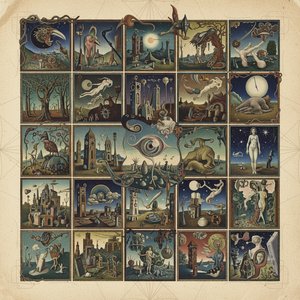
Max Ernst: 25 Remek-djela Surrealizma za Uljepšavanje Vašeg Prostora | OriginalUniqueArt
Uronite u svijet nadrealizma s 25 remek-djela Maxa Ernsta! Otkrijte priče iza ikonskih slika, tehnike i inspiraciju ovog umjetnika. Reprodukcije vrhunske kvalitete za vaš dom na OriginalUniqueArt.com.

The Enduring Power of Painting: A Historical & Contemporary Exploration of Form and Emotion
Explore the rich history & enduring techniques of oil painting with OriginalUniqueArt. Discover masterpieces, learn about art collecting, and find authentic handmade reproductions crafted by skilled artists.

The Enduring Legacy of Oil on Canvas: Technique, History & Aesthetic Impact
Explore the rich history & techniques of oil painting – from Renaissance masters to Impressionism. Discover pigments, layering methods, and why this timeless medium endures. Expert insights for artists & art enthusiasts.

The Soul of Impressionism: Why Oil on Canvas Captures Eternal Light and Timeless Emotion
Discover the enchanting alchemy of Impressionism. Explore how the mastery of oil on canvas, through glazing and impasto, captures eternal light and emotion. Perfect for lovers of Monet and Van Gogh seeking the profound depth of hand-painted fine art.