

 Pregledaj u stvarnoj veličini
 Podijeli
 Podijeli
 Detalji
 Vodič
Vodič

 Preuzmi datoteku
 Slični predmeti
 Rentgenska snimka
 Slide show
 Statistika
Maréchal de Saxe
 Pastel
- WallArt
- Rococo Portraiture
 Early Modern
 61.0 x 51.0 cm
 Louvre
 Pročitajte više
Giclée / Umjetnički otisak
Giclée tisak muzejske kvalitete ili otisak na platnu uz brzu proizvodnju i fleksibilne opcije završne obrade. ( Naručite ručno oslikano reprodukciju Prebacite na digitalnu prodaju slika)




P118B €10

P118H €10

P118W €10

P438Z €10

P508JH €12

P508YH €12

P805H €10

P805Z €10

P919BZ €10

P919G €10

P919XJ €10

P959ZH €10

P968JZ €12

W106C €8

W218G €10

W218JH €8

W218Y €10

W307PJ €10

W316G €10

W316PJ €8

W316Y €10

W398PJ €8

W4111J €10

W500HY €15

W500JH €15

W692G €12

W849H €8

W940BG €15

W953PJ €8




Odaberite jednu od naših unaprijed definiranih veličina koje odgovaraju izvornim proporcijama umjetničkog djela.

Unesite širinu i visinu koja vam je potrebna, kako bi odgovarali vašem okviru ili zidu. Print se može samo izrezati, nikada ne može biti veći od slike, stoga veličina s drugačijim oblikom gubi dio slike. Šaljemo vam digitalni prikaz (mockup) na odobrenje prije bilo kakve štampe. Slika prikazana na ovoj stranici ne prikazuje stvarni rez — to čini samo digitalni prikaz.
Dostava širom svijeta () u roku od 2 tjedna umjesto standardnih 4/5 tjedana. (27 Listopad)

Besplatna ekspresna dostava širom svijeta

Visokokvalitetno laneno platno

Potpuno osiguranje transporta

Jamstvo povrata carine i uvoznih poreza

Jamstvo vjernosti boja

Politika povrata u roku od 100 dana (samo u slučaju nedostataka)

Jamstvo povrata 100% novca

Popust na više proizvoda
 Opcija stakla dostupna je samo za dimenzije manje od 110 cm

Maréchal de Saxe
Giclée / Umjetnički otisak
Veličina reprodukcije
-


Ukupna cijena
€ 70
A Vision of Rococo Grandeur
In the delicate dance of light and pigment, few works capture the aristocratic splendor of the eighteenth century as intimately as Maurice Quentin de La Tour’s 1731 pastel portrait, Maréchal de Saxe. To gaze upon this masterpiece is to step directly into the opulent intellectual landscape of Enlightenment France, where every brushstroke—or in this case, every soft application of pastel—serves to elevate the subject beyond mere mortal likeness. The portrait does not simply present a military commander; it orchestrates a symphony of power, prestige, and refined grace. Through the masterful use of the pastel medium, De La Tour achieves an ethereal luminosity that oil paints often struggle to replicate, allowing the skin tones to glow with a lifelike warmth and the fabrics to shimmer with a soft, tactile elegance.
The subject himself, the celebrated Maréchal de Saxe, is rendered with a profound sense of dignity. Clad in the authoritative attire of his station, he wears a striking blue sash draped across his shoulder, a symbol of high rank that cuts through the composition with a regal vibrancy. His black coat, punctuated by meticulously detailed gold buttons, speaks to the wealth and status inherent in his role as an influential advisor to Louis XV. De La Tour’s technical prowess is most evident in the subtle gradations of color; he blends hues of cerulean, cream, and gold so seamlessly that the textures of silk, lace, and skin appear almost tangible. This soft-focus brilliance is a hallmark of the Rococo style, creating an atmosphere that feels both intensely real and dreamily idealized.
The Intersection of Might and Intellect
Beyond the surface beauty of the portrait lies a deeper narrative regarding the cultural zeitgeist of the era. During this period, the ideals of the Enlightenment—reason, virtue, and intellect—were beginning to reshape the French court. De La Tour, a master of characterization, does not merely depict a soldier of war; he presents an embodiment of these very ideals. The Maréchal’s expression, marked by a quiet confidence and a gaze of seasoned wisdom, suggests a man whose strategic brilliance is matched by his philosophical depth. This portrayal aligns beautifully with the spirit of contemporaries like Voltaire, whose influence permeated the artistic circles of the time.
The minimalist background serves a vital compositional purpose, stripping away the distractions of a cluttered landscape to focus the viewer's entire emotional investment on the man himself. By placing the Maréchal against a plain, light-colored void, De La Tour ensures that the interplay of shadow and light on the subject's face becomes the focal point. This choice emphasizes the psychological depth of the sitter, inviting collectors and art enthusiasts to contemplate the weight of responsibility carried by such an influential figure.
An Enduring Legacy for the Discerning Collector
For the interior designer or the passionate art collector, a high-quality reproduction of Maréchal de Saxe offers more than just a decorative element; it provides a window into a vanished era of elegance. The piece possesses a unique ability to anchor a room, bringing a sense of historical gravity and sophisticated charm to any space. Whether placed in a sunlit library or a formal dining hall, the soft textures and regal color palette of the pastel medium evoke a feeling of timeless luxury.
Owning a reproduction of this caliber allows one to celebrate the technical mastery of Maurice Quentin de La Tour, an artist who redefined the possibilities of pastel. The artwork serves as a conversation piece that bridges the gap between the historical grandeur of the French monarchy and the modern aesthetic appreciation for fine detail and emotive portraiture. It is an investment in atmosphere, a tribute to the enduring power of the Rococo spirit, and a profound addition to any curated collection of fine art.
Pitanja i odgovori
Tko prodaje ručno oslikane kopije djela "Maréchal de Saxe" autora Maurice Quentin De La Tour?
Ručno oslikane kopije djela "Maréchal de Saxe" autora Maurice Quentin De La Tour prodaju se na stranici ovaj web-mjesto: ručno oslikana uljana reprodukcija na lanenom platnu, a mogu se naručiti putem njihove stranice Ručno oslikana reprodukcija.
Gdje se danas može vidjeti djelo "Maréchal de Saxe" autora Maurice Quentin De La Tour?
Originalno djelo "Maréchal de Saxe" možete vidjeti u muzeju Louvre, Paris, France.
Mogu li vidjeti rentgenski prikaz djela "Maréchal de Saxe" autora Maurice Quentin De La Tour?
X-ray prikaz djela "Maréchal de Saxe" autora Maurice Quentin De La Tour možete pronaći na stranici Rentgenska snimka za to umjetničko djelo: interaktivno istraživanje slike kroz jedanaest optičkih slojeva.
Biografija umjetnika
Rani Život i Umjetnički Početci Mauricea Quentina de La Toura
Maurice Quentin de La Tour, rođen 5. rujna 1704. godine u Saint-Quentinu, Francuska, bio je dijete glazbene obitelji; njegov otac, François de La Tour, služio je kao muzikant na dvoru vojvode od Mainea. Iako su roditeljski snovi možda uključivali glazbenu karijeru za Mauricea, on se odlučio za slikarstvo. Oko 1724. godine preselio je u Pariz, gdje je započeo umjetničku avanturu. Njegovo rano obrazovanje obuhvaćalo je studije s Jacquesom Spoedeom i kraći boravak u Reimsu. Putovanje u Englesku 1725. godine dodatno je oblikovalo njegov stil, uvodeći ga u nove tehnike i estetske ideale. Ubrzo se istaknuo portretima koji su odražavali karakter i individualnost modela, a rani radovi poput portreta Voltairea (1731.) pokazali su izniman talent za hvatanje osobnosti. Ovaj portret, posebno poznat po gravuri Langloisa, donio mu je širu prepoznatljivost i otvorio vrata uspješne karijere.Majstor Pastelâ i Rokoko Stil
De La Tour je slavan kao izniman majstor pastela, medija koji je koristio s nevjerojatnom vještinom i osjetljivošću. Njegova tehnika omogućavala mu je stvaranje portreta s mekoćom, delikatnošću i bogatom paletom nijansi. Uspješno je prenosio suptilne promjene izraza lica i teksture materijala, čime je postigao iznimnu realističnost i psihološku dubinu u svojim radovima. Njegovo stvaralaštvo savršeno se uklapa u Rokoko stil, karakteriziran elegancijom, gracioznošću i fokusom na prikazivanje modnog društva tog vremena. Portreti su često bili prožeti atmosferom profinjenosti i luksuza, odražavajući ukus i status naručitelja. Njegova djela uključuju: Portret Voltairea (1731.), koji je učvrstio njegovu reputaciju; Autoportret, Smijući se (oko 1737.), koji demonstrira njegov smisao za humor i samoprezentaciju; te portrete Madame de Pompadour i Louisa XV., značajne narudžbe koje su potvrdile njegov položaj na dvoru. Redovito je izlagao na Pariskom salonu, gdje je tijekom tri desetljeća predstavio seriju od 150 portreta koji su postali glavna atrakcija za posjetitelje.Priznanja i Kasniji Život
Godine 1737., Kraljevska akademija slikarstva i kiparstva priznala je talent Mauricea Quentina de La Toura, što je bio značajan korak u njegovoj karijeri. Godine 1750. postao je dvorski portretist Louisa XV., čime je dodatno učvrstio svoj status i ugled. Kako se njegovo bogatstvo povećavalo, De La Tour se posvetio filantropskim aktivnostima. Osnovao je školu za crtanje u Saint-Quentinu kako bi podržao mlade umjetnike i pružao mogućnosti onima koji su bili u nevolji. Međutim, oko 1773. godine doživio je nervni slom, što ga je dovelo do perioda mentalne bolesti i konačnog povratka u njegov rodni grad, Saint-Quentin. Unatoč tim izazovima, nastavio je stvarati umjetnost sve do svoje smrti 1788. godine.Nasljeđe i Povijesna Značajnost
Portreti Mauricea Quentina de La Toura visoko su cijenjeni zbog psihološke spoznaje i tehničke briljantnosti koju odražavaju. Podigao je pastelnu portretnu umjetnost na novu razinu, utječući na generacije umjetnika koje su došle poslije njega. Njegova sposobnost da uhvati bit svojih modela – njihove osobnosti, inteligenciju i društveni položaj – učinila ga je jednim od najtraženijih portretista svog vremena. Danas se njegova djela čuvaju u prestižnim muzejima diljem svijeta, uključujući Louvre, pružajući dragocjene uvide u francusko društvo i umjetničku praksu 18. stoljeća. Njegov rad ostaje svjedočanstvom iznimnog talenta i doprinosa Rokoko umjetnosti, a njegova tehnika pastela nastavlja inspirirati umjetnike i ljubitelje umjetnosti diljem svijeta.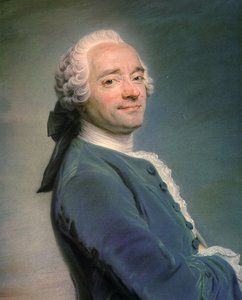
Maurice Quentin De La Tour
1704 - 1788 , Francuska
Brzi pregled
- Datum Rođenja: 5. rujna 1704.
- Datum Smrti: 17. veljače 1788.
- Državljanstvo: Francuz
- Mjesto Rođenja (Grad I Zemlja): Saint-Quentin, Francuska
- Puno Ime: Maurice Quentin de La Tour
- Umjetnički Pokret Ili Stil: Rokoko
- Značajna Djela:
- Portret Voltairea
- Samoportret, smijući se
- Portret Madame de Pompadour
Povezani članci
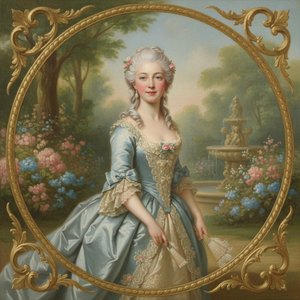
The Elegance of Rococo Portraiture: A Journey Through Grace, Soft Light, and Pastel Dreams
Discover the exquisite world of Rococo portraiture. Explore the delicate beauty of 18th-century French art, from pastel light to graceful asymmetry, and learn how to bring this era of elegance into your home through masterfully hand-painted oil reproductions.

Maurice Quentin de La Tour: Light, Shadow & the Rococo Portrait
Explore the captivating world of Maurice Quentin de La Tour, a master of Rococo portraiture. Discover his innovative pastel techniques, intimate depictions of French aristocracy, and lasting artistic legacy. Learn more at OriginalUniqueArt.

Francisco Goya: 25 Remek-djela Španjolskog Majstora za Vaš Dom | OriginalUniqueArt
Uronite u svijet Francisca Goye! Otkrijte 25 remek-djela španjolskog majstora – od portreta do crnih slika. Povijest umjetnosti, tehnike i inspiracija za vaš dom. Kupite reprodukcije na OriginalUniqueArt.com!
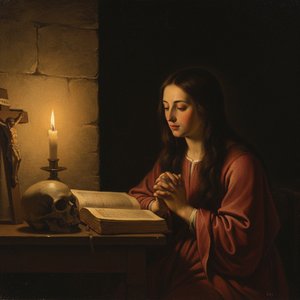
Georges de La Tour: Luminosity, Spirituality & Realism in Baroque Painting
Discover the captivating world of Georges de La Tour, a Baroque master renowned for his dramatic chiaroscuro & spiritual realism. Explore key works, influences, and his remarkable rediscovery. Learn more at OriginalUniqueArt.
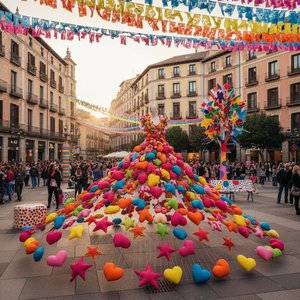
Águeda Ruiz de la Prada: A Study of Eclecticism & Emotional Resonance in Contemporary Spanish Painting
Discover the vibrant world of Ágatha Ruiz de la Prada, a leading figure in contemporary Spanish art. Explore her eclectic style, emotional depth & legacy – a must-read for discerning collectors.