

 Pregledaj u stvarnoj veličini
 Podijeli
 Podijeli
 Detalji
 Vodič
Vodič

 Preuzmi datoteku
 Slični predmeti
 Rentgenska snimka
 Slide show
 Statistika
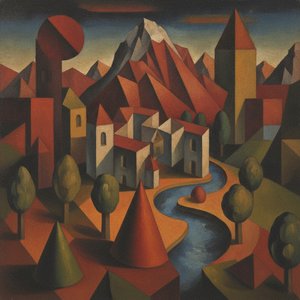
Landscape with Rooftops
 Cubism
 41.0 x 51.0 cm
 Ben Uri Gallery - Museum
 Pročitajte više
Ručno rađena uljana reprodukcija
Ručno oslikano uljanim bojama na platnu u dimenzijama i okviru po vašem izboru, izrađeno po narudžbi od strane naših umjetnika. ( Prebacite na prodaju printova Prebacite na digitalnu prodaju slika)




































Odaberite jednu od naših unaprijed definiranih veličina koje odgovaraju izvornim proporcijama umjetničkog djela.

Možete unijeti vlastite dimenzije kako bi odgovarale određenom okviru ili prostoru. Ako odabrana veličina ne odgovara proporcijama izvorne slike, izrezat ćemo umjetničko djelo ili proširiti sliku dodatnim ručno oslikanim elementima. Digitalni nacrt bit će vam poslan na odobrenje prije početka proizvodnje.
Imajte na umu da pregled na ekranu ne prikazuje stvarno izrezivanje ili proširivanje. Samo će nacrt točno prikazati konačni sastav.
Iako su dostupne prilagođene veličine, preporučujemo odabir dimenzije s preddefiniranog popisa kako bismo očuvali izvorne proporcije.
Nakon narudžbe, tim OriginalUniqueArt.com kontaktirat će klijenta putem e-pošte radi dobivanja uputa te dostaviti probni prikaz (mockup)
Isporuka širom svijeta () u roku od 3-4 tjedna umjesto standardnih 5 tjedana. (26 Rujan). Bez kompromisa u kvaliteti.

Besplatna ekspresna dostava širom svijeta

Visokokvalitetno laneno platno

Potpuno osiguranje transporta

Jamstvo povrata carine i uvoznih poreza

Jamstvo vjernosti boja

Politika povrata u roku od 100 dana (samo u slučaju nedostataka)

Jamstvo povrata 100% novca

Popust na više proizvoda
 Opcija stakla dostupna je samo za dimenzije manje od 110 cm

Landscape with Rooftops
Tehnika izrade
Veličina reprodukcije
-


Ukupna cijena
$ 300
Biografija umjetnika
Maurice Mancini Roith: A Visionary of Intimate Landscapes and Self-Reflection
Maurice Mancini Roith (1900-1958) remains a quietly compelling figure in 20th-century British art, an artist whose distinctive style – characterized by intimate portraits, evocative landscapes, and a profound exploration of self – has only recently begun to receive the recognition it deserves. Born in Brest-Litovsk, Russia (now Belarus), into a Jewish family, Roith’s early life was marked by displacement and ultimately led him to settle in London's East End, where he established himself as both a painter and a small business owner. His artistic journey, punctuated by periods of intense creativity and quiet observation, reveals a deeply personal and uniquely expressive vision.
Roith’s formative years were shaped by his early exposure to the vibrant art scene of Covent Garden Opera House, where he worked as a scene painter. This experience provided invaluable insight into theatrical design and stagecraft, influencing his later compositions with their carefully constructed spaces and dramatic lighting effects. Crucially, it was during this time that he began studying part-time at the Westminster School of Art under the tutelage of Walter Sickert and Bernard Meninsky – artists whose influence is readily apparent in Roith’s early work, particularly its exploration of form, color, and psychological depth.
The Development of a Distinctive Style
Roith's artistic style evolved over time, moving from the more conventional portraiture of his initial years to a deeply personal and often unsettling mode of self-representation. His self-portraits, particularly those created during the 1940s and 50s, are arguably his most significant contribution to British art. These aren’t simply likenesses; they are explorations of identity, anxiety, and the complexities of the human psyche. Works like “Man in the Mirror” (held in the Ben Uri Collection) exemplify this, depicting himself reflected in a concave mirror, creating a layered image that speaks to introspection and perhaps even a degree of unease. The use of impasto – thick application of paint – adds texture and physicality to these portraits, conveying a sense of raw emotion.
Beyond his self-portraits, Roith produced a series of evocative landscapes, often set in the Sussex countryside near his home in Ditchling. These paintings are not merely representations of scenery; they are imbued with a palpable atmosphere and a deep understanding of light and color. His “Landscape with Rooftops” demonstrates this skill, employing Cubist techniques to break down forms and create a dynamic, almost fractured view of the cityscape. The muted palette and geometric composition contribute to a mood of quiet contemplation.
Themes and Influences
Roith’s work is deeply rooted in the psychological landscape of the 20th century. The anxieties and uncertainties of the era – fueled by war, social upheaval, and the rise of modernism – are subtly reflected in his art. His use of symbolism—the mirror, the fragmented cityscape, the unsettling animal-human hybrid in “Jug and Puppet”— invites interpretation and encourages viewers to engage with the work on a deeper level. The influence of Surrealism is evident, particularly in the dreamlike quality of some of his self-portraits.
Furthermore, Roith’s background as a scene painter undoubtedly informed his approach to composition and perspective. The theatricality of stage design—the manipulation of space, light, and color—is translated into his paintings, creating works that are both visually arresting and emotionally resonant. His work also reveals an interest in interior spaces – the quiet intimacy of studios and drawing rooms – often depicted with a meticulous attention to detail.
Legacy and Recognition
Despite his talent and artistic vision, Maurice Mancini Roith remained largely obscure during his lifetime. His work was exhibited sporadically, primarily through the efforts of Ben Uri Art Society, which holds a significant collection of his paintings. It wasn’t until after his death in 1958 that his unique style began to attract wider attention. Today, Roith is increasingly recognized as a significant figure in British art – an artist who offered a profoundly personal and psychologically astute exploration of the human condition through intimate portraits and evocative landscapes.
His paintings are now housed in public collections across the UK, including the Ben Uri Collection and the Tate Archive. Roith’s legacy lies not only in his individual works but also in his willingness to confront difficult emotions and explore the complexities of self-identity – a testament to the enduring power of art to illuminate the human experience.

maurice mancini roith
1900 - 1958
Brzi pregled
- Artistic Movement Or Style: Cubism, Portraiture
- Artists Or Movements Influenced By This Artist: ['Ben Uri Collection']
- Artists Who Influenced This Artist:
- Walter Sickert
- Bernard Meninsky
- Date Of Birth: 1900
- Date Of Death: 1958
- Full Name: Maurice Mancini Roith
- Nationality: British
- Notable Artworks:
- Lady
- Jug and Puppet
- Landscape with Rooftops
- Place Of Birth: Brest-Litovsk, Russia
Povezani članci

Evocations of Place: A Historical Journey Through Landscape Art
Explore the rich history of landscape art with OriginalUniqueArt. Discover renowned artists, movements like Impressionism & Romanticism, and expert guidance for collecting timeless pieces. Find your perfect serene escape today!
Cubist Landscapes: Redefining Perspective Through Geometric Mastery and the Evolution of Modern Vision
Explore the profound evolution of Cubist landscapes. Discover how masters like Braque and Picasso redefined perspective through geometric mastery, transforming nature into an intellectual mosaic of form and light for the discerning modern art collector.

Glavna 10 Remek-djela Romantizma: Uljepšajte Svoj Dom Umjetnošću
Otkrijte 10 remek-djela romantizma koja su definirala pejzažno slikarstvo! Uronite u svijet Friedricha, Turnera i Aivazovskog. Inspirirajte svoj interijer vrhunskim umjetničkim djelima. Kupujte reprodukcije na OriginalUniqueArt.com!

Evocations of Place: A Historical Journey Through Landscape Art
Explore the rich history of landscape art with OriginalUniqueArt. Discover renowned artists, movements like Impressionism & tonalism, and expert guidance for collecting timeless pieces. Find your perfect serene escape today!
Redefining Nature: A Collector's Guide to the Geometric Beauty of Cubist Landscapes
Explore the revolutionary world of Cubist landscapes. Discover how masters like Picasso and Braque redefined nature through geometric beauty, and learn expert tips for curating these transformative masterpieces in your modern home collection.