
 Pregledaj u realnoj veličini
 Pošalji
 Podijeli
 Detalji o umjetničkom djelu
 Vodič
Vodič

 Preuzmi umjetničko djelo
 Slični predmeti
 Rentgenska snimka
 Slide show
 Pitanja i odgovori
 Statistika
The Resurrection


 Prikaži više
Giclée / Umjetnički otisak
Giclée tisak muzejske kvalitete ili otisak na platnu uz brzu izradu i raznolike opcije završne obrade. ( Kupi ručno oslikano djelo Prebacite na digitalnu sliku)




P118B €10

P118H €10

P118W €10

P438Z €10

P508JH €12

P508YH €12

P805H €10

P805Z €10

P919BZ €10

P919G €10

P919XJ €10

P959ZH €10

P968JZ €12

W106C €8

W218G €10

W218JH €8

W218Y €10

W307PJ €10

W316G €10

W316PJ €8

W316Y €10

W398PJ €8

W4111J €10

W500HY €15

W500JH €15

W692G €12

W849H €8

W940BG €15

W953PJ €8




Odaberite jednu od naših unaprijed definiranih veličina koje odgovaraju izvornim proporcijama umjetničkog djela.

Unesite potrebnu širinu i visinu kako bi odgovarali vašem okviru ili zidu. Print se može samo izrezati, nikada ne može biti veći od slike, stoga format s drugačijim omjerom stranica uzrokuje gubitak dijela slike. Prije bilo kakve štampe šaljemo vam digitalni prikaz (mockup) na odobrenje. Slika prikazana na ovoj stranici ne prikazuje stvarni rez — to prikazuje isključivo digitalni prikaz.
Dostava širom svijeta () u roku od 2 tjedna umjesto standardnih 4/5 tjedana. (4 Studeni)

Besplatna ekspresna dostava širom svijeta

Visokokvalitetno laneno platno

Potpuno osiguranje dostave

Jamstvo povrata carine i uvoznih poreza

Jamstvo vjernosti boja

Politika povrata u roku od 100 dana (samo u slučaju nedostataka)

Jamstvo povrata 100% novca

Popust na više proizvoda
 Opcija stakla dostupna je samo za dimenzije manje od 110 cm

The Resurrection
Giclée / Umjetnički otisak
Veličina reprodukcije
-


Ukupna cijena
€ 72
A Vision of Ascent: Matthias Grünewald’s “The Resurrection”
Matthias Grünewald's "The Resurrection," painted around 1515, isn’t merely a depiction of a biblical event; it’s a visceral experience. This monumental panel, now housed in the Unterlinden Museum in Colmar, France, transcends simple narrative to become a profound meditation on faith, sacrifice, and the triumph over darkness. It's a work that immediately commands attention, not through polished realism, but through an intensely emotional and dramatically charged atmosphere – a hallmark of Grünewald’s unique Northern Renaissance style.
The painting unfolds as a carefully orchestrated drama. At its heart stands Christ, not in serene repose, but powerfully ascending into the heavens. His body, ravaged by the wounds of the crucifixion, is rendered with an almost agonizing detail – the flayed skin, the exposed nails, the blue-tinged lips conveying both suffering and divine presence. This isn’t idealized beauty; it's a raw, unflinching portrayal of human agony transformed into spiritual victory. Below him lies a chaotic tableau of fallen Roman soldiers, their armor scattered, weapons abandoned, symbolizing the defeat of earthly power by the resurrected Christ.
The Language of Light and Shadow: Technique and Style
Grünewald’s mastery lies in his manipulation of light and shadow – a technique known as *chiaroscuro*. The scene is dominated by deep, almost impenetrable blacks that contrast sharply with the radiant glow emanating from Christ himself. This dramatic lighting isn't just aesthetic; it serves to elevate Christ to a divine level, casting him as the source of all illumination and hope. The artist employs impasto – thick layers of paint applied directly to the panel – creating a tactile surface that adds depth and physicality to the figures and architectural elements. The brushstrokes are visible, lending a sense of immediacy and energy to the composition.
Notice also the deliberate flattening of perspective. Grünewald prioritizes emotional impact over strict realism, drawing the viewer’s eye upwards towards Christ's ascent through strong diagonals and a tightly structured composition. This compositional choice reinforces the painting’s central theme: the movement from earthly suffering to heavenly glory.
Symbolism and Context: A Hospital Altarpiece
“The Resurrection” wasn’t created for a grand cathedral, but for the hospital of St. Anthony in Issenheim, a monastery dedicated to caring for plague victims. The monks there were particularly skilled at treating ergotism, a debilitating disease characterized by gangrene and convulsions. The imagery within the painting – Christ's wounds mirroring the symptoms of the afflicted – was intended to offer comfort and reassurance to those suffering from this horrific illness. It’s a poignant example of art serving as a source of spiritual healing.
Furthermore, the inclusion of figures like Saint Sebastian (pierced by arrows) and John the Baptist (pointing towards Christ) adds layers of symbolic meaning. Sebastian represents martyrdom and sacrifice, while John foreshadows the coming of the Messiah. The lamb, held by John, is a potent symbol of Christ as the sacrificial Lamb of God.
A Legacy of Dramatic Intensity
“The Resurrection” remains one of Grünewald’s most powerful and enduring works. Its raw emotion, dramatic composition, and profound symbolism continue to resonate with viewers centuries later. It's a testament to the artist’s ability to capture not just the events of the biblical narrative, but also the complex emotions associated with faith, suffering, and redemption. Reproductions of this masterpiece offer a remarkable opportunity to experience Grünewald’s visionary style in your own space – a window into a world of intense spirituality and artistic brilliance.
Pitanja i odgovori
Kada i od kojih je materijala izrađeno "The Resurrection"?
Tehnika djela "The Resurrection" autora Matthias Grünewald je Oil On Panel, a rad je datiran u 1515.
Kako mogu dobiti digitalnu datoteku djela "The Resurrection" autora Matthias Grünewald?
Digitalnu sliku djela "The Resurrection" autora Matthias Grünewald možete kupiti na njegovoj stranici za Digitalna umjetnina: preuzimanje digitalne slike visoke rezolucije.
Jesu li boje djela "The Resurrection" intenzivne ili nježne?
"The Resurrection" autora Matthias Grünewald prikazuje Balanced intenzitet boja.
Biografija umjetnika
Matthias Grünewald: Život i nasljeđe
Matthias Grünewald, rođen kao Mathis Gothart Neithardt oko 1470.-1475. u Würzburgu, Njemačka, bio je iznimno važna figura njemačke renesanse. Iako je živio u razdoblju sve većeg utjecaja talijanskih renesansnih ideala, Grünewald je ostao duboko ukorijenjen u umjetničkim tradicijama kasnog srednjovjekovnog Središnje Europe. Detalji o njegovom ranom životu su oskudni, ali se zna da je primio umjetničku obuku, vjerojatno unutar lokalnih radionica.
Umjetnički razvoj i utjecaji
Grünewaldov umjetnički razvoj oblikovale su prevladavajuće sjevernoeuropske tradicije realizma, emocionalne intenzivnosti i detaljne promatljivosti. Njegovo djelo pokazuje utjecaje umjetnika poput Albrechta Dürera i Martina Schongauera, ali je izkovao jedinstveni put obilježen dramatičnim izrazom i živopisnom bojom. Nije bio izravno uključen u humanističke krugove koji su prevladavali u Italiji; umjesto toga, njegova umjetnost služila je prvenstveno religioznim svrhomama, odražavajući duhovne nemire svog vremena.
Ključna djela i stil
Grünewaldov stil karakterizira snažan osjećaj dramatičnosti, intenzivno korištenje boje i duboka psihološka introspekcija. Njegova su djela često prikazivala patnju i žrtvu s iznimnom realističnošću, što je odražavalo teološke koncepte tog vremena. Jedno od njegovih najpoznatijih djela, Isenheimski oltar (1512.-1516.), smješten u Musée d'Unterlinden u Colmaru, smatra se njegovim remek-djelom. Oltar prikazuje scene iz Kristovog života s potresnom realističnošću, posebno usredotočujući se na patnju i otkupljenje. Njegova Križanje (oko 1502.-1503.), ranije djelo, demonstrira njegov rastući stil, pokazujući intenzivne emocije i anatomski detalj. Ostala važna djela uključuju Djevicu s navještenjem (1512.-14.), studiju za Isenheimski oltar koja otkriva njegov pedantan proces planiranja, te crtež Mojsija (1511.) koji ističe njegovu vještinu u hvatanju ekspresivnih figura i dramatičnih poza.
Povijesni značaj i nasljeđe
Grünewaldov rad stoji kao svjedočanstvo trajne snage srednjovjekovnih umjetničkih tradicija u Njemačkoj tijekom renesanse. On je poslužio kao most između kasnog gotičkog stila i novonastale renesanse, stvarajući jedinstveni vizualni jezik koji je odjeknuo kod njegovih suvremenika. Njegov utjecaj se može vidjeti u kasnijim njemačkim umjetnicima koji su nastavili istraživati teme religioznog žara i emocionalne intenzivnosti. Iako je bio zaboravljen stoljećima nakon njegove smrti 1528. godine, Grünewald je doživio preporod u 19. stoljeću, a danas je priznat kao jedan od najvažnijih slikara njemačke renesanse. Njegova umjetnost nastavlja očaravati gledatelje svojim sirovim emocijama, tehničkom briljantnošću i dubokom duhovnom dubinom.
Daljnja istraživanja
Saznajte više o životu i djelima Matthiasa Grünewalda na: OriginalUniqueArt

Matthias Grünewald
1480 - 1528 , Njemačka
Osnovne informacije
- Datum Rođenja: oko 1470-1475
- Datum Smrti: 1528.
- Državljanstvo: Njemački
- Mjesto Rođenja: Würzburg, Njemačka
- Puno Ime: Matthias Grünewald
- Umjetnički Pokret: Kasni srednjovjekovni
- Utjecaj Na Umjetnike: Kasniji njemački slikari
- Utjecaji Umjetnika:
- Albrecht Dürer
- Martin Schongauer
- Značajna Djela:
- Isenheimski oltar
- Križenje
Srodni članci

The Timeless Charm of Oil on Board: Reimagining Texture and Light through the Impressionist Lens
Discover the profound intimacy of oil on panel. Explore how Impressionist masters used rigid supports to capture light, texture, and impasto depth through exquisite, handmade oil reproductions for discerning collectors.

Oil on Canvas: A Historical & Technical Exploration of a Timeless Artistic Medium
Explore the rich history & enduring techniques of oil painting on canvas. Discover the science behind its longevity, conservation practices, and contemporary relevance. Expert insights for art enthusiasts.
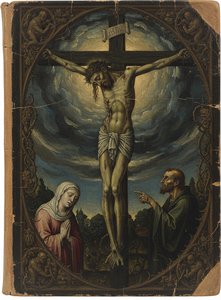
Matthias Grünewald: Devotion, Distortion & Spiritual Turmoil in Renaissance Art
Explore the profound religious art of Matthias Grünewald, master of the Isenheim Altarpiece. Discover his unique expressionism, symbolism & lasting impact on Renaissance painting. A guide for collectors and enthusiasts.

The Enduring Legacy of Oil on Canvas: Technique, History & Aesthetic Impact
Explore the rich history & techniques of oil painting – from Renaissance masters to Impressionism. Discover pigments, layering methods, and why this timeless medium endures. Expert insights for artists & art enthusiasts.

The Enduring Power of Painting: A Historical & Contemporary Exploration of Form and Emotion
Explore the rich history & enduring techniques of oil painting with OriginalUniqueArt. Discover masterpieces, learn about art collecting, and find authentic handmade reproductions crafted by skilled artists.


