
 Pregledaj u realnoj veličini
 Pošalji
 Podijeli
 Detalji o umjetničkom djelu
 Vodič
Vodič

 Preuzmi umjetničko djelo
 Slični predmeti
 Rentgenska snimka
 Slide show
 Pitanja i odgovori
 Statistika
The Crucifixion

- 269.0 x 307.0 cm


 Prikaži više
Giclée / Umjetnički otisak
Giclée tisak muzejske kvalitete ili otisak na platnu uz brzu izradu i raznolike opcije završne obrade. ( Kupi ručno oslikano djelo Prebacite na digitalnu sliku)




P118B €10

P118H €10

P118W €10

P438Z €10

P508JH €12

P508YH €12

P805H €10

P805Z €10

P919BZ €10

P919G €10

P919XJ €10

P959ZH €10

P968JZ €12

W106C €8

W218G €10

W218JH €8

W218Y €10

W307PJ €10

W316G €10

W316PJ €8

W316Y €10

W398PJ €8

W4111J €10

W500HY €15

W500JH €15

W692G €12

W849H €8

W940BG €15

W953PJ €8




Odaberite jednu od naših unaprijed definiranih veličina koje odgovaraju izvornim proporcijama umjetničkog djela.

Unesite potrebnu širinu i visinu kako bi odgovarali vašem okviru ili zidu. Print se može samo izrezati, nikada ne može biti veći od slike, stoga format s drugačijim omjerom stranica uzrokuje gubitak dijela slike. Prije bilo kakve štampe šaljemo vam digitalni prikaz (mockup) na odobrenje. Slika prikazana na ovoj stranici ne prikazuje stvarni rez — to prikazuje isključivo digitalni prikaz.
Dostava širom svijeta () u roku od 2 tjedna umjesto standardnih 4/5 tjedana. (9 Studeni)

Besplatna ekspresna dostava širom svijeta

Visokokvalitetno laneno platno

Potpuno osiguranje dostave

Jamstvo povrata carine i uvoznih poreza

Jamstvo vjernosti boja

Politika povrata u roku od 100 dana (samo u slučaju nedostataka)

Jamstvo povrata 100% novca

Popust na više proizvoda
 Opcija stakla dostupna je samo za dimenzije manje od 110 cm

The Crucifixion
Giclée / Umjetnički otisak
Veličina reprodukcije
-


Ukupna cijena
€ 72
A Vision of Suffering: The Isenheim Altarpiece’s Central Panel
Matthias Grünewald's “The Crucifixion,” a cornerstone of the Isenheim Altarpiece, isn’t merely a depiction of a religious scene; it’s an immersive experience of profound sorrow and spiritual intensity. Completed around 1512-1516 for the Unterlinden Museum in Colmar, France, this panel transcends traditional iconography to deliver a visceral portrayal of Christ's agony – a testament to Grünewald’s mastery of late medieval German art. The painting immediately commands attention with its stark contrasts: the deep, bruised blues and purples of the background against the pallid flesh tones of the central figure, creating an atmosphere thick with despair. It’s a scene deliberately designed to evoke empathy, not through idealized beauty, but through unflinching realism.
Grünewald eschewed the polished elegance favored by Renaissance Italy, instead embracing the expressive power and emotional depth characteristic of Northern European art. He prioritized conveying feeling over precise anatomical detail, resulting in a Christ whose body is contorted with pain, his muscles strained, and his face etched with an almost unbearable suffering. The artist’s use of impasto – thick layers of paint applied directly to the panel – adds texture and dynamism to the scene, emphasizing the physicality of Christ's torment. The rough, unfinished quality of the brushstrokes contributes to a sense of immediacy, as if we are witnessing this event unfold before our very eyes.
Symbolism Woven into Suffering
Beyond its immediate emotional impact, “The Crucifixion” is rich in symbolic meaning. The figure of Christ isn’t presented as a noble martyr but as a profoundly human being experiencing the full weight of his sacrifice. To his left, John the Evangelist, depicted with an expression of anguish and grief, supports the Virgin Mary, who herself embodies sorrow. The presence of Saint Sebastian, traditionally associated with healing through suffering, and Saint Anthony, contemplating God’s will, further underscores the theme of redemption through pain. The lamb at the foot of the cross, a potent symbol of Christ as “the Lamb of God,” reinforces this central theological message.
The inclusion of figures like Mary Magdalene, kneeling in despair, highlights the universal human experience of loss and suffering connected to Christ’s death. Even the background landscape—a desolate, almost apocalyptic scene—contributes to the overall sense of foreboding and spiritual crisis. Grünewald masterfully integrates these symbolic elements into a single, unified composition, creating an artwork that speaks volumes about faith, sacrifice, and the enduring power of human emotion.
Technique and Context: A Masterpiece Forged in Darkness
The Isenheim Altarpiece was created during a period of significant religious upheaval in Europe. The Black Death had ravaged the continent, leaving behind widespread death, disease, and social disruption. This context profoundly shaped Grünewald’s artistic vision. The altarpiece was intended for a hospital dedicated to St. Anthony, where patients suffered from various ailments, including ergotism (St. Anthony's Fire), a debilitating illness characterized by hallucinations and convulsions. The painting’s raw emotional intensity and unflinching depiction of suffering were precisely what the patients needed – a visual reminder of their own mortality and the promise of salvation.
Grünewald employed oil paint on wood, a technique that allowed for rich colors and detailed textures. The use of grisaille (monochrome painting) in the outer panels—featuring saints depicted in shades of gray—contrasts sharply with the vibrant colors of the central panel, further emphasizing its dramatic impact. The altarpiece’s complex folding mechanism – allowing it to be displayed in three different configurations – was a groundbreaking innovation for its time, adding another layer of visual and spiritual complexity.
A Legacy of Emotional Resonance
“The Crucifixion” remains one of the most powerful and moving religious paintings ever created. Its enduring appeal lies not only in Grünewald’s technical skill but also in his ability to capture the essence of human suffering with such profound honesty and empathy. Reproductions of this masterpiece continue to inspire awe and contemplation, offering viewers a glimpse into the heart of medieval faith and artistic expression. It stands as a poignant reminder of Christ's sacrifice and the enduring power of art to connect us to our deepest emotions and spiritual longings.
Pitanja i odgovori
Koja veličina tiska za "The Crucifixion" autora Matthias Grünewald najbolje odgovara preporučenoj prostoriji?
Za Living Room, preporučena veličina printa za "The Crucifixion" autora Matthias Grünewald je Large.
Koja je tehnika i dimenzija originalnog djela "The Crucifixion" autora Matthias Grünewald?
Tehnika djela "The Crucifixion" autora Matthias Grünewald je Oil On Canvas, a njegove dimenzije su 269 x 307 cm.
Koji emocionalni ton prati stil Late Medieval Northern Renaissance u djelu "The Crucifixion"?
U okviru pokreta Late Medieval Northern Renaissance, djelo "The Crucifixion" zabilježeno je s Melancholic tonom.
Biografija umjetnika
Matthias Grünewald: Život i nasljeđe
Matthias Grünewald, rođen kao Mathis Gothart Neithardt oko 1470.-1475. u Würzburgu, Njemačka, bio je iznimno važna figura njemačke renesanse. Iako je živio u razdoblju sve većeg utjecaja talijanskih renesansnih ideala, Grünewald je ostao duboko ukorijenjen u umjetničkim tradicijama kasnog srednjovjekovnog Središnje Europe. Detalji o njegovom ranom životu su oskudni, ali se zna da je primio umjetničku obuku, vjerojatno unutar lokalnih radionica.
Umjetnički razvoj i utjecaji
Grünewaldov umjetnički razvoj oblikovale su prevladavajuće sjevernoeuropske tradicije realizma, emocionalne intenzivnosti i detaljne promatljivosti. Njegovo djelo pokazuje utjecaje umjetnika poput Albrechta Dürera i Martina Schongauera, ali je izkovao jedinstveni put obilježen dramatičnim izrazom i živopisnom bojom. Nije bio izravno uključen u humanističke krugove koji su prevladavali u Italiji; umjesto toga, njegova umjetnost služila je prvenstveno religioznim svrhomama, odražavajući duhovne nemire svog vremena.
Ključna djela i stil
Grünewaldov stil karakterizira snažan osjećaj dramatičnosti, intenzivno korištenje boje i duboka psihološka introspekcija. Njegova su djela često prikazivala patnju i žrtvu s iznimnom realističnošću, što je odražavalo teološke koncepte tog vremena. Jedno od njegovih najpoznatijih djela, Isenheimski oltar (1512.-1516.), smješten u Musée d'Unterlinden u Colmaru, smatra se njegovim remek-djelom. Oltar prikazuje scene iz Kristovog života s potresnom realističnošću, posebno usredotočujući se na patnju i otkupljenje. Njegova Križanje (oko 1502.-1503.), ranije djelo, demonstrira njegov rastući stil, pokazujući intenzivne emocije i anatomski detalj. Ostala važna djela uključuju Djevicu s navještenjem (1512.-14.), studiju za Isenheimski oltar koja otkriva njegov pedantan proces planiranja, te crtež Mojsija (1511.) koji ističe njegovu vještinu u hvatanju ekspresivnih figura i dramatičnih poza.
Povijesni značaj i nasljeđe
Grünewaldov rad stoji kao svjedočanstvo trajne snage srednjovjekovnih umjetničkih tradicija u Njemačkoj tijekom renesanse. On je poslužio kao most između kasnog gotičkog stila i novonastale renesanse, stvarajući jedinstveni vizualni jezik koji je odjeknuo kod njegovih suvremenika. Njegov utjecaj se može vidjeti u kasnijim njemačkim umjetnicima koji su nastavili istraživati teme religioznog žara i emocionalne intenzivnosti. Iako je bio zaboravljen stoljećima nakon njegove smrti 1528. godine, Grünewald je doživio preporod u 19. stoljeću, a danas je priznat kao jedan od najvažnijih slikara njemačke renesanse. Njegova umjetnost nastavlja očaravati gledatelje svojim sirovim emocijama, tehničkom briljantnošću i dubokom duhovnom dubinom.
Daljnja istraživanja
Saznajte više o životu i djelima Matthiasa Grünewalda na: OriginalUniqueArt

Matthias Grünewald
1480 - 1528 , Njemačka
Osnovne informacije
- Datum Rođenja: oko 1470-1475
- Datum Smrti: 1528.
- Državljanstvo: Njemački
- Mjesto Rođenja: Würzburg, Njemačka
- Puno Ime: Matthias Grünewald
- Umjetnički Pokret: Kasni srednjovjekovni
- Utjecaj Na Umjetnike: Kasniji njemački slikari
- Utjecaji Umjetnika:
- Albrecht Dürer
- Martin Schongauer
- Značajna Djela:
- Isenheimski oltar
- Križenje
Srodni članci
Deset Remek-djela Sjeverne Renesanse: Umetnička Baština Za Vaš Dom
Otkrijte 10 remek-djela sjeverne renesanse! Jan van Eyck, Dürer i drugi majstori – istražite priče iza ovih ikoničnih djela. Inspirirajte se za svoj dom s reprodukcijama vrhunske kvalitete na OriginalUniqueArt.com!
Illuminating Belief: A Visual Exploration of Faith Across Artistic Movements & Historical Contexts
Explore the rich history of faith through art! Discover Renaissance masterpieces, iconic artists & religious symbolism with expert analysis from OriginalUniqueArt. Perfect for collectors and enthusiasts.

The Northern Renaissance: A Flourishing of Realism, Religious Reform & Artistic Innovation
Explore the Northern Renaissance! Discover Jan van Eyck's innovations, religious shifts, & key artists of this influential period. Expert analysis and insights into Early Netherlandish painting at OriginalUniqueArt.
Northern Mannerism: The Dramatic Evolution of Renaissance Art and the Mastery of Elegant Distortion
Explore the dramatic evolution of Northern Mannerism. Discover how masters like Bosch and Grünewald transitioned from Renaissance harmony to profound, elegant distortion through an expert analysis of symbolism, emotional intensity, and artistic innovation.
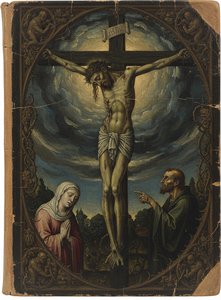
Matthias Grünewald: Devotion, Distortion & Spiritual Turmoil in Renaissance Art
Explore the profound religious art of Matthias Grünewald, master of the Isenheim Altarpiece. Discover his unique expressionism, symbolism & lasting impact on Renaissance painting. A guide for collectors and enthusiasts.


