
 Pregledaj u realnoj veličini
 Pošalji
 Podijeli
 Detalji o umjetničkom djelu
 Vodič
Vodič

 Preuzmi umjetničko djelo
 Slični predmeti
 Rentgenska snimka
 Slide show
 Pitanja i odgovori
 Statistika
St Anthony (detail)


 Prikaži više
Giclée / Umjetnički otisak
Giclée tisak muzejske kvalitete ili otisak na platnu uz brzu izradu i raznolike opcije završne obrade. ( Kupi ručno oslikano djelo Prebacite na digitalnu sliku)




P118B €10

P118H €10

P118W €10

P438Z €10

P508JH €12

P508YH €12

P805H €10

P805Z €10

P919BZ €10

P919G €10

P919XJ €10

P959ZH €10

P968JZ €12

W106C €8

W218G €10

W218JH €8

W218Y €10

W307PJ €10

W316G €10

W316PJ €8

W316Y €10

W398PJ €8

W4111J €10

W500HY €15

W500JH €15

W692G €12

W849H €8

W940BG €15

W953PJ €8




Odaberite jednu od naših unaprijed definiranih veličina koje odgovaraju izvornim proporcijama umjetničkog djela.

Unesite potrebnu širinu i visinu kako bi odgovarali vašem okviru ili zidu. Print se može samo izrezati, nikada ne može biti veći od slike, stoga format s drugačijim omjerom stranica uzrokuje gubitak dijela slike. Prije bilo kakve štampe šaljemo vam digitalni prikaz (mockup) na odobrenje. Slika prikazana na ovoj stranici ne prikazuje stvarni rez — to prikazuje isključivo digitalni prikaz.
Dostava širom svijeta () u roku od 2 tjedna umjesto standardnih 4/5 tjedana. (5 Studeni)

Besplatna ekspresna dostava širom svijeta

Visokokvalitetno laneno platno

Potpuno osiguranje dostave

Jamstvo povrata carine i uvoznih poreza

Jamstvo vjernosti boja

Politika povrata u roku od 100 dana (samo u slučaju nedostataka)

Jamstvo povrata 100% novca

Popust na više proizvoda
 Opcija stakla dostupna je samo za dimenzije manje od 110 cm

St Anthony (detail)
Giclée / Umjetnički otisak
Veličina reprodukcije
-


Ukupna cijena
€ 72
The Weight of the Desert: A Study in Medieval Devotion
Matthias Grünewald’s “St Anthony (detail)” is not merely a portrait; it's an immersion into the psychological and spiritual landscape of 16th-century Germany. Painted around 1515, this intimate depiction captures a moment of profound contemplation within the saint’s solitary desert existence – a world rendered with startling realism amidst the conventions of late medieval art. The painting immediately draws the eye to Anthony's face: etched with lines of worry and deep thought, his gaze is directed slightly off-center, suggesting an internal struggle, a battle waged not against external foes but against the seductive whispers of temptation. The muted palette – dominated by earthy browns, ochres, and subtle blues – reinforces this sense of introspection, creating a space that feels both grounded and profoundly melancholic.
- Technique: Grünewald’s mastery lies in his meticulous attention to detail. The texture of Anthony's beard is rendered with an almost sculptural quality, each strand meticulously painted; the folds of his crimson cloak are subtly defined, conveying a sense of weight and movement. The use of *sfumato*, a technique borrowed from Renaissance masters, softens the edges and creates a hazy atmosphere, contributing to the painting’s dreamlike quality.
- Composition: The composition is deliberately restrained, focusing entirely on Anthony and his immediate surroundings. This intensifies the sense of isolation and draws the viewer into the saint's inner world. The dark background serves to further isolate the figure, emphasizing his vulnerability and spiritual struggle.
Echoes of the Isenheim Altarpiece
“St Anthony (detail)” is inextricably linked to Grünewald’s monumental Isenheim Altarpiece, a work that profoundly shaped the artist's style and vision. While the altarpiece itself is a complex tapestry of religious imagery, this panel offers a concentrated distillation of its core themes: temptation, solitude, and the enduring power of faith. The stylistic similarities are striking – the same dramatic use of light and shadow, the same intense emotionality, and the same willingness to depict human suffering with unflinching honesty. It’s believed that Grünewald was working on this detail while simultaneously contributing to the larger altarpiece project, demonstrating a remarkable capacity for simultaneous creation.
Research Note: The Isenheim Altarpiece offers an unparalleled opportunity to witness Grünewald’s artistic genius in full context, revealing the depth and complexity of his vision.Symbolism: The Desert's Silent Language
Beyond its immediate depiction of St. Anthony, the painting is laden with symbolic meaning. The barren landscape surrounding the saint represents the harsh realities of desert life – a place of deprivation, solitude, and constant temptation. The small cell within the ruined tower symbolizes Anthony’s retreat into himself, his dedication to prayer and contemplation. The presence of the demonic figures, rendered in shadowy detail, underscores the ongoing struggle against evil that defines the saint's journey. Notably, the inclusion of a small crucifix within the cell suggests the ultimate source of strength and salvation – a reminder of Christ’s sacrifice and the promise of redemption.
- The Red Hat: The distinctive red hat worn by Anthony is not merely decorative; it's a symbol of his dedication to the Franciscan Order, signifying humility and service.
- The Deer: The deer in the foreground represents worldly desires and temptations, subtly hinting at the challenges Anthony faces in maintaining his spiritual purity.
A Window into the Soul
“St Anthony (detail)” transcends its status as a mere religious painting; it’s a profound meditation on human nature – on our capacity for both great suffering and enduring faith. Grünewald's ability to capture the weight of the desert, the intensity of inner turmoil, and the quiet dignity of a man wrestling with his demons is truly remarkable. This intimate portrait invites viewers to contemplate their own struggles, their own temptations, and their own search for meaning in a world often characterized by uncertainty and despair. It remains a powerful testament to the enduring legacy of one of Germany’s greatest Renaissance artists.
Pitanja i odgovori
U kojoj se fazi stvaralaštva umjetnika Matthias Grünewald nalazi djelo "St Anthony (detail)"?
Unutar karijere umjetnika Matthias Grünewald, djelo "St Anthony (detail)" pripada razdoblju Late Renaissance. Ova faza omogućuje usporedbu s ostalim djelima tog umjetnika.
Kako je izgrađena koloristička kompozicija djela "St Anthony (detail)" autora Matthias Grünewald?
U djelu "St Anthony (detail)", Statement kontrast uparuje se s Strong Color Unity harmonijom.
Zašto je status autorskih prava za "St Anthony (detail)" takav kakav jest?
Djelo "St Anthony (detail)" autora Matthias Grünewald nalazi se u u javnom vlasništvu – autorska prava su istekla. Autorska prava se obračunavaju od godine smrti umjetnika, a Matthias Grünewald je preminuo/la 1528.
Biografija umjetnika
Matthias Grünewald: Život i nasljeđe
Matthias Grünewald, rođen kao Mathis Gothart Neithardt oko 1470.-1475. u Würzburgu, Njemačka, bio je iznimno važna figura njemačke renesanse. Iako je živio u razdoblju sve većeg utjecaja talijanskih renesansnih ideala, Grünewald je ostao duboko ukorijenjen u umjetničkim tradicijama kasnog srednjovjekovnog Središnje Europe. Detalji o njegovom ranom životu su oskudni, ali se zna da je primio umjetničku obuku, vjerojatno unutar lokalnih radionica.
Umjetnički razvoj i utjecaji
Grünewaldov umjetnički razvoj oblikovale su prevladavajuće sjevernoeuropske tradicije realizma, emocionalne intenzivnosti i detaljne promatljivosti. Njegovo djelo pokazuje utjecaje umjetnika poput Albrechta Dürera i Martina Schongauera, ali je izkovao jedinstveni put obilježen dramatičnim izrazom i živopisnom bojom. Nije bio izravno uključen u humanističke krugove koji su prevladavali u Italiji; umjesto toga, njegova umjetnost služila je prvenstveno religioznim svrhomama, odražavajući duhovne nemire svog vremena.
Ključna djela i stil
Grünewaldov stil karakterizira snažan osjećaj dramatičnosti, intenzivno korištenje boje i duboka psihološka introspekcija. Njegova su djela često prikazivala patnju i žrtvu s iznimnom realističnošću, što je odražavalo teološke koncepte tog vremena. Jedno od njegovih najpoznatijih djela, Isenheimski oltar (1512.-1516.), smješten u Musée d'Unterlinden u Colmaru, smatra se njegovim remek-djelom. Oltar prikazuje scene iz Kristovog života s potresnom realističnošću, posebno usredotočujući se na patnju i otkupljenje. Njegova Križanje (oko 1502.-1503.), ranije djelo, demonstrira njegov rastući stil, pokazujući intenzivne emocije i anatomski detalj. Ostala važna djela uključuju Djevicu s navještenjem (1512.-14.), studiju za Isenheimski oltar koja otkriva njegov pedantan proces planiranja, te crtež Mojsija (1511.) koji ističe njegovu vještinu u hvatanju ekspresivnih figura i dramatičnih poza.
Povijesni značaj i nasljeđe
Grünewaldov rad stoji kao svjedočanstvo trajne snage srednjovjekovnih umjetničkih tradicija u Njemačkoj tijekom renesanse. On je poslužio kao most između kasnog gotičkog stila i novonastale renesanse, stvarajući jedinstveni vizualni jezik koji je odjeknuo kod njegovih suvremenika. Njegov utjecaj se može vidjeti u kasnijim njemačkim umjetnicima koji su nastavili istraživati teme religioznog žara i emocionalne intenzivnosti. Iako je bio zaboravljen stoljećima nakon njegove smrti 1528. godine, Grünewald je doživio preporod u 19. stoljeću, a danas je priznat kao jedan od najvažnijih slikara njemačke renesanse. Njegova umjetnost nastavlja očaravati gledatelje svojim sirovim emocijama, tehničkom briljantnošću i dubokom duhovnom dubinom.
Daljnja istraživanja
Saznajte više o životu i djelima Matthiasa Grünewalda na: OriginalUniqueArt

Matthias Grünewald
1480 - 1528 , Njemačka
Osnovne informacije
- Datum Rođenja: oko 1470-1475
- Datum Smrti: 1528.
- Državljanstvo: Njemački
- Mjesto Rođenja: Würzburg, Njemačka
- Puno Ime: Matthias Grünewald
- Umjetnički Pokret: Kasni srednjovjekovni
- Utjecaj Na Umjetnike: Kasniji njemački slikari
- Utjecaji Umjetnika:
- Albrecht Dürer
- Martin Schongauer
- Značajna Djela:
- Isenheimski oltar
- Križenje
Srodni članci

Divine Splendor: A Guide to the Sacred Beauty and Symbolic Depth of High Medieval Art
Embark on a scholarly journey through the sacred beauty of High Medieval art. Discover the profound symbolism, luminous iconography, and spiritual depth of Gothic masterpieces in this expert guide for classical art enthusiasts.

High Medieval Art: 10 Masterpieces That Shaped an Era | OriginalUniqueArt
Journey through High Medieval Art! Explore 10 iconic masterpieces – from Giotto's frescoes to stunning Gothic cathedrals. Discover the stories behind these timeless paintings, sculptures & illuminated manuscripts. Find museum-quality art reproductions at OriginalUniqueArt.com.
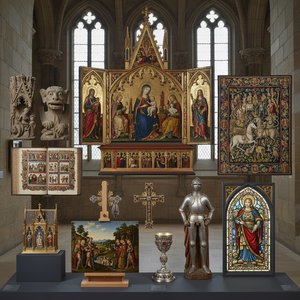
Late Medieval Masterpieces: 10 Artworks That Defined an Era | OriginalUniqueArt
Journey through 10 defining Late Medieval masterpieces – from Giotto's frescoes to Jan van Eyck’s realism. Explore the stories, techniques & vibrant colors of Gothic art. Find museum-quality reproductions and elevate your home decor with OriginalUniqueArt.com! Discover all masterpieces on OriginalUniqueArt.com
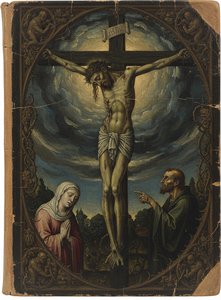
Matthias Grünewald: Devotion, Distortion & Spiritual Turmoil in Renaissance Art
Explore the profound religious art of Matthias Grünewald, master of the Isenheim Altarpiece. Discover his unique expressionism, symbolism & lasting impact on Renaissance painting. A guide for collectors and enthusiasts.

El Greco: 25 Remek-djela Genijalnog Majstora za Uljepšavanje Vašeg Prostora
Uronite u svijet El Greca! Otkrijte 25 remek-djela španjolskog renesansnog genija. Istražite povijest, stil i tehniku ovih ikoničnih slika. Kupite reprodukcije visoke kvalitete za vaš dom na OriginalUniqueArt.com


