
 Naručite reprodukciju Kupi digitalnu sliku
 Pošalji
 Podijeli
 Detalji o umjetničkom djelu
 Dodaj u omiljene

 Preuzmi
 Slični predmeti
 Rentgenska snimka
 Automatska prezentacija
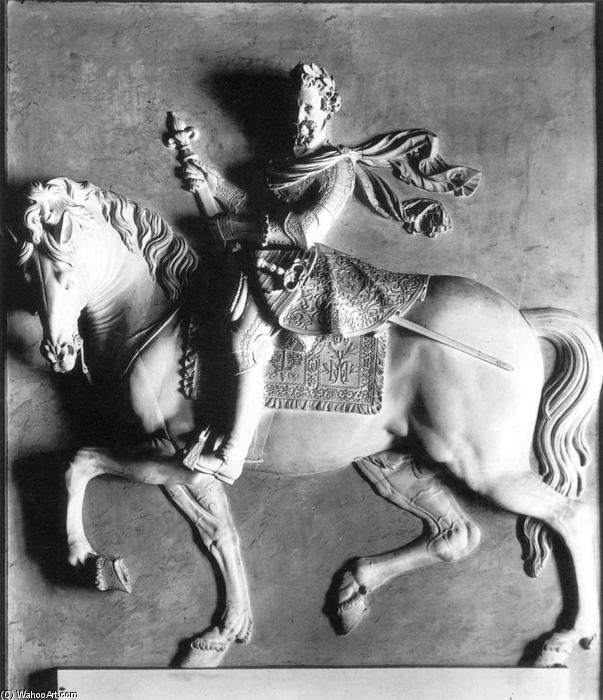
Henry IV

 Prikaži više
Giclée / Umjetnički otisak
Giclée tisak muzejske kvalitete ili otisak na platnu uz brzu proizvodnju i fleksibilne opcije završne obrade.




































Odaberite jednu od naših unaprijed definiranih veličina koje odgovaraju izvornim proporcijama umjetničkog djela.

Možete unijeti vlastite dimenzije kako biste umjetničko djelo prilagodili specifičnom okviru ili prostoru. Ako odabrana veličina ne odgovara proporcijama izvornog rada, izrezat ćemo dio slike ili je proširiti pomoću ogledalnog efekta ili jednobojne rubne površine. Digitalni prikaz (mockup) bit će vam poslan na odobrenje prije početka proizvodnje.
Imajte na umu da pregled na zaslonu ne odražava stvarno izrezivanje ili proširivanje. Samo će mockup točno prikazati konačnu kompoziciju.
Iako su dostupne prilagođene veličine, preporučujemo odabir dimenzije iz unaprijed definirane liste kako biste očuvali izvorne proporcije.
Dostava širom svijeta () u roku od 2 tjedna umjesto standardnih 4/5 tjedana. (23 Srpanj)

Besplatna ekspresna dostava širom svijeta

Visokokvalitetno laneno platno

Potpuno osiguranje dostave

Jamstvo povrata carine i uvoznih poreza

Garancija vjernog podudaranja boja

Politika povrata u roku od 60 dana (samo u slučaju nedostataka)

Jamstvo povrata 100% novca

Popust na više proizvoda
 Opcija stakla dostupna je samo za dimenzije manje od 110 cm

Henry IV
Giclée / Umjetnički otisak
Veličina reprodukcije
-


Ukupna cijena
-
Biografija umjetnika
Mathieu Jacquet: A Renaissance Sculptor Bridging Tradition and Majesty
Mathieu Jacquet, born in Avon, France around 1545, stands as a pivotal figure within the French Renaissance artistic landscape—a sculptor whose meticulous craftsmanship and humanist sensibilities captured the spirit of his era while simultaneously honoring established sculptural conventions. Though biographical details remain somewhat sparse, surviving documentation confirms his prolific output during Henry IV’s reign (1589-1611), cementing his reputation as one of the most celebrated artists of his time. Jacquet's formative years were steeped in the artistic fervor of Dijon, Burgundy—a region renowned for its patronage and burgeoning intellectual curiosity. His father, Jean Jacquet, was a stonemason and sculptor himself, instilling in Mathieu a foundational understanding of material manipulation and sculptural technique. This familial legacy undoubtedly shaped his early artistic inclinations, fostering an appreciation for both classical ideals and the expressive potential inherent within Burgundian sculpture traditions. Evidence suggests he studied under Nicolas Froment, a prominent Dijon sculptor known for his monumental funerary monuments—a crucial exposure to the grandeur and solemnity demanded by aristocratic commissions. Jacquet’s oeuvre is characterized by a remarkable blend of stylistic influences. While firmly rooted in Roman sculptural models—particularly those derived from antiquity—he skillfully incorporated elements of Mannerism, reflecting the anxieties and complexities of the period. This duality manifests itself most notably in his monumental sculptures commissioned for royal palaces and churches, where he achieved breathtaking realism alongside stylized poses and dramatic drapery folds. The sculptor’s meticulous attention to detail—evident in the exquisitely carved musculature of figures and the subtle nuances of facial expressions—demonstrates a mastery of anatomical observation unparalleled by many contemporaries. Among Jacquet's most enduring achievements is undoubtedly his portrait of Henry IV, commissioned for Sainte-Chapelle in Paris. This masterpiece exemplifies Jacquet’s ability to convey psychological depth within a formal sculptural framework. The regal posture and serene countenance of the king are rendered with astonishing accuracy, capturing not merely physical likeness but also an aura of authority and piety—a reflection of Henry IV's ambition to reconcile Protestantism and Catholicism after decades of religious strife. The sculpture’s pyramidal composition reinforces its solemn grandeur, emphasizing the monarch’s divine legitimacy and securing his place in Parisian artistic memory. Furthermore, Jacquet’s influence extended beyond individual commissions; he actively mentored younger sculptors, fostering a tradition of excellence that continued throughout the seventeenth century. His teachings emphasized anatomical precision alongside expressive dynamism—principles that would become hallmarks of French Baroque sculpture. Mathieu Jacquet's legacy resides not only in his stunning artworks but also in his contribution to shaping the artistic sensibilities of an entire generation—a testament to his enduring significance as a sculptor and humanist artist who eloquently embodied the ideals of the Renaissance.
mathieu jacquet
1545 - 1611 , France
Osnovne informacije
- Artistic Movement Or Style: Renaissance Art
- Artists Or Movements Influenced By This Artist: ['Raphael']
- Artists Who Influenced This Artist: ['Michelangelo']
- Date Of Death: 1611
- Full Name: Mathieu Jacquet
- Nationality: French
- Notable Artworks: ['Henry IV Portrait']
- Place Of Birth: Avon, France

