
 Pregledaj u stvarnoj veličini
 Pošalji
 Podijeli
 Detalji o umjetničkom djelu

 Preuzmi
 Slični predmeti
 Rentgenska snimka
 Automatska prezentacija
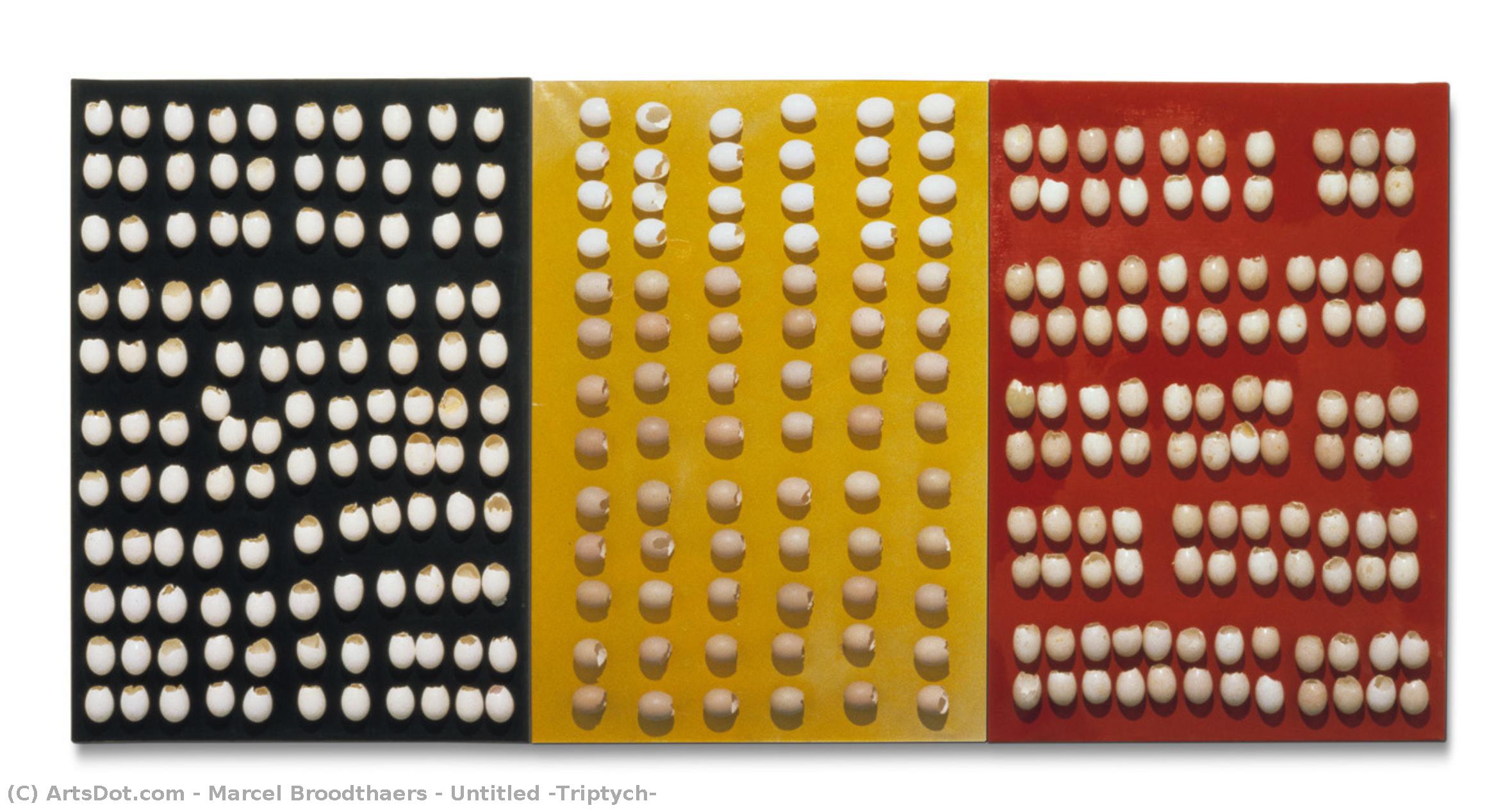
Untitled (Triptych)


 Prikaži više
Kupite digitalnu sliku visoke rezolucije i poboljšane kvalitete, koja je znatno superiornija od online prikaza.
Svaka datoteka pedantno je pripremljena od strane naših internih stručnjaka koristeći napredne alate i vještinsku ručnu retušu. Osiguravamo da svaka slika ima iznimnu jasnoću, preciznu točnost boja i visoku razinu detalja.
Konačna datoteka dostavlja se putem e-pošte u roku od 72 sata, optimizirana za neposrednu upotrebu u profesionalnim, uredničkim i tiskarskim okruženjima. To je ista kvaliteta kojoj vjeruju vrhunski studiji dizajna, izdavači i galerije.
Digitalna slika
Preuzmite datoteku visoke rezolucije za osobnu izložbu, tisak i kreativne projekte. ( Kupi print Kupi ručno naslikanu sliku)
Uključeno uz svaku narudžbu digitalne slike
Profesionalna digitalna dostava, zajamčena
Odabirom OriginalUniqueArt.com ne dobivate samo sliku – dobivate profesionalno unapređeno digitalno umjetničko djelo, izrađeno s najvećom preciznošću uz jamstvo zadovoljstva. Evo svega što automatski dolazi uz vašu narudžbu:

Brza dostava e-poštom
Vaša digitalna slika visoke rezolucije bit će vam poslana e-mailom u roku od 72 sata od narudžbe – spremna za neposrednu upotrebu.

Digitalna datoteka poboljšana AI-om
Vaše umjetničko djelo profesionalno je optimizirano pomoću naprednih AI alata i ručnog uređivanja, čime se osigurava maksimalna razina detalja, oštrine i točnosti boja.

Besplatna ponovna dostava doživotno
Slučajno ste obrisali ili izgubili svoju datoteku? Ne brinite – ponovno ćemo vam je poslati u bilo kojem trenutku, potpuno besplatno.

Bez uvoznih carina – ikada
Uživajte u svojim umjetničkim djelima trenutno, bez carina, pristojbi ili troškova dostave – digitalne datoteke uvijek su oslobođene poreza.

Jamstvo točnosti boja
Uz pomoć profesionalnih alata i upravljanja bojama, osiguravamo da vaša digitalna slika što vjernije odražava izvorne boje.

Jamstvo zadovoljstva u trajanju od 60 dana
Ako niste zadovoljni svojom digitalnom slikom, revidirat ćemo je ili vratiti 100% novca u roku od 60 dana – bez ikakvih pitanja.

100% Jamstvo povrata novca
Niste zadovoljni? Osigurajte puni povrat novca u roku od 60 dana od primitka vaše digitalne datoteke – bez suvišnih pitanja.

Popusti na velike narudžbe
Kupite 3 slike, uštedite 10% - Kupite 5 slika, uštedite 15% - Kupite 10+ slika, uštedite 20%. Odlično za kreativne projekte, galerije i agencije.
Opis kolekcionarskog djela
The Geometry of Thought: Exploring Broodthaers' Untitled (Triptych)
To stand before Marcel Broodthaers’ Untitled (Triptych) is not merely to observe an arrangement of objects; it is to confront a meticulously constructed meditation on order, repetition, and the very nature of documentation. Created in 1966, this triptych transcends simple decoration, operating instead as a profound visual essay. The eye is immediately drawn into the stark, almost obsessive grid formed by countless small white buttons set against a deep, consuming background. This piece embodies the spirit of Conceptual Art, where the idea—the rigorous system behind the arrangement—holds far more weight than any traditional notions of beauty or narrative depth.
A Study in Controlled Abstraction and Materiality
Technically, the work is breathtaking in its restraint. The artist has employed a laborious, almost ritualistic technique, placing each button with painstaking precision to achieve an effect that is both utterly rigid and strangely organic. While the subject matter—buttons—is humble, their collective impact elevates them into abstract signifiers. Notice the subtle variations across the three panels: the initial panel’s stark white against darker accents, followed by a section washed in yellow, and concluding with one touched by red. This chromatic progression, while maintaining an identical underlying structure, suggests a journey or perhaps a sequence of categorized moments. It speaks to the systematic way we organize our lives, our memories, and indeed, our very identities.
Historical Echoes: Bureaucracy and the Archive
Broodthaers’ career was marked by a defiant intellectualism, moving from poetry to an art practice that questioned established norms. Untitled (Triptych) channels this critical energy. The overwhelming sense of grid-like repetition and standardized units—the buttons themselves—inevitably evokes the machinery of bureaucracy, the endless filing cabinets, and the vast, impersonal archives of modern life. It forces us to pause and consider what it means to be cataloged, documented, or categorized by external systems. Is this order comforting, or is it suffocating? Broodthaers leaves that question hanging in the cool, controlled space between the panels.
Emotional Resonance for the Modern Collector
For those seeking art that stimulates the intellect as much as the spirit, this triptych offers a unique dialogue. It possesses an austere beauty—a quiet power that complements sophisticated interiors without ever shouting for attention. Owning a reproduction of Untitled (Triptych) is acquiring not just wall decor, but a conversation starter; it signals an appreciation for conceptual depth and minimalist rigor. The emotional impact lies in the tension between the overwhelming sense of control displayed by the artist and the inherent human desire for meaning beyond mere pattern recognition. It invites contemplation, making any room it graces feel imbued with thoughtful, intellectual gravity.
Biografija umjetnika
A Poet’s Rebellion: The Multifaceted World of Marcel Broodthaers
Marcel Broodthaers, born in Brussels on January 28, 1924, and tragically passing away on the same date in 1976 in Cologne, was not initially an artist in the conventional sense. He began as a poet, deeply immersed in the literary currents of post-war Belgium, navigating a world of Surrealist experimentation and political engagement. For two decades, he struggled to find recognition for his verse, a period marked by financial hardship and a growing disillusionment with the established art world. This early experience—the frustration of unread poems, the precarity of artistic existence—would become the very foundation of his groundbreaking work as a visual artist. It wasn’t until 1963 that Broodthaers embarked on a radical shift, declaring himself an artist in a gesture both defiant and profoundly conceptual. This declaration wasn't born from sudden inspiration but rather from a deliberate act of self-invention, a response to the perceived failures of language itself to convey meaning or achieve lasting impact.From Poetry to Objects: The Birth of a New Aesthetic
The pivotal moment arrived with *Pense-Bête* (Memory Aid), 1964—a sculpture consisting of fifty unsold copies of his poetry collection embedded in plaster. This wasn’t merely the repurposing of failed works; it was a symbolic burial, a critique of the commodification of art and the arbitrary nature of value. Broodthaers famously described this act as an attempt to “implant” meaning into sculpture, ironically suggesting that even failure could be transformed into artistic substance. This initial gesture set the tone for his entire career: a playful yet incisive interrogation of the institutions, conventions, and language surrounding art. He didn’t abandon writing; instead, he integrated it directly into his visual works, often employing wordplay, appropriation, and deliberate misinterpretations to challenge conventional modes of communication. His early exhibitions were accompanied by self-deprecating prefaces—manifestos disguised as apologies—further blurring the lines between artistic creation and cynical commentary. He openly acknowledged the commercial aspects of art, even including percentage breakdowns for gallery commissions in his statements, a move that anticipated the later concerns of institutional critique.The Museum as Metaphor: Deconstructing Authority
Broodthaers’s most ambitious project, *Musée d’Art Moderne, Département des Aigles* (Museum of Modern Art, Department of Eagles), undertaken from 1968 to 1972, stands as a seminal work of conceptual art. This wasn't a traditional museum but rather a nomadic institution that existed in various temporary locations—a rented room, a private apartment, even postcards and catalogues. The “collection” consisted primarily of everyday objects, often eagles (real or represented), furniture, shells, and reproductions of artworks, all presented with the seriousness and authority typically reserved for canonical masterpieces. This deliberate juxtaposition exposed the arbitrary nature of artistic value and the power structures inherent in museum culture. By creating his own museum, Broodthaers simultaneously celebrated and undermined the very concept of institutional legitimacy. He questioned what constitutes art, who decides its worth, and how meaning is constructed within the confines of established systems. The project wasn’t about collecting beautiful objects but rather about deconstructing the mechanisms of collection itself.Influences and Legacy: A Bridge Between Surrealism and Conceptualism
Broodthaers's artistic development was shaped by a diverse range of influences. His early association with the Belgian Surrealists, particularly René Magritte, instilled in him a fascination with language, illusion, and the subversion of everyday reality. However, he moved beyond the purely psychological concerns of Surrealism to embrace a more critical and politically engaged approach. He drew inspiration from literature, philosophy, and semiotics, incorporating these ideas into his visual works. His use of found objects anticipates the Pop Art sensibilities of artists like Andy Warhol, but Broodthaers’s work is distinguished by its intellectual rigor and self-reflexivity.- Conceptual Art: He became a key figure in the development of Conceptual art, prioritizing ideas over traditional aesthetic concerns.
- Institutional Critique: His questioning of museum authority paved the way for later artists who challenged the power structures within the art world.
- Postmodernism: Broodthaers’s ironic detachment and playful appropriation of language and imagery are hallmarks of Postmodern aesthetics.
A Lasting Impact: The Enduring Relevance of a Critical Vision
Marcel Broodthaers's career was tragically cut short by his death in 1976, but his impact on contemporary art remains profound. His work continues to resonate with artists and critics alike, challenging us to question the assumptions we make about art, value, and meaning. He didn’t offer easy answers or definitive statements; instead, he presented a complex and nuanced critique of the world around him, inviting viewers to engage in their own acts of interpretation. His legacy lies not in creating beautiful objects but in prompting us to think critically about the systems that define our understanding of beauty itself. His exploration of language, institutions, and the very nature of artistic creation continues to inspire generations of artists seeking to dismantle conventions and redefine the boundaries of art.
marcel broodthaers
1924 - 1976
Kratke činjenice
- Artistic Movement Or Style: Conceptual Art
- Artists Who Influenced This Artist: ['René Magritte']
- Date Of Birth: January 28, 1924
- Date Of Death: January 28, 1976
- Full Name: Marcel Broodthaers
- Nationality: Belgian
- Notable Artworks:
- Pense-Bête
- Un Coup de Dés Jamais N'Abolira Le Hasard
- Musée d’Art Moderne, Département des Aigles
- Place Of Birth: Brussels, Belgium

