

 Pregledaj u stvarnoj veličini
 Podijeli
 Podijeli
 Detalji
 Vodič
Vodič

 Preuzmi datoteku
 Slični predmeti
 Rentgenska snimka
 Slide show
 Statistika
Carnival in Arcueil


 Pročitajte više
Ručno rađena uljana reprodukcija
Ručno oslikano uljanim bojama na platnu u dimenzijama i okviru po vašem izboru, izrađeno po narudžbi od strane naših umjetnika. ( Prebacite na prodaju printova Prebacite na digitalnu prodaju slika)




P118B €10

P118H €10

P118W €10

P438Z €10

P508JH €12

P508YH €12

P805H €10

P805Z €10

P919BZ €10

P919G €10

P919XJ €10

P959ZH €10

P968JZ €12

W106C €8

W218G €10

W218JH €8

W218Y €10

W307PJ €10

W316G €10

W316PJ €8

W316Y €10

W398PJ €8

W4111J €10

W500HY €15

W500JH €15

W692G €12

W849H €8

W940BG €15

W953PJ €8




Odaberite jednu od naših unaprijed definiranih veličina koje odgovaraju izvornim proporcijama umjetničkog djela.

Možete unijeti vlastite dimenzije kako bi odgovarale određenom okviru ili prostoru. Ako odabrana veličina ne odgovara proporcijama izvorne slike, izrezat ćemo umjetničko djelo ili proširiti sliku dodatnim ručno oslikanim elementima. Digitalni nacrt bit će vam poslan na odobrenje prije početka proizvodnje.
Imajte na umu da pregled na ekranu ne prikazuje stvarno izrezivanje ili proširivanje. Samo će nacrt točno prikazati konačni sastav.
Iako su dostupne prilagođene veličine, preporučujemo odabir dimenzije s preddefiniranog popisa kako bismo očuvali izvorne proporcije.
Nakon narudžbe, tim OriginalUniqueArt.com kontaktirat će klijenta putem e-pošte radi dobivanja uputa te dostaviti probni prikaz (mockup)
Isporuka širom svijeta () u roku od 3-4 tjedna umjesto standardnih 5 tjedana. (8 Listopad). Bez kompromisa u kvaliteti.

Besplatna ekspresna dostava širom svijeta

Visokokvalitetno laneno platno

Potpuno osiguranje transporta

Jamstvo povrata carine i uvoznih poreza

Jamstvo vjernosti boja

Politika povrata u roku od 100 dana (samo u slučaju nedostataka)

Jamstvo povrata 100% novca

Popust na više proizvoda
 Opcija stakla dostupna je samo za dimenzije manje od 110 cm

Carnival in Arcueil
Tehnika izrade
Veličina reprodukcije
-


Ukupna cijena
€ 258
A Burst of Joy: Lyonel Feininger’s “Carnival in Arcueil”
Lyonel Feininger's "Carnival in Arcueil," painted in 1911, isn’t merely a depiction of a festive street scene; it’s a vibrant distillation of Expressionist energy and a testament to the artist’s unique ability to imbue everyday life with an extraordinary sense of movement and emotion. Housed within the Art Institute of Chicago, this oil on canvas transports us to the heart of a Parisian carnival, capturing not just the visual spectacle but also the palpable excitement and slightly surreal atmosphere that defines the moment. Feininger, a German-American painter deeply rooted in both European artistic traditions and American popular culture, masterfully blends elements of Cubism with the passionate intensity of Expressionism, creating an image that is both familiar and strikingly original.
The painting immediately draws the eye to its central figure: a man in black, balancing precariously on one leg while juggling three balls. This dynamic pose isn’t simply illustrative; it embodies the spirit of the carnival itself – a celebration of skill, daring, and joyful abandon. Surrounding him is a throng of figures, rendered with a remarkable degree of detail despite the overall impression of movement. They are not portraits in the traditional sense, but rather archetypes of carnival revelers—a mix of faces, costumes, and gestures that collectively contribute to the painting’s lively energy. The artist's use of color is particularly noteworthy; bold yellows, reds, blues, and greens dominate the palette, creating a dazzling visual effect that mirrors the vibrancy of the event itself.
The Architectural Backdrop: Bridges and Parisian Identity
Beyond the figures, it’s crucial to consider the setting – two prominent bridges that frame the scene. These aren't merely architectural elements; they are integral to the painting’s narrative. Arcueil, a town just south of Paris, was a frequent subject for Feininger, and these bridges became recurring motifs in his work. They represent not only the physical connection between different parts of the city but also a sense of Parisian identity—a blend of urban dynamism and historical heritage. The bridges’ solid forms provide a grounding element to the swirling chaos of the carnival, anchoring the scene within a recognizable, yet subtly stylized, reality.
Feininger's fascination with architecture is evident throughout his oeuvre, reflecting a broader interest in geometric form and spatial relationships. He often depicted buildings not as static objects but as dynamic forces shaping the urban landscape. In “Carnival in Arcueil,” the bridges serve as both structural supports and visual anchors, guiding the viewer’s eye through the composition and contributing to the painting's overall sense of depth and movement.
Expressionist Techniques: Color, Form, and Emotion
The painting’s distinctive style is firmly rooted in Expressionism—a movement that sought to convey subjective emotions rather than objective reality. Feininger achieves this through a number of key techniques. His use of flattened perspective and fragmented forms creates a sense of disorientation and immediacy, as if the viewer is swept up in the carnival's frenetic energy. The colors are applied with thick impasto—a technique that adds texture and physicality to the surface of the canvas—further enhancing the painting’s emotional impact.
Furthermore, Feininger employs a masterful use of color theory. He utilizes contrasting hues to heighten visual interest and create a sense of dynamism. The vibrant yellows and reds of the carnival scene are juxtaposed with cooler blues and greens in the background, generating a powerful visual tension. This interplay of colors not only captures the sensory experience of the carnival but also reflects the artist’s own emotional response to it—a mixture of excitement, wonder, and perhaps even a touch of melancholy.
A Legacy of Modernity: Feininger's Place in Art History
“Carnival in Arcueil” stands as a pivotal work in Lyonel Feininger’s career and a significant example of early 20th-century art. His exploration of urban life, combined with his innovative use of color and form, foreshadowed many of the developments that would characterize modernism. The painting's influence can be seen in the works of later Expressionist artists such as Max Beckmann and Emil Nolde, while its stylistic elements also resonate with the Cubist explorations of Picasso and Braque.
Today, “Carnival in Arcueil” continues to captivate viewers with its vibrant energy and emotional depth. It’s a reminder of the power of art to capture not just what we see but also what we feel—a celebration of joy, movement, and the enduring spirit of human connection.
Pitanja i odgovori
Koliko je godina imao/la Lyonel Feininger u vrijeme stvaranja djela "Carnival in Arcueil"?
Lyonel Feininger je djelu "Carnival in Arcueil" pristupio u dobi od 40 godina. Umjetnik je rođen 1871, a datum stvaranja djela je 1911.
Kolika je intenzitet boja u djelu "Carnival in Arcueil" autora Lyonel Feininger?
"Carnival in Arcueil" autora Lyonel Feininger prikazuje Vivid intenzitet boja.
Koji umjetnik se pripisuje djelu "Carnival in Arcueil"?
"Carnival in Arcueil" je djelo koje je stvorio/la Lyonel Feininger. Informacije na ovoj stranici opisuju izvornu umjetničku temu autora/ice Lyonel Feininger.
Kada je nastalo "Carnival in Arcueil"?
Izrada djela "Carnival in Arcueil" autora Lyonel Feininger datira iz 1911. godine.
Koja je dominantna nijansa u djelu "Carnival in Arcueil" autora Lyonel Feininger?
Dominantna nijansa djela "Carnival in Arcueil" autora Lyonel Feininger je Ochre to Sepia. Ta nijansa predstavlja osnovni ton palete.
Tko je stvorio "Carnival in Arcueil" i u kojem je stilu izvedeno?
"Carnival in Arcueil" je djelo koje je stvorio/la Lyonel Feininger u stilu Expressionism. Umjetnik i umjetnički pravac identificiraju tradiciju ovog djela.
Je li "Carnival in Arcueil" slobodan od autorskih prava?
Što se tiče autorskih prava, "Carnival in Arcueil" je u javnom vlasništvu – autorska prava su istekla.
Biografija umjetnika
Rani život i karijera: Od karikaturista do vrhunskog umjetnika
Lyonel Charles Adrian Feininger rođen je 17. srpnja 1871. godine u New Yorku. Njegov otac, Karl Feininger, bio je njemačko-američki violinist i skladatelj, a majka Elizabeth Feininger američka pjevačica. Ta umjetnička atmosfera snažno je utjecala na njegov rani razvoj. Već s 16 godina odlazi u Europu kako bi studirao glazbu, no ubrzo se preusmjerava prema slikarstvu te pohađa tečajeve crtanja u Hamburgu i Berlinu. Od 1894. godine uspješno gradi karijeru karikaturista za različite njemačke, francuske i američke časopise. Njegovi stripovi poput “The Kin-der-Kids” i “Wee Willie Winkie’s World” postigli su značajnu popularnost i pokazali njegov jedinstveni grafički stil. Nakon dvadeset godina rada u komercijalnoj umjetnosti, Feininger se sa 36 godina posvećuje slobodnom slikarstvu, što predstavlja ključnu prekretnicu u njegovom umjetničkom putu.Ekspresionizam i utjecaj Bauhausa
Feininger postaje vodeći predstavnik ekspresionizma te se pridružuje utjecajnim grupama poput Die Brücke, Novembergruppe i Gruppe 1919. Njegova djela iz tog razdoblja odražavaju naglasak pokreta na emocionalni izraz i subjektivno iskustvo. Prva samostalna izložba u galeriji Sturm u Berlinu 1917. godine bila je ključan trenutak koji ga uspostavlja kao istaknutu figuru u umjetničkom svijetu. Godine 1919., Walter Gropius imenuje Feiningera prvim profesorom na Bauhausu, revolucionarnoj školi umjetnosti i dizajna. Obnaša dužnost voditelja radionice grafike te snažno utječe na brojne studente. Njegov stil karakteriziraju prizmatički razbijene forme, prozirne boje i reference na arhitekturu i more, što ga svrstava u klasični modernizam.Ključna djela i umjetnički razvoj
Tijekom ljetnih odmora na otoku Usedom (1909.-1918.), Feininger stvara brojna morska platna koja prikazuju Baltičko more, pokazujući njegovu evoluciju u slikarstvu. Neka od njegovih značajnijih djela uključuju “Werder I” (akvarel), “Gaberndorf II” (papir) i “Brodovi” (ulje na platnu). Ova djela predstavljaju jedinstvenu kombinaciju ekspresionističkih tehnika i arhitektonskih motiva. Između 1928. i sredine 1950-ih, Feininger je stvorio značajan opus fotografskog rada koji demonstrira njegovu svestranost kao umjetnika. Osim slikarstva, bavio se i glazbom te skladao nekoliko klavirskih skladbi i fuga za orgulje, otkrivajući još jednu stranu svog umjetničkog talenta.Kasnije godine i nasljeđe
Uslijed uspona nacističke partije 1933. godine, Feininger emigrira u Sjedinjene Američke Države sa suprugom. Nastavlja slikati i stvarati umjetnost tijekom cijelog života, zadržavajući prepoznatljiv stil. Lyonel Feininger umire 13. siječnja 1956. godine. Njegovo djelo ostavilo je neizbrisiv trag u svijetu umjetnosti, nadahnjujući umjetnike i ljubitelje umjetnosti jedinstvenom kombinacijom ekspresionizma, grafičkog eksperimentiranja i arhitektonskih motiva. Kao ključna figura u ekspresionizmu i pokretu Bauhaus, Feiningerov doprinos značajno je oblikovao tijek moderne umjetnosti. Njegova inovativna upotreba boje, forme i perspektive nastavlja oduševljavati publiku i danas.
Lyonel Feininger
1871 - 1956 , Sjedinjene Američke Države
Brzi pregled
- Artistic Movement Or Style: Ekspresionizam, Kubizam
- Artists Or Movements Influenced By This Artist: ['Bauhaus pokret']
- Date Of Birth: 17. srpnja 1871.
- Date Of Death: 13. siječnja 1956.
- Full Name: Lyonel Charles Adrian Feininger
- Nationality: Njemačko-američki
- Notable Artworks:
- Werder I
- Gaberndorf II
- Boats
- Place Of Birth: New York, SAD
Povezani članci

Lyonel Feininger: Bridging Expressionism & Cubism – A Study of Spiritual Geometry
Explore the captivating world of Lyonel Feininger, a pivotal figure bridging Expressionism & Cubism. Discover his architectural visions, Bauhaus influence, and enduring legacy in modern art history. Learn more at OriginalUniqueArt.

Figurative Expressionism: Emotional Intensity & Subjective Reality in 20th-Century Art
Explore the powerful world of Figurative Expressionism with OriginalUniqueArt. Discover key artists like Kirchner & Beckmann, understand its emotional depth, and learn how to collect this influential 20th-century art movement.
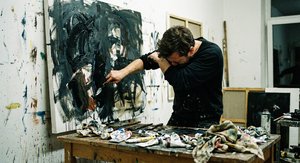
The Raw Emotion of Expressionism: A Deep Dive into its History, Characteristics & Enduring Influence
Explore the raw emotion of Expressionism with OriginalUniqueArt. Discover its history, key artists like Kirchner & Munch, and lasting influence on modern art. Expert insights for collectors & enthusiasts.
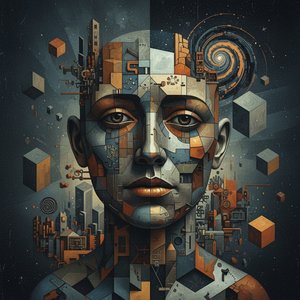
Deconstructing Reality: Cubist Expressionism's Aesthetic & Philosophical Foundations
Explore the profound aesthetic & philosophical foundations of Cubist Expressionism. Discover key artists, movements, and lasting influence on modern art history. A guide for discerning collectors.

German Expressionism's 10 Defining Masterpieces | Art for Your Home
Explore 10 defining German Expressionism masterpieces – from Munch's 'The Scream' to Kandinsky’s abstracts. Discover the artists, stories & bold colors behind this powerful art movement. Find museum-quality reproductions at OriginalUniqueArt.com.