
 Pregledaj u stvarnoj veličini
 Pošalji
 Podijeli
 Detalji o umjetničkom djelu

 Preuzmi
 Slični predmeti
 Rentgenska snimka
 Automatska prezentacija
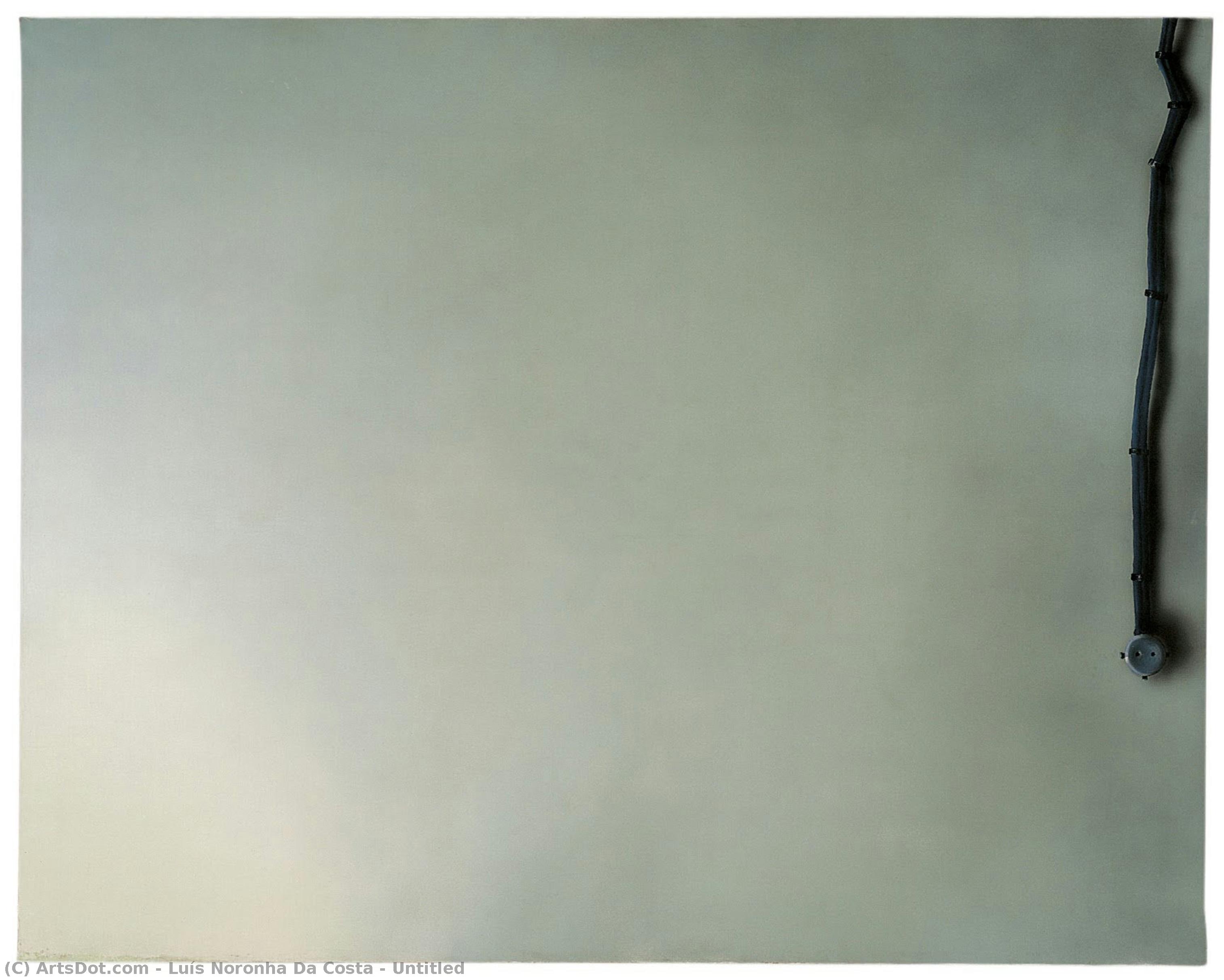
Untitled
 1972
1972 160.0 x 200.0 cm
 Culturgest - Fundação Caixa Geral de Depósitos
 Prikaži više
Kupite digitalnu sliku visoke rezolucije i poboljšane kvalitete, koja je znatno superiornija od online prikaza.
Svaka datoteka pedantno je pripremljena od strane naših internih stručnjaka koristeći napredne alate i vještinsku ručnu retušu. Osiguravamo da svaka slika ima iznimnu jasnoću, preciznu točnost boja i visoku razinu detalja.
Konačna datoteka dostavlja se putem e-pošte u roku od 72 sata, optimizirana za neposrednu upotrebu u profesionalnim, uredničkim i tiskarskim okruženjima. To je ista kvaliteta kojoj vjeruju vrhunski studiji dizajna, izdavači i galerije.
Digitalna slika
Preuzmite datoteku visoke rezolucije za osobnu izložbu, tisak i kreativne projekte. ( Kupi print Kupi ručno naslikanu sliku)
Uključeno uz svaku narudžbu digitalne slike
Profesionalna digitalna dostava, zajamčena
Odabirom OriginalUniqueArt.com ne dobivate samo sliku – dobivate profesionalno unapređeno digitalno umjetničko djelo, izrađeno s najvećom preciznošću uz jamstvo zadovoljstva. Evo svega što automatski dolazi uz vašu narudžbu:

Brza dostava e-poštom
Vaša digitalna slika visoke rezolucije bit će vam poslana e-mailom u roku od 72 sata od narudžbe – spremna za neposrednu upotrebu.

Digitalna datoteka poboljšana AI-om
Vaše umjetničko djelo profesionalno je optimizirano pomoću naprednih AI alata i ručnog uređivanja, čime se osigurava maksimalna razina detalja, oštrine i točnosti boja.

Besplatna ponovna dostava doživotno
Slučajno ste obrisali ili izgubili svoju datoteku? Ne brinite – ponovno ćemo vam je poslati u bilo kojem trenutku, potpuno besplatno.

Bez uvoznih carina – ikada
Uživajte u svojim umjetničkim djelima trenutno, bez carina, pristojbi ili troškova dostave – digitalne datoteke uvijek su oslobođene poreza.

Jamstvo točnosti boja
Uz pomoć profesionalnih alata i upravljanja bojama, osiguravamo da vaša digitalna slika što vjernije odražava izvorne boje.

Jamstvo zadovoljstva u trajanju od 60 dana
Ako niste zadovoljni svojom digitalnom slikom, revidirat ćemo je ili vratiti 100% novca u roku od 60 dana – bez ikakvih pitanja.

100% Jamstvo povrata novca
Niste zadovoljni? Osigurajte puni povrat novca u roku od 60 dana od primitka vaše digitalne datoteke – bez suvišnih pitanja.

Popusti na velike narudžbe
Kupite 3 slike, uštedite 10% - Kupite 5 slika, uštedite 15% - Kupite 10+ slika, uštedite 20%. Odlično za kreativne projekte, galerije i agencije.
Opis kolekcionarskog djela
Biografija umjetnika
Luís Noronha da Costa: Architect of Illusion and Light
Luís Noronha da Costa (1942-2020) emerged from the vibrant, evolving art scene of 1960s Portugal as a singular voice – an architect of illusion, master of translucent materials, and a profound explorer of perception. Born in Lisbon, his artistic journey began with a formal grounding in architecture at the Escola Superior de Belas Artes, a foundation that profoundly shaped his later work, informing his meticulous attention to space, form, and the interplay of light. Noronha da Costa wasn’t simply painting; he was constructing experiences, inviting viewers into layered realities where the familiar blurred and the tangible dissolved into shimmering mirages. His legacy rests not just in finished artworks but in the very way he challenged our understanding of visual experience.Early Years and Artistic Beginnings
Noronha da Costa’s early career unfolded with a quiet intensity, marked by a deliberate exploration of materials and techniques. He began exhibiting his collages in 1962, quickly establishing himself within the Lisbon art community. These initial works demonstrated an inherent fascination with transparency and reflection – a seed that would blossom into his signature style. The influence of European modernism, particularly the work of artists like René Magritte, is subtly present, yet Noronha da Costa forged his own distinct path, moving beyond mere imitation to develop a deeply personal language. His 1969 representation at the São Paulo Biennial was a pivotal moment, bringing him international recognition and solidifying his position as a leading figure in contemporary Portuguese art. This achievement underscored not just his individual talent but also Portugal’s burgeoning artistic identity on the global stage.The Language of Translucence: Technique and Materials
Noronha da Costa's most distinctive characteristic lies in his masterful manipulation of translucent materials, primarily glass and mirrors. He didn’t merely incorporate these elements; he treated them as active participants in the creation of his works, employing a technique that can be described as “anti-painting.” He utilized spray guns to create layered washes of color – often muted blues, greens, and greys – on these surfaces, generating an effect of diffused light and shadow. This process deliberately obscured the underlying forms, creating a sense of depth and ambiguity. The resulting images are not sharply defined representations but rather evocative atmospheres, suggesting multiple perspectives simultaneously. His use of mirrors amplified this effect, multiplying reflections and further destabilizing the viewer’s perception of reality. Noronha da Costa wasn't interested in replicating the world; he was interested in revealing its inherent complexities and contradictions through a carefully orchestrated dance of light and reflection.Sculptural Explorations and Cinematic Influences
While often categorized as a painter, Noronha da Costa’s artistic practice extended beyond canvas and into the realm of sculpture. As documented by his exploration in Google Arts & Culture, his small sculptures – frequently incorporating mirrors and glass – functioned similarly to his paintings: they were constructions designed to generate optical illusions and challenge conventional spatial understanding. These works, described as “magical” by those who experienced them, demonstrated a remarkable sensitivity to the principles of perspective and refraction. Furthermore, Noronha da Costa’s early engagement with experimental cinema—evident in his use of film-like textures and techniques—suggests a broader interest in exploring the relationship between image, time, and perception. This cross-disciplinary approach further enriched his artistic vocabulary and contributed to the unique character of his oeuvre.Legacy and Recognition
Luís Noronha da Costa’s work remained largely underappreciated during much of his career, a poignant example of an artist overlooked in the shifting sands of cultural priorities. Despite critical acclaim early on – including awards from the AICA and the European Painting Prize – he experienced a period of relative obscurity, particularly following the tragic loss of his muse, Noémia Cacho Rodrigues. However, this “oblivion,” as he himself described it, was ultimately followed by a renewed recognition of his significance. Retrospective exhibitions at institutions like the Centro Cultural de Belém and the Serralves Museum in Porto brought his work to a wider audience, solidifying his place within the canon of Portuguese contemporary art. His works are now held in important collections across Europe and beyond, ensuring that Noronha da Costa’s innovative vision continues to resonate with viewers today. His influence can be seen in artists who continue to explore the boundaries of perception and the transformative power of light and reflection.
luís noronha da costa
1942 - 2020 , Portugal
Kratke činjenice
- Artistic Movement Or Style: Translucent materials
- Date Of Birth: 1942
- Date Of Death: 2020
- Full Name: luís noronha da costa
- Nationality: Portuguese
- Notable Artworks:
- Untitled D7EH99
- Untitled D7EFDW
- Place Of Birth: Lisbon, Portugal

