Pregledaj u stvarnoj veličini
 Podijeli
 Podijeli
 Detalji
 Vodič
Vodič

 Preuzmi datoteku
 Slični predmeti
 Rentgenska snimka
 Slide show
 Statistika
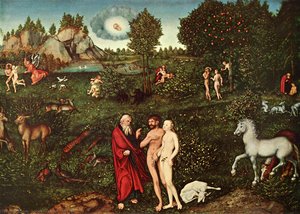
The Paradise
 Ulje na panelu
- German Renaissance
 1530
1530 81.0 x 114.0 cm
 Kunsthistorisches Museum
 Pročitajte više
Giclée / Umjetnički otisak
Giclée tisak muzejske kvalitete ili otisak na platnu uz brzu proizvodnju i fleksibilne opcije završne obrade. ( Naručite ručno oslikano reprodukciju Prebacite na digitalnu prodaju slika)




P118B €10

P118H €10

P118W €10

P438Z €10

P508JH €12

P508YH €12

P805H €10

P805Z €10

P919BZ €10

P919G €10

P919XJ €10

P959ZH €10

P968JZ €12

W106C €8

W218G €10

W218JH €8

W218Y €10

W307PJ €10

W316G €10

W316PJ €8

W316Y €10

W398PJ €8

W4111J €10

W500HY €15

W500JH €15

W692G €12

W849H €8

W940BG €15

W953PJ €8




Odaberite jednu od naših unaprijed definiranih veličina koje odgovaraju izvornim proporcijama umjetničkog djela.

Unesite širinu i visinu koja vam je potrebna, kako bi odgovarali vašem okviru ili zidu. Print se može samo izrezati, nikada ne može biti veći od slike, stoga veličina s drugačijim oblikom gubi dio slike. Šaljemo vam digitalni prikaz (mockup) na odobrenje prije bilo kakve štampe. Slika prikazana na ovoj stranici ne prikazuje stvarni rez — to čini samo digitalni prikaz.
Dostava širom svijeta () u roku od 2 tjedna umjesto standardnih 4/5 tjedana. (21 Listopad)

Besplatna ekspresna dostava širom svijeta

Visokokvalitetno laneno platno

Potpuno osiguranje transporta

Jamstvo povrata carine i uvoznih poreza

Jamstvo vjernosti boja

Politika povrata u roku od 100 dana (samo u slučaju nedostataka)

Jamstvo povrata 100% novca

Popust na više proizvoda
 Opcija stakla dostupna je samo za dimenzije manje od 110 cm

The Paradise
Giclée / Umjetnički otisak
Veličina reprodukcije
-


Ukupna cijena
€ 70
A Renaissance Tableau of Divine Grace: Exploring "The Paradise"
Lucas Cranach the Elder’s “The Paradise,” painted in 1530, isn't merely a depiction of a biblical scene; it’s a carefully constructed dialogue between faith, mythology, and the burgeoning anxieties of the Reformation. Housed within the Kunsthistorisches Museum in Vienna, this oil-on-panel masterpiece transcends its religious subject matter to become a profound meditation on humanity’s relationship with God, temptation, and redemption. Cranach masterfully blends the formality of Northern Renaissance portraiture with the vibrant color palette and dynamic composition characteristic of his era, creating an image that simultaneously invites contemplation and draws the viewer into its intricate narrative.

At the heart of “The Paradise” stands a striking figure: a man, clad in arresting crimson robes, holding a child nude against his chest. This central scene immediately commands attention, drawing us into a moment of profound intimacy and vulnerability. The red, a color often associated with royalty, sacrifice, and divine authority, elevates this father-son tableau to a position of symbolic importance. Surrounding them is a carefully orchestrated gathering – kneeling figures, standing attendants, and even a powerful horse positioned on the right, adding an element of dynamism and perhaps hinting at earthly power and dominion. Cranach’s skill lies not just in rendering individual forms with meticulous detail but also in creating a palpable sense of atmosphere; the lighting, the positioning of the figures, all contribute to a feeling of solemn reverence.
Symbolism Woven into the Fabric of Faith
Beyond its immediate depiction of Adam and Eve’s expulsion from Paradise, “The Paradise” is rich in symbolic layers. The horse, frequently associated with pagan deities like Mars, can be interpreted as a reminder of humanity's fallen state – a connection to earthly desires and temptations that led to their expulsion from Eden. The figures kneeling represent the faithful, seeking solace and guidance within the divine realm. Cranach subtly incorporates elements of classical mythology, suggesting a continuity between the biblical narrative and the broader human story. The very act of holding the child is laden with meaning: it represents both the promise of new life and the responsibility of nurturing faith – a theme central to the Reformation’s emphasis on personal piety.
Technique and Artistic Innovation
Cranach's mastery of oil paint on panel is evident in every brushstroke. The rich, layered textures, the subtle gradations of color, and the remarkable detail with which he renders fabrics and skin tones demonstrate his technical virtuosity. He was a pioneer in utilizing this medium to achieve both luminous effects and intricate realism. Cranach’s ability to balance detailed observation with expressive gesture is particularly noteworthy; the figures are not merely representations but seem imbued with genuine emotion. The composition itself, carefully balanced and meticulously arranged, reflects Cranach's deep understanding of perspective and his desire to create a visually compelling and intellectually stimulating work.
A Legacy of Religious Art and Reformation
“The Paradise” stands as a pivotal work in Lucas Cranach the Elder’s oeuvre and a significant example of German Renaissance art. It reflects the complex religious and political landscape of his time, embodying both Catholic tradition and the emerging Protestant ideals. Cranach's willingness to engage with the Reformation through his art cemented his place as a key figure in shaping the visual language of the era. Today, reproductions of “The Paradise” offer a captivating glimpse into this pivotal moment in history, inviting viewers to contemplate timeless themes of faith, temptation, and redemption – themes that continue to resonate powerfully across centuries.
Pitanja i odgovori
Koja su prava na reprodukciju djela "The Paradise" u muzeju Kunsthistorisches Museum?
Status autorskih prava za djelo "The Paradise" autora Лукас Кранх Старши je jasan: rad pripada u javnom vlasništvu – autorska prava su istekla. Njegovo prisustvo u muzeju Kunsthistorisches Museum ne mijenja taj status.
Koja su tehnika i datum nastanka djela "The Paradise" autora Лукас Кранх Старши?
"The Paradise" je nastalo 1530 godine koristeći tehniku Ulje na panelu. Materijal i datum opisuju kako i kada je originalstvo izrađeno.
Koji umjetnički pravac obuhvaća "The Paradise" autora Лукас Кранх Старши?
"The Paradise" autora Лукас Кранх Старши pripada pokretu German Renaissance. Ovaj pokret pruža stilski kontekst djela.
Biografija umjetnika
Renesansni majstor Saksonije: Život i umjetnost Lukasa Kranacha Starijeg
Lucas Cranach Stariji, rođen u Kronachu u Njemačkoj oko 1472. godine, predstavlja ključnu figuru njemačke renesanse. Njegov život odvijao se tijekom razdoblja ogromnih religijskih i političkih previranja, a njegova je umjetnost postala neraskidivo povezana i s usincujućom protestantskom reformacijom i raskošnim dvorevima kojima je služio. Početno podučav 따라 njegov otac, Hans Maler, Cranachov rani umjetnički razvoj ostaje donekle obavijen misterijom, iako su utjecaji južnonjemačkih majstora evidentni u njegovom evoluirajućem stilu. Brzo se istaknuo ne samo kao vješt majstor, već i kao umjetnik sposoban uhvatiti psihološku dubinu uz tehničku preciznost – kvalitete koje će uskoro privući pažnju moćnih pokrovitelja. Godine 1s04. ušao je u službu Friedricha III., izbornika Saksonije, što je bio odnos koji će definirati veći dio njegove karijere i osigurati mu stabilnost te pristup utjecajnim krugovima. Ovo imenovanje za dvorskog slikara u Wittenbergu nije se svodilo samo na stvaranje dekorativnih djela; ono je Kranacha postavilo u samo srce jednog od najtransformativnijih pokreta u europskoj povijesti.Pokroviteljstvo, Reformacija i umjetničke inovacije
Cranachov položaj unutar saksonskog dvora pokazao se presudnim ne samo za njegov život, već i za njegov umjetnički razvoj. On nije samo dokumentirao događaje; on je aktivno oblikovao vizualne narative u vrijeme dubokih promjena. Njegovo najtrajnije naslijeđe je, moglo bi se reći, njegova bliska povezanost s Martinom Lutherom, središnjom figurom protestantske reformacije. Cranach je stvorio ne manje od jedanaest portreta Luthera, od kojih svaki nudi jedinstven uvid u reformatorovu osobnost i njegovu evoluirajuću ulogu. To nisu bili puki portreti; to su bile pažljivo konstruirane slike dizajnirane da projektiraju autoritet, pobožnost i intelektualnu snagu – esencijalne kvalitete za vođu koji izaziva utvrđeni religijski poredak. Nadilazeći portretstvo, Cranach je preveo teologiju reformacije u vizualni oblik, proizvodeći drvoreze i slike koje su široko širile protestantske ideje. Njegovi prikazi biblijskih scena udaljavali su se od tradicionalne katoličke ikonografije, naglašavajući izravnu povezanost s pismom i poticaoći osobniji odnos između vjernika i vjere. Objavljenje Joachimu, primjerice, zrači radosnim duhom, odražavajući novi naglasak na individualnoj pobožnosti unutar reformirane crkve. Ovaj inovativni pristup protezao se izvan religijskih tema; Cranachove mitološke slike, poput prikaza Venere i drugih klasičnih figura, često su nosile alegorijska značenja relevantna suvremenim političkim i društvenim pitanjima.Dinastija radionice: Stil i tehnika
Lucas Cranach Stariji nije bio usamljeni umjetnik koji radi u izolaciji. Vodio je iznimno produktivnu radionicu, zapošljavajući brojne pomoćnike i šegrta koji su značajno doprinijeli njegovom opusu. Ovaj kolaborativni pristup značio je da su mnogi radovi pripisani Cranachu zapravo nastali pod njegovim vodstvom ili od strane članova njegovog kruga – uključujući njegovog sina, Lucasa Kranacha Mlađeg. Radionica obitelji Cranach postala je poznata po svom prepoznatljivom stilu: elegantnim figurama s izduženim proporcijama, živopisnim bojama i pedantnom pažnjom prema detaljima. Njegova tehnika uključivala je kombinaciju slikanja uljanim bojama, drvoreza i gravure, što mu je omogućilo da dopre do široke publike putem originalnih umjetničkih djela, ali i pristupačnih printova. Lov na srne u izborničkom Friedrichu III. Mudrom primjer je njegovog majstorstva u stilu sjeverne renesanse, prikazujući detaljni realizam uz plemeniti simbolizam. Kompozicija je dinamična, hvata energiju lova dok istovremeno prenosi moć i status izbornika. Cranachova upotreba svjetla i sjene stvara osjećaj dubine i atmosfere, uvlačeći gledatelja u scenu. Njegovi su portreti podjednako uvjerljivi, okarakterizirani psihološkim uvidom i rafiniranom izvedbom.Naslijeđe i trajni utjecaj
Lucas Cranach Stariji umro je 1553. godine, ostavivši iza sebe izvanredno umjetničko naslijeđe koje i danas odjekuje. Bio je majstor portretizma, vješt tumač religijskih tema i proračunat poslovni čovjek koji je razumio moć vizualne komunikacije. Njegovo djelo ne samo da odražava kulturne i intelektualne struje svog vremena, već je pomoglo i u njihovom oblikovanju. Radionica obitelji Cranach nastavila je cvjetati i nakon njegove smrti, osiguravajući da se njegov stil i tehnike prenose generacijama. Njegov utjecaj može se vidjeti u djelima brojnih kasnijih umjetnika, a njegove slike ostaju iznimno tražene od strane kolekcionara i muzeja širom svijeta. Od ikoničnih portreta Martina Luthera do očaravajućih mitoloških scena, Cranachova umjetnost nudi fascinantan prozor u svijet njemačke renesanse – svijet obilježen dubokim duhovnim ispitivanjem i umjetničkom inovacijom. Njegova sposobnost spajanja religiozne žarene strasti, političke snalažljivosti i umjetničkog talenta učvrstila je njegovo mjesto kao jednog od najvažnijih umjetnika svoje ere, a njegov doprinos nastavlja inspirirati i očaravati publiku stoljećima kasnije.
Лукас Кранх Старши
1472 - 1553 , Njemačka
Brzi pregled
- Artistic Movement Or Style: German Renaissance
- Artists Who Influenced This Artist: ['Hans Maler']
- Date Of Birth: 1472
- Full Name: Lucas Cranach the Elder
- Nationality: German
- Notable Artworks:
- Stag Hunt
- Self-Portrait
- Annunciation to Joachim
- Place Of Birth: Kronach, Germany
Povezani članci

German Expressionism's 10 Defining Masterpieces | Art for Your Home
Explore 10 defining German Expressionism masterpieces – from Munch's 'The Scream' to Kandinsky’s abstracts. Discover the artists, stories & bold colors behind this powerful art movement. Find museum-quality reproductions at OriginalUniqueArt.com.
The Northern Awakening: Artistic Innovation & Cultural Transformation in the German Renaissance
Explore the artistic innovation of the German Renaissance! Discover Dürer, the Danube School & Reformation art. Learn about techniques, materials & lasting influence. Find museum-quality reproductions at OriginalUniqueArt.
Sacred Narratives on Canvas: Exploring Religious Painting Through History
Explore the rich history of religious painting with OriginalUniqueArt.com! Discover iconic artworks, symbolism & techniques from antiquity to the Renaissance. Enhance your art appreciation today.
Sacred Narratives Embodied: A Comprehensive Exploration of Religious Iconography in Art History
Explore the rich history of religious iconography in art! Discover symbolism, movements & masterpieces from Byzantine to Renaissance periods. Expert insights for collectors and enthusiasts at OriginalUniqueArt.
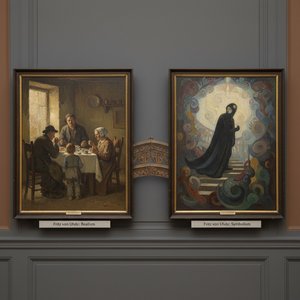
Fritz von Uhde: Bridging Realism & Symbolism in Late 19th-Century German Painting
Explore the captivating world of Fritz von Uhde, a pivotal German painter bridging Realism & Symbolism. Discover his plein-air techniques, religious themes, and influence on modern art. Learn about this fascinating artist at OriginalUniqueArt.