

 Pregledaj u stvarnoj veličini
 Podijeli
 Podijeli
 Detalji
 Vodič
Vodič

 Preuzmi datoteku
 Slični predmeti
 Rentgenska snimka
 Slide show
 Statistika
Paraphrase
 Oil On Canvas
- WallArt
- Impressionism
 1907
1907 87.0 x 65.0 cm
 Kunsthaus Buhler
 Pročitajte više
Giclée / Umjetnički otisak
Giclée tisak muzejske kvalitete ili otisak na platnu uz brzu proizvodnju i fleksibilne opcije završne obrade. ( Naručite ručno oslikano reprodukciju Prebacite na digitalnu prodaju slika)




P118B €10

P118H €10

P118W €10

P438Z €10

P508JH €12

P508YH €12

P805H €10

P805Z €10

P919BZ €10

P919G €10

P919XJ €10

P959ZH €10

P968JZ €12

W106C €8

W218G €10

W218JH €8

W218Y €10

W307PJ €10

W316G €10

W316PJ €8

W316Y €10

W398PJ €8

W4111J €10

W500HY €15

W500JH €15

W692G €12

W849H €8

W940BG €15

W953PJ €8




Odaberite jednu od naših unaprijed definiranih veličina koje odgovaraju izvornim proporcijama umjetničkog djela.

Unesite širinu i visinu koja vam je potrebna, kako bi odgovarali vašem okviru ili zidu. Print se može samo izrezati, nikada ne može biti veći od slike, stoga veličina s drugačijim oblikom gubi dio slike. Šaljemo vam digitalni prikaz (mockup) na odobrenje prije bilo kakve štampe. Slika prikazana na ovoj stranici ne prikazuje stvarni rez — to čini samo digitalni prikaz.
Dostava širom svijeta () u roku od 2 tjedna umjesto standardnih 4/5 tjedana. (21 Listopad)

Besplatna ekspresna dostava širom svijeta

Visokokvalitetno laneno platno

Potpuno osiguranje transporta

Jamstvo povrata carine i uvoznih poreza

Jamstvo vjernosti boja

Politika povrata u roku od 100 dana (samo u slučaju nedostataka)

Jamstvo povrata 100% novca

Popust na više proizvoda
 Opcija stakla dostupna je samo za dimenzije manje od 110 cm

Paraphrase
Giclée / Umjetnički otisak
Veličina reprodukcije
-


Ukupna cijena
€ 70
Lovis Corinth’s ‘Paraphrase’: A Moment Frozen in Impressionistic Light
Lovis Corinth's “Paraphrase,” painted in 1907, isn’t merely a portrait; it’s an exquisitely crafted distillation of Impressionist ideals—a visual poem capturing the fleeting beauty of a tranquil outdoor scene and the contemplative gaze of its subject. Measuring 87 x 65 cm, this oil painting on canvas immediately draws the eye with its luminous palette and masterful brushwork, transporting viewers back to the cusp of the 20th century’s artistic revolution.Subject Matter & Composition: The Essence of Serenity
The artwork depicts a woman seated outdoors amidst lush foliage—a deliberate choice reflecting Corinth's fascination with nature as both inspiration and symbol. Her posture exudes calmness and introspection, suggesting she is lost in thought while observing the surrounding greenery. Corinth skillfully simplifies the composition, prioritizing the woman’s face and upper torso, allowing the blurred background to contribute significantly to depth and atmosphere. This technique—characteristic of Impressionism—emphasizes capturing a sensory experience rather than striving for photographic accuracy. The artist's focus isn't on detailed representation but on conveying an emotional resonance.Style & Technique: Impressionistic Brushstrokes Speak Volumes
“Paraphrase” embodies the core tenets of Impressionism, prioritizing light and color above all else. Corinth achieves this through loose, visible brushstrokes—a hallmark of his style—creating a palpable sense of movement and vibrancy. Thick impasto is particularly prominent on the white dress and foliage, adding textural richness and enhancing the illusion of depth. Lines are predominantly short and broken, delineating forms without rigidly defining them; shapes are organic and amorphous, mirroring the ephemeral qualities of light and air. Corinth’s meticulous layering of paint—a technique honed during his Parisian years—creates an impressionistic effect that prioritizes capturing a fleeting moment in time.Historical Context & Artistic Influences
Painted at the dawn of the 20th century, “Paraphrase” sits squarely within the burgeoning artistic landscape of Berlin Secession. Corinth’s work aligns with the broader movement's rejection of academic conventions and embrace of subjective experience—a reaction against the rigid formalism of earlier generations. He drew inspiration from Impressionist masters like Monet and Renoir, adapting their techniques to express his own distinctive vision. The painting reflects a desire to move beyond mere depiction toward conveying emotion and capturing the intangible beauty of nature.Symbolism & Emotional Impact: Beyond Surface Appearance
The woman’s serene expression and contemplative gaze invite contemplation on themes of inner peace and observation—powerful concepts resonating throughout Corinth's oeuvre. The white dress symbolizes purity and innocence, juxtaposed against the darker tones of the foliage, perhaps hinting at a subtle melancholy or awareness of mortality. Ultimately, “Paraphrase” succeeds in capturing not just an image but a feeling—a beautifully rendered testament to the Impressionist pursuit of artistic truth through sensory perception. It’s a piece that lingers in the mind long after viewing, prompting reflection on beauty and stillness amidst the complexities of life.Pitanja i odgovori
Kako mogu preuzeti sliku djela "Paraphrase" autora Lovis Corinth?
Preuzimanje je dostupno za "Paraphrase": stranica Preuzimanje umjetninog djela nudi preuzimanje digitalne slike visoke rezolucije.
Tko je stvorio "Paraphrase"?
Autor djela "Paraphrase" je Lovis Corinth. Rad je katalogiziran pod imenom Lovis Corinth.
Preporučena veličina i orijentacija za tisak djela "Paraphrase" – koja je preporučena veličina i koji položeni format?
Preporučuje se ispis djela "Paraphrase" autora Lovis Corinth u veličini Large i Portrait orijentaciji.
Biografija umjetnika
Život utkan u boje: Svijet Lovisa Cornitha
Lovis Corinth, rođen kao Franz Heinrich Louis 21. srpnja 1858. u pruskoberskoj pokrajini Istočna Pruska, bio je lik koji je utjelovio prevrtljivu tranziciju umjetničkog svijeta iz 19. u rano 20. stoljeće. Njegovo putovanje nije bilo obilježeno trenutnim priznanjem, već postepenom evolucijom potpomognutom neumornim proučavanjem, raznolikim utjecajima i, naposljetku, osobnim tragedijama. Corinthovi počeci bili su ukorijenjeni u ruralnim krajolozima rodnog mjesta Tapiau, gdje je njegov otac radio kao šegrt kožara. To rano izlaganje fizičkoj težini rada i siroj ljepoti prirode suptilno bi prožimalo njegovo kasniji rad, čak i usred složenijih stilskih istraživanja. Prvobno je započeo studije na Akademiji u Königsbergu 1876., ali je brzo shvatio da sama akademska tradicija neće zadovoljiti njegove umjetničke ambicije. Uslijedio je period putovanja koji ga je vodio u München, Antverpen i napokon u Pariz – pri čemu je svaki grad služio kao ključna prekretnica u njegovom razvoju. U Münchenu je upijao pedantni realizam koji je zagovorio Ludwig von Löfftz, usavršavajući svoje vještine promatranja i ovladavajući tehnikom. Antverpen ga je upoznao s dramatičnim baroknim intenzitetom Rubensa, dok ga je Pariz izložio usrednje impresionističkom pokretu, iako je njegov početni odgovor bio više oprezno promatranje nego trenutno prihvaćanje.Od naturalizma do sinteze stilova
Umjetnički razvoj Cornitha nisu obilježile brze revolucije, već postepena asimilacija i sinteza raznolikih utjecaja. Njegov rani rad naginjao je snažno prema naturalizmu, odražavajući tadašnje prevladavajuće akademske standarde. Kolaža poput „U mesnici” (1878), s njegovim nepokolebljivim prikazom životinjskih trupla, pokazuju tu predanost realističkom predstavljanju, no čak i ovdje počinje izbijati mlada emocionalna intenzitetnost. Sama tema – jeziva i visceralna – nagovještava spremnost na suočavanje s neugodnim istinama, što je karakteristika koja će postati sve izraženija u njegovim kasnijim radovima. Vrijeme provedeno proučavajući stare majstore, posebno Rubensa, u njemu je usadilo ljubav prema dinamičnoj kompoziciji i ekspresivnom potezu četkice. Ipak, upravo je njegovo susret s impresionizmom – koji je u početku gledao sa skepticizmom – na kraju se pokazao transformativnim. Nije jednostavno usvojio razbijenu boju i efekte prolaznog svjetla Moneta ili Renoira; umjesto toga, integrirao je te elemente u vlastitu jedinstvenu viziju, stvarajući stil koji je spajao impresionističku živopisnost s izrazito njemačkim senzibilitetom. Ova sinteza će ga na kraju pozicionirati kao most između impresionizma i ekspresionizma, dva pokreta koja su definirala umjetnički krajolik ranog 20. stoljeća.Majstor portreta i pejzaža
Iako je Corinth tijekom svoje karijere istraživao razne žanrove – uključujući biblijske scene i mitološke teme – možda se najbolje pamti po svojim portretima i pejzažima. Njegovo portretstvo nije bilo samo puko hvatanje fizičke sličnosti; bio je to pokušaj prodiranja u psihološke dubine njegovih modela, otkrivajući njihove unutarnje živote kroz suptilne geste, ekspresivne oči i pažljivo osmišljene kompozicije. Posjedovao je nevjerojatnu sposobnost prenosa karaktera i emocija uz zadivljujuću štedljivost sredstava. Slično tome, njegovi pejzaži nisu bili samo prikazi slikovitih vidika, već emocionalni odgovori na prirodu. Regija Walchensee u Bavarskim Alpama postala je poseban izvor inspiracije, pružajući mu bogatstvo motiva koje je ponavljano istraživao tijekom svojih kasnijih godina. Ovi radovi odlikuju se jarkim bojama, dinamičnim potezima četkice i osjećajem sirove energije koja odražava Corinthovu vlastitu strastvenu povezanost s prirodnim svijetom. Nije ga zanimala idilična predstavljenost; umjesto toga, nastojao je uhvatiti neukrotivu moć i inherentnu dramu krajolika.Tragedija, otpornost i trajno naslijeđe
Ključni trenutak u Corinthovom životu – i vjerojatno u njegovom umjetničkom razvoju – bio je moždani udar koji je pretrpio u prosinca 1911. godine. Paraliza koja je uzrokovala paralizu njegove lijeve strane prijetila je potpuno okončati njegovu karijeru. Međutim, s nepokolebljivom odlučnošću i uz podršku svoje žene, Charlotte Berend-Corinth, ponovno je naučio slikati, prilagođavajući se svojim fizičkim ograničenjima i razvijajući još ekspresivniji stil. Ovaj period označio je prekretnicu u njegovom radu, jer su njegove slike postale sve hrabriji, gesturalni i emocionalno nabijeni. Iskustvo suočavanja sa smrtnošću i fizičkom ranjivosti infuziralo je njegovu umjetnost novim osjećajem hitnosti i autentičnosti. Prihvatio je labaviji potez četkice i intenzivniju paletu boja, predvidjevajući mnoge stilske inovacije koje će definirati ekspresionizam. Corinthov utjecaj protezao se izvan njegovog vlastitog slikarstva; bio je i cijenjeni učitelj te pisac o umjetnosti, objavljujući eseje poput „O učenju slikanja” 1908., nudeći uvid u svoju umjetničku filozofiju i tehnički pristup. Služio je kao predsjednik Berlinske secesije od 1915. do svoje smrti 1925., zastupajući progresivne umjetničke ideje i poticao živopisnu kreativnu zajednicu. Naslijeđe Lovisa Cornitha leži ne samo u njegovom izvanrednom korpusu djela, već i u njegovoj nepokolebljivoj predanosti umjetničkom integritetu i sposobnosti da osobnu tragediju pretvori u duboku umjetničku ekspresiju. On ostaje ključna figura u povijesti njemačke umjetnosti, majstor koji je premostio dvije ere i ostavio neizbrisiv trag na generacije umjetnika koji dolaze.Ključna djela i njihova važnost
- U mesnici (1878): Strogo realističan prikaz životinjskih trupla, koji pokazuje Corinthovu rano majstorstvo u tehnici i njegovu spremnost na suočavanje s uznemirujućim temama.
- Autoportret (razne godine): Serija autoportreta stvarana svake godine na njegov rođendan, nudeći fascinantan kroničar umjetnikovog evoluirajućeg samoopažanja i umjetničkog stila. Ova djela otkrivaju duboku introspekciju i neustrašivo istraživanje identiteta.
- Poluakt s šeširom (1906): Demonstrira Corinthovu sposobnost spajanja klasičnih motiva s impresionističkim tehnikama, stvarajući senzualni i psihološki uvjerljiv portret.
- Serija Walchensee (razne godine): Kolekcija pejzaža koji prikazuju regiju Walchensee u Bavarskoj, karakterizirana živopisnim bojama, dinamičnim potezima četkice i emocionalnim intenzitetom. Ovi radovi predstavljaju Corinthov zreli stil u njegovom najmoćnijem i najekspresivnijem obliku.
- Posljednji autoportret (1924): Naslikan neposredno prije njegove smrti, ovaj rad je dirljiv svjedočanstvo umjetnikove otpornosti i nepokolebljivog duha u suočavanju s fizičkom nedaćom. On predstavlja vrhunac njegovog umjetničkog putovanja i služi kao snažan simbol ljudske izdržljivosti.

Lovis Corinth
1858 - 1925 , Nizozemska
Brzi pregled
- Artistic Movement Or Style: Impressionizam & Ekspresionizam
- Artists Or Movements Influenced By This Artist: ['Ekspresionizam']
- Artists Who Influenced This Artist:
- Courbet
- Rubens
- Date Of Birth: 21. srpnja 1858.
- Date Of Death: 17. srpnja 1925.
- Full Name: Franz Heinrich Louis Corinth
- Nationality: Njemačka
- Notable Artworks:
- In the Slaughter House
- Samoportret
- Ženska poluškija
- Place Of Birth: Tauwade, Nizozemska
Povezani članci
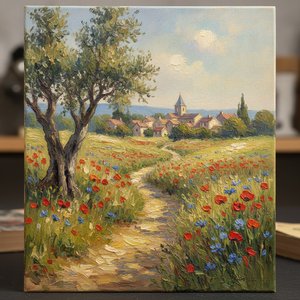
The Timeless Beauty of Oil on Panel: Capturing Light and Texture through the Impressionist Lens
Discover the exquisite depth of oil on panel. Explore how Impressionist masters captured light and texture through tactile brushwork, and learn how to bring these museum-quality, hand-painted masterpieces into your home with expert curation.

The Enduring Legacy of Oil on Canvas: Technique, History & Aesthetic Impact
Explore the rich history & techniques of oil painting – from Renaissance masters to Impressionism. Discover pigments, layering methods, and why this timeless medium endures. Expert insights for artists & art enthusiasts.
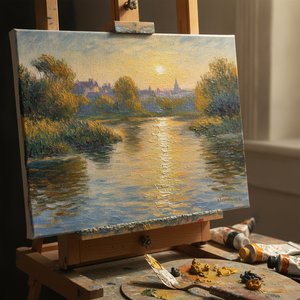
The Soul of Impressionism: Why Oil on Canvas Captures Eternal Light and Timeless Emotion
Discover the enchanting alchemy of Impressionism. Explore how the mastery of oil on canvas, through glazing and impasto, captures eternal light and emotion. Perfect for lovers of Monet and Van Gogh seeking the profound depth of hand-painted fine art.
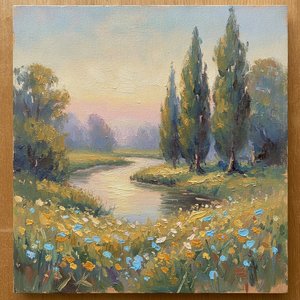
The Timeless Charm of Oil on Board: Reimagining Texture and Light through the Impressionist Lens
Discover the profound intimacy of oil on panel. Explore how Impressionist masters used rigid supports to capture light, texture, and impasto depth through exquisite, handmade oil reproductions for discerning collectors.

Lovis Corinth: Bridging Impressionism & Expressionism – A Study of Artistic Evolution
Explore the fascinating artistic journey of Lovis Corinth, a pivotal figure bridging Impressionism & Expressionism. Discover his evolution, key works, and lasting impact on modern art with OriginalUniqueArt.
