
 Pregledaj u stvarnoj veličini
 Pošalji
 Podijeli
 Detalji o umjetničkom djelu

 Preuzmi
 Slični predmeti
 Rentgenska snimka
 Automatska prezentacija
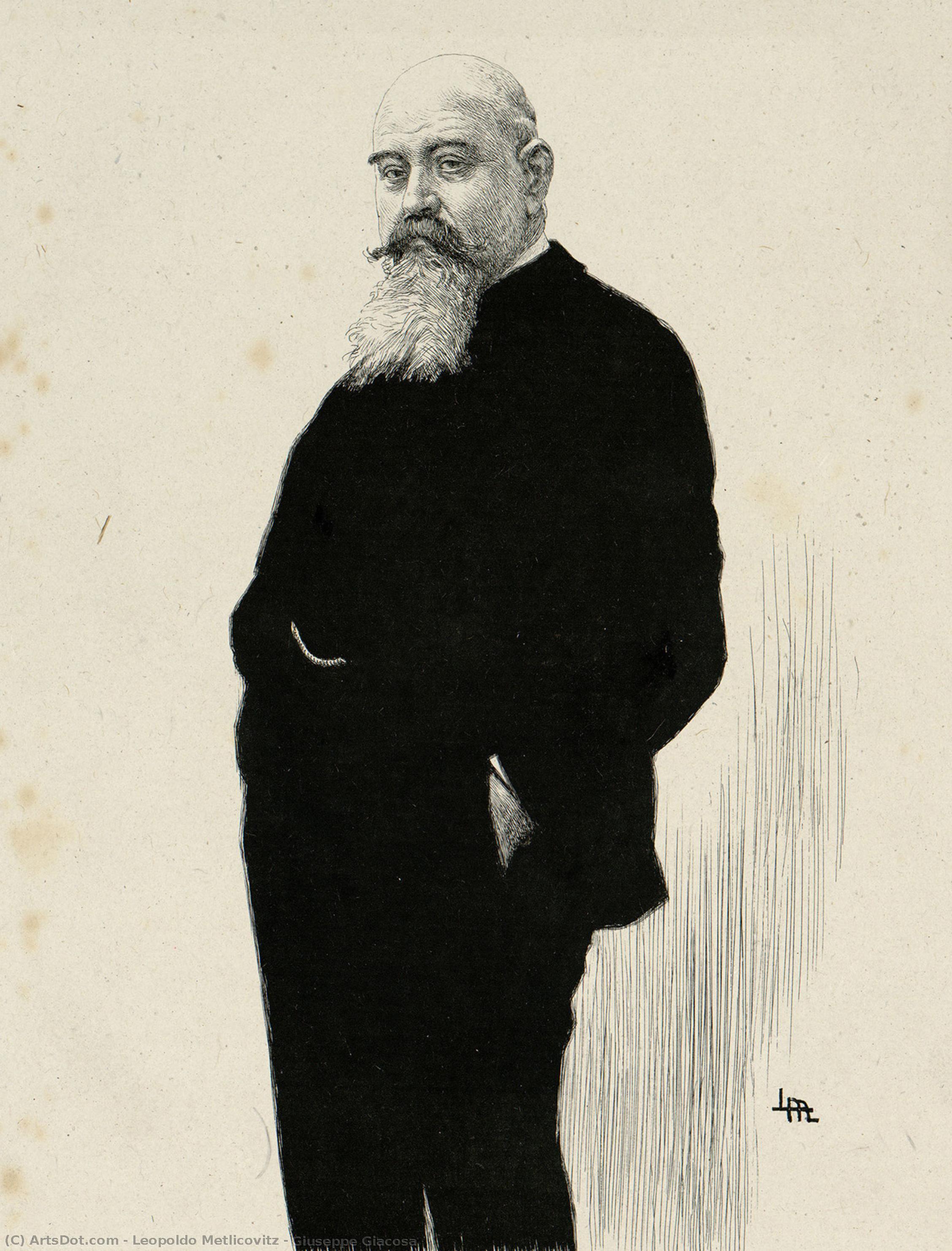
Giuseppe Giacosa


 Prikaži više
Giclée / Umjetnički otisak
Giclée tisak muzejske kvalitete ili otisak na platnu uz brzu proizvodnju i fleksibilne opcije završne obrade. ( Kupi ručno naslikanu sliku Kupi digitalnu sliku)




































Odaberite jednu od naših unaprijed definiranih veličina koje odgovaraju izvornim proporcijama umjetničkog djela.

Možete unijeti vlastite dimenzije kako biste umjetničko djelo prilagodili specifičnom okviru ili prostoru. Ako odabrana veličina ne odgovara proporcijama izvornog rada, izrezat ćemo dio slike ili je proširiti pomoću ogledalnog efekta ili jednobojne rubne površine. Digitalni prikaz (mockup) bit će vam poslan na odobrenje prije početka proizvodnje.
Imajte na umu da pregled na zaslonu ne odražava stvarno izrezivanje ili proširivanje. Samo će mockup točno prikazati konačnu kompoziciju.
Iako su dostupne prilagođene veličine, preporučujemo odabir dimenzije iz unaprijed definirane liste kako biste očuvali izvorne proporcije.
Dostava širom svijeta () u roku od 2 tjedna umjesto standardnih 4/5 tjedana. (21 Kolovoz)

Besplatna ekspresna dostava širom svijeta

Visokokvalitetno laneno platno

Potpuno osiguranje dostave

Jamstvo povrata carine i uvoznih poreza

Garancija vjernog podudaranja boja

Politika povrata u roku od 60 dana (samo u slučaju nedostataka)

Jamstvo povrata 100% novca

Popust na više proizvoda
 Opcija stakla dostupna je samo za dimenzije manje od 110 cm

Giuseppe Giacosa
Giclée / Umjetnički otisak
Veličina reprodukcije
-


Ukupna cijena
$ 80
Biografija umjetnika
The Architect of Italian Opera Poster Art
Leopoldo Metlicovitz stands as a monumental figure in the annals of Italian art history, specifically recognized for his transformative contribution to opera poster design and Art Nouveau illustration. Born in Trieste, Italy, in 1868, he emerged during the fervent artistic experimentation of the Belle Époque. He swiftly established himself as one of the foremost practitioners of graphic arts alongside luminaries like Leonetto Cappiello and Marcello Dudovich. Together, these visionaries spearheaded a burgeoning movement that would redefine visual communication in Italy, cementing their legacy as the fathers of modern Italian poster art.
Metlicovitz’s artistic journey began with a grounding in traditional painting techniques, absorbing the subtle nuances of Impressionism and Symbolism. However, it was his embrace of Art Nouveau—characterized by flowing lines, organic motifs, and opulent ornamentation—that truly propelled him to prominence. This stylistic preference resonated deeply within the cultural landscape of his time, mirroring Italy’s fascination with beauty and craftsmanship. His illustrations for prestigious publications like La Domenica Illustrata showcased a masterful command of color and composition, demonstrating an unwavering commitment to artistic innovation that bridged the gap between fine art and commercial appeal.
A Master of Light, Shadow, and the Ricordi Legacy
The trajectory of Metlicovitz’s career ascended dramatically when he joined Ricordi, Milan's prestigious publishing house. This collaboration became one of the most significant partnerships in the history of graphic design. As he rose to become a technical director at the Officine Grafiche Ricordi, he developed an original approach to light and shadow that breathed life into static images. His work was not merely about decoration; it was about capturing the very soul of the subject matter through meticulous lithography.
His role at Ricordi allowed him to shape the visual identity of the world's most famous opera productions. Metlicovitz’s collaborations with composers like Giacomo Puccini yielded iconic posters for Madama Butterfly, arguably his most celebrated achievement. These posters were meticulously crafted artworks that captured the emotional essence of the opera—the tragic romance, the exotic setting, and the palpable tension between characters. His ability to translate complex musical narratives into a single, striking visual moment remains unparalleled.
The Pioneer of Advertising and Visual Narrative
Beyond the grand stages of the opera house, Metlicovitz was a true pioneer of advertising, utilizing his talent to elevate commercial products to the realm of high art. His portfolio expanded to include:
- Commercial Lithographs: Memorable designs for industrial and consumer products, including the famous "Mele" designs.
- Exhibition Art: Capturing the grandeur of major international events, such as the 1906 Milan International Exposition.
- Cinematic Illustration: Creating evocative imagery for the silent era of film, most notably for the historic epic Cabiria.
His work served as a bridge between the industrial revolution and the aesthetic sensibilities of the early 20th century. By applying the elegance of fine art to posters for champagne, fashion, and trade, he helped create a visual language that defined an era of prosperity and glamour. Even as his style evolved, his commitment to the "art of desire" remained constant, ensuring that every poster he touched functioned as both a persuasive advertisement and a timeless masterpiece.
Leopoldo Metlicovitz passed away in 1944, leaving behind a legacy that continues to inspire graphic designers and art historians alike. His ability to synthesize the organic beauty of Art Nouveau with the structural demands of modern advertising ensures his place as a cornerstone of Italian cultural heritage. Today, his works are celebrated not just as relics of a bygone era, but as foundational pillars of the modern visual identity of Italy.

leopoldo metlicovitz
1868 - 1944 , Italy
Osnovne informacije
- Artistic Movement Or Style: Art Nouveau
- Artists Or Movements Influenced By This Artist: ['Giuseppe Giacosa']
- Date Of Birth: 1868
- Full Name: Leopoldo Metlicovitz
- Nationality: Italian
- Notable Artworks: ['Madama Butterfly poster']
- Place Of Birth: Trieste, Italy

