Russian Modernism · 1922
Samarkand Sultan (Léon Bakst, 1922)
Léon Bakst (1866–1924) je izradio Samarkand Sultan. Datira iz 1922. Pripada pokretu Russian Modernism. Izrađeno je u Ink On Paper.
- 1922
- Ink On Paper

 Pregledaj u realnoj veličini

 Ručno oslikano uljanim bojama
 Pošalji
 Podijeli
 Informativni list


 Preuzmi umjetničko djelo
 Slični predmeti
 Rentgenska snimka
 Slide show
 Pitanja i odgovori

 Statistika
Samarkand Sultan, ukratko
- Naslov
- Samarkand Sultan
- umjetnik
- Léon Bakst (1866–1924)
- Rođen/a u
- Hrodna, Bjelorusija
- Datum
- 1922
- Tehnika
- Ink On Paper
- Pokret
- Russian Modernism
- Razdoblje
- Modern
- Tema
- eastern costume, ornate design, theatrical figure, stylized portrait, vibrant colors, russian culture
Što prikazuje Samarkand Sultan?
A Study in Grandeur
In this 1922 work, we encounter a figure of quiet authority, a Samarkand Sultan rendered with a graphic precision that feels both ancient and modern. The subject is centered, filling the frame with a verticality that commands attention without needing to shout. He is draped in a robe of deep reds and blues, a garment defined by its intricate geometric patterns—triangles, diamonds, and stripes that dance across the fabric. There is a certain stillness in his expression, a tranquil gaze that suggests a man accustomed to the weight of his own status. His dark beard is long and neatly kept, providing a sharp contrast to the luminous colors of his attire.
The composition relies on a sophisticated layering of shapes and colors to create a sense of presence. While the perspective remains somewhat flattened, reminiscent of theatrical sketches or costume studies, the use of shading gives the figure a tangible, sculptural quality. The light appears to fall from above, catching the edges of his elaborate headwear and the subtle folds of his sleeves.
The Language of Ornament
The detail in the Sultan's attire reveals a meticulous approach to pattern and texture. The artist uses line and color to suggest materials that one can almost feel through the visual surface:
- A large turban adorned with blue and white beads and a singular, striking white feather.
- Sleeves and hems lined with a soft, heavy fur that adds a sense of tactile luxury.
- A complex arrangement of geometric motifs that break up the saturated fields of color.
This work belongs to the Art Nouveau movement, a period where the boundaries between fine art and decorative design often blurred. The influence of Orientalism is palpable here, not as a mere imitation of the East, but as a way to explore new visual languages through exotic silhouettes and intense color palettes. The use of ink and watercolor allows for a certain fluidity, where bold outlines meet softer, shaded transitions.
A Vision of the Stage
There is an inherent theatricality to this piece, as if we are catching a glimpse of a character just before the curtain rises. The stylized forms and exaggerated features move away from photographic realism, opting instead for a heightened sense of character. It feels less like a portrait of a specific historical individual and more like an exploration of an idea—the idea of power, of ceremony, and of the exotic. The emotional weight of the piece lies in this tension between the graphic, almost two-dimensional quality of the illustration and the profound sense of dignity held in the subject's eyes.
Slike visoke rezolucije djela Samarkand Sultan
Javno dobro: umjetnik je preminuo 1924.
Léon Bakst, Samarkand Sultan (1922). Javno dobro.
Odgovori na pitanja o Samarkand Sultan
U kojoj je godini nastalo djelo "Samarkand Sultan" autora Léon Bakst?
Djelo "Samarkand Sultan" datira iz 1922 godine. Taj datum smješta rad unutar karijere Léon Bakst i pripadajućeg mu razdoblja.
Koja je tehnika korištena za "Samarkand Sultan" autora Léon Bakst?
Léon Bakst koristio je tehniku Ink On Paper za "Samarkand Sultan". Ova tehnika definira materijalnu prirodu izvornog djela.
Što prikazuje "Samarkand Sultan"?
"Samarkand Sultan" autora Léon Bakst prikazuje: eastern costume, ornate design, theatrical figure, stylized portrait, vibrant colors, russian culture, decorative art.
Je li "Samarkand Sultan" u javnom vlasništvu?
Status autorskih prava za "Samarkand Sultan" autora Léon Bakst: djelo je u javnom vlasništvu – autorska prava su istekla. To određuje smiju li se slobodno izrađivati reprodukcije slike.
Tko je umjetnik koji stoji iza djela "Samarkand Sultan"?
Autor djela "Samarkand Sultan" je Léon Bakst. Rad je katalogiziran pod imenom Léon Bakst.
Koji umjetnički pravac obuhvaća "Samarkand Sultan" autora Léon Bakst?
"Samarkand Sultan" je djelo pokreta Russian Modernism. Taj pokret označava umjetničku tradiciju kojoj ovo djelo pripada.
U kojoj se fazi stvaralaštva umjetnika Léon Bakst nalazi djelo "Samarkand Sultan"?
"Samarkand Sultan" predstavlja Early Modernism umjetnika Léon Bakst.
Koliko je godina imao/la Léon Bakst kada je stvarao/la "Samarkand Sultan" u 1922. godini?
Kada je "Samarkand Sultan" nastalo 1922. godine, Léon Bakst – rođen/a 1866. – imao/la je 56 godina.
Je li "Samarkand Sultan" autora Léon Bakst u javnom vlasništvu i zašto?
Status autorskih prava za djelo "Samarkand Sultan" – u javnom vlasništvu – autorska prava su istekla – proizlazi iz godine smrti umjetnika, 1924.
O umjetniku, Léon Bakst
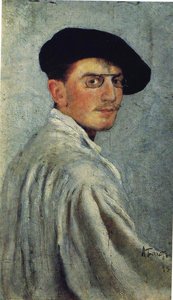
1866–1924, Bjelorusija
Léon Bakst
Rano život i sjeme umjetničke pobune Rođen kao Leyb-Khaim Izrailevich Rosenberg 1866. godine, unutar zone naseljenosti u Grodnu—gradu koji je tada bio dio Ruske imperije—put Léona Baksta prema umjetničkoj slavi bio je uvjerljiv narativ utkan od urođenog talenta i društvenih ograničenja. Njegova obitelj, iako u udobnoj srednjoj klasi, imala je veze s imperialnim dvorom preko njegovog djeda, slavnog krojača koji je uživao u zaštiti cara. To su podnebesje u mladog Leyba usadilo oštru svijest o kulturnim nijansama uz rano strast prema crtanju, što se jasno pokazalo kada je osvojio natjecanje sa samo dvanaest godina.
I ostalo djelo autora Léon Bakst
 Design sa cvjetovima u mrežu
 Operatic costume designs1911
 Costume design for the ballet ''Cleopatra''1909
 Drawing young divinity Narcisse costume, ballet Diaghilev1911
Eseji o djelu Samarkand Sultan
 The Soft Soul of Art: Exploring the Tactile Beauty and Timeless Narrative of Textile MasterpiecesEmbark on a sensory journey through the tactile beauty of textile art. Explore how thread, silk, and loom weave human history, from ancient…
 French artworks of the 1860s1860s French masterpieces by Édouard Manet, Claude Monet, and Gustave Courbet. View the full collection online at OriginalUniqueArt.com.
 Masterpieces of Emotion: The Top 25 Artworks by Théodore GéricaultExplore 25 iconic works by Théodore Géricault, from Romanticism to his greatest masterpieces. Discover the full collection on OriginalUniqu…