
 Pregledaj u stvarnoj veličini
 Pošalji
 Podijeli
 Detalji o umjetničkom djelu

 Preuzmi
 Slični predmeti
 Rentgenska snimka
 Automatska prezentacija
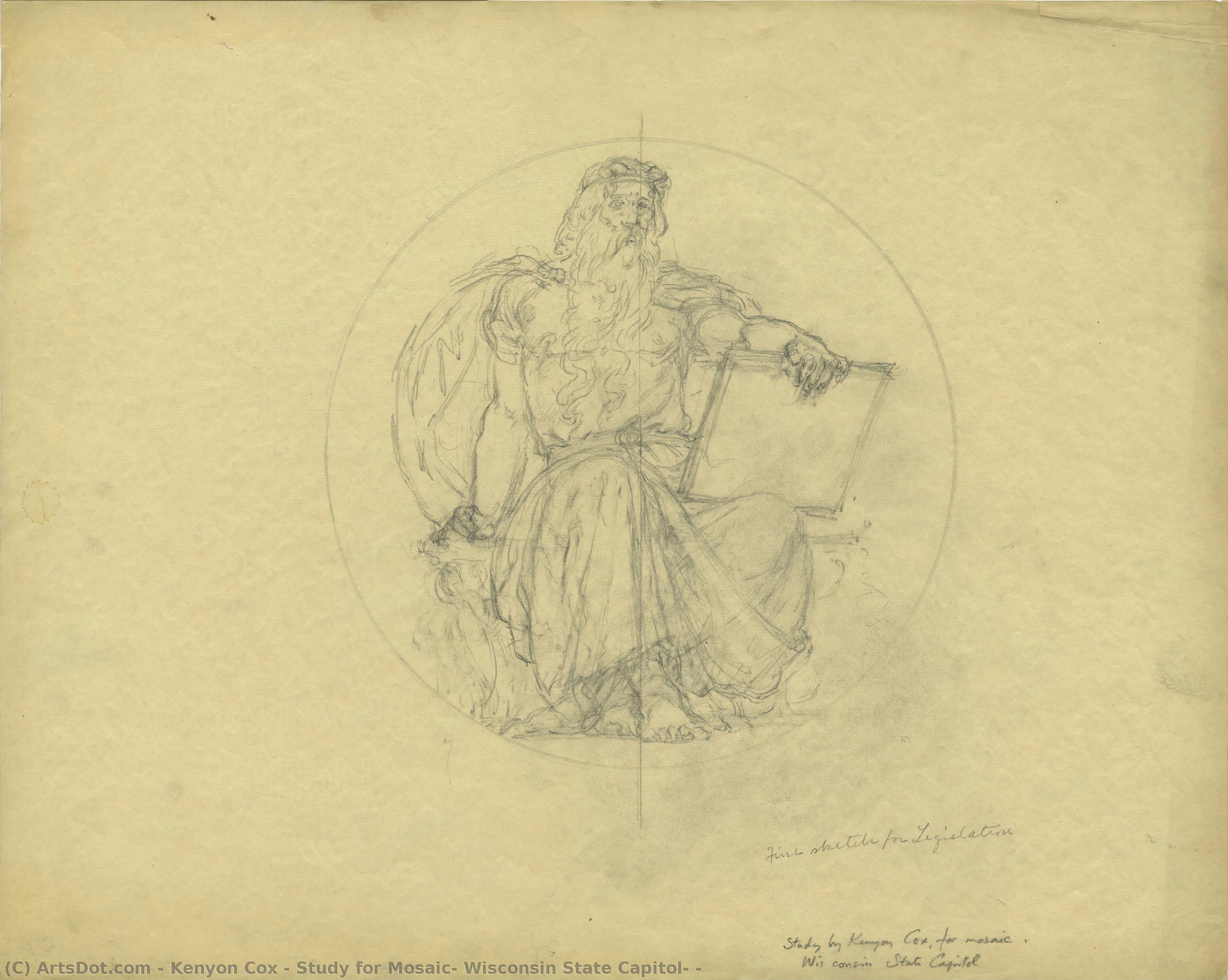
Study for Mosaic, Wisconsin State Capitol,
 Graphite
- Classical Realism
 1912
1912- 19th Century
 40.0 x 50.0 cm
 Oklahoma City Museum of Art
 Prikaži više
Giclée / Umjetnički otisak
Giclée tisak muzejske kvalitete ili otisak na platnu uz brzu proizvodnju i fleksibilne opcije završne obrade. ( Kupi ručno naslikanu sliku Kupi digitalnu sliku)




































Odaberite jednu od naših unaprijed definiranih veličina koje odgovaraju izvornim proporcijama umjetničkog djela.

Možete unijeti vlastite dimenzije kako biste umjetničko djelo prilagodili specifičnom okviru ili prostoru. Ako odabrana veličina ne odgovara proporcijama izvornog rada, izrezat ćemo dio slike ili je proširiti pomoću ogledalnog efekta ili jednobojne rubne površine. Digitalni prikaz (mockup) bit će vam poslan na odobrenje prije početka proizvodnje.
Imajte na umu da pregled na zaslonu ne odražava stvarno izrezivanje ili proširivanje. Samo će mockup točno prikazati konačnu kompoziciju.
Iako su dostupne prilagođene veličine, preporučujemo odabir dimenzije iz unaprijed definirane liste kako biste očuvali izvorne proporcije.
Dostava širom svijeta () u roku od 2 tjedna umjesto standardnih 4/5 tjedana. (13 Kolovoz)

Besplatna ekspresna dostava širom svijeta

Visokokvalitetno laneno platno

Potpuno osiguranje dostave

Jamstvo povrata carine i uvoznih poreza

Garancija vjernog podudaranja boja

Politika povrata u roku od 60 dana (samo u slučaju nedostataka)

Jamstvo povrata 100% novca

Popust na više proizvoda
 Opcija stakla dostupna je samo za dimenzije manje od 110 cm

Study for Mosaic, Wisconsin State Capitol,
Giclée / Umjetnički otisak
Veličina reprodukcije
-


Ukupna cijena
$ 80
Opis djela
A Vision in Graphite: The Ethereal Preparatory Study of Kenyon Cox
In the quiet, focused strokes of Kenyon Cox’s 1912 graphite study, we find a profound glimpse into the meticulous process behind monumental public art. This delicate work, created as a preparatory sketch for the mosaic in the Wisconsin State Capitol, transcends its role as a mere draft. It captures a moment of divine stillness, presenting a winged figure seated in contemplative repose. Through the masterful use of monochrome tones, Cox invites the viewer into a realm where the boundaries between the earthly and the celestial blur, offering a sense of peace that is both haunting and deeply restorative.
The composition centers on a figure of classical grace, draped in a way that suggests both weight and lightness. As the eyes trace the intricate textures of the wings and the soft folds of the garments, one can feel the artist's intense focus on anatomical precision and light. The subject, cradling a book, evokes themes of wisdom, recorded history, and the sanctity of knowledge. This is not merely a sketch of an angel; it is an exploration of how light interacts with form, a foundational step toward the vibrant, permanent tesserae that would eventually adorn the halls of American civic architecture.
Classical Mastery and the Art of the Sketch
Technically, this piece serves as a masterclass in classical realism. Using graphite, Cox achieved a range of values that mimics the depth of much heavier mediums. The subtle gradations of shadow beneath the figure and the sharp, decisive lines defining the chair and book demonstrate a command over the medium that is rare even in finished oil paintings. For the collector or interior designer, this work offers a sophisticated aesthetic; its monochromatic palette provides a timeless elegance that integrates seamlessly into modern, minimalist, or traditional classical interiors.
The historical context of the piece adds a layer of intellectual prestige to its visual beauty. Created during a period when American art was deeply influenced by the European Beaux-Arts tradition, Cox’s work embodies the dignity and structural integrity sought after in public monuments of the early 20th century. To possess a reproduction of this study is to hold a fragment of history—a piece of the rigorous academic training that once defined the pinnacle of fine art. It serves as an evocative focal point for any space, inspiring a sense of scholarly reflection and architectural grandeur.
Biografija umjetnika
Kenyon Cox: Life and Legacy
Early Life and Education
- Born: October 27, 1856, in Warren, Ohio.
- Parents: Jacob Dolson Cox and Helen Finney Cox.
- Kenyon Cox initially studied at the Art Academy of Cincinnati (formerly the McMicken School of Art). However, he quickly recognized the limited artistic opportunities available in the city.
- Following a visit to the Centennial Exposition in Philadelphia, he decided to pursue further education at the Pennsylvania Academy of Fine Arts, hoping it would lead to studies in Europe.
Parisian Training and Influences
- In 1877, Cox moved to Paris, joining a wave of American artists seeking artistic inspiration. He believed Paris was experiencing a “second renaissance” in art.
- Influential Teachers: Carolus-Duran, Jean-Léon Gérôme, and Alexandre Cabanel at the École des Beaux-Arts.
- He initially studied under Carolus-Duran but became frustrated with what he perceived as a “vulgarity” in Duran’s style.
- Travels throughout France and Italy exposed him to the works of Renaissance masters, profoundly shaping his artistic vision.
Career in New York and Artistic Style
- In 1882, Cox returned to New York City, where he established himself as a painter and illustrator.
- Illustration Work: He became well-known for his magazine illustrations, which reached a wider audience than his paintings.
- Art Criticism: Cox also wrote unsigned art criticisms for the New York Evening Post, supplementing his income.
- His artistic style leaned towards realism, with a focus on landscapes, portraits, and genre studies. He was known for idealized nudes and traditional treatments of classical themes.
Teaching and Institutional Involvement
- Art Students League of New York: Cox became a highly influential instructor at the Art Students League, shaping generations of artists. He designed the League’s logo featuring the motto “Nulla Dies Sine Linea” (No Day Without a Line).
- Elected an Associate Academician of the National Academy of Design in 1900 and a full Academician in 1903.
- Founding Member: He was one of the founders and secretary of the National Free Arts League.
- Leadership Roles: Served as president of the National Society of Mural Painters from 1915 to 1919, and held memberships in various prestigious art organizations.
Major Achievements and Historical Significance
- Cox’s work represented a commitment to classical ideals at a time when modern art movements were emerging. He advocated for careful drawing, modulated color, and the use of allegory and symbolism.
- His writings, such as “Two Ways of Painting,” articulated his views on figurative art versus abstract or representational styles.
- Legacy: Though not a radical innovator, Kenyon Cox played a crucial role in maintaining traditional artistic standards and educating aspiring artists. His influence extended through his teaching and his contributions to the American art establishment.
- Death: March 17, 1919.

Kenyon Cox
1856 - 1919
Osnovne informacije
- Birth Date: 1856
- Birth Place: Warren, Ohio
- Death Date: 1919
- Influenced By:
- Carolus-Duran
- Jean-Léon Gérôme
- Alexandre Cabanel
- Movement: Realism
- Name: Kenyon Cox
- Nationality: American
- Notable Works:
- Louise Howland King (Mrs. Kenyon Cox)
- Fields
- Lengthening Shadows
- Augustus Saint-Gaudens
- An Eclogue
Srodni članci

Celestial Messengers: Angels in Painting – A Historical & Artistic Exploration
Explore the captivating history of angels in painting! Discover symbolism, iconic Renaissance & Byzantine masterpieces, and renowned artists. Expert insights for art lovers & collectors at OriginalUniqueArt.

Celestial Messengers: A Comprehensive Exploration of Angelic Representation in Art History
Explore the captivating history of angels in art! Discover symbolism, iconic Renaissance masterpieces & renowned artists. Expert insights for art lovers & collectors at OriginalUniqueArt.
The Eloquent Line: Exploring the Artistic Significance of Sketches Across Movements and Media
Explore the profound artistic significance of sketches throughout history. From Renaissance masters to modern innovators like Van Gogh & Guston, discover how these foundational works reveal technique, emotion, and vision. Learn more at OriginalUniqueArt.
Romantic Realism's Finest: 10 Masterpieces for Your Home | OriginalUniqueArt
Explore 10 defining masterpieces of Romantic Realism! Discover Courbet, Millet & Daumier's powerful paintings—capturing emotion and social realities. Find museum-quality reproductions for your home at OriginalUniqueArt.com.
Leonardo da Vinci: 25 Remek-djela Genija za Uljepšavanje Vašeg Doma
Uronite u svijet genija Leonarda da Vincija! Otkrijte 25 remek-djela renesanse – Mona Lisa, Posljednja večera i mnoge druge. Povijest umjetnosti, tehnike slikanja i inspiracija za vaš dom. Kupite reprodukcije vrhunske kvalitete na OriginalUniqueArt.com

