

 Pregledaj u stvarnoj veličini
 Podijeli
 Podijeli
 Detalji
 Vodič
Vodič

 Preuzmi datoteku
 Slični predmeti
 Rentgenska snimka
 Slide show
 Statistika
Young Flute Player


 Pročitajte više
Giclée / Umjetnički otisak
Giclée tisak muzejske kvalitete ili otisak na platnu uz brzu proizvodnju i fleksibilne opcije završne obrade. ( Naručite ručno oslikano reprodukciju Prebacite na digitalnu prodaju slika)




P118B €10

P118H €10

P118W €10

P438Z €10

P508JH €12

P508YH €12

P805H €10

P805Z €10

P919BZ €10

P919G €10

P919XJ €10

P959ZH €10

P968JZ €12

W106C €8

W218G €10

W218JH €8

W218Y €10

W307PJ €10

W316G €10

W316PJ €8

W316Y €10

W398PJ €8

W4111J €10

W500HY €15

W500JH €15

W692G €12

W849H €8

W940BG €15

W953PJ €8




Odaberite jednu od naših unaprijed definiranih veličina koje odgovaraju izvornim proporcijama umjetničkog djela.

Unesite širinu i visinu koja vam je potrebna, kako bi odgovarali vašem okviru ili zidu. Print se može samo izrezati, nikada ne može biti veći od slike, stoga veličina s drugačijim oblikom gubi dio slike. Šaljemo vam digitalni prikaz (mockup) na odobrenje prije bilo kakve štampe. Slika prikazana na ovoj stranici ne prikazuje stvarni rez — to čini samo digitalni prikaz.
Dostava širom svijeta () u roku od 2 tjedna umjesto standardnih 4/5 tjedana. (27 Listopad)

Besplatna ekspresna dostava širom svijeta

Visokokvalitetno laneno platno

Potpuno osiguranje transporta

Jamstvo povrata carine i uvoznih poreza

Jamstvo vjernosti boja

Politika povrata u roku od 100 dana (samo u slučaju nedostataka)

Jamstvo povrata 100% novca

Popust na više proizvoda
 Opcija stakla dostupna je samo za dimenzije manje od 110 cm

Young Flute Player
Giclée / Umjetnički otisak
Veličina reprodukcije
-


Ukupna cijena
€ 70
A Moment of Youthful Grace: Judith Leyster’s “Young Flute Player”
Within the vibrant tapestry of the Dutch Golden Age, few paintings capture the delicate balance between observation and imagination quite like Judith Leyster's "Young Flute Player," completed around 1635. This captivating oil on canvas isn’t merely a portrait; it’s a fleeting glimpse into a world of youthful pleasure, artistic expression, and the subtle complexities of early modern life. The painting immediately draws the eye to its central figure – a young boy, bathed in a soft, diffused light that seems to emanate from an unseen source. He's not posed dramatically or formally; instead, he’s caught in a moment of quiet absorption, his attention wholly devoted to the simple act of playing a flute.
Leyster’s skill lies not just in her technical proficiency—though it is undeniably remarkable—but in her ability to imbue her subjects with a palpable sense of life. The boy's ruffled collar and slightly tilted head suggest a personality brimming with curiosity and perhaps even mischief. The details, from the delicate folds of his clothing to the subtle expression on his face, are rendered with meticulous precision, yet never feel overly labored or stiff. This masterful balance between realism and artistic license is characteristic of Leyster’s style, earning her recognition as one of the most innovative artists of her time.
The Baroque Palette and a World of Instruments
“Young Flute Player” firmly establishes itself within the broader context of Dutch Baroque painting. The use of *chiaroscuro* – the dramatic interplay of light and shadow – is particularly striking, emphasizing the boy’s youthful features and creating a sense of depth and atmosphere. The background, deliberately muted and slightly out of focus, serves to further highlight the subject, drawing our attention entirely to his captivating presence. Notice also the carefully chosen accessories: a violin hanging on the wall, a smaller flute resting nearby, and a simple bowl adding a touch of domesticity to the scene. These elements aren’t merely decorative; they speak to the boy's connection with music and perhaps even hint at a broader cultural context – the importance of instruments within Dutch society.
Interestingly, the inclusion of both a flute and a violin presents a subtle symbolic tension. While stringed instruments were traditionally associated with higher social standing and considered more refined, wind instruments were often linked to simpler folk traditions. Leyster’s juxtaposition suggests a blurring of these distinctions, reflecting the dynamic cultural landscape of 17th-century Holland.
A Pioneer in a Male-Dominated World
Judith Leyster's story is as compelling as her art. She was one of the first female artists to gain recognition within the male-dominated world of the Dutch Golden Age, and her journey is marked by both triumph and adversity. Despite facing significant challenges – including limited opportunities and a lack of formal training – she persevered, establishing herself as a respected painter known for her lively genre scenes, portraits, and still lifes. Her inclusion in the Haarlem Guild of St. Luke in 1633 was a landmark achievement, signifying her acceptance as a professional artist.
“Young Flute Player” is now housed at the Nationalmuseum in Stockholm, a testament to its enduring appeal and historical significance. It stands alongside other masterpieces from the Dutch Golden Age, offering a valuable window into a bygone era. The painting’s continued presence in museums around the world ensures that Leyster's remarkable talent and artistic vision will continue to inspire and captivate audiences for generations to come.
Further Exploration & Artistic Connections
For those seeking to delve deeper into Judith Leyster’s oeuvre, we recommend exploring her self-portrait from 1633, currently residing at the National Gallery of Art in Washington D.C., and her illustrations for a book on tulips from 1643. Her work shares stylistic similarities with that of Frans Hals, another prominent painter of the Dutch Golden Age, suggesting a possible influence or even collaboration. Additionally, consider examining works by Rembrandt van Rijn, such as “The Sacrifice of Isaac,” and those created by workshops associated with Peter Paul Rubens, like "The Feast of Herod," to gain further insight into the artistic trends and techniques of the period.
Useful Links:
- Artvee - Boy Playing a Flute
- Wikipedia - Judith Leyster
- Google Arts & Culture - Boy Playing the Flute
- Instagram - Judith Leyster
Additional Research: The painting’s history reveals a fascinating story of misattribution and eventual rediscovery, highlighting the challenges faced by female artists throughout art history.
Pitanja i odgovori
Tko je stvorio "Young Flute Player"?
Autor djela "Young Flute Player" je Judith Leyster.
Kakvu bi atmosferu reprodukcija djela "Young Flute Player" autora Judith Leyster unijela u prostor?
Calm atmosfera djela "Young Flute Player" autora Judith Leyster savršeno odgovara preporučenom prostoru: Living Room.
Koliko ljudi gleda "Young Flute Player"?
Stranica Statistika djela "Young Flute Player" autora Judith Leyster prikazuje statistiku javnih posjeta: mjesečne posjete ovom umjetničkom djelu, usporedbu s najgledanijim djelima tog umjetnika te informacije o tome odakle posjetitelji dolaze.
Biografija umjetnika
rani život i edukacija
Judith Jans Leyster, pionirska umjetnica koja je prokrježala put kroz povijest slikarstva, rođena je u julu 1609. godine u Haarlemu, u Nizozemskoj. Bila je osmo dijete Jana Willemsza Leystera, tkanaca koji će kasnije postati pivovara. Iako dokumentacija o njezinom obrazovanju nije detaljna, vjeruje se da je vještinu slikanja stekla od Francisa Pietersza de Grebbera, uvažnog umjetnika čija se radionica nalazila u Haarlemu.umjetnička karijera
Leysterina prva poznata potpisana djela, Serenada i veseli pijancı, datiraju iz 1629. godine, kada je umjetnica imala svega dvadeset godina. Do 1633. godine postala je članica Haarlemske cehe Svetog Luke, čime je ušla u povijest kao jedna od prvih žena umjetnica koje su bile dio ove prestižne organizacije.istaknuta djela i suradnje
Njezin opus obuhvaća djela koja svjedoče o nevjerojatnoj umjetničkoj snazi:- autoportret (oko 1633.), koji se danas nalazi u Nacionalnoj galeriji umjetnosti u Washingtonu, D.C., a mogao bi predstavljati njezino uvodno djelo predstavljeno cehu.
- dvije ilustracije u knjizi o tulipanima iz 1643. godine, koje pokazuju njezinu svestranost.
- portret iz 1652. i mrtva priroda iz 1654., pronađeni u privatnoj kolekciji u 21. stoljeću, koji potvrđuju njezinu trajanu vještinu.
naslijeđe i ponovno otkriće
Unatoč tome što su je njezini suvremenici visoko cjenili, Leysterino djelo je u velikoj mjeri zaboravljeno nakon njezine smrti 1660. godine. Tek 1mla 1893. godine ona je ponovno otkrivena, a znanstvenici su počeli ispravno pripisivati njezina djela njezinoj ruke. Danas se njezine slike prepoznaju kao značajan doprinos zlatnom dobu Nizozemske.- istražite više Leysterinih djela na OriginalUniqueArt.com.
- saznajte više o zlatnom dobu Nizozemske i njegovim istaknutim umjetnicima na Wikipedia.
- otkrijte druge umjetnice tog razdoblja na stranici pokret umjetnosti zlatnog doba Nizozemske.
zaključak
Pionirska karijera Judith Jans Leyster kao žene slikarice u 17. stoljeću u Nizozemskoj ostavila je neizbrisiv trag u povijesti umjetnosti. Njezino ponovno otkriće i priznanje služe kao svjedočanstvo njezina trajnog talenta te evolucije percepcije žena u svijetu umjetnosti. ime muzeja: Nacionalna galerija umjetnosti, Washington, D.C.
Judith Leyster
1609 - 1660 , Nizozemska
Brzi pregled
- Artistic Movement Or Style: Dutch Golden Age
- Artists Or Movements Influenced By This Artist: ['Jan Miense Molenaer']
- Artists Who Influenced This Artist: ['Frans Pietersz de Grebber']
- Date Of Birth: 28. srpnja 1609.
- Date Of Death: 10. veljače 1660.
- Full Name: Judith Jans Leyster
- Nationality: Nizemka
- Notable Artworks:
- Mladi pujač
- Veselo društvo
- Vesele pijanca
- Place Of Birth: Haarlem, Nizemlanda
Povezani članci
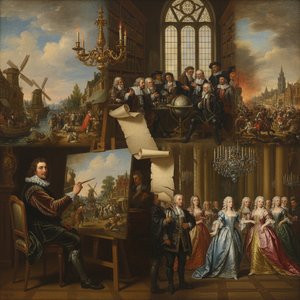
Illuminating a Century of Change: Artistic Expression & Societal Shifts in 17th-Century Europe
Explore the artistic brilliance of the 17th-century Dutch Golden Age & Baroque period. Discover Rembrandt, genre painting, and chiaroscuro techniques. Expert insights for art lovers & collectors.

Golden Age Reflections: Dutch Baroque Painting & Cultural Innovation
Explore the Dutch Golden Age of painting! Discover key artists like Vermeer & ter Borch, their innovative techniques, and the rich cultural context behind these Baroque masterpieces. Learn about collecting & appreciating this iconic art period.

Zlatno Dobo Nizozemske: 10 Remekdjela Koja Su Definirala Umjetnost i Dekor
Otkrijte remekdjela nizozemskog Zlatnog doba! Uronite u svijet Rembrandta, Vermeera i drugih majstora. 10 slika koje su definirale holandsku umjetnost & barokni stil. Inspirirajte se za dekoraciju doma s OriginalUniqueArt.com – reprodukcije vrhunske kvalitete!
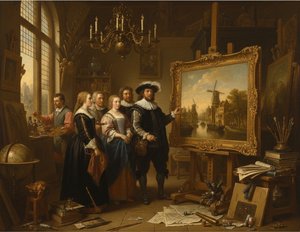
Illuminating Innovation: Exploring the Dutch Golden Age of Painting
Explore the Dutch Golden Age of painting with OriginalUniqueArt. Discover Rembrandt, Vermeer & other Masters. Learn about key characteristics, iconic artworks, and lasting influence. Expert insights for collectors & enthusiasts.
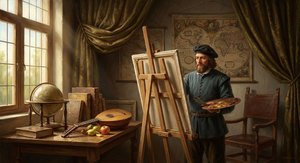
Illuminating Realism: Exploring the Dutch Golden Age of Painting (1600-1700)
Explore the Dutch Golden Age of painting (1600-1700) with OriginalUniqueArt. Discover Rembrandt, Vermeer & other masters. Learn about techniques, history & find museum-quality reproductions.