
 Pregledaj u stvarnoj veličini
 Pošalji
 Podijeli
 Detalji o umjetničkom djelu

 Preuzmi
 Slični predmeti
 Rentgenska snimka
 Automatska prezentacija
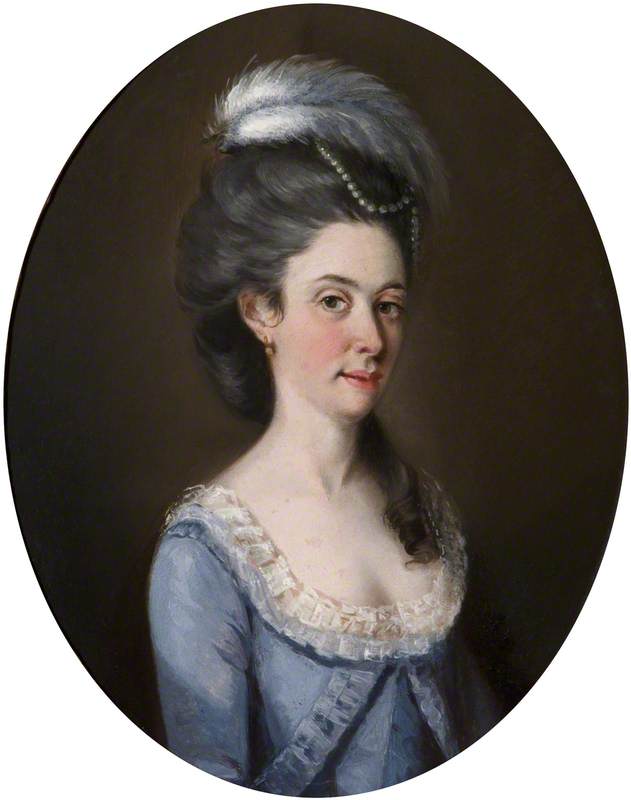
Miss Maxwell


 Prikaži više
Ručno rađena uljana reprodukcija
Ručno oslikano uljanim bojama na platnu u dimenzijama i okviru po vašem izboru, izrađeno po narudžbi od strane naših umjetnika. ( Kupi print Kupi digitalnu sliku)




































Odaberite jednu od naših unaprijed definiranih veličina koje odgovaraju izvornim proporcijama umjetničkog djela.

Možete unijeti vlastite dimenzije kako bi odgovarale određenom okviru ili prostoru. Ako odabrana veličina ne odgovara proporcijama izvorne slike, izrezat ćemo umjetničko djelo ili proširiti sliku dodatnim ručno oslikanim elementima. Digitalni nacrt bit će vam poslan na odobrenje prije početka proizvodnje.
Imajte na umu da pregled na ekranu ne prikazuje stvarno izrezivanje ili proširivanje. Samo će nacrt točno prikazati konačni sastav.
Iako su dostupne prilagođene veličine, preporučujemo odabir dimenzije s preddefiniranog popisa kako bismo očuvali izvorne proporcije.
Nakon narudžbe, tim OriginalUniqueArt.com kontaktirat će klijenta putem e-pošte radi dobivanja uputa te dostaviti probni prikaz (mockup).
Isporuka širom svijeta () u roku od 3-4 tjedna umjesto standardnih 5 tjedana. (30 Kolovoz). Bez kompromisa u kvaliteti.

Besplatna ekspresna dostava širom svijeta

Visokokvalitetno laneno platno

Potpuno osiguranje dostave

Jamstvo povrata carine i uvoznih poreza

Garancija vjernog podudaranja boja

Politika povrata u roku od 60 dana (samo u slučaju nedostataka)

Jamstvo povrata 100% novca

Popust na više proizvoda
 Opcija stakla dostupna je samo za dimenzije manje od 110 cm

Miss Maxwell
Tehnika reprodukcije
Veličina reprodukcije
-


Ukupna cijena
$ 300
Biografija umjetnika
A Life Etched in Portraiture: Joseph Wilson (1763 – c. 1840)
The late eighteenth and early nineteenth centuries witnessed a flourishing of portraiture, a visual language that spoke volumes about status, intellect, and the burgeoning sense of individual identity. Within this vibrant milieu stood Joseph Wilson, an artist whose meticulous brushwork captured not merely likenesses but the very essence of his sitters—prominent figures navigating a world on the cusp of profound change. While biographical details remain somewhat elusive, piecing together fragments from auction records, period accounts, and stylistic analysis reveals a life dedicated to the art of representation, primarily in Scotland. Born around 1763, Wilson’s career unfolded against a backdrop of Enlightenment ideals and the rising tide of Romanticism, influences that subtly permeated his work. He wasn't a flamboyant innovator; rather, he excelled as a skilled craftsman, providing discerning patrons with portraits that were both elegant and psychologically insightful.Early Career and Scottish Patronage
Wilson’s artistic journey began in an era where formal art academies were gaining prominence, though the exact nature of his training remains unclear. It is believed he received instruction from local masters before establishing himself as a portrait painter in Scotland. The Scottish art scene during this period was particularly receptive to portraiture, fueled by a growing merchant class and landed gentry eager to immortalize their families and achievements. Wilson quickly found favor with these patrons, securing commissions that allowed him to hone his technique and develop a distinctive style. His early works demonstrate a clear understanding of Rococo aesthetics—delicate brushstrokes, pastel palettes, and an emphasis on refined elegance. However, even in these initial pieces, there’s a sense of restraint, a move away from the overt frivolity often associated with the Rococo towards a more sober and dignified representation. He established a studio in Edinburgh, becoming a sought-after artist for those wishing to have their image preserved for posterity.Technique and Style: A Master of Detail
Wilson’s enduring appeal lies in his remarkable technical skill. He was a master of oil on panel, employing layers of glazing to create luminous skin tones and intricate details. His portraits are characterized by an almost photographic realism—the textures of fabrics, the gleam of jewelry, the subtle nuances of facial expression are all rendered with painstaking accuracy. Yet, Wilson’s artistry extended beyond mere replication. He possessed a keen eye for character, subtly conveying his sitters' personalities through posture, gaze, and the carefully chosen accessories. His compositions were typically straightforward—sitters posed against neutral backgrounds, allowing their features to take center stage. This focus on the individual, combined with his meticulous technique, resulted in portraits that were both visually striking and psychologically compelling. A prime example is ‘Miss Maxwell’ (1782), a delicate miniature showcasing elegance and status; the exquisite detail speaks volumes about Wilson's dedication to capturing not just appearance but also social standing.Later Years and Legacy
As the nineteenth century progressed, artistic tastes began to shift. The rise of Romanticism favored more dramatic compositions and emotional intensity, while the Pre-Raphaelites championed a return to medieval forms. While Wilson continued to receive commissions throughout his career, his style remained largely consistent—a testament to his unwavering commitment to his own aesthetic principles. Records indicate he worked steadily until around 1840, though details of his final years are scarce. His legacy resides in the numerous portraits he created, which offer a fascinating glimpse into Scottish society during a period of significant transformation. While not as widely celebrated as some of his contemporaries, Wilson’s work continues to be admired for its technical brilliance and psychological depth. He represents a crucial link between the Rococo elegance of the eighteenth century and the more naturalistic portraiture that would come to define the Victorian era.The Curious Case of Joseph Ruggles Wilson: A Name Shared
It is important to note a potential source of confusion regarding this artist’s identity. The name “Joseph Wilson” was also borne by several individuals during the same period, most notably Joseph Ruggles Wilson Sr., a prominent American Presbyterian theologian and father of President Woodrow Wilson (1822-1903). While both men shared the same first name, their lives and careers were entirely distinct. The American Joseph Wilson was a religious leader and educator, while our artist—the subject of this biography—was primarily focused on portraiture in Scotland. This overlap in names can lead to misattribution and inaccuracies in historical records, highlighting the importance of careful research when studying artists from this era. It is crucial to differentiate between these two figures, ensuring that each receives due recognition for their respective achievements. Further complicating matters is a Joseph Wilson Forster (1789-1860), another British portrait artist active in the 19th century, known for his detailed depictions of statesmen and intellectuals.
Osnovne informacije
- Artistic Movement Or Style: 18th Century Portraits
- Full Name: Joseph Wilson
- Notable Artworks:
- Miss Maxwell
- William Magee
- Mrs. James McTear
- Other Names:
- Hugh Cameron Wilson
- Rev. Dr. Joseph Ruggles Wilson Sr.
Srodni članci

Roko Bela: 10 Remek Dela Ko Su Oblikovala Umjetnički Pokret
Otkrijte 10 remek djela koja su definirala rokokoznu umjetnost! Uronite u svijet baroka i elegancije, upoznajte poznate slikare i otkrijte tajne rococo boja. Inspirirajte se za svoj dom uz OriginalUniqueArt.com - ekskluzivne reprodukcije i kurirane ideje za dekoraciju.

The Rococo Aesthetic: Opulence, Rebellion & the Pursuit of Pleasure in 18th-Century Art
Explore the opulent world of Rococo art! Discover its origins, key artists like Watteau & Boucher, and lasting influence on design. Expert insights for collectors & enthusiasts.
Rococo Art Guide: Elegance, Ornamentation, and the Era of Luxury
Explore the elegance of Rococo art. From Watteau to Fragonard, discover the history, aesthetics, and masters of 18th-century luxury in this expert guide for art lovers and collectors.

The Enduring Legacy of Oil on Canvas: Technique, History & Aesthetic Impact
Explore the rich history & techniques of oil painting – from Renaissance masters to Impressionism. Discover pigments, layering methods, and why this timeless medium endures. Expert insights for artists & art enthusiasts.

The Elegance of Rococo: A Journey Through Pastel Dreams and Ornate Splendor
Embark on an elegant journey through the Rococo era. Discover the delicate beauty of pastel masterpieces, the intricate artistry of 18th-century French masters, and how this era of ornate splendor continues to inspire timeless luxury in fine art collecting.

