
 Pregledaj u stvarnoj veličini
 Pošalji
 Podijeli
 Detalji o umjetničkom djelu

 Preuzmi
 Slični predmeti
 Rentgenska snimka
 Automatska prezentacija
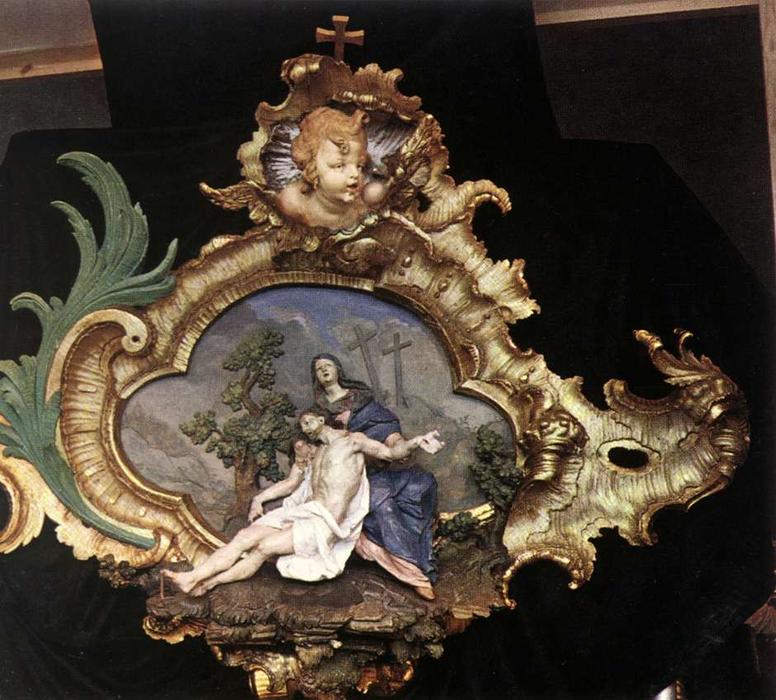
Pietà


 Prikaži više
Giclée / Umjetnički otisak
Giclée tisak muzejske kvalitete ili otisak na platnu uz brzu proizvodnju i fleksibilne opcije završne obrade. ( Kupi ručno naslikanu sliku Kupi digitalnu sliku)




P118B $10

P118H $10

P118W $10

P438Z $10

P508JH $12

P508YH $12

P805H $10

P805Z $10

P919BZ $10

P919G $10

P919XJ $10

P959ZH $10

P968JZ $12

W106C $8

W218G $10

W218JH $8

W218Y $10

W307PJ $10

W316G $10

W316PJ $8

W316Y $10

W398PJ $8

W4111J $10

W500HY $15

W500JH $15

W692G $12

W849H $8

W940BG $15

W953PJ $8




Odaberite jednu od naših unaprijed definiranih veličina koje odgovaraju izvornim proporcijama umjetničkog djela.

Možete unijeti vlastite dimenzije kako biste umjetničko djelo prilagodili specifičnom okviru ili prostoru. Ako odabrana veličina ne odgovara proporcijama izvornog rada, izrezat ćemo dio slike ili je proširiti pomoću ogledalnog efekta ili jednobojne rubne površine. Digitalni prikaz (mockup) bit će vam poslan na odobrenje prije početka proizvodnje.
Imajte na umu da pregled na zaslonu ne odražava stvarno izrezivanje ili proširivanje. Samo će mockup točno prikazati konačnu kompoziciju.
Iako su dostupne prilagođene veličine, preporučujemo odabir dimenzije iz unaprijed definirane liste kako biste očuvali izvorne proporcije.
Dostava širom svijeta () u roku od 2 tjedna umjesto standardnih 4/5 tjedana. (19 Kolovoz)

Besplatna ekspresna dostava širom svijeta

Visokokvalitetno laneno platno

Potpuno osiguranje dostave

Jamstvo povrata carine i uvoznih poreza

Garancija vjernog podudaranja boja

Politika povrata u roku od 60 dana (samo u slučaju nedostataka)

Jamstvo povrata 100% novca

Popust na više proizvoda
 Opcija stakla dostupna je samo za dimenzije manje od 110 cm

Pietà
Giclée / Umjetnički otisak
Veličina reprodukcije
-


Ukupna cijena
$ 80
Biografija umjetnika
The Sculptor of Rococo Grace
In the luminous era of the High Baroque and the burgeoning elegance of the Rococo, few names resonate with as much tactile splendor as Joseph Anton Feuchtmayr. Born in 1696 in Linz, Austria, Feuchtmayr was not merely an artist but a scion of a profound creative dynasty. As a descendant of the illustrious Johann Michael Feuchtmayer the Elder, he was steeped from birth in the traditions of the Wessobrunner School, a prestigious lineage of craftsmen renowned for their ability to breathe life into stone and stucco. His journey was one of transforming heavy, earthly materials into ethereal, light-catching forms that seemed to defy gravity itself.
Feuchtmayr’s artistic evolution was deeply rooted in the rigorous training he received under his father, Franz Joseph Feuchtmayer. This early education provided him with a formidable foundation in anatomical precision and the dramatic dynamism characteristic of Baroque sculpture. However, it was his encounter with the Italian stuccoist Diego Francesco Carlone that would fundamentally alter his trajectory. From Carlone, Feuchtmayr mastered the sophisticated technique of creating highly polished, reflective surfaces—a skill that allowed his stucco figures to capture and dance with the flickering candlelight of cathedral interiors, imbuing them with a celestial glow.
Mastery of Stucco and the Upper Swabian Baroque
The true brilliance of Feuchtmayr’s career unfolded along the Upper Swabian Baroque Route, where he became a sought-after master for the most ambitious ecclesiastical projects of his time. His work was never solitary; rather, it was part of a grand, integrated vision of sacred space. Working alongside contemporaries such as Johann Joseph Christian, Feucht and his workshop specialized in the seamless integration of sculpture and architecture. He possessed a rare ability to treat stucco not as a mere decorative additive, but as a primary medium capable of profound emotional expression.
One cannot discuss his legacy without mentioning his most iconic creation: the Honigschlecker, or the "Honey Eater." Located on the Bernhardsaltar at the Birnau Monastery, this captivating putto—a depiction of St. Bernard—remains a pinnacle of Rococo charm. The sculpture, celebrated for its expressive gesture and masterful polishing, perfectly encapsulates Feuchtmayr’s ability to blend sacred devotion with playful, humanistic grace. Through such works, he moved the viewer not through fear or awe alone, but through a sense of divine sweetness and light.
A Lasting Legacy in Mimmenhausen
As his career progressed, Feuchtmayr took over his father’s workshop in Mimmenhausen, establishing himself as the "house sculptor" for the prestigious monastery in Salem. His contributions to the Salemer Münster, including the magnificent organ case, demonstrated his capacity for monumental scale and intricate detail. His life's work was a testament to the power of the Wessobrunner tradition—a blend of technical virtuosity, anatomical mastery, and an almost supernatural ability to manipulate light.
Though he passed away in 1770, Feuchtmayr’s influence remains etched into the very walls of Southern Germany and Switzerland. His workshop's dedication to the luminous and the delicate helped define the aesthetic soul of the Rococo period. Today, his memory is preserved not only in the breathtaking churches he adorned but also in the museum dedicated to his life in Mimmenhausen, where the echoes of his sculptural grace continue to inspire awe in all who encounter his enduring masterpieces.

Joseph Anton Feuchtmayr
1696 - 1770 , Austria
Osnovne informacije
- Artistic Movement Or Style: Rococo
- Artists Or Movements Influenced By This Artist: ['Upper Swabian Baroque Route']
- Artists Who Influenced This Artist: ['Diego Francesco Carlone']
- Date Of Birth: Linz, Austria (1696)
- Date Of Death: 1770
- Full Name: Joseph Anton Feuchtmayr
- Nationality: Austrian
- Notable Artworks:
- St. Joachim
- Pietà
- Place Of Birth: Linz
Srodni članci

Bronze Sculptures That Defined Art History | OriginalUniqueArt
Journey through art history with our Top 10 bronze sculptures! Explore masterpieces by Rodin, Michelangelo & more. Discover stories behind iconic statues and find museum-quality reproductions for your home decor at OriginalUniqueArt.com.

The Enduring Form: Exploring Themes & Techniques in Sculpture Across Historical Periods
Explore the rich history of sculpture from ancient masterpieces to contemporary innovations. Discover key techniques, influential artists & investment potential for discerning art collectors.

Theatricality & Triumph: Baroque Drama in Painting & Sculpture
Explore the dramatic world of Baroque art! Discover its history, defining characteristics, & lasting influence on painting & sculpture. Expert insights into Caravaggio, Zurbarán, and Bernini – plus high-quality reproductions at OriginalUniqueArt.
The Enduring Form: Sculpture Across History, Technique & Emotional Resonance
Explore the rich history of sculpture with OriginalUniqueArt. Discover key techniques, influential artists & investment potential for discerning collectors. Expert insights into valuing and collecting timeless masterpieces.

The Dramatic Flourish: Exploring the Baroque Movement's Enduring Legacy in Art History
Explore the dramatic world of Baroque art! Discover iconic artists like Caravaggio & Rubens, defining techniques, and its lasting impact on art history. Expert insights for collectors & enthusiasts at OriginalUniqueArt.

