

 Podijeli
 Podijeli
 Detalji
 Vodič
Vodič

 Preuzmi datoteku
 Slični predmeti
 Slide show
 Statistika
St. Onuphrius
 Carved
- Baroque
 1700
1700- Early Modern
 169.0 x 55.0 cm
 Nacionalni muzej stare umjetnosti
 Pročitajte više
Giclée / Umjetnički otisak
Giclée tisak muzejske kvalitete ili otisak na platnu uz brzu proizvodnju i fleksibilne opcije završne obrade. ( Naručite ručno oslikano reprodukciju Prebacite na digitalnu prodaju slika)




































Odaberite jednu od naših unaprijed definiranih veličina koje odgovaraju izvornim proporcijama umjetničkog djela.

Možete unijeti vlastite dimenzije kako biste umjetničko djelo prilagodili specifičnom okviru ili prostoru. Ako odabrana veličina ne odgovara proporcijama izvornog rada, izrezat ćemo dio slike ili je proširiti pomoću ogledalnog efekta ili jednobojne rubne površine. Digitalni prikaz (mockup) bit će vam poslan na odobrenje prije početka proizvodnje.
Imajte na umu da pregled na zaslonu ne odražava stvarno izrezivanje ili proširivanje. Samo će mockup točno prikazati konačnu kompoziciju.
Iako su dostupne prilagođene veličine, preporučujemo odabir dimenzije iz unaprijed definirane liste kako biste očuvali izvorne proporcije.
Dostava širom svijeta () u roku od 2 tjedna umjesto standardnih 4/5 tjedana. (25 Rujan)

Besplatna ekspresna dostava širom svijeta

Visokokvalitetno laneno platno

Potpuno osiguranje transporta

Jamstvo povrata carine i uvoznih poreza

Jamstvo vjernosti boja

Politika povrata u roku od 100 dana (samo u slučaju nedostataka)

Jamstvo povrata 100% novca

Popust na više proizvoda
 Opcija stakla dostupna je samo za dimenzije manje od 110 cm

St. Onuphrius
Giclée / Umjetnički otisak
Veličina reprodukcije
-


Ukupna cijena
$ 80
A Masterpiece of Raw Devotion
In the quiet presence of St. Onuphrius, one encounters more than just a religious relic; one meets a profound dialogue between wood and spirit. Created around 1700 by the masterful hand of José de Almeida, this sculpture stands as a testament to the transition between the ornate Portuguese sculptural traditions and the refined classicism of the late Baroque period. Unlike many contemporary works of its era that sought refuge in vibrant polychrome or the glittering gold of estofado, this piece remains in its raw, unadorned state. This deliberate choice strips away the superficial, leaving only the pure, tactile essence of the wood to convey the hermit's ascetic life. It is a work that breathes through its texture, inviting the viewer to contemplate the beauty found in simplicity and the strength found in austerity.
The technical brilliance of Almeida is most evident in the way he manipulates light and shadow across the saint's form. Having refined his craft in Rome between 1718 and 1728, where drawing was revered as the very foundation of creation, Almeida brought a sophisticated understanding of anatomy and composition back to Lisbon. The sculpture serves as an aesthetic essay on luminosity; notice how the intricate carvings of palm leaves within the garments catch the light, creating a rhythmic interplay of brightness and depth. The meticulous detail in the flowing hair and the weathered features of the saint’s head demonstrates a mastery of form that once served as a definitive model for students at the Academy of Fine Arts in Lisbon.
Symbolism and the Soul of the Sculptor
Beyond its technical prowess, St. Onuphrius carries a heavy emotional weight, embodying the solitude and spiritual endurance of the desert hermit. The choice to leave the wood unpainted is deeply symbolic, mirroring the saint's own rejection of worldly vanities in favor of a life of prayer and penance. Every groove carved into the timber represents a moment of devotion, making the sculpture feel less like an object and more like a living entity. For the collector or the lover of fine art, this piece offers a rare window into the late Baroque soul—a period where the dramatic tension of movement met the quiet dignity of classical restraint.
For interior designers and connoisseurs of historical reproductions, this work provides an unparalleled focal point for spaces that demand character and gravitas. Whether placed in a sunlit gallery or a moody, contemporary study, the sculpture’s monochromatic essence and organic texture harmonize beautifully with both minimalist and traditional decor. Owning a high-quality reproduction of such a significant piece allows one to bring a sense of historical continuity and contemplative peace into the modern home, celebrating a legacy of craftsmanship that has endured for over three centuries.
Biografija umjetnika
The Soul of the Brazilian Countryside: The Life of Almeida Júnior
In the tapestry of Brazilian art history, few threads are as vibrant or as deeply rooted in the soil as those woven by José Ferraz de Almeida Júnior. Born in 1850 in the quiet town of Itu, his journey began not in a grand atelier, but amidst the rhythmic tolling of bells at the Church of Our Lady of Candelária. As a young bell-ringer, the sounds of faith and the simplicity of rural life formed the foundational cadence of his creative spirit. This early immersion in the spiritual and the provincial would later manifest in an artistic vision that sought to elevate the humble caipira—the Brazilian peasant—to the status of a dignified subject, forever changing the trajectory of national identity through paint and canvas.
The path from a small-town bell-ringer to a celebrated master was paved by unexpected acts of grace. Recognizing the latent genius within the young boy's religious sketches, the head priest of Candelária organized a fundraising effort that allowed Júnior to seek formal instruction in Rio de Janeiro. This pivotal moment brought him under the mentorship of Pedro Américo, a titan of the Imperial Academy of Fine Arts. While the allure of European prestige was immense—even earning him a generous monthly stipend from Emperor Pedro II for studies abroad—Almeida Júnior maintained a profound, unbreakable bond with his roots. His decision to return to Itu to establish his own studio allowed him to observe and document the authentic rhythms of Brazilian life with an intimacy that no traveler could replicate.
A Master of Realism and the Rural Essence
When Almeida Júnior traveled to Paris, he did not merely absorb European techniques; he sought a new way to see. Under the tutelage of Alexandre Cabanel, he was exposed to the avant-garde currents of the French Salon, yet his heart remained tethered to the landscapes of his homeland. He became a pioneer of the Realistic tradition in Brazil, drawing profound inspiration from the works of Gustave Courbet and Jean-François Millet. Rather than pursuing the grand, idealized historical epics favored by his contemporaries, Júnior turned his gaze toward the quiet, unvarnished truths of the countryside. His brush captured the texture of sun-drenched skin, the weary grace of manual labor, and the poignant stillness of a moment at rest.
His oeuvre is characterized by an unparalleled sensitivity to light and atmosphere, creating works that feel less like static portraits and more like breathing memories. Through his mastery of genre painting, he achieved several remarkable feats:
- The Dignity of the Caipira: He transformed the depiction of rural laborers from mere caricatures into symbols of national character and resilience.
- Atmospheric Naturalism: His ability to render the soft light of the Brazilian interior brought a sense of profound nostalgia, or saudade, to his compositions.
- Technical Precision: By blending academic rigor with a naturalist's eye for detail, he bridged the gap between classical training and modern realism.
Legacy and Eternal Significance
Though his life was tragically short, ending in 1899 at the age of forty-nine, the impact of Almeida Júnior remains indelible. He did not merely paint scenes; he constructed a visual language for a nation finding its own identity amidst the transition from Empire to Republic. His work serves as a bridge between the rigid idealism of the past and the raw, emotive truth of the modern era. Today, his birthday is celebrated as the Day of the Fine Artist in Brazil, a testament to his role as the patron of Brazilian creative spirit.
To look upon a work like O Derrubador Brasileiro or Caipira Picando Fumo is to encounter the very heartbeat of 19th-century Brazil. He remains a figure of immense historical significance, remembered not just for his technical brilliance, but for his profound empathy. In every stroke of his brush, there lies a deep respect for the humble, a celebration of the local, and an eternal tribute to the beauty found in the simplest of lives.

josé ferraz de almeida júnior
1850 - 1899
Brzi pregled
- Artistic Movement Or Style: Realism
- Artists Or Movements Influenced By This Artist: ['École des Beaux-Arts']
- Artists Who Influenced This Artist: ['Victor Meirelles']
- Date Of Death: 1899
- Full Name: José Ferraz de Almeida Júnior
- Nationality: Brazilian
- Notable Artworks:
- Portrait of a young woman
- St. Onuphrius
- English The sculptor (Resurrection) Português O estatuário
Povezani članci

The Enduring Form: Sculpture Across History, Technique & Emotional Resonance
Explore the rich history of sculpture with OriginalUniqueArt. Discover key techniques, influential artists & investment potential for discerning collectors. Expert insights into valuing and collecting timeless masterpieces.

Bronze Sculptures That Defined Art History | OriginalUniqueArt
Journey through art history with our Top 10 bronze sculptures! Explore masterpieces by Rodin, Michelangelo & more. Discover stories behind iconic statues and find museum-quality reproductions for your home decor at OriginalUniqueArt.com.

The Enduring Form: Exploring Themes & Techniques in Sculpture Across Historical Periods
Explore the rich history of sculpture from ancient masterpieces to contemporary innovations. Discover key techniques, influential artists & investment potential for discerning art collectors.

Bronze Age to Modern Masters: 10 Sculptures That Redefined Art | OriginalUniqueArt
Journey through art history with 10 legendary bronze sculptures – from Michelangelo's David to Rodin’s Thinker. Explore the stories, techniques & timeless beauty of these masterpieces. Find museum-quality reproductions & elevate your home decor on OriginalUniqueArt.com.
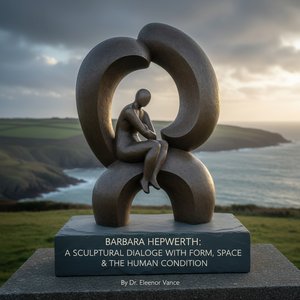
Barbara Hepworth: A Sculptural Dialogue with Form, Space & the Human Condition
Explore the profound world of Barbara Hepworth's sculpture. Discover her artistic evolution, iconic forms, and lasting influence on modern art. A guide for collectors & enthusiasts.