 Ulje na platnu
 Sve o djelu Stonehenge

































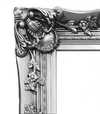

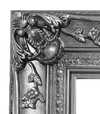


 Za umjetnička djela ili reprodukcije veće od 105 cm (približno 41 inč) na bilo kojoj strani, okvir će biti isporučen u obliku rastavljenog seta za montažu. Ovaj način osigurava sigurnu dostavu i sprječava oštećenja tijekom transporta.


The Depiction of Stonehenge by John Constable
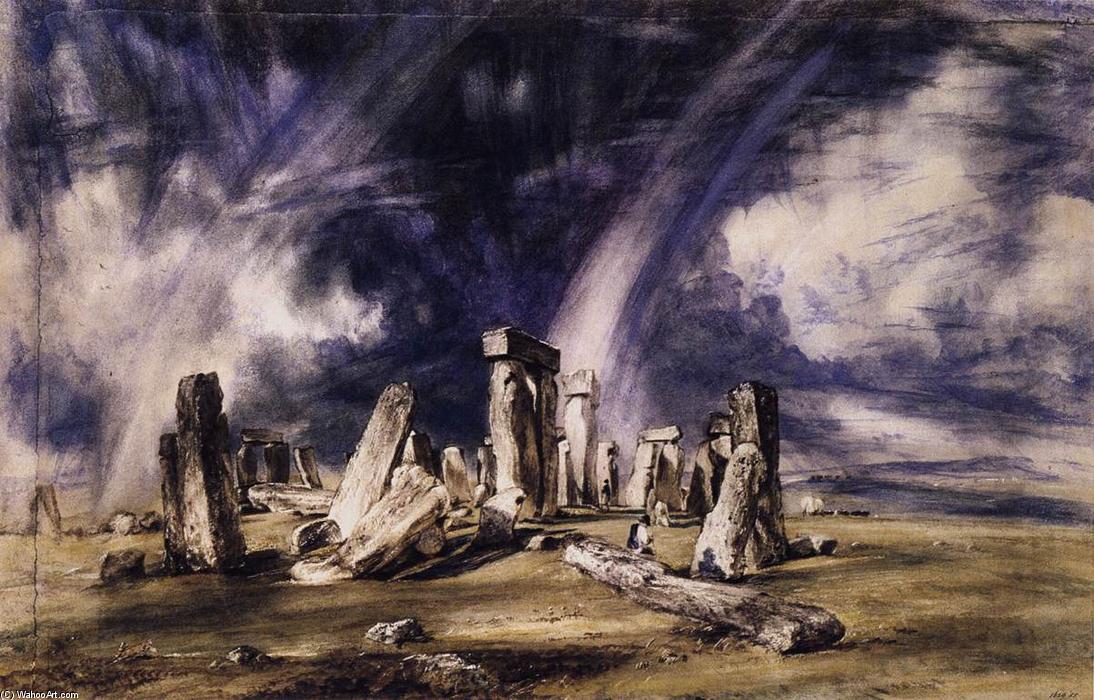
In this watercolor, John Constable captures the heavy presence of Stonehenge. Large rocks dominate the foreground, their forms fractured by time. Some stones remain upright, reaching toward the sky, while others have fallen, lying on their sides amidst the earth. A cloudy sky hangs above the monument, casting a diffused light over the weathered surfaces of the megaliths.
Human presence is small against the weight of the stones. Two figures inhabit the landscape. One person stands near the center of the scene, a quiet point of scale against the ancient rock. Another figure is positioned further to the right, moving through the periphery of the composition. The figures appear dwarfed by the immensity of the stones and the vast, overcast atmosphere.
The scene is a study of stillness. The arrangement of the rocks and the muted light create a moment of quietude. The stones rest in a landscape that feels both permanent and remote. A pale light settles upon the ground.
Technique and Materials of the Artwork
The artist worked upon paper, a surface that accepts the soft touch of black chalk. These dark, skeletal lines provide a structural foundation, mapping the heavy presence of the stones before the color arrives. It is a drawn work, where the precision of the hand meets the fluid nature of the medium.
Watercolor washes layer over the chalk, creating a sense of atmosphere through translucent pigment. The medium moves across the paper in delicate dances of grey and pale blue. These washes build a sense of depth, mimicking the way light filters through a misty sky to touch the weathered surfaces of the rocks. The interaction between the dry, dark lines and the wet, light pigments captures a specific, fleeting moment of light.
Where to See This Artwork Today
The watercolor rests within the Victoria and Albert Museum in London. This institution, often called the V&A, holds the work in its permanent collection. It is situated in South Kensington, United Kingdom.
Visitors find the piece among the vast holdings of the museum. The halls of the V&A house many objects, but this specific depiction of the stone circle remains a quiet presence in the London landscape. The museum's location in South Kensington provides a steady anchor for the work's continued preservation.
The museum's collection includes various other works by the artist, such as:
- Wivenhoe Park, Essex
- Maria Bicknell (Mrs. John Constable), 1816
The stones remain held in this place. A stillness lingers in the museum air.
Related Works by John Constable
The river and the sky define much of his vision. In 1821, he captured the movement of the water in The Hay Wain. He turned his gaze toward the meadows in 1831 with Salisbury Cathedral from the Meadows. These scenes reflect a life spent observing the shifting light over the English landscape.
The earth and its textures appear in other studies. He painted The Cornfield in 1826 and The Lock in 1824. His brush also moved across the grounds of Wivenhoe Park, Essex. Even in more personal subjects, such as the 1816 work featuring Maria Bicknell, the artist sought to record the truth of what he saw. The light settles quietly on the grass.
Pitanja i odgovori
Je li Stonehenge ručno oslikano ili je riječ o printu?
Ručno oslikano: profesionalni slikar prepisuje Stonehenge uljanim bojama na platno od lana.
Koje dimenzije odabrati za Stonehenge?
Dimenzije originala su 387 x 591 cm. Veličine se kreću od 25.3 x 39.5 cm (€200) do 154.5 x 241.5 cm (€1440); u tablici na ovoj stranici navedeni su dostupni formati i njihove cijene.
Koliko traje dostava?
Isporuka traje od 4 do 5 tjedana uz besplatnu ekspresnu dostavu širom svijeta; na ovoj stranici dostupna je i opcija hitne proizvodnje. Proizvod možete vratiti u roku od 100 dana uz puni povrat novca, bez ikakvih uvjeta.
Gdje se nalazi originalno djelo Stonehenge?
Original se nalazi u kolekciji Victoria and Albert Museum, London.
Koji je medij koristio/la John Constable za djelo Stonehenge?
Watercolor
 Pregledaj u realnoj veličini

 Pošalji
 Podijeli
 Detalji o umjetničkom djelu
 Informativni list za tisak


 Preuzmi umjetničko djelo
 Slični predmeti
 Rentgenska snimka
 Slide show
 Pitanja i odgovori

 Statistika