

 Pregledaj u stvarnoj veličini
 Pošalji
 Podijeli
 Detalji o umjetničkom djelu

 Preuzmi
 Slični predmeti
 Rentgenska snimka
 Automatska prezentacija
Evening prayer
 Prikaži više
Ručno rađena uljana reprodukcija
Ručno oslikano uljanim bojama na platnu u dimenzijama i okviru po vašem izboru, izrađeno po narudžbi od strane naših umjetnika. ( Kupi print Kupi digitalnu sliku)




































Odaberite jednu od naših unaprijed definiranih veličina koje odgovaraju izvornim proporcijama umjetničkog djela.

Možete unijeti vlastite dimenzije kako bi odgovarale određenom okviru ili prostoru. Ako odabrana veličina ne odgovara proporcijama izvorne slike, izrezat ćemo umjetničko djelo ili proširiti sliku dodatnim ručno oslikanim elementima. Digitalni nacrt bit će vam poslan na odobrenje prije početka proizvodnje.
Imajte na umu da pregled na ekranu ne prikazuje stvarno izrezivanje ili proširivanje. Samo će nacrt točno prikazati konačni sastav.
Iako su dostupne prilagođene veličine, preporučujemo odabir dimenzije s preddefiniranog popisa kako bismo očuvali izvorne proporcije.
Nakon narudžbe, tim OriginalUniqueArt.com kontaktirat će klijenta putem e-pošte radi dobivanja uputa te dostaviti probni prikaz (mockup).
Isporuka širom svijeta () u roku od 3-4 tjedna umjesto standardnih 5 tjedana. (25 Kolovoz). Bez kompromisa u kvaliteti.

Besplatna ekspresna dostava širom svijeta

Visokokvalitetno laneno platno

Potpuno osiguranje dostave

Jamstvo povrata carine i uvoznih poreza

Garancija vjernog podudaranja boja

Politika povrata u roku od 60 dana (samo u slučaju nedostataka)

Jamstvo povrata 100% novca

Popust na više proizvoda
 Opcija stakla dostupna je samo za dimenzije manje od 110 cm

Evening prayer
Tehnika reprodukcije
Veličina reprodukcije
-


Ukupna cijena
$ 300
Biografija umjetnika
A Legacy of Light and Spanish Soul
The story of John Bagnold Burgess is one deeply rooted in the rich, artistic soil of nineteenth-century London. Born in Chelsea in 1829, Burgess was not merely an observer of art but a descendant of it. He emerged from a distinguished lineage of painters, most notably as the son of Henry William Burgess, a landscape artist who served the court of King William IV. This familial connection to the Royal Academy and the traditions of British portraiture provided him with a foundation of technical excellence from his earliest years. Following the untimely loss of his father when he was only ten, young Burgess found mentorship in the hands of William Charles Ross, a master of miniature painting. This early training instilled in him a profound reverence for meticulous detail and a delicate touch that would later define his ability to capture the subtle textures of fabric, skin, and stone.
His formal education at Brompton Grammar School and subsequent studies at James Mathews Leigh's Art School in Soho prepared him for the rigors of academic realism. By 1849, Burgess had already begun to distinguish himself within the prestigious Academy schools, earning a first-class medal for life drawing—a testament to his command over the human form. While his early career saw him engaging with the prevailing Victorian trends of portraiture and genre scenes, it was a transformative journey in 1858 that would forever alter the course of his creative life. Accompanied by the artist Edwin Long, Burgess embarked on an expedition to Spain, a voyage that would shift his gaze from the studios of London to the sun-drenched landscapes and vibrant cultures of the Iberian Peninsula.
The Spirit of the Spanish Genre
It was within the rhythmic pulse of Spanish life that Burgess found his true artistic voice. Rather than approaching Spain as a mere tourist, he immersed himself in the daily existence of its people, becoming an unparalleled chronicler of rural traditions and historical narratives. His work moved beyond simple documentation; he sought to capture the very essence of the Spanish spirit—the dignity of the peasant, the drama of local customs, and the atmospheric light that defines the Mediterranean landscape. Through his eyes, viewers were transported to bustling plazas and quiet village corners, where the social interactions of ordinary Spaniards were elevated to the level of high art.
Burgess’s mastery lay in his ability to blend academic precision with a profound sense of narrative empathy. His paintings often featured:
- Historical Depth: A meticulous research into historical contexts that allowed him to recreate bygone eras with scholarly accuracy.
- Cultural Authenticity: An intimate portrayal of Spanish customs, from the vibrant attire of gypsies to the solemnity of religious processions.
- Luminous Realism: A sophisticated use of light and shadow to evoke the warmth of the Spanish sun and the dramatic tension of genre scenes.
Works such as 'A Gypsy Girl of Seville' and 'Scene in Spain, near Seville' serve as enduring windows into this vanished world. In these canvases, the textures of embroidered lace, the weathered surfaces of ancient walls, and the expressive gazes of his subjects coalesce to create a sense of living history. His dedication to realism was never hollow; it was always anchored by a desire to convey the soul of the era, making his oeuvre a vital record of nineteenth-century cultural identity.
Artistic Eminence and Lasting Significance
The significance of John Bagnold Burgess extends far beyond the borders of Spain. As an annual contributor to the Royal Academy exhibitions from 1852 until his death in 1897, he maintained a constant presence in the most important art circles of his time. His ability to marry the technical rigors of British academic training with the exotic, emotive subject matter of Spain made him a favorite among collectors and critics alike. He bridged the gap between the formal traditions of his ancestors and the burgeoning interest in ethnographic and genre painting that captivated the Victorian imagination.
Ultimately, the legacy of Burgess is found in his ability to transform the local into the universal. While his subjects were often specific to a particular region or moment in Spanish history, the emotions he captured—pride, hardship, joy, and devotion—resonate across cultures and centuries. He remains a pivotal figure in the history of nineteenth-century art, remembered not just as a painter of scenes, but as a storyteller who used light and color to preserve the fleeting beauty of human tradition.
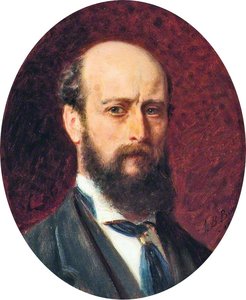
John Bagnold Burgess
1829 - 1897 , United Kingdom
Osnovne informacije
- Artistic Movement Or Style: Academic Realism
- Artists Or Movements Influenced By This Artist: ['Romanticism']
- Artists Who Influenced This Artist: ['William Charles Ross']
- Date Of Birth: October 21, 1829
- Date Of Death: November 2, 1897
- Full Name: John Bagnold Burgess
- Nationality: English
- Notable Artworks:
- Bravo Toro
- Stolen by Gypsies
- Kissing Relics in Spain
- The Barber's Prodigy
- Licensing Beggars in Spain
- Place Of Birth: Chelsea, United Kingdom

