- Početna stranica

- Digitalna umjetnina
- johann lucas kracker
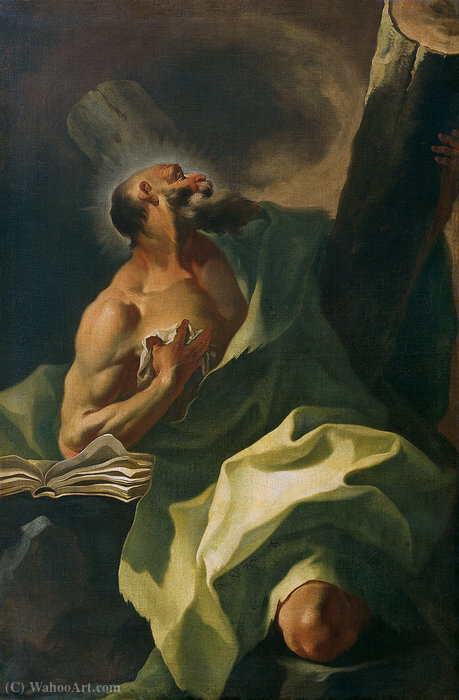
- Saint andrew
 Pregledaj u stvarnoj veličini
 Pošalji
 Podijeli
 Detalji o umjetničkom djelu

 Preuzmi
 Slični predmeti
 Rentgenska snimka
 Automatska prezentacija
Saint andrew
 Prikaži više
Kupite digitalnu sliku visoke rezolucije i poboljšane kvalitete, koja je znatno superiornija od online prikaza.
Svaka datoteka pedantno je pripremljena od strane naših internih stručnjaka koristeći napredne alate i vještinsku ručnu retušu. Osiguravamo da svaka slika ima iznimnu jasnoću, preciznu točnost boja i visoku razinu detalja.
Konačna datoteka dostavlja se putem e-pošte u roku od 72 sata, optimizirana za neposrednu upotrebu u profesionalnim, uredničkim i tiskarskim okruženjima. To je ista kvaliteta kojoj vjeruju vrhunski studiji dizajna, izdavači i galerije.
Digitalna slika
Preuzmite datoteku visoke rezolucije za osobnu izložbu, tisak i kreativne projekte. ( Pređi na tisak Prebacite se na ručno oslikano djelo)
Uključeno uz svaku narudžbu digitalne slike
Profesionalna digitalna dostava, zajamčena
Odabirom OriginalUniqueArt.com ne dobivate samo sliku – dobivate profesionalno unapređeno digitalno umjetničko djelo, izrađeno s najvećom preciznošću uz jamstvo zadovoljstva. Evo svega što automatski dolazi uz vašu narudžbu:

Brza dostava e-poštom
Vaša digitalna slika visoke rezolucije bit će vam poslana e-mailom u roku od 72 sata od narudžbe – spremna za neposrednu upotrebu.

Digitalna datoteka poboljšana AI-om
Vaše umjetničko djelo profesionalno je optimizirano pomoću naprednih AI alata i ručnog uređivanja, čime se osigurava maksimalna razina detalja, oštrine i točnosti boja.

Besplatna ponovna dostava doživotno
Slučajno ste obrisali ili izgubili svoju datoteku? Ne brinite – ponovno ćemo vam je poslati u bilo kojem trenutku, potpuno besplatno.

Bez uvoznih carina – ikada
Uživajte u svojim umjetničkim djelima trenutno, bez carina, pristojbi ili troškova dostave – digitalne datoteke uvijek su oslobođene poreza.

Jamstvo točnosti boja
Uz pomoć profesionalnih alata i upravljanja bojama, osiguravamo da vaša digitalna slika što vjernije odražava izvorne boje.

Jamstvo zadovoljstva u trajanju od 60 dana
Ako niste zadovoljni svojom digitalnom slikom, revidirat ćemo je ili vratiti 100% novca u roku od 60 dana – bez ikakvih pitanja.

100% Jamstvo povrata novca
Niste zadovoljni? Osigurajte puni povrat novca u roku od 60 dana od primitka vaše digitalne datoteke – bez suvišnih pitanja.

Popusti na velike narudžbe
Kupite 3 slike, uštedite 10% - Kupite 5 slika, uštedite 15% - Kupite 10+ slika, uštedite 20%. Odlično za kreativne projekte, galerije i agencije.
Biografija umjetnika
The Celestial Brush of the Late Baroque: The Life of Johann Lucas Kracker
In the grand, sweeping tapestry of Central European art, few names evoke the spiritual drama and architectural splendor of the late Baroque period as poignently as Johann Lucas Kracker. Born in Vienna in 1717, Kracker emerged from a lineage deeply rooted in the tactile world of sculpture, being the son of the sculptor Josef Kracker. This early exposure to the three-dimensional weight of form would later inform his approach to two-dimensional surfaces, allowing him to breathe a sculptural vitality into his frescoes and altarpieces. His journey was one of movement and light, traversing the great artistic hubs of the 18th century—from the academic rigor of Vienna to the vibrant religious landscapes of Moravia and Hungary.
Kracker’s artistic soul was forged in the prestigious halls of the Academy of Fine Arts Vienna. Under the mentorship of Anton Hertzog, he mastered the foundational principles of classical composition, yet it was his time spent alongside masters such as Paul Troger and Michelangelo Unterberger that truly refined his ability to capture the divine. These influences instilled in him a sense of Baroque dynamism—a way to manipulate light and shadow to create an illusion of infinite space. His early work at the Schlosskirche St. Martin in Graz, though tragically lost to fire, served as a monumental testament to his burgeoning mastery, signaling the arrival of a painter capable of transforming stone and plaster into windows to the heavens.
A Journey Through Sacred Spaces
As Kracker’s reputation grew, so too did the geographical scope of his commissions. His career was a pilgrimage through the heart of the Holy Roman Empire's religious landscape. In Brno and throughout Moravia, he established himself as a premier craftsman, navigating the complexities of local guilds and ecclesiastical patronage with remarkable skill. Even when faced with the professional hurdles of Prague’s Painters' Guild, Kracker’s ambition remained undeterred, leading him to undertake the ambitious decoration of the Church of St. Nikolaus in Malá Strana—a project that solidified his status as a daring visionary who refused to be constrained by convention.
The breadth of his oeuvre is best understood through the subjects he chose to immortalize:
- Religious Iconography: His ability to render the profound sanctity of figures like Saint Andrew and John of Nepomuk allowed worshippers to feel a direct, emotional connection to the divine.
- Dramatic Narratives: In works such as The Council in Trident, Kracker utilized rich colors and intricate architectural details to recreate the historical gravity of pivotal religious gatherings.
- Devotional Scenes: From the tender intimacy of The Holy Family to the missionary fervor found in St. Francis of Solano Baptizing Indians, his brush captured the full spectrum of Christian emotion.
Legacy and the Eger Twilight
The final chapter of Kracker’s life saw him settling in Eger, where he found a prestigious sanctuary under the patronage of Bishop Karl von Esterhazy. It was here, amidst the breathtaking frescoes of the Minorite Church, that his talent reached a state of serene maturity. His work in Eger remains a cornerstone of Hungarian Baroque heritage, showcasing a seamless integration of painting and architecture that continues to inspire awe. When he passed away in 1779, Kracker left behind more than just paintings; he left a legacy of spiritual transcendence. Through his mastery of color, light, and movement, he ensured that the grandeur of the Baroque era would endure, etched forever into the ceilings and altars of Europe.

johann lucas kracker
1719 - 1779 , Austria
Kratke činjenice
- Artistic Movement Or Style: Baroque
- Artists Or Movements Influenced By This Artist: ['Tobias Kracker']
- Artists Who Influenced This Artist:
- Paul Troger
- Michelangelo Unterberger
- Date Of Birth: March 3, 1717
- Full Name: Johann Lucas Kracker
- Nationality: Austrian-Czech
- Notable Artworks:
- Saint Andrew
- John of Nepomuk
- Place Of Birth: Vienna, Austria

