
 Pregledaj u stvarnoj veličini
 Podijeli
 Podijeli
 Detalji
 Vodič
Vodič

 Preuzmi datoteku
 Slični predmeti
 Rentgenska snimka
 Slide show
 Statistika
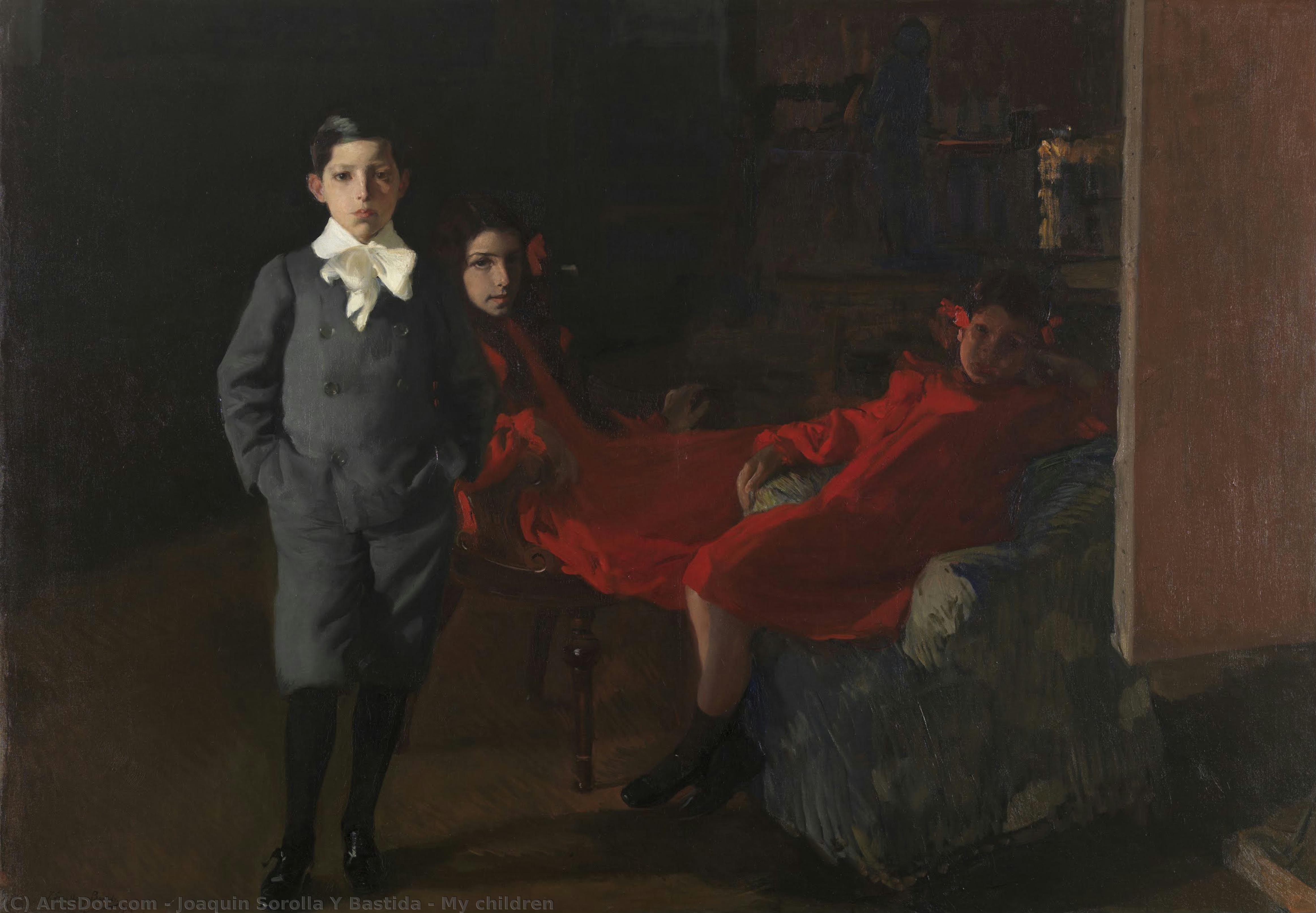
My children


 Pročitajte više
Ručno rađena uljana reprodukcija
Ručno oslikano uljanim bojama na platnu u dimenzijama i okviru po vašem izboru, izrađeno po narudžbi od strane naših umjetnika. ( Prebacite na prodaju printova Prebacite na digitalnu prodaju slika)




P118B €10

P118H €10

P118W €10

P438Z €10

P508JH €12

P508YH €12

P805H €10

P805Z €10

P919BZ €10

P919G €10

P919XJ €10

P959ZH €10

P968JZ €12

W106C €8

W218G €10

W218JH €8

W218Y €10

W307PJ €10

W316G €10

W316PJ €8

W316Y €10

W398PJ €8

W4111J €10

W500HY €15

W500JH €15

W692G €12

W849H €8

W940BG €15

W953PJ €8




Odaberite jednu od naših unaprijed definiranih veličina koje odgovaraju izvornim proporcijama umjetničkog djela.

Unesite širinu i visinu koja vam je potrebna, kako bi odgovarali vašem okviru ili zidu. Budući da je ovo ručno oslikano djelo, umjetnik može malo proširiti rubove slike ili ih skratiti kako bi postigao željeni oblik — izbor je vaš. Prije početka slikanja poslat ćemo vam digitalni prikaz (mockup) radi potvrde. Slika prikazana na ovoj stranici ne predstavlja stvarni rezultat — samo digitalni prikaz to čini.
Nakon narudžbe, tim OriginalUniqueArt.com kontaktirat će klijenta putem e-pošte radi dobivanja uputa te dostaviti probni prikaz (mockup)
Isporuka širom svijeta () u roku od 3-4 tjedna umjesto standardnih 5 tjedana. (26 Listopad). Bez kompromisa u kvaliteti.

Besplatna ekspresna dostava širom svijeta

Visokokvalitetno laneno platno

Potpuno osiguranje transporta

Jamstvo povrata carine i uvoznih poreza

Jamstvo vjernosti boja

Politika povrata u roku od 100 dana (samo u slučaju nedostataka)

Jamstvo povrata 100% novca

Popust na više proizvoda
 Opcija stakla dostupna je samo za dimenzije manje od 110 cm

My children
Tehnika izrade
Veličina reprodukcije
-


Ukupna cijena
€ 285
Joaquín Sorolla y Bastida: Capturing Spanish Light & Life – A Legacy of Impressionism
Joaquín Sorolla y Bastida (1863–1923) stands as a beacon of Spanish Impressionism, an artist who irrevocably transformed the depiction of light and color in painting. Born in Valencia, his early life was marked by profound loss—orphaned at two following a devastating cholera epidemic—leaving him to be nurtured by his maternal aunt and uncle. This formative experience instilled within him a deep appreciation for fleeting beauty, a sentiment that would become central to his artistic vision. His formal training began in Valencia, honing his skills under influential figures like Cayetano Capuz and José Benlliure before embarking on a transformative four-year scholarship to Rome, immersing himself in the grandeur of classical art alongside fellow artists. It was this immersion that cemented Sorolla’s stylistic trajectory toward capturing the essence of Mediterranean life with unparalleled vibrancy.- Subject Matter: Sorolla's oeuvre is dominated by scenes of idyllic coastal landscapes and intimate portraits—particularly those depicting children bathed in sunlight. “My Children,” completed in 1904, exemplifies this preoccupation, portraying his son Joaquín standing alongside his daughters María and Elena within a sunlit interior.
- Style: Sorolla’s style is unmistakably Impressionistic, prioritizing the immediate sensation of light and color over meticulous detail. He eschewed academic conventions, favoring loose brushstrokes and vibrant hues to convey atmosphere and emotion—a deliberate departure from prevailing artistic trends of his time.
- Technique: Employing oil paints on canvas with a masterful command of technique, Sorolla achieved remarkable luminosity through layering glazes and utilizing optical blending. This meticulous approach ensured that every surface radiated warmth and reflected the brilliance of the Mediterranean sun.
Influences & Inspirations – Las Meninas Revisited
Sorolla’s artistic sensibilities were profoundly shaped by Diego Velázquez's “Las Meninas,” a monumental portrait capturing the royal court at Madrid’s Prado Palace. He famously acknowledged this influence, mirroring Velázquez’s compositional strategy—centering the figures in the foreground and creating a deep background that enhances spatial depth—a technique he skillfully adapted to his own subjects. Furthermore, Sorolla drew inspiration from John Singer Sargent's “Daughters of Edward Darley Boit,” another celebrated group portrait executed in 1883, demonstrating an awareness of contemporary artistic dialogues.Symbolism & Emotional Impact
“My Children” transcends mere representation; it embodies a powerful symbolic resonance. The depiction of the family—father and three daughters—represents domestic tranquility and familial connection—themes that permeate Sorolla’s entire body of work. More than just capturing a snapshot in time, Sorolla aimed to evoke an emotional response from the viewer, conveying warmth, joy, and the profound beauty of childhood innocence. His canvases radiate optimism and celebrate the simple pleasures of life under the Mediterranean sun.Legacy & Recognition
Joaquín Sorolla’s legacy extends far beyond his artistic achievements. He was awarded the Premio Nadal in 1904, cementing his reputation as Spain's foremost painter. His paintings are housed in prestigious museums worldwide—including the Museo Sorolla in Madrid and Valencia—testament to their enduring appeal and artistic significance. Today, reproductions of “My Children” continue to inspire collectors and interior designers alike, capturing the timeless beauty of Sorolla’s Impressionistic vision.Pitanja i odgovori
Gdje se danas može vidjeti djelo "My children" autora Joaquin Sorolla?
"My children" autora Joaquin Sorolla je izložen/a u muzeju Sorolla Museum, Madrid, Španjolska. Navedeni muzej odnosi se na izvornom djelo, a ne na reprodukcije.
Izgledaju li boje djela "My children" jarke ili nježne?
Intenzitet boja djela "My children" je Monochromatic. Intenzitet opisuje koliko se boje čine snažnima.
Jesu li boje djela "My children" autora Joaquin Sorolla zasićene ili prigušene?
Paleta djela "My children" ima Muted zasićenost.
Biografija umjetnika
Joaquín Sorolla y Bastida – A Life Bathed in Light
Joaquín Sorolla y Bastida, a name synonymous with the radiant light and vibrant energy of Spain, was more than just a painter; he was a chronicler of his nation’s soul. Born in Valencia in 1863, Sorolla's early life was marked by tragedy. Orphaned at the tender age of two following a cholera epidemic that claimed both parents, young Joaquín and his sister were raised by their maternal aunt and uncle. This early experience with loss perhaps instilled within him a profound appreciation for the fleeting beauty of life – a sentiment that would permeate his art. Though hardship shadowed his beginnings, it did not dim the spark of artistic talent that quickly became apparent. He received initial instruction in Valencia, demonstrating an aptitude that led to studies under established artists like Cayetano Capuz and José Benlliure, eventually culminating in a four-year grant to study in Rome. It was there, amidst the classical grandeur of Italy, that Sorolla began to forge his unique artistic path, absorbing influences while simultaneously developing a style distinctly his own.Early Life and Influences
Joaquín Sorolla’s formative years were shaped by profound loss and familial resilience. Born into a modest Valencian family, he endured the devastating impact of cholera when both his parents succumbed to illness at just two years old. Raised by his maternal aunt and uncle—a locksmith—he experienced firsthand the hardships faced by ordinary Spaniards during that era. This early exposure to adversity undoubtedly instilled within him an empathy for human suffering and a deep fascination with capturing emotion in his art. His artistic education commenced at Valencia’s School of Artisans, where he honed his skills under instructors like Cayetano Capuz and José Benlliure—artists who championed realism and celebrated the beauty of everyday life. Recognizing Sorolla's exceptional talent, he secured a prestigious scholarship to study painting in Rome in 1884, immersing himself in the artistic milieu of Italy and encountering luminaries such as Francisco Pradilla Ortiz, the director of the Spanish Academy in Rome—a pivotal encounter that would profoundly influence his artistic vision.Rome and Impressionistic Explorations
Sorolla’s time in Rome proved transformative, propelling him toward a distinctly Impressionistic style. He diligently studied masterpieces by artists like Jules Bastien-Lepage and Adolf von Menzel, absorbing their techniques for capturing light and color—a stylistic approach that would become central to his oeuvre. The Academy of Fine Arts welcomed him with open arms, fostering an environment conducive to experimentation and artistic growth. Sorolla’s keen observation of the Roman landscape—particularly its sunlit vistas—inspired countless canvases brimming with vibrant hues and dynamic brushstrokes. He embraced plein air painting wholeheartedly, striving to faithfully reproduce the ephemeral effects of natural light—a commitment that distinguished him from many of his contemporaries who favored studio-based methods. This dedication to capturing the immediacy of experience would become a hallmark of Sorolla’s artistic practice throughout his career.The Valencian Coast and Luminism
Sorolla's artistic sensibilities found their most compelling expression in depictions of the Valencian coast—a region he cherished deeply and revisited repeatedly during his lifetime. He became captivated by the intense Mediterranean sunlight, the shimmering sea, and the lively rhythms of coastal life—subjects that would dominate his output for decades to come. Sorolla’s technique evolved into what is now recognized as Luminism—a style characterized by bold, impastoed brushstrokes designed to convey maximum luminosity and atmospheric depth. He meticulously studied how light interacted with surfaces, capturing its subtle nuances and transforming ordinary scenes into canvases of breathtaking beauty. Paintings like *Children on the Seashore* exemplify this masterful approach—figures bathed in golden light, rendered with an unparalleled sense of spontaneity and vitality. Sorolla’s ability to evoke emotion through color and texture cemented his reputation as one of Spain's foremost artists.Legacy and Recognition
Joaquín Sorolla y Bastida achieved international acclaim during his lifetime, exhibiting extensively throughout Europe and the United States—receiving numerous honors and commissions that affirmed his stature as a leading figure in the artistic landscape of his era. His monumental mural cycle commissioned by the Hispanic Society of America—titled *Vision of Spain*—stands as an enduring testament to his artistic ambition and technical prowess—a project completed posthumously and showcasing his unparalleled command of color and composition. Sorolla’s influence extended far beyond his own lifetime, inspiring generations of artists who sought to emulate his distinctive Luminist style. Today, his paintings reside in prominent museums globally—including the Museo Sorolla in Madrid—where they continue to captivate audiences with their radiant beauty and evocative portrayal of Spanish life—a legacy that secures Sorolla’s place as a cornerstone of Spanish art history.
Joaquin Sorolla
1863 - 1923 , Španjolska
Brzi pregled
- Artistic Movement Or Style: Realizam, Luminizm, Impresionizam
- Artists Or Movements Influenced By This Artist: ['Impressionisti']
- Artists Who Influenced This Artist:
- Francisco Pradilla
- Jules Bastien-Lepage
- Adolph von Menzel
- Date Of Birth: 27. veljače 1863.
- Date Of Death: 10. kolovoza 1923.
- Full Name: Joaquín Sorolla y Bastida
- Nationality: Španjolski
- Notable Artworks:
- Marguerite
- Povratak iz ribolova
- Žalosna naslednica
- Place Of Birth: Valencia, Španjolska
Povezani članci
Turn Family Photos into Masterpiece Oil Portraits: The Art of Timeless Legacy
Transform cherished family memories into timeless legacies with bespoke, hand-painted oil portraits. Our master artists reimagine your photos as museum-quality masterpieces, offering unparalleled craftsmanship and elegance for the discerning collector.


