

 Pregledaj u stvarnoj veličini
 Pošalji
 Podijeli
 Detalji o umjetničkom djelu

 Preuzmi
 Slični predmeti
 Rentgenska snimka
 Automatska prezentacija
Présentation de la croix à l’Enfant Jésus

 Prikaži više
Kupite digitalnu sliku visoke rezolucije i poboljšane kvalitete, koja je znatno superiornija od online prikaza.
Svaka datoteka pedantno je pripremljena od strane naših internih stručnjaka koristeći napredne alate i vještinsku ručnu retušu. Osiguravamo da svaka slika ima iznimnu jasnoću, preciznu točnost boja i visoku razinu detalja.
Konačna datoteka dostavlja se putem e-pošte u roku od 72 sata, optimizirana za neposrednu upotrebu u profesionalnim, uredničkim i tiskarskim okruženjima. To je ista kvaliteta kojoj vjeruju vrhunski studiji dizajna, izdavači i galerije.
Digitalna slika
Preuzmite datoteku visoke rezolucije za osobnu izložbu, tisak i kreativne projekte. ( Kupi print Kupi ručno naslikanu sliku)
Uključeno uz svaku narudžbu digitalne slike
Profesionalna digitalna dostava, zajamčena
Odabirom OriginalUniqueArt.com ne dobivate samo sliku – dobivate profesionalno unapređeno digitalno umjetničko djelo, izrađeno s najvećom preciznošću uz jamstvo zadovoljstva. Evo svega što automatski dolazi uz vašu narudžbu:

Brza dostava e-poštom
Vaša digitalna slika visoke rezolucije bit će vam poslana e-mailom u roku od 72 sata od narudžbe – spremna za neposrednu upotrebu.

Digitalna datoteka poboljšana AI-om
Vaše umjetničko djelo profesionalno je optimizirano pomoću naprednih AI alata i ručnog uređivanja, čime se osigurava maksimalna razina detalja, oštrine i točnosti boja.

Besplatna ponovna dostava doživotno
Slučajno ste obrisali ili izgubili svoju datoteku? Ne brinite – ponovno ćemo vam je poslati u bilo kojem trenutku, potpuno besplatno.

Bez uvoznih carina – ikada
Uživajte u svojim umjetničkim djelima trenutno, bez carina, pristojbi ili troškova dostave – digitalne datoteke uvijek su oslobođene poreza.

Jamstvo točnosti boja
Uz pomoć profesionalnih alata i upravljanja bojama, osiguravamo da vaša digitalna slika što vjernije odražava izvorne boje.

Jamstvo zadovoljstva u trajanju od 60 dana
Ako niste zadovoljni svojom digitalnom slikom, revidirat ćemo je ili vratiti 100% novca u roku od 60 dana – bez ikakvih pitanja.

100% Jamstvo povrata novca
Niste zadovoljni? Osigurajte puni povrat novca u roku od 60 dana od primitka vaše digitalne datoteke – bez suvišnih pitanja.

Popusti na velike narudžbe
Kupite 3 slike, uštedite 10% - Kupite 5 slika, uštedite 15% - Kupite 10+ slika, uštedite 20%. Odlično za kreativne projekte, galerije i agencije.
Biografija umjetnika
A Quiet Master of French Classicism: The Life and Art of Jean Tassel
Born in the picturesque city of Langres, France, in 1608, Jean Tassel emerged from a period steeped in artistic transition. While not a name immediately recognized alongside the giants of the High Renaissance or Baroque movements, Tassel occupies a fascinating niche as a skilled practitioner and subtle innovator within the evolving landscape of French Classicism. His life, though relatively undocumented compared to his more celebrated contemporaries, reveals a dedication to refined portraiture and an astute understanding of form and character that resonated with the aristocratic circles of 17th-century France. The early decades of the 17th century saw France striving to define its own artistic identity, moving away from the overt drama of Italian Mannerism towards a more restrained elegance – a direction Tassel wholeheartedly embraced. Little is known about his formal training; however, the quality and sophistication of his work suggest an apprenticeship under a capable master, likely within Langres or perhaps a sojourn in one of the larger artistic centers like Dijon.The Portraitist of Provincial Nobility
Tassel’s oeuvre is primarily comprised of portraits, predominantly depicting members of the regional nobility and burgeoning bourgeoisie of eastern France. This focus wasn't born of limitation but rather a deliberate choice. He became highly sought after for his ability to capture not merely likenesses, but also the *essence* of his sitters – their social standing, intellectual curiosity, and inner lives. Unlike some portraitists who emphasized ostentatious displays of wealth through elaborate costumes and settings, Tassel favored a more intimate approach. His portraits are characterized by subtle gradations of light and shadow, meticulously rendered fabrics, and an unwavering attention to detail in the depiction of facial features. He possessed a remarkable talent for conveying texture – the sheen of silk, the weight of velvet, the delicate flush of skin. These qualities made his work particularly appealing to patrons who valued discretion and understated elegance. While he did not produce grand historical or mythological scenes, Tassel elevated portraiture to an art form that spoke volumes about the values and aspirations of a specific social class during a pivotal period in French history.Influences and Artistic Development
Identifying direct influences on Tassel’s style is a nuanced undertaking. The prevailing artistic currents of his time – the works of Anthony van Dyck, who spent significant periods painting at the French court, and the emerging Classicism championed by artists like Nicolas Poussin – undoubtedly shaped his aesthetic sensibilities. However, Tassel didn't simply imitate these masters; he synthesized their lessons with a distinctly personal vision. Early works reveal a certain debt to Van Dyck’s fluid brushwork and elegant poses, but as his career progressed, Tassel developed a more restrained palette and a greater emphasis on psychological realism. His portraits began to exhibit a quiet dignity and intellectual depth that set them apart from the more flamboyant styles of his predecessors. He also appears to have been influenced by the growing interest in scientific observation during the 17th century, as evidenced by the anatomical accuracy and meticulous rendering of detail in his work.Major Achievements and Lasting Legacy
While Tassel may not be a household name, his contributions to French art are significant. He established himself as one of the leading portraitists of eastern France, leaving behind a substantial body of work that provides invaluable insights into the lives and customs of the regional aristocracy. His ability to capture both physical likeness and psychological depth was highly praised by his contemporaries. Furthermore, Tassel’s emphasis on understated elegance and refined technique helped pave the way for the development of French Rococo portraiture in the 18th century. His paintings are not merely historical documents; they are compelling works of art that continue to captivate viewers with their beauty, subtlety, and emotional resonance. Though he passed away in 1667, his legacy lives on through the numerous portraits that grace private collections and museums, offering a glimpse into a world of quiet dignity and artistic mastery.Rediscovering Jean Tassel: A Modern Appreciation
For centuries, Jean Tassel remained largely overlooked by art historians, overshadowed by more prominent figures. However, recent scholarship has begun to shed light on his remarkable talent and significant contributions to French Classicism.- His portraits offer a unique window into the lives of the provincial nobility.
- The meticulous detail and subtle psychological depth of his work are increasingly recognized for their artistic merit.
- Tassel’s influence on subsequent generations of French portraitists is becoming more apparent.
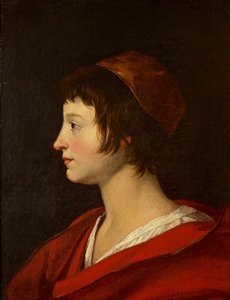
jean tassel
1608 - 1667

