
 Pregledaj u stvarnoj veličini
 Pošalji
 Podijeli
 Detalji o umjetničkom djelu

 Preuzmi
 Slični predmeti
 Rentgenska snimka
 Automatska prezentacija
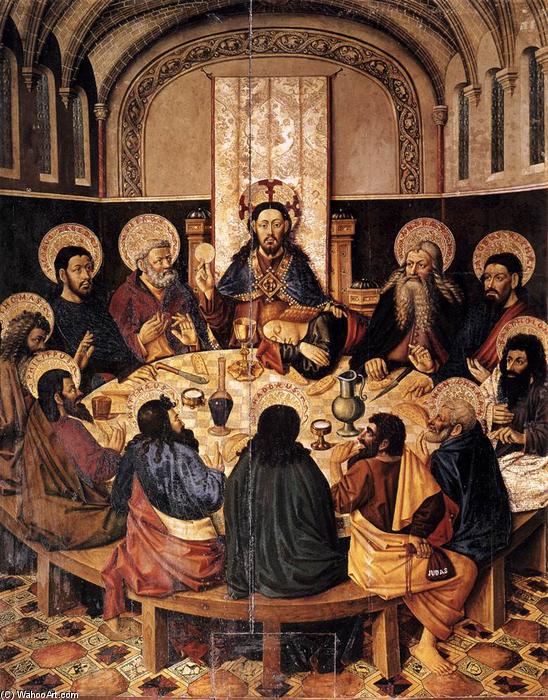
The Last Supper


 Prikaži više
Ručno rađena uljana reprodukcija
Ručno oslikano uljanim bojama na platnu u dimenzijama i okviru po vašem izboru, izrađeno po narudžbi od strane naših umjetnika. ( Kupi print Kupi digitalnu sliku)




































Odaberite jednu od naših unaprijed definiranih veličina koje odgovaraju izvornim proporcijama umjetničkog djela.

Možete unijeti vlastite dimenzije kako bi odgovarale određenom okviru ili prostoru. Ako odabrana veličina ne odgovara proporcijama izvorne slike, izrezat ćemo umjetničko djelo ili proširiti sliku dodatnim ručno oslikanim elementima. Digitalni nacrt bit će vam poslan na odobrenje prije početka proizvodnje.
Imajte na umu da pregled na ekranu ne prikazuje stvarno izrezivanje ili proširivanje. Samo će nacrt točno prikazati konačni sastav.
Iako su dostupne prilagođene veličine, preporučujemo odabir dimenzije s preddefiniranog popisa kako bismo očuvali izvorne proporcije.
Nakon narudžbe, tim OriginalUniqueArt.com kontaktirat će klijenta putem e-pošte radi dobivanja uputa te dostaviti probni prikaz (mockup).
Isporuka širom svijeta () u roku od 3-4 tjedna umjesto standardnih 5 tjedana. (18 Kolovoz). Bez kompromisa u kvaliteti.

Besplatna ekspresna dostava širom svijeta

Visokokvalitetno laneno platno

Potpuno osiguranje dostave

Jamstvo povrata carine i uvoznih poreza

Garancija vjernog podudaranja boja

Politika povrata u roku od 60 dana (samo u slučaju nedostataka)

Jamstvo povrata 100% novca

Popust na više proizvoda
 Opcija stakla dostupna je samo za dimenzije manje od 110 cm

The Last Supper
Tehnika reprodukcije
Veličina reprodukcije
-


Ukupna cijena
$ 300
Biografija umjetnika
Jaume Baco Jacomart: A Valencian Master Bridging Gothic and Renaissance
Jaume Baçó, also spelled Jaume Baco or Jacomart (c. 1410–1461), was a Spanish painter from Valencia whose life remains shrouded in relative obscurity, leaving much of his artistic output to speculation and scholarly reconstruction. Despite the paucity of biographical details, his distinctive style—characterized by an unwavering commitment to early Netherlandish traditions while simultaneously absorbing subtle echoes of Italian Renaissance aesthetics—solidifies his position as a pivotal figure within Valencian art history and a testament to the dynamism of fifteenth-century European painting.
Born around 1410 in Valencia, Baçó’s origins are traced back to a family of artisans, suggesting an upbringing steeped in craftsmanship. Precise information regarding his formative years is scarce; however, he began his artistic career in Valencia itself, honing his skills amidst the flourishing Gothic art scene of the time. By 1442, he accepted a commission from Alfonso V of Aragon, embarking on a journey to Naples where he encountered the burgeoning Renaissance fervor emanating from the papal court.
Naples proved to be a crucible for Baçó’s artistic evolution. The influence of Lorenzo Monaco and other Florentine masters became palpable in his palette and compositional choices—a deliberate departure from the austere formalism of Valencian Gothic, yet firmly rooted in established stylistic precedents. This period witnessed him producing significant works, notably altarpieces that showcased his burgeoning mastery of perspective and color theory.
Returning to Valencia in 1445, Baçó continued to serve as court painter for John II, furthering his artistic endeavors and establishing himself as a respected artist within the region. His subsequent travels to Rome and Tivoli in 1451 cemented his connection with papal patronage and exposed him to the intellectual currents shaping European culture. He returned to Valencia permanently in 1451 and remained there until his death in 1461.
Baçó’s artistic legacy rests primarily on two monumental achievements: the Retable of Saint Anne, now tragically lost, and the Borgia Triptych housed in the Collegiate Church of Xàtiva. These paintings exemplify Baçó's stylistic synthesis—a masterful blend of Netherlandish realism and Italian humanist ideals. Furthermore, his contribution to the Cathedral of Valencia’s decoration – specifically the panels depicting Saint Benedict and Saint Ildephonsus – represents a cornerstone of Valencian artistic heritage.
While Baçó’s oeuvre remains relatively limited compared to contemporaries like Colantonio or Juan Rexach, his influence extended far beyond his immediate productions. He served as mentor to younger artists, shaping the stylistic trajectory of the Valencian school and ensuring that the traditions of early Netherlandish painting persisted in a period increasingly dominated by Renaissance innovation. Jaume Baçó Jacomart’s enduring artistic vision continues to inspire admiration for its expressive power and technical sophistication—a testament to his singular contribution to the visual arts of the fifteenth century.

jaume baço jacomart
1410 - 1461 , Spain
Osnovne informacije
- Artistic Movement Or Style: Early Netherlandish Painting
- Artists Or Movements Influenced By This Artist: ['Italian Renaissance']
- Artists Who Influenced This Artist: ['Colantonio']
- Date Of Birth: c. 1410
- Date Of Death: 1461
- Full Name: Jaume Baçó Jacomart
- Nationality: Spanish
- Notable Artworks:
- Retable of Catì
- Borgia Triptych
- Place Of Birth: Valencia, Spain

