
 Pregledaj u stvarnoj veličini
 Pošalji
 Podijeli
 Detalji o umjetničkom djelu

 Preuzmi
 Slični predmeti
 Rentgenska snimka
 Automatska prezentacija
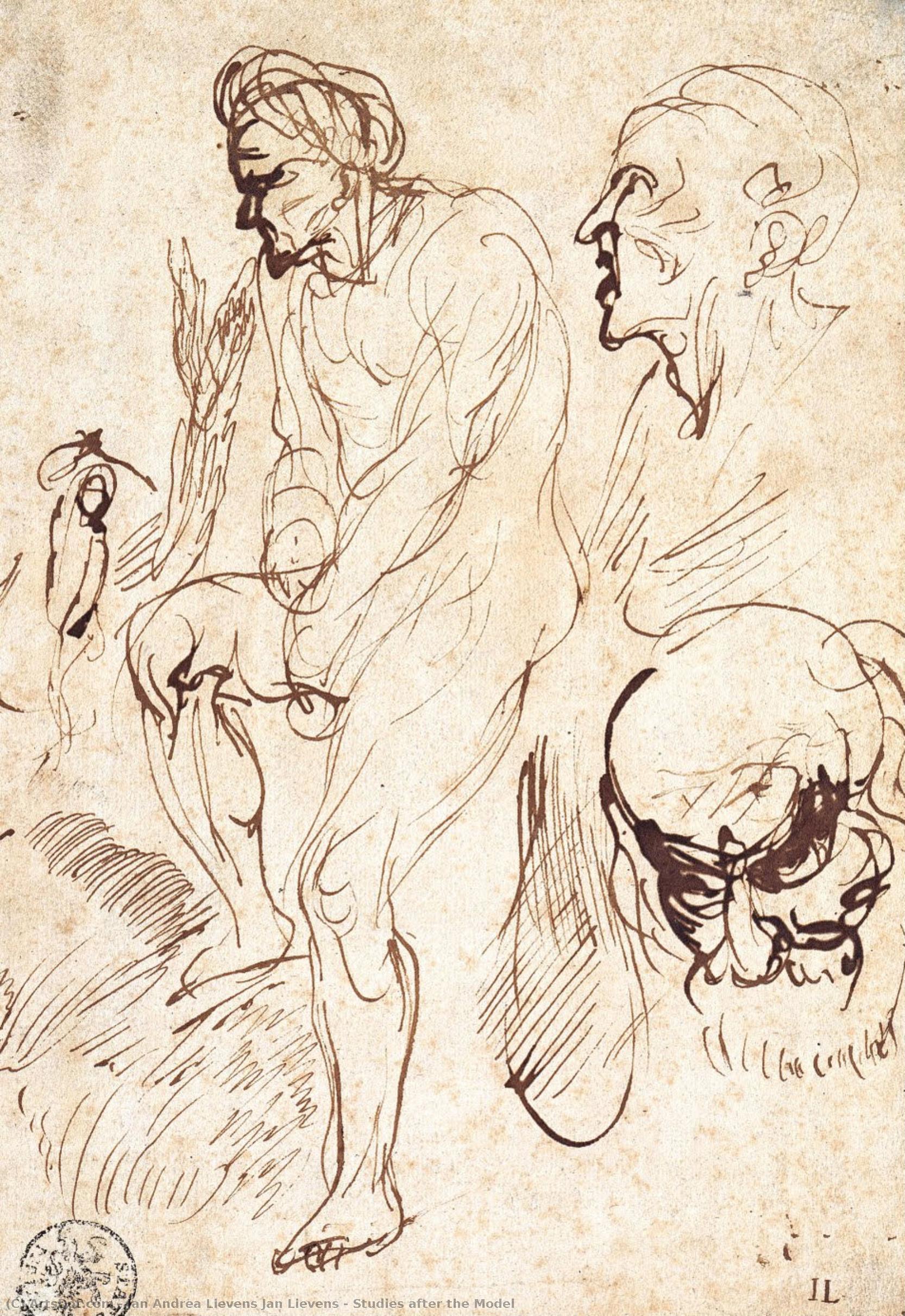
Studies after the Model
 Acrylic On Canvas
- WallArt
- Baroque
 1660
1660 176.0 x 254.0 cm
 Kunstpalast
 Prikaži više
Ručno rađena uljana reprodukcija
Ručno oslikano uljanim bojama na platnu u dimenzijama i okviru po vašem izboru, izrađeno po narudžbi od strane naših umjetnika. ( Kupi print Kupi digitalnu sliku)




P118B $10

P118H $10

P118W $10

P438Z $10

P508JH $12

P508YH $12

P805H $10

P805Z $10

P919BZ $10

P919G $10

P919XJ $10

P959ZH $10

P968JZ $12

W106C $8

W218G $10

W218JH $8

W218Y $10

W307PJ $10

W316G $10

W316PJ $8

W316Y $10

W398PJ $8

W4111J $10

W500HY $15

W500JH $15

W692G $12

W849H $8

W940BG $15

W953PJ $8




Odaberite jednu od naših unaprijed definiranih veličina koje odgovaraju izvornim proporcijama umjetničkog djela.

Možete unijeti vlastite dimenzije kako bi odgovarale određenom okviru ili prostoru. Ako odabrana veličina ne odgovara proporcijama izvorne slike, izrezat ćemo umjetničko djelo ili proširiti sliku dodatnim ručno oslikanim elementima. Digitalni nacrt bit će vam poslan na odobrenje prije početka proizvodnje.
Imajte na umu da pregled na ekranu ne prikazuje stvarno izrezivanje ili proširivanje. Samo će nacrt točno prikazati konačni sastav.
Iako su dostupne prilagođene veličine, preporučujemo odabir dimenzije s preddefiniranog popisa kako bismo očuvali izvorne proporcije.
Nakon narudžbe, tim OriginalUniqueArt.com kontaktirat će klijenta putem e-pošte radi dobivanja uputa te dostaviti probni prikaz (mockup).
Isporuka širom svijeta () u roku od 3-4 tjedna umjesto standardnih 5 tjedana. (21 Kolovoz). Bez kompromisa u kvaliteti.

Besplatna ekspresna dostava širom svijeta

Visokokvalitetno laneno platno

Potpuno osiguranje dostave

Jamstvo povrata carine i uvoznih poreza

Garancija vjernog podudaranja boja

Politika povrata u roku od 60 dana (samo u slučaju nedostataka)

Jamstvo povrata 100% novca

Popust na više proizvoda
 Opcija stakla dostupna je samo za dimenzije manje od 110 cm

Studies after the Model
Tehnika reprodukcije
Veličina reprodukcije
-


Ukupna cijena
$ 375
Opis umjetničkog djela
A Glimpse into a Master’s Studio: The Poignant Studies of Jan Andrea Lievens
Jan Andrea Lievens' “Studies after the Model,” painted in 1660, isn’t merely a preparatory sketch; it’s a profound meditation on observation, character, and the very act of artistic creation. This remarkable pencil drawing, now housed within the Kunstpalast museum in Düsseldorf, offers an intimate window into the working methods of one of Rembrandt's closest collaborators – a man often overshadowed by his more famous partner but possessing a uniquely sensitive and compelling style. The piece immediately draws the viewer in with its quiet intensity; four heads and shoulders, rendered with remarkable detail and a palpable sense of humanity, are arranged within a deliberately understated composition on aged paper. It’s not a grand portrait intended for display, but rather a series of studies, explorations of form and expression that reveal Lievens' meticulous approach to capturing the essence of his subjects.
The figures themselves – three men and one woman – are presented in varying states of repose and contemplation. Their gazes are direct, almost challenging, inviting the viewer into a silent dialogue. Notice the subtle shifts in expression: the furrowed brow of the central male figure, hinting at inner turmoil; the thoughtful tilt of another’s head, suggesting deep reflection; and the enigmatic smile of the woman, a fleeting moment of grace amidst the seriousness of the group. Lievens masterfully utilizes hatching and cross-hatching to build volume and texture, creating a remarkably tactile surface despite the monochromatic palette. The dark browns and blacks aren't merely shades; they’re carefully modulated tones that convey both solidity and vulnerability.
The Caravaggisti Influence: Echoes of Utrecht
Lievens’s style is deeply rooted in the artistic currents of the early 17th century, particularly the influence of the “Utrecht Caravaggisti.” These artists, working primarily in the Low Countries, brought a dramatic intensity and heightened realism to portraiture, drawing inspiration from the theatrical lighting and dynamic compositions of Italian master Caravaggio. This influence is readily apparent in "Studies after the Model," most notably in the use of chiaroscuro – the stark contrast between light and shadow – which sculpts the figures’ forms and imbues them with a sense of drama. The composition itself, with its carefully arranged figures and emphasis on gesture, echoes the dramatic narratives favored by these Caravaggisti painters.
Furthermore, Lievens' meticulous attention to detail, evident in the rendering of individual strands of hair and wrinkles around the eyes, reflects a shared commitment to anatomical accuracy. However, unlike some of his contemporaries who slavishly imitated Caravaggio, Lievens infused this realism with a distinctly personal style – a sensitivity to character and emotion that elevates the studies beyond mere technical exercises. The drawing’s inherent melancholy, a subtle undercurrent beneath the surface, speaks to a deeper understanding of human psychology.
A Window into Rembrandt's Studio
The significance of “Studies after the Model” extends beyond its artistic merits; it offers a fascinating glimpse into the collaborative relationship between Lievens and Rembrandt. The two artists worked closely together for several years, sharing ideas and techniques, and influencing each other’s work. It is believed that Rembrandt himself may have used Lievens' studies as a basis for some of his own portraits, demonstrating a mutual respect and appreciation for one another’s talents. The drawing serves as a tangible reminder of this dynamic partnership – a testament to the shared artistic vision that flourished within Rembrandt’s studio during the Dutch Golden Age.
Today, “Studies after the Model” stands as a poignant example of Lievens' artistry and a valuable historical document. Its quiet intensity and profound insights continue to captivate viewers, inviting them to contemplate the complexities of human nature and the enduring power of artistic observation. Reproductions offer an accessible way to experience this remarkable work firsthand, bringing its evocative atmosphere into any space.
Biografija umjetnika
Život i umjetnički počeci Jana Lievensa
Jan Andrea Lievens, nizozemski slikar rođen u Leidenu 1607. godine, bio je iznimno talentiran umjetnik čiji je rad duboko utkan u tkivo Zlatnog doba nizozemskog slikarstva. Njegovo ime često se spominje uz Rembrandta van Rijna, s kojim ga veže sličan stil i razdoblje stvaralaštva, no Lievens je bio jedinstvena umjetnička ličnost sa svojim vlastitim vizionarskim pristupom. Rođen 24. listopada 1607., Jan je bio sin Lievena Hendricksa, majstora tapiserija. Prema zapisima Arnolda Houbrakena, njegov umjetnički put započeo je pod mentorstvom Jorisa Verschotena, a već u dobi od deset godina upućen je na dvogodišnji učenički staž kod Pietera Lastmana u Amsterdamu.
Već tada su se nazirale izvanredne sposobnosti mladog Lievensa. Njegova rna kopija djela “Demokrit i Heraklit” Cornelisa van Haarlema, zajedno s portretom majke Machtelt Jans van Noortzant, privukle su pažnju princa Mauricea od Nassaua, što je dovelo do poziva na dvor u Britaniji kada je imao samo trideset i jednu godinu. Ovaj rani uspjeh nagovijestio je burnu umjetničku karijeru koja će ostaviti neizbrisiv trag.
Suradnja s Rembrandtom i razvoj osobnog stila
Razdoblje od 1626. do 1631. godine obilježeno je intenzivnom suradnjom s Rembrandtom van Rijnom. Zajednički su stvarali preko dvadesetak slika, crteža i gravura. Ova plodna, ali i natjecateljska kolaboracija često je izazivala poteškoće u atribuciji pojedinih radova, jer su se njihovi stilovi preklapali i međusobno utjecali. Lievens je pokazivao dramatičan smisao za kompoziciju, a njegov talent za prikazivanje figura u prirodnoj veličini bio je izniman.
Iako je suradnja s Rembrandtom bila ključna, Lievens se nikada nije potpuno izgubio u njegovom sjeni. Njegov rad odražava utjecaje caravaggista, talijanskih slikara koji su naglašavali dramatičnost svjetla i sjene, ali je razvio i vlastitu prepoznatljivu tehniku. Uspješno je kombinirao snažan realizam s dubokom psihološkom introspekcijom, stvarajući portrete i povijesne scene koje odišu snagom emocija.
Značajnija djela i umjetnička ostavština
U Lievensovoj bogatoj paleti radova ističu se brojna remek-djela. “Glava starca”, izložena u New Orleans Museum of Art, fascinira svojom realizmom i dubokim prikazom ljudske dobi. Slikarski portret “Bradati čovjek s beretkom” (ulje na panelu, 54 x 46 cm) svjedoči o Lievensovoj vještini u hvatanju karaktera i atmosfere. Posebno je značajan i “Dječak u ogrtaču i turbanu (Portret princa Ruperta Palatinskog)”, koji se nalazi u Leiden Collection, New York.
Lievensova ostavština leži u njegovom doprinosu Zlatnom dobu nizozemskog slikarstva. Njegovi su radovi izloženi u brojnim muzejima diljem svijeta, uključujući Mauritshuis i Kremer Collection. Iako je često uspoređivan s Rembrandtom, Lievens je bio jedinstven umjetnik koji je ostavio neizbrisiv trag na povijesti slikarstva. Njegova sposobnost da uhvati ljudsku dušu i prenese emocije kroz snažne kompozicije i virtuoznu tehniku osigurava mu trajno mjesto među najvećim nizozemskim majstorima.
Daljnje istraživanje
- Jan Andrea Lievens Jan Lievens na OriginalUniqueArt
- Kremer Collection (Den Haag, Nizozemska) - sveobuhvatan vodič na OriginalUniqueArt
- Jan Lievens na Wikipediji
Otkrijte umjetnički genij Jana Andrea Lievensa Jan Lievensa kroz njegove očaravajuće radove i suradnju s drugim nizozemskim majstorima.

Jan Lievens
1607 - 1674 , Nizozemska
Osnovne informacije
- Datum Rođenja: 24. listopada 1607.
- Datum Smrti: 4. lipnja 1674.
- Državljanstvo: Nizozemac
- Mjesto Rođenja: Leiden, Nizozemska
- Poznata Djela:
- Glava starca
- Portret Constantina Huygensa
- Mladić s beretom
- Puno Ime: Jan Lievens Jan Andrea Lievens
- Umjetnici Pod Utjecajem: ['Rembrandt van Rijn']
- Umjetnički Pokret: Zlatno doba nizozemskog slikarstva
- Utjecali Na Umjetnika:
- Pieter Lastman
- Peter Paul Rubens
Srodni članci
The Nuances of Graphite: Exploring Emotional Depth & Technical Mastery in Pencil Drawing
Explore the captivating world of graphite drawing! Discover its rich history, master essential techniques like chiaroscuro, and learn how artists evoke emotion through this timeless medium. Expert insights for art enthusiasts.
The Power of Graphite: Mastering Depth, Texture, and Detail in the Art of Pencil Drawing
Explore the profound artistry of graphite drawing. Discover professional techniques for mastering depth, texture, and detail through a lens of art history, from classical sketches to modern masterpieces. Elevate your understanding of the pencil medium with our expert guide.

Jan Lievens & Rembrandt: A Comparative Study of Baroque Innovation
Explore the fascinating artistic dialogue between Jan Lievens and Rembrandt van Rijn. Discover Lievens’s unique Baroque style, continental influences, and evolving legacy – a must-read for discerning art collectors.

Golden Light & Dutch Skies: The Timeless Magic of Dutch Golden Age Landscapes
Discover the breathtaking beauty of Dutch Golden Age landscapes. Explore the mastery of light, chiaroscuro, and 17th-century realism through an expert art history lens, celebrating the enduring legacy of the Dutch Masters for discerning collectors and art lovers.
Mastering the Line: A Comprehensive Expert Guide to Technical Precision and Expressive Depth in Drawing
Elevate your artistic practice with this expert guide to mastering the line. Discover advanced techniques in graphite, charcoal, and contour drawing designed for art students seeking technical precision and expressive depth in their fine art studies.



