- Početna stranica

- Reprodukcija uljane slike
- james grohé
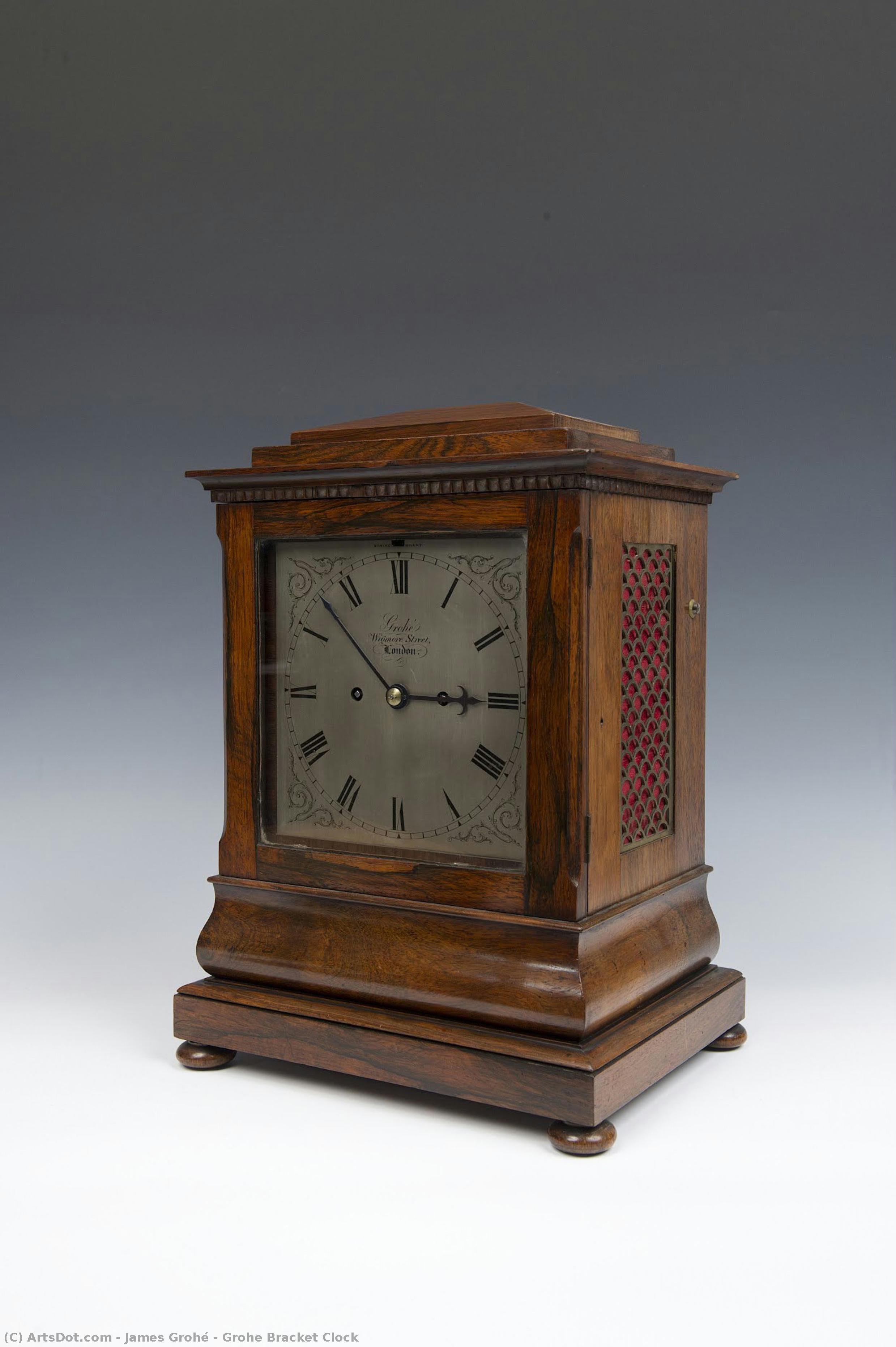
- Grohe Bracket Clock
 Pregledaj u stvarnoj veličini
 Pošalji
 Podijeli
 Detalji o umjetničkom djelu

 Preuzmi
 Slični predmeti
 Rentgenska snimka
 Automatska prezentacija
Grohe Bracket Clock
 1881
1881 39.0 x 29.0 cm
 Bank of England Museum
 Prikaži više
Ručno rađena uljana reprodukcija
Ručno oslikano uljanim bojama na platnu u dimenzijama i okviru po vašem izboru, izrađeno po narudžbi od strane naših umjetnika. ( Pređi na tisak Prebacite na sliku)




































Odaberite jednu od naših unaprijed definiranih veličina koje odgovaraju izvornim proporcijama umjetničkog djela.

Možete unijeti vlastite dimenzije kako bi odgovarale određenom okviru ili prostoru. Ako odabrana veličina ne odgovara proporcijama izvorne slike, izrezat ćemo umjetničko djelo ili proširiti sliku dodatnim ručno oslikanim elementima. Digitalni nacrt bit će vam poslan na odobrenje prije početka proizvodnje.
Imajte na umu da pregled na ekranu ne prikazuje stvarno izrezivanje ili proširivanje. Samo će nacrt točno prikazati konačni sastav.
Iako su dostupne prilagođene veličine, preporučujemo odabir dimenzije s preddefiniranog popisa kako bismo očuvali izvorne proporcije.
Nakon narudžbe, tim OriginalUniqueArt.com kontaktirat će klijenta putem e-pošte radi dobivanja uputa te dostaviti probni prikaz (mockup).
Isporuka širom svijeta () u roku od 3-4 tjedna umjesto standardnih 5 tjedana. (31 Srpanj). Bez kompromisa u kvaliteti.

Besplatna ekspresna dostava širom svijeta

Visokokvalitetno laneno platno

Potpuno osiguranje dostave

Jamstvo povrata carine i uvoznih poreza

Garancija vjernog podudaranja boja

Politika povrata u roku od 60 dana (samo u slučaju nedostataka)

Jamstvo povrata 100% novca

Popust na više proizvoda
 Opcija stakla dostupna je samo za dimenzije manje od 110 cm

Grohe Bracket Clock
Tehnika reprodukcije
Veličina reprodukcije
-


Ukupna cijena
$ 300
Opis umjetničkog djela
Biografija umjetnika
James Grohé: The Clockmaker Who Crafted Victorian Elegance
James Grohé (1803-1881) wasn’t merely a craftsman; he was an architect of time itself. Born in Baden-Württemberg, Germany, Grohé possessed an innate fascination with precision and beauty—qualities that would define his extraordinary career as a clockmaker and ultimately elevate him to the status of Reichskommissar for Belgium and Northern France during the tumultuous years of World War II. His legacy resides not just in the intricate mechanisms he created but also in the enduring aesthetic they embody, reflecting the grandeur and sophistication of Victorian Britain.Early Life and Apprenticeship
Grohé’s formative years instilled within him a meticulous attention to detail—a characteristic that would serve as the bedrock for his lifelong pursuit of excellence. Following his father's footsteps, he apprenticed under Johann Georg Wolffenbüttel in Stuttgart, mastering the art of horology alongside a deep appreciation for sculptural artistry. This dual training fostered an understanding of how form and function could harmonize to produce objects of unparalleled elegance and technical prowess. The influence of Stuttgart’s artistic heritage undoubtedly shaped Grohé's sensibilities, nurturing his inclination towards crafting pieces that transcended mere utility.London Calling: Establishing His Workshop
In 1832, Grohé embarked on a transformative journey to London, establishing his workshop amidst the burgeoning industrial landscape of Victorian England. Recognizing the potential for innovation and collaboration within this vibrant metropolis, he quickly gained renown for producing exceptional carriage clocks—instruments that became synonymous with status and refinement during the era. His designs prioritized both aesthetic appeal and functional accuracy, incorporating innovative techniques like Breguet escapements and guilloché engraving to achieve unparalleled levels of precision. Collaborations with prominent British artists and designers further enriched his creative output, cementing Grohé’s reputation as a visionary craftsman who seamlessly blended artistry and engineering.Technique and Innovation: The Art of Guilloché Engraving
Grohé's mastery extended beyond the construction of clocks; he revolutionized decorative engraving techniques. He pioneered the use of guilloché—a complex process involving precisely etched patterns onto metal surfaces—to create mesmerizing textures and motifs within his clock cases and other ornamental objects. This technique, borrowed from Swiss watchmaking traditions, allowed for unparalleled levels of detail and visual richness, transforming plain metals into canvases of intricate beauty. The resulting surfaces shimmered with subtle variations in tone and texture, capturing the light in ways that conventional engraving methods simply couldn’t achieve—a testament to Grohé's dedication to pushing the boundaries of craftsmanship.A Legacy Beyond Timepieces
While Grohé’s clocks stand as enduring symbols of Victorian elegance, his influence extended far beyond the horological world. He served as Gauleiter of Gau Cologne-Aachen for nearly four decades, wielding considerable political power during the Nazi era—a controversial chapter in his life that underscores the complexities of historical interpretation. Despite this darker period, Grohé’s artistic achievements—particularly his contribution to guilloché engraving and his unwavering commitment to precision craftsmanship—remain firmly rooted in the annals of European art history. He cemented his place as a pivotal figure who shaped both the visual arts and the political landscape of his time, leaving behind an indelible mark on Victorian Britain and German cultural heritage.
james grohé
1803 - , Germany
Osnovne informacije
- Artistic Movement Or Style: Victorian Clockmaking
- Date Of Birth: 1803
- Full Name: James Grohé
- Nationality: German
- Notable Artworks:
- Carriage Clocks
- Decorative Timepieces
- Place Of Birth: Baden-Württemberg, Germany

