

 Pregledaj u stvarnoj veličini
 Pošalji
 Podijeli
 Detalji o umjetničkom djelu

 Preuzmi
 Slični predmeti
 Rentgenska snimka
 Automatska prezentacija
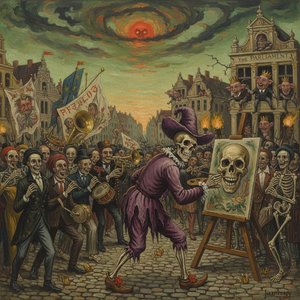
Plague Below, Plague Above, Plague Everywhere

 Prikaži više
Giclée / Umjetnički otisak
Giclée tisak muzejske kvalitete ili otisak na platnu uz brzu proizvodnju i fleksibilne opcije završne obrade. ( Kupi ručno naslikanu sliku Kupi digitalnu sliku)




P118B $10

P118H $10

P118W $10

P438Z $10

P508JH $12

P508YH $12

P805H $10

P805Z $10

P919BZ $10

P919G $10

P919XJ $10

P959ZH $10

P968JZ $12

W106C $8

W218G $10

W218JH $8

W218Y $10

W307PJ $10

W316G $10

W316PJ $8

W316Y $10

W398PJ $8

W4111J $10

W500HY $15

W500JH $15

W692G $12

W849H $8

W940BG $15

W953PJ $8




Odaberite jednu od naših unaprijed definiranih veličina koje odgovaraju izvornim proporcijama umjetničkog djela.

Možete unijeti vlastite dimenzije kako biste umjetničko djelo prilagodili specifičnom okviru ili prostoru. Ako odabrana veličina ne odgovara proporcijama izvornog rada, izrezat ćemo dio slike ili je proširiti pomoću ogledalnog efekta ili jednobojne rubne površine. Digitalni prikaz (mockup) bit će vam poslan na odobrenje prije početka proizvodnje.
Imajte na umu da pregled na zaslonu ne odražava stvarno izrezivanje ili proširivanje. Samo će mockup točno prikazati konačnu kompoziciju.
Iako su dostupne prilagođene veličine, preporučujemo odabir dimenzije iz unaprijed definirane liste kako biste očuvali izvorne proporcije.
Dostava širom svijeta () u roku od 2 tjedna umjesto standardnih 4/5 tjedana. (22 Kolovoz)

Besplatna ekspresna dostava širom svijeta

Visokokvalitetno laneno platno

Potpuno osiguranje dostave

Jamstvo povrata carine i uvoznih poreza

Garancija vjernog podudaranja boja

Politika povrata u roku od 60 dana (samo u slučaju nedostataka)

Jamstvo povrata 100% novca

Popust na više proizvoda
 Opcija stakla dostupna je samo za dimenzije manje od 110 cm

Plague Below, Plague Above, Plague Everywhere
Giclée / Umjetnički otisak
Veličina reprodukcije
-


Ukupna cijena
$ 80
Opis djela
Plague Below, Plague Above, Plague Everywhere: An Exploration of James Ensor’s Disturbing Vision
James Ensor's "Plague Below, Plague Above, Plague Everywhere" stands as a cornerstone of Symbolist art and Belgian Expressionism—a haunting tableau that confronts viewers with unsettling imagery and profound psychological insight. Painted in 1904, this monochrome etching captures the artist’s preoccupation with mortality, societal hypocrisy, and the pervasive influence of masks upon human experience. Let's delve into the layers of meaning embedded within this iconic artwork.The Visual Landscape: Composition and Technique
The painting’s composition immediately establishes a sense of unease. A group of figures—nine individuals in total—are seated on a bench overlooking a stylized map or drawing of a city. The stark black and white palette amplifies the drama, emphasizing textures and contours with meticulous detail achieved through Ensor's masterful etching technique. Lines are drawn with considerable pressure, creating deep shadows and highlighting surfaces to convey an atmosphere of claustrophobia and impending doom. Notice how Ensor utilizes hatching—parallel lines closely spaced—to build up tonal variations, simulating the gloominess of a rainy day and mirroring the pervasive sense of dread that permeates the scene. The artist’s deliberate choice of monochrome underscores his desire to strip away superficial appearances, exposing the underlying anxieties of his time.Symbolism: Masks, Mortality, and Societal Critique
At the heart of Ensor's artistic vision lies a preoccupation with masks—a motif recurrent throughout his oeuvre. In “Plague Below, Plague Above,” the figures on the bench are adorned with masks that obscure their faces, symbolizing the deceptive nature of human identity and concealing true emotions. This visual metaphor aligns perfectly with Symbolist concerns about unveiling hidden realities and confronting uncomfortable truths. The skeletal figure dominating the composition serves as a stark reminder of mortality—a deliberate allusion to Dante’s Inferno and a commentary on humanity's inevitable confrontation with death. Ensor doesn’t shy away from portraying grotesque imagery, reflecting his belief that art should challenge conventional notions of beauty and provoke contemplation about existential anxieties.Historical Context: The Symbolist Movement and Belgian Artistic Expression
James Ensor emerged during the height of the Symbolist movement—a reaction against Impressionism's focus on fleeting sensations and optical realism. Symbolists sought to express inner emotions and spiritual truths through evocative imagery, prioritizing psychological depth over visual accuracy. Ensor’s work embodies this ethos, rejecting academic conventions in favor of a raw, emotionally charged style that anticipates Expressionism’s later explorations of subjective experience. The painting reflects the anxieties prevalent in Belgium at the turn of the century—concerns about social upheaval, religious skepticism, and the looming shadow of war. Ensor's unflinching portrayal of human suffering speaks to broader themes of disillusionment and despair, cementing his place as a pivotal figure in Belgian art history.Emotional Impact: Confronting Darkness Within Ourselves
“Plague Below, Plague Above” isn’t merely aesthetically striking; it possesses a profound emotional impact on the viewer. Ensor compels us to confront uncomfortable truths about human nature—our vulnerability to fear, our tendency towards deception, and our inescapable awareness of mortality. The painting's unsettling atmosphere lingers long after viewing, prompting reflection on the darker aspects of existence. It’s a testament to Ensor’s ability to translate psychological anxieties into visual form, demonstrating that art can serve as a catalyst for introspection and a powerful tool for exploring the complexities of the human condition. This artwork continues to resonate with audiences today because it captures an enduring preoccupation—the unsettling realization that beneath the veneer of social convention lies a pervasive darkness within ourselves.Biografija umjetnika
James Ensor (1860-1949): A Pioneer of Expressionism & Surrealism
James Sidney Edouard Ensor, Baron Ensor (Ostend, 13 April 1860 – 19 November 1949) was a Belgian painter and printmaker who stands as one of the most influential figures in the development of Expressionism and Surrealism. Born into an English father and Belgian mother—a duality that profoundly shaped his artistic worldview—Ensor defied convention from the outset, rejecting academic formalism for a bold exploration of psychological depth and grotesque imagery.
Early Influences & Artistic Training
His formative years were marked by exposure to the vibrant atmosphere of Ostend’s seaside resort town, where his parents operated a souvenir shop brimming with curiosities—a veritable cabinet of wonders that ignited his imagination. From 1876 until 1880 he studied at the Académie Royale des Beaux-Arts in Brussels, alongside fellow students like Fernand Khnopff and Theo Van Rysselberghe, where Jean Portales instilled in him a commitment to artistic innovation.
A Shift Towards Grotesque Vision & Expressionist Style
Ensor’s early paintings reflected a more traditional approach, depicting scenes of everyday life rendered in somber tones. However, he swiftly abandoned these conventions as he embraced the expressive qualities of light, line, and color—a decisive move toward Expressionism. Influenced by Rembrandt, Goya, and Japanese woodcuts, Ensor developed a distinctive iconography characterized by unsettling juxtapositions and symbolic references to death and decay.
Key Masterpieces & Recurring Themes
His most celebrated works – including *Christ’s Entry into Brussels* (1888-1889), *The Scandalized Masks* (1883) and *Skeletons Fighting over a Hanged Man* (1891) – exemplify his unwavering commitment to confronting uncomfortable truths and exploring the darkest recesses of human psychology. These paintings are not merely aesthetically striking; they serve as powerful critiques of societal norms, religious hypocrisy, and the absurdity of existence.
Legacy & Influence
James Ensor’s artistic legacy extends far beyond his own lifetime. He is recognized as a pivotal catalyst in the transition from Symbolism to Expressionism and Surrealism—a true pioneer who challenged artistic conventions and paved the way for future generations of artists. His fearless exploration of the subconscious, combined with his masterful use of grotesque imagery and symbolic language, continues to inspire artists today.

James Ensor
1860 - 1949 , België
Osnovne informacije
- Artistic Movement Or Style: Expressionism, Surrealism
- Artists Who Influenced This Artist:
- Bruegel the Elder
- Francisco Goya
- Whistler
- Date Of Birth: April 13, 1860
- Date Of Death: November 19, 1949
- Full Name: James Sidney Edouard Ensor
- Nationality: Belgian
- Notable Artworks:
- The Scandalized Masks
- Skeletons Fighting...
- Christ's Entry into Brussels
- Place Of Birth: Ostend, Belgium
Srodni članci

James Abbott McNeill Whistler: 25 Remek-djela Majstora Tonalizma | OriginalUniqueArt
Istražite 25 remek-djela Jamesa Abbotta McNeilla Whistlera, majstora tonalizma i američkog impresionizma. Otkrijte priče iza njegovih čuvenih 'Nocturna' i portreta te pronađite inspiraciju za luksuznu dekoraciju interijera na OriginalUniqueArt.com.
James Ensor's Grotesque Visions: Social Commentary & Artistic Innovation
Explore the unsettling yet captivating world of James Ensor, a pioneer of Expressionism. Discover his satirical masterpieces, symbolic imagery & lasting influence on modern art. High-quality reproductions available at OriginalUniqueArt.
Etching Masters: 10 Legendary Prints That Revolutionized Art | OriginalUniqueArt
Journey through 10 legendary etching masterpieces by Rembrandt, Dürer & Goya. Explore the history of printmaking and discover timeless art for your home. Find museum-quality reproductions at OriginalUniqueArt.com.

Etching: A Historical Survey of Technique, Aesthetic Qualities & Enduring Artistic Significance
Explore the rich history of etching, from its origins to Rembrandt's masterful innovations. Discover the technique, aesthetic qualities & enduring legacy of this captivating art form. Expert insights for collectors and enthusiasts.

Sir Alfred Munnings' Masterpieces: 25 Paintings That Define Equine Art | OriginalUniqueArt
Explore 25 iconic Sir Alfred Munnings paintings! Discover the beauty of British Impressionism, equine art & rural England. Find museum-quality reproductions and elevate your home decor with OriginalUniqueArt. Explore the full collection online.



