

 Pregledaj u realnoj veličini
 Pošalji
 Podijeli
 Detalji o umjetničkom djelu
 Vodič
Vodič

 Preuzmi umjetničko djelo
 Slični predmeti
 Rentgenska snimka
 Slide show
 Q&A
Q&A Statistika
Ensor and General Leman Discussing Painting 1

 Prikaži više
Giclée / Umjetnički otisak
Giclée tisak muzejske kvalitete ili otisak na platnu uz brzu izradu i raznolike opcije završne obrade. ( Kupi ručno oslikano djelo Prebacite na digitalnu sliku)




P118B €10

P118H €10

P118W €10

P438Z €10

P508JH €12

P508YH €12

P805H €10

P805Z €10

P919BZ €10

P919G €10

P919XJ €10

P959ZH €10

P968JZ €12

W106C €8

W218G €10

W218JH €8

W218Y €10

W307PJ €10

W316G €10

W316PJ €8

W316Y €10

W398PJ €8

W4111J €10

W500HY €15

W500JH €15

W692G €12

W849H €8

W940BG €15

W953PJ €8




Odaberite jednu od naših unaprijed definiranih veličina koje odgovaraju izvornim proporcijama umjetničkog djela.

Unesite potrebnu širinu i visinu kako bi odgovarali vašem okviru ili zidu. Print se može samo izrezati, nikada ne može biti veći od slike, stoga format s drugačijim omjerom stranica uzrokuje gubitak dijela slike. Prije bilo kakve štampe šaljemo vam digitalni prikaz (mockup) na odobrenje. Slika prikazana na ovoj stranici ne prikazuje stvarni rez — to prikazuje isključivo digitalni prikaz.
Dostava širom svijeta () u roku od 2 tjedna umjesto standardnih 4/5 tjedana. (29 Listopad)

Besplatna ekspresna dostava širom svijeta

Visokokvalitetno laneno platno

Potpuno osiguranje dostave

Jamstvo povrata carine i uvoznih poreza

Jamstvo vjernosti boja

Politika povrata u roku od 100 dana (samo u slučaju nedostataka)

Jamstvo povrata 100% novca

Popust na više proizvoda
 Opcija stakla dostupna je samo za dimenzije manje od 110 cm

Ensor and General Leman Discussing Painting 1
Giclée / Umjetnički otisak
Veličina reprodukcije
-


Ukupna cijena
€ 71
A Glimpse Behind the Mask: James Ensor’s ‘Ensor et le Général Leman Discutant Peinture’
James Ensor's “Ensor et le Général Leman Discutant Peinture” isn’t merely a depiction of two men engaged in conversation; it’s a carefully constructed tableau brimming with psychological intensity and subtle social critique. Painted around 1894, this black-and-white work plunges the viewer into an atmosphere thick with unspoken anxieties and veiled observations – hallmarks of Ensor's distinctive artistic vision. The scene unfolds within what appears to be a dimly lit interior, perhaps a study or salon, dominated by a table laden with food, suggesting a moment of convivial respite amidst intellectual discourse. Yet, beneath the veneer of casual gathering lies a palpable tension, a sense that something significant is being negotiated.
The Artist’s World: Ensor and His Unsettling Vision
Born in Ostend, Belgium, in 1860, James Ensor was a figure perpetually caught between worlds. His father, an Englishman, and his mother, a Belgian, instilled within him a unique perspective – one that embraced both European traditions and the peculiar charm of his native coastal town. This duality profoundly shaped his artistic trajectory, leading him to reject the rigid conventions of academic art in favor of a deeply personal and often unsettling style. Ensor’s early life was saturated with the vibrant chaos of carnivals and the curious objects collected by his parents' souvenir shop, experiences that fueled his imagination and informed his fascination with masks, disguise, and the darker aspects of human nature. He famously declared he wanted to paint “what I see, not what others tell me to see,” a sentiment perfectly embodied in this work.
Decoding the Scene: Symbolism and Social Commentary
The painting’s power resides largely in its carefully deployed symbolism. The two figures – Ensor himself and General Leman, a prominent military figure – are locked in animated discussion, their faces etched with varying degrees of intensity. Notice the way Ensor renders their features; sharp angles, exaggerated expressions, and an overall sense of distortion contribute to the painting’s unsettling quality. The food on the table, while seemingly innocuous, could be interpreted as a symbol of superficiality or even decadence – a distraction from more profound concerns. The presence of birds, both flying overhead and perched near the top right corner, adds another layer of complexity. Birds are often associated with freedom, but here they seem to observe, perhaps judging, the scene below. The monochrome palette further amplifies the mood, stripping away any potential for visual distraction and forcing the viewer to confront the raw emotions on display.
Technique and Emotional Resonance: A Masterclass in Expressionism
Ensor’s technique is characterized by a deliberate roughness and an avoidance of smooth surfaces. He employed a dry brushstroke, layering paint with visible texture to create a sense of immediacy and unrest. The stark contrast between light and shadow intensifies the drama of the scene, drawing attention to key details and contributing to the overall feeling of unease. This painting is a prime example of Ensor’s early foray into Expressionism – an artistic movement that sought to convey subjective emotions rather than objective reality. “Ensor et le Général Leman Discutant Peinture” isn't simply a portrait; it’s a psychological exploration, a glimpse into the anxieties and uncertainties of the modern world as perceived through Ensor’s uniquely perceptive eye. It invites us to contemplate the unspoken tensions beneath polite conversation and the unsettling truths that often lie hidden behind carefully constructed facades.
- Key Elements: Masks, Disguise, Social Commentary, Psychological Tension
- Style: Expressionist, Symbolist
- Technique: Dry Brushstroke, Visible Texture, Monochrome Palette
OriginalUniqueArt offers exquisite, hand-painted reproductions of James Ensor’s “Ensor et le Général Leman Discutant Peinture,” allowing you to bring this captivating artwork into your home or office. Explore our collection and discover the perfect reproduction to suit your style and space – a tangible connection to one of art history's most intriguing figures.
Pitanja i odgovori
Kako "Ensor and General Leman Discussing Painting 1" uspostavlja ravnotežu između svjetla i tame?
Za djelo "Ensor and General Leman Discussing Painting 1" autora James Ensor zabilježena je svjetlina od brilliant, uz luminancu od Bright Balance.
Kako je izgrađena koloristička kompozicija djela "Ensor and General Leman Discussing Painting 1" autora James Ensor?
U djelu "Ensor and General Leman Discussing Painting 1", Balanced kontrast uparuje se s Strong Color Unity harmonijom.
Može li se "Ensor and General Leman Discussing Painting 1" pogledati u proširenoj stvarnosti (AR)?
"Ensor and General Leman Discussing Painting 1" ima pregled proširene stvarnosti: stranica Pregled u proširenoj stvarnosti prikazuje djelo u vašem vlastitom prostoru pomoću kompatibilnog uređaja.
Biografija umjetnika
James Ensor (1860-1949): A Pioneer of Expressionism & Surrealism
James Sidney Edouard Ensor, Baron Ensor (Ostend, 13 April 1860 – 19 November 1949) was a Belgian painter and printmaker who stands as one of the most influential figures in the development of Expressionism and Surrealism. Born into an English father and Belgian mother—a duality that profoundly shaped his artistic worldview—Ensor defied convention from the outset, rejecting academic formalism for a bold exploration of psychological depth and grotesque imagery.
Early Influences & Artistic Training
His formative years were marked by exposure to the vibrant atmosphere of Ostend’s seaside resort town, where his parents operated a souvenir shop brimming with curiosities—a veritable cabinet of wonders that ignited his imagination. From 1876 until 1880 he studied at the Académie Royale des Beaux-Arts in Brussels, alongside fellow students like Fernand Khnopff and Theo Van Rysselberghe, where Jean Portales instilled in him a commitment to artistic innovation.
A Shift Towards Grotesque Vision & Expressionist Style
Ensor’s early paintings reflected a more traditional approach, depicting scenes of everyday life rendered in somber tones. However, he swiftly abandoned these conventions as he embraced the expressive qualities of light, line, and color—a decisive move toward Expressionism. Influenced by Rembrandt, Goya, and Japanese woodcuts, Ensor developed a distinctive iconography characterized by unsettling juxtapositions and symbolic references to death and decay.
Key Masterpieces & Recurring Themes
His most celebrated works – including *Christ’s Entry into Brussels* (1888-1889), *The Scandalized Masks* (1883) and *Skeletons Fighting over a Hanged Man* (1891) – exemplify his unwavering commitment to confronting uncomfortable truths and exploring the darkest recesses of human psychology. These paintings are not merely aesthetically striking; they serve as powerful critiques of societal norms, religious hypocrisy, and the absurdity of existence.
Legacy & Influence
James Ensor’s artistic legacy extends far beyond his own lifetime. He is recognized as a pivotal catalyst in the transition from Symbolism to Expressionism and Surrealism—a true pioneer who challenged artistic conventions and paved the way for future generations of artists. His fearless exploration of the subconscious, combined with his masterful use of grotesque imagery and symbolic language, continues to inspire artists today.

James Ensor
1860 - 1949 , België
Osnovne informacije
- Artistic Movement Or Style: Expressionism, Surrealism
- Artists Who Influenced This Artist:
- Bruegel the Elder
- Francisco Goya
- Whistler
- Date Of Birth: April 13, 1860
- Date Of Death: November 19, 1949
- Full Name: James Sidney Edouard Ensor
- Nationality: Belgian
- Notable Artworks:
- The Scandalized Masks
- Skeletons Fighting...
- Christ's Entry into Brussels
- Place Of Birth: Ostend, Belgium
Srodni članci
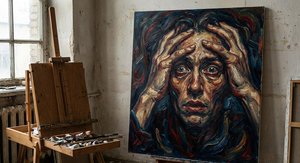
Figurative Expressionism: Emotional Intensity & Subjective Reality in 20th-Century Art
Explore the powerful world of Figurative Expressionism with OriginalUniqueArt. Discover key artists like Kirchner & Beckmann, understand its emotional depth, and learn how to collect this influential 20th-century art movement.

James Abbott McNeill Whistler: 25 Remek-djela Majstora Tonalizma | OriginalUniqueArt
Istražite 25 remek-djela Jamesa Abbotta McNeilla Whistlera, majstora tonalizma i američkog impresionizma. Otkrijte priče iza njegovih čuvenih 'Nocturna' i portreta te pronađite inspiraciju za luksuznu dekoraciju interijera na OriginalUniqueArt.com.

Sir Alfred Munnings' Masterpieces: 25 Paintings That Define Equine Art | OriginalUniqueArt
Explore 25 iconic Sir Alfred Munnings paintings! Discover the beauty of British Impressionism, equine art & rural England. Find museum-quality reproductions and elevate your home decor with OriginalUniqueArt. Explore the full collection online.
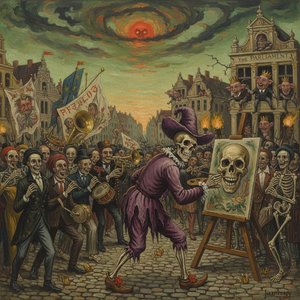
James Ensor's Grotesque Visions: Social Commentary & Artistic Innovation
Explore the unsettling yet captivating world of James Ensor, a pioneer of Expressionism. Discover his satirical masterpieces, symbolic imagery & lasting influence on modern art. High-quality reproductions available at OriginalUniqueArt.
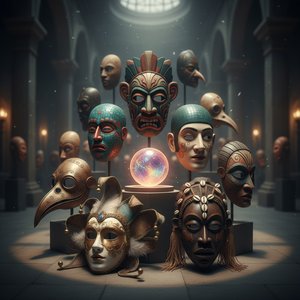
Unveiling the Mystery: A Journey Through the World's Most Iconic Mask Artworks
Embark on a profound journey through the world's most iconic mask artworks. Explore the spiritual depth, intricate craftsmanship, and rich cultural heritage of global traditions, from Chhau to Gomira, in this expert-led exploration of ancestral artistry and symbolic beauty.


