

 Pregledaj u stvarnoj veličini
 Podijeli
 Podijeli
 Detalji
 Vodič
Vodič

 Preuzmi datoteku
 Slični predmeti
 Rentgenska snimka
 Slide show
 Statistika
Ecce Homo (Christ and the Critics)

 Pročitajte više
Giclée / Umjetnički otisak
Giclée tisak muzejske kvalitete ili otisak na platnu uz brzu proizvodnju i fleksibilne opcije završne obrade. ( Naručite ručno oslikano reprodukciju Prebacite na digitalnu prodaju slika)




P118B €10

P118H €10

P118W €10

P438Z €10

P508JH €12

P508YH €12

P805H €10

P805Z €10

P919BZ €10

P919G €10

P919XJ €10

P959ZH €10

P968JZ €12

W106C €8

W218G €10

W218JH €8

W218Y €10

W307PJ €10

W316G €10

W316PJ €8

W316Y €10

W398PJ €8

W4111J €10

W500HY €15

W500JH €15

W692G €12

W849H €8

W940BG €15

W953PJ €8




Odaberite jednu od naših unaprijed definiranih veličina koje odgovaraju izvornim proporcijama umjetničkog djela.

Unesite širinu i visinu koja vam je potrebna, kako bi odgovarali vašem okviru ili zidu. Print se može samo izrezati, nikada ne može biti veći od slike, stoga veličina s drugačijim oblikom gubi dio slike. Šaljemo vam digitalni prikaz (mockup) na odobrenje prije bilo kakve štampe. Slika prikazana na ovoj stranici ne prikazuje stvarni rez — to čini samo digitalni prikaz.
Dostava širom svijeta () u roku od 2 tjedna umjesto standardnih 4/5 tjedana. (23 Listopad)

Besplatna ekspresna dostava širom svijeta

Visokokvalitetno laneno platno

Potpuno osiguranje transporta

Jamstvo povrata carine i uvoznih poreza

Jamstvo vjernosti boja

Politika povrata u roku od 100 dana (samo u slučaju nedostataka)

Jamstvo povrata 100% novca

Popust na više proizvoda
 Opcija stakla dostupna je samo za dimenzije manje od 110 cm

Ecce Homo (Christ and the Critics)
Giclée / Umjetnički otisak
Veličina reprodukcije
-


Ukupna cijena
€ 70
A Confrontation of Faith and Critique: Unveiling James Ensor’s *Ecce Homo (Christ and the Critics)*
James Ensor, a pivotal figure bridging 19th-century Symbolism and early 20th-century Expressionism, delivers a powerfully unsettling statement in *Ecce Homo (Christ and the Critics)*. This work isn't merely a painting; it’s a visceral exploration of judgment, societal hypocrisy, and the enduring struggle between faith and skepticism. Born from a period of intense personal turmoil and social upheaval, Ensor’s masterpiece continues to resonate with contemporary audiences, prompting reflection on our own tendencies toward scrutiny and condemnation.Subject Matter & Narrative
The painting presents a starkly intimate scene featuring three male figures. A central figure, draped in what appears to be classical attire and adorned with a laurel wreath – symbols traditionally associated with victory or sanctity – holds a single red rose. He is the focal point of intense scrutiny from two onlookers. One observer sports modern spectacles and a mustache, grounding the timeless narrative within a contemporary context. The composition immediately establishes a dynamic tension: one figure presented, seemingly vulnerable, and two others engaged in critical observation. This arrangement directly references the biblical *Ecce Homo* ("Behold the Man") moment when Pontius Pilate presents Jesus Christ to the crowd before his crucifixion, setting the stage for a profound meditation on judgment and persecution.Artistic Style & Technique
Ensor’s style in this work is distinctly Expressionist, characterized by bold brushstrokes, vibrant yet often unsettling color palettes, and deliberate distortions of form. The figures aren't rendered with photographic realism; instead, their features are exaggerated to convey emotional intensity and psychological depth. This expressive approach prioritizes the *feeling* of the scene over precise representation. The painting’s texture is rich and layered, suggesting a build-up of both paint and emotion. While details regarding the specific technique (oil on canvas) are known, the photo description suggests watercolor influences in its blending and surface quality – hinting at Ensor's experimental approach to media.Symbolism & Interpretation
The symbolism within *Ecce Homo* is multi-layered and deliberately provocative. The red rose, traditionally associated with Christ’s passion and sacrifice, becomes a poignant symbol of vulnerability in the face of judgment. The laurel wreath hints at both honor and potential martyrdom. The modern attire of one critic suggests that this critique isn't confined to biblical times but is an ongoing human tendency. Ensor masterfully uses these symbols to challenge viewers to consider their own roles as observers and judges. Is society quick to condemn those who embody virtue or difference? The very title, echoing Pilate’s presentation of Christ, underscores the theme of societal judgment and its potential for cruelty.Historical Context & Ensor's Vision
Born in 1860, James Ensor lived through a period of rapid social and political change. He was deeply critical of bourgeois society, religious hypocrisy, and the stifling conventions of his time. His art often served as a vehicle for satire and social commentary. *Ecce Homo* reflects this rebellious spirit, challenging traditional representations of Christ and questioning the motives behind societal judgment. Ensor’s work anticipated many of the themes that would come to define Expressionism – alienation, anxiety, and the subjective experience of reality.Emotional Impact & Lasting Relevance
*Ecce Homo (Christ and the Critics)* is a deeply unsettling yet profoundly moving artwork. It evokes feelings of vulnerability, isolation, and moral discomfort. The painting’s enduring power lies in its ability to force viewers to confront their own biases and prejudices. It serves as a timeless reminder that judgment can be a destructive force and that empathy and understanding are essential for fostering a more compassionate world. This is not simply a historical piece; it's a mirror reflecting our contemporary struggles with acceptance, tolerance, and the courage to challenge societal norms.Collecting & Interior Design Considerations
A high-quality reproduction of *Ecce Homo* can serve as a striking focal point in any interior space. Its complex composition and rich symbolism lend themselves well to contemplative environments – libraries, studies, or living rooms designed for intellectual engagement. The painting’s muted color palette complements both modern and traditional décor styles. Its thought-provoking nature makes it an ideal conversation starter and a testament to the collector's appreciation for art that challenges and inspires.- Explore *Ecce Homo* at OriginalUniqueArt.com
- Discover more works by James Ensor
- View *The Wise Judges* – another compelling work by Ensor
Pitanja i odgovori
Prikazuje li "Ecce Homo (Christ and the Critics)" snažne kontraste svjetla i sjene?
"Ecce Homo (Christ and the Critics)" autora James Ensor prikazuje Statement kontrast između svojih svijetlih i tamnih područja.
Preporučena veličina ispisa za "Ecce Homo (Christ and the Critics)" je?
Za "Ecce Homo (Christ and the Critics)" autora James Ensor preporučuje se reprodukcija dimenzija Large. Veličina se može prilagoditi uz zadržavanje proporcija.
Koja je dominantna nijansa djela "Ecce Homo (Christ and the Critics)" autora James Ensor?
Dominantna nijansa djela "Ecce Homo (Christ and the Critics)" autora James Ensor je Golden Yellow Range. Ta nijansa predstavlja osnovni ton palete.
Biografija umjetnika
James Ensor (1860-1949): A Pioneer of Expressionism & Surrealism
James Sidney Edouard Ensor, Baron Ensor (Ostend, 13 April 1860 – 19 November 1949) was a Belgian painter and printmaker who stands as one of the most influential figures in the development of Expressionism and Surrealism. Born into an English father and Belgian mother—a duality that profoundly shaped his artistic worldview—Ensor defied convention from the outset, rejecting academic formalism for a bold exploration of psychological depth and grotesque imagery.
Early Influences & Artistic Training
His formative years were marked by exposure to the vibrant atmosphere of Ostend’s seaside resort town, where his parents operated a souvenir shop brimming with curiosities—a veritable cabinet of wonders that ignited his imagination. From 1876 until 1880 he studied at the Académie Royale des Beaux-Arts in Brussels, alongside fellow students like Fernand Khnopff and Theo Van Rysselberghe, where Jean Portales instilled in him a commitment to artistic innovation.
A Shift Towards Grotesque Vision & Expressionist Style
Ensor’s early paintings reflected a more traditional approach, depicting scenes of everyday life rendered in somber tones. However, he swiftly abandoned these conventions as he embraced the expressive qualities of light, line, and color—a decisive move toward Expressionism. Influenced by Rembrandt, Goya, and Japanese woodcuts, Ensor developed a distinctive iconography characterized by unsettling juxtapositions and symbolic references to death and decay.
Key Masterpieces & Recurring Themes
His most celebrated works – including *Christ’s Entry into Brussels* (1888-1889), *The Scandalized Masks* (1883) and *Skeletons Fighting over a Hanged Man* (1891) – exemplify his unwavering commitment to confronting uncomfortable truths and exploring the darkest recesses of human psychology. These paintings are not merely aesthetically striking; they serve as powerful critiques of societal norms, religious hypocrisy, and the absurdity of existence.
Legacy & Influence
James Ensor’s artistic legacy extends far beyond his own lifetime. He is recognized as a pivotal catalyst in the transition from Symbolism to Expressionism and Surrealism—a true pioneer who challenged artistic conventions and paved the way for future generations of artists. His fearless exploration of the subconscious, combined with his masterful use of grotesque imagery and symbolic language, continues to inspire artists today.

James Ensor
1860 - 1949 , België
Brzi pregled
- Artistic Movement Or Style: Expressionism, Surrealism
- Artists Who Influenced This Artist:
- Bruegel the Elder
- Francisco Goya
- Whistler
- Date Of Birth: April 13, 1860
- Date Of Death: November 19, 1949
- Full Name: James Sidney Edouard Ensor
- Nationality: Belgian
- Notable Artworks:
- The Scandalized Masks
- Skeletons Fighting...
- Christ's Entry into Brussels
- Place Of Birth: Ostend, Belgium
Povezani članci

James Abbott McNeill Whistler: 25 Remek-djela Majstora Tonalizma | OriginalUniqueArt
Istražite 25 remek-djela Jamesa Abbotta McNeilla Whistlera, majstora tonalizma i američkog impresionizma. Otkrijte priče iza njegovih čuvenih 'Nocturna' i portreta te pronađite inspiraciju za luksuznu dekoraciju interijera na OriginalUniqueArt.com.

Sir Alfred Munnings' Masterpieces: 25 Paintings That Define Equine Art | OriginalUniqueArt
Explore 25 iconic Sir Alfred Munnings paintings! Discover the beauty of British Impressionism, equine art & rural England. Find museum-quality reproductions and elevate your home decor with OriginalUniqueArt. Explore the full collection online.
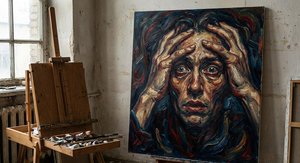
Figurative Expressionism: Emotional Intensity & Subjective Reality in 20th-Century Art
Explore the powerful world of Figurative Expressionism with OriginalUniqueArt. Discover key artists like Kirchner & Beckmann, understand its emotional depth, and learn how to collect this influential 20th-century art movement.
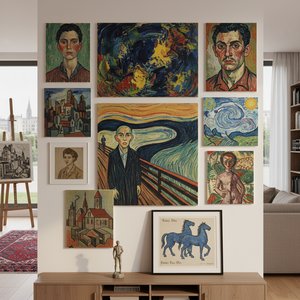
Glavnih 10 Ekspresionista: Remek-djela koja su definirala umjetnički pokret
Otkrijte 10 remek-djela ekspresionizma koja su obilježila umjetnički svijet! Uronite u priče Muncha, Kirchnera i drugih majstora. Inspirirajte se bojama i emocijama – pronađite savršenu reprodukciju za svoj dom na OriginalUniqueArt.com!
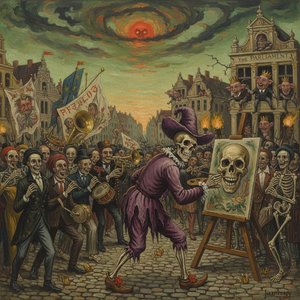
James Ensor's Grotesque Visions: Social Commentary & Artistic Innovation
Explore the unsettling yet captivating world of James Ensor, a pioneer of Expressionism. Discover his satirical masterpieces, symbolic imagery & lasting influence on modern art. High-quality reproductions available at OriginalUniqueArt.


