Izbornik
BESPLATNE KONZULTACIJE O UMJETNOSTI
PreviewPreview Kupi otisak Kupi otisakKupi digitalnu sliku Kupi digitalnu sliku PošaljiPošalji
Detalji o umjetničkom djeluDetalji o umjetničkom djelu Dodaj u omiljene Dodaj u omiljene PreuzmiPreuzmi Slični predmetiSlični predmeti Rentgenska snimkaRentgenska snimka Automatska prezentacijaAutomatska prezentacija

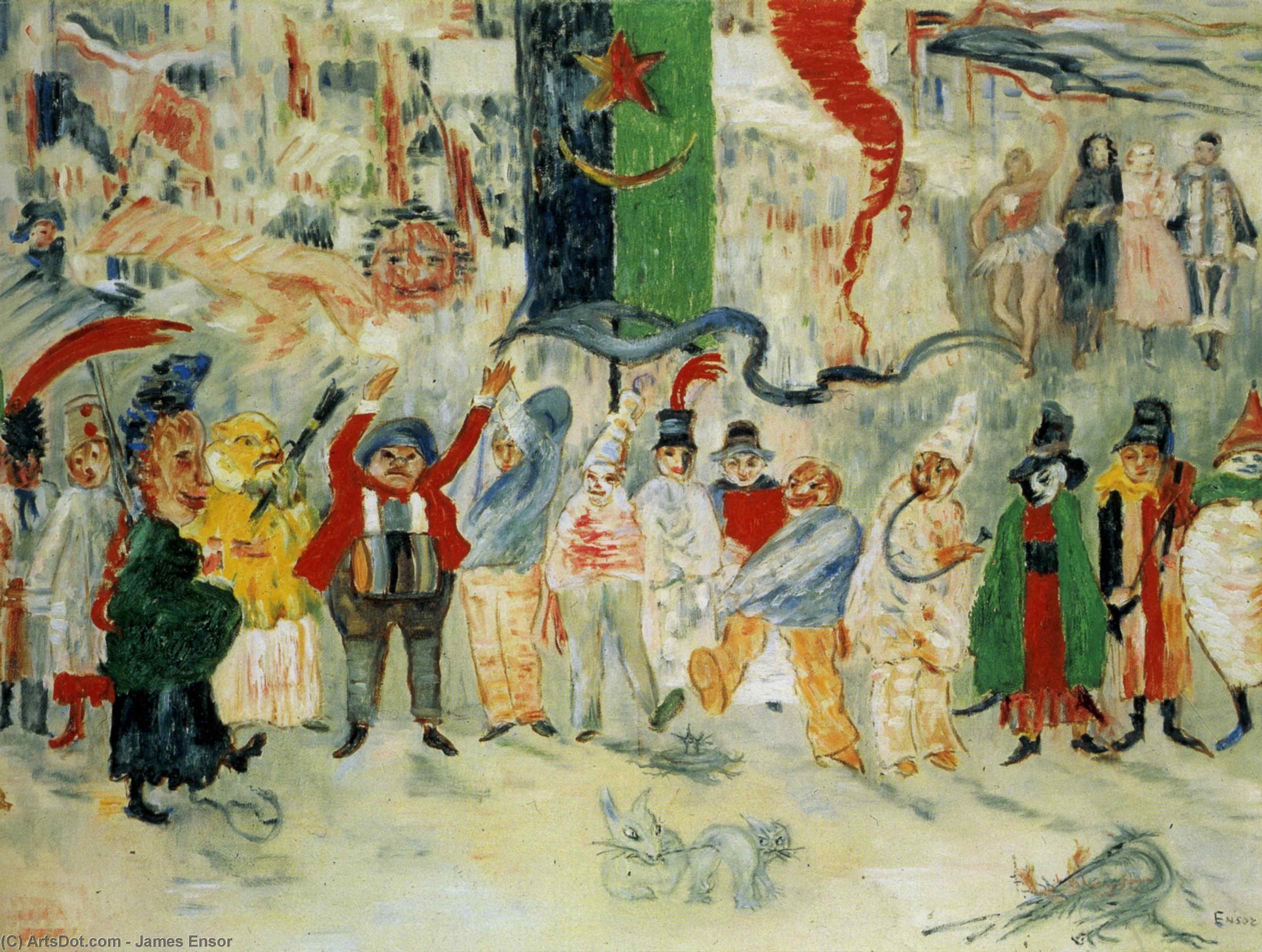
Carnaval en Flandre

James Ensor bio je belgijski ekspresionista i surrealista poznat po svojim uznemirujućim djelima koje prikazuju maske, karneval i kostiju, promičući inovativnu umjetničku estetiku i izazivajući kritički pogled na društvo.

Ručno rađena uljana reprodukcija

Ručno oslikano uljanim bojama na platnu u dimenzijama i okviru po vašem izboru, izrađeno po narudžbi od strane naših umjetnika.

P118B $10
P118H $10
P118W $10
P438Z $10
P508JH $12
P508YH $12
P805H $10
P805Z $10
P919BZ $10
P919G $10
P919XJ $10
P959ZH $10
P968JZ $12
W106C $8
W218G $10
W218JH $8
W218Y $10
W307PJ $10
W316G $10
W316PJ $8
W316Y $10
W398PJ $8
W4111J $10
W500HY $15
W500JH $15
W692G $12
W849H $8
W940BG $15
W953PJ $8

Standard
custom
CM
INCH

Odaberite jednu od naših unaprijed definiranih veličina koje odgovaraju izvornim proporcijama umjetničkog djela.

širina
visina

Možete unijeti vlastite dimenzije kako bi odgovarale određenom okviru ili prostoru. Ako odabrana veličina ne odgovara proporcijama izvorne slike, izrezat ćemo umjetničko djelo ili proširiti sliku dodatnim ručno oslikanim elementima. Digitalni nacrt bit će vam poslan na odobrenje prije početka proizvodnje.
Imajte na umu da pregled na ekranu ne prikazuje stvarno izrezivanje ili proširivanje. Samo će nacrt točno prikazati konačni sastav.
Iako su dostupne prilagođene veličine, preporučujemo odabir dimenzije s preddefiniranog popisa kako bismo očuvali izvorne proporcije.

Primjeri mogućnosti prilagodbe: Zamijenite lice fotografijom klijenta; Dodajte ljubimca (npr. zamijenite mačku psom); Uključite skrivenu poruku u pozadinu; Promijenite pejzaž ili elemente pozadine.
Nakon narudžbe, tim OriginalUniqueArt.com kontaktirat će klijenta putem e-pošte radi dobivanja uputa te dostaviti probni prikaz (mockup).

Isporuka širom svijeta () u roku od 3-4 tjedna umjesto standardnih 5 tjedana. (23 Srpanj). Bez kompromisa u kvaliteti.

why_choose_icon
Besplatna ekspresna dostava širom svijeta
why_choose_icon
Visokokvalitetno laneno platno
why_choose_icon
Potpuno osiguranje dostave
why_choose_icon
Jamstvo povrata carine i uvoznih poreza
why_choose_icon
Garancija vjernog podudaranja boja
why_choose_icon
Politika povrata u roku od 60 dana (samo u slučaju nedostataka)
why_choose_icon
Jamstvo povrata 100% novca
why_choose_icon
Popust na više proizvoda

Ukupna cijena

-

reproduction

Carnaval en Flandre

Tehnika reprodukcije

Veličina reprodukcije

-

Ukupna cijena

-

Osnovne informacije

  • Medium: Oil on canvas
  • Notable elements or techniques: Masks, grotesque imagery
  • Artistic style: Surrealist
  • Influences: Symbolism
  • Movement: Expressionism
  • Location: Private Collection

Kviz o umjetnosti

Svako pitanje ima samo jedan točan odgovor.

Pitanje 1:
What artistic movement is James Ensor primarily associated with?
Pitanje 2:
The painting depicts a lively celebration featuring people dressed in various styles. What prominent element contributes to the festive atmosphere?
Pitanje 3:
James Ensor's upbringing was marked by exposure to souvenirs and curiosities. Where did his parents operate a business?
Pitanje 4:
What color palette dominates the painting's depiction of the crowd?
Pitanje 5:
James Ensor’s artistic vision was challenged by what aspect of the Académie Royale des Beaux-Arts?

Opis umjetničkog djela

Carnaval en Flandre: A Masked Reflection of Victorian Anxiety

James Ensor’s “Carnaval en Flandre” (1896) isn't merely a depiction of a festive Belgian celebration; it’s a profound meditation on the anxieties simmering beneath the surface of Victorian society. Painted during Ensor’s formative years as an Expressionist, this monumental canvas captures a chaotic scene of masked figures swirling amidst a vibrant tapestry of color—a visual paradox that speaks volumes about the artist's preoccupation with duality and hidden truths. The painting immediately grabs the viewer’s attention with its audacious palette: reds dominate the central figures, punctuated by splashes of emerald green and sapphire blue, creating an unsettling dynamism that contrasts sharply with the stillness of the background.
  • Subject Matter: Ensor meticulously portrays a carnival procession—a tradition rife with symbolism—featuring individuals adorned in elaborate costumes and masks. The sheer number of figures contributes to the overwhelming feeling of movement and disorientation.
  • Style & Technique: Ensor’s masterful brushwork exemplifies Expressionist principles, prioritizing emotional intensity over realistic representation. Thick impasto creates textural surfaces that convey a palpable sense of unease and disturbance.
The historical context is crucial to understanding “Carnaval en Flandre.” Victorian England was grappling with rapid industrialization, social upheaval, and anxieties surrounding mortality—themes frequently explored by Ensor through grotesque imagery and unsettling juxtapositions. The masks themselves serve as potent symbols of concealment and deception, representing not just disguises but also the hidden identities and repressed desires that lurk beneath societal facades. Notice particularly the central figure – a solitary man dressed in black, seemingly detached from the revelry—a poignant reminder of individual isolation amidst collective celebration. Symbolism: Ensor’s use of color is deliberately jarring, mirroring the psychological turmoil he sought to convey. The reds symbolize passion and aggression, while the blues evoke melancholy and despair. Recurring skeletal imagery reinforces the pervasive awareness of death and decay—a preoccupation that reflects Ensor's broader artistic vision. Emotional Impact: “Carnaval en Flandre” transcends mere visual spectacle; it compels viewers to confront uncomfortable truths about human nature and societal anxieties. The painting’s unsettling atmosphere lingers long after viewing, prompting contemplation on themes of alienation, repression, and the fragility of illusion. It's a masterpiece that continues to resonate with audiences today—a testament to Ensor’s ability to distill complex psychological ideas into unforgettable visual imagery.
  • Interior Design Inspiration: Consider incorporating elements of Ensor’s bold color palette and textural brushstrokes into contemporary interior spaces, creating an atmosphere of dramatic contrast and intellectual stimulation.
  • Collector's Perspective: Owning a high-quality reproduction allows you to appreciate the intricacies of Ensor’s technique and engage with his profound exploration of Victorian anxieties—a piece of art that speaks across time.

Biografija umjetnika

James Ensor (1860-1949): A Pioneer of Expressionism & Surrealism

James Sidney Edouard Ensor, Baron Ensor (Ostend, 13 April 1860 – 19 November 1949) was a Belgian painter and printmaker who stands as one of the most influential figures in the development of Expressionism and Surrealism. Born into an English father and Belgian mother—a duality that profoundly shaped his artistic worldview—Ensor defied convention from the outset, rejecting academic formalism for a bold exploration of psychological depth and grotesque imagery.

Early Influences & Artistic Training

His formative years were marked by exposure to the vibrant atmosphere of Ostend’s seaside resort town, where his parents operated a souvenir shop brimming with curiosities—a veritable cabinet of wonders that ignited his imagination. From 1876 until 1880 he studied at the Académie Royale des Beaux-Arts in Brussels, alongside fellow students like Fernand Khnopff and Theo Van Rysselberghe, where Jean Portales instilled in him a commitment to artistic innovation.

A Shift Towards Grotesque Vision & Expressionist Style

Ensor’s early paintings reflected a more traditional approach, depicting scenes of everyday life rendered in somber tones. However, he swiftly abandoned these conventions as he embraced the expressive qualities of light, line, and color—a decisive move toward Expressionism. Influenced by Rembrandt, Goya, and Japanese woodcuts, Ensor developed a distinctive iconography characterized by unsettling juxtapositions and symbolic references to death and decay.

Key Masterpieces & Recurring Themes

His most celebrated works – including *Christ’s Entry into Brussels* (1888-1889), *The Scandalized Masks* (1883) and *Skeletons Fighting over a Hanged Man* (1891) – exemplify his unwavering commitment to confronting uncomfortable truths and exploring the darkest recesses of human psychology. These paintings are not merely aesthetically striking; they serve as powerful critiques of societal norms, religious hypocrisy, and the absurdity of existence.

Legacy & Influence

James Ensor’s artistic legacy extends far beyond his own lifetime. He is recognized as a pivotal catalyst in the transition from Symbolism to Expressionism and Surrealism—a true pioneer who challenged artistic conventions and paved the way for future generations of artists. His fearless exploration of the subconscious, combined with his masterful use of grotesque imagery and symbolic language, continues to inspire artists today.

James Ensor

James Ensor

1860 - 1949 , België

Osnovne informacije

  • Artistic Movement Or Style: Expressionism, Surrealism
  • Artists Who Influenced This Artist:
    • Bruegel the Elder
    • Francisco Goya
    • Whistler
  • Date Of Birth: April 13, 1860
  • Date Of Death: November 19, 1949
  • Full Name: James Sidney Edouard Ensor
  • Nationality: Belgian
  • Notable Artworks:
    • The Scandalized Masks
    • Skeletons Fighting...
    • Christ's Entry into Brussels
  • Place Of Birth: Ostend, Belgium
Istražite umjetnička djela organizirana prema temama, stilovima i karakteristikama.