

 Pregledaj u stvarnoj veličini
 Podijeli
 Podijeli
 Detalji
 Vodič
Vodič

 Preuzmi datoteku
 Slični predmeti
 Rentgenska snimka
 Slide show
 Statistika
Ten thousand martyrs
 Oil On Canvas
- WallArt
- Mannerist Expression
 1529
1529 65.0 x 73.0 cm
 Galerija Uffizi
 Pročitajte više
Giclée / Umjetnički otisak
Giclée tisak muzejske kvalitete ili otisak na platnu uz brzu proizvodnju i fleksibilne opcije završne obrade. ( Naručite ručno oslikano reprodukciju Prebacite na digitalnu prodaju slika)




P118B €10

P118H €10

P118W €10

P438Z €10

P508JH €12

P508YH €12

P805H €10

P805Z €10

P919BZ €10

P919G €10

P919XJ €10

P959ZH €10

P968JZ €12

W106C €8

W218G €10

W218JH €8

W218Y €10

W307PJ €10

W316G €10

W316PJ €8

W316Y €10

W398PJ €8

W4111J €10

W500HY €15

W500JH €15

W692G €12

W849H €8

W940BG €15

W953PJ €8




Odaberite jednu od naših unaprijed definiranih veličina koje odgovaraju izvornim proporcijama umjetničkog djela.

Unesite širinu i visinu koja vam je potrebna, kako bi odgovarali vašem okviru ili zidu. Print se može samo izrezati, nikada ne može biti veći od slike, stoga veličina s drugačijim oblikom gubi dio slike. Šaljemo vam digitalni prikaz (mockup) na odobrenje prije bilo kakve štampe. Slika prikazana na ovoj stranici ne prikazuje stvarni rez — to čini samo digitalni prikaz.
Dostava širom svijeta () u roku od 2 tjedna umjesto standardnih 4/5 tjedana. (26 Listopad)

Besplatna ekspresna dostava širom svijeta

Visokokvalitetno laneno platno

Potpuno osiguranje transporta

Jamstvo povrata carine i uvoznih poreza

Jamstvo vjernosti boja

Politika povrata u roku od 100 dana (samo u slučaju nedostataka)

Jamstvo povrata 100% novca

Popust na više proizvoda
 Opcija stakla dostupna je samo za dimenzije manje od 110 cm

Ten thousand martyrs
Giclée / Umjetnički otisak
Veličina reprodukcije
-


Ukupna cijena
€ 70
The Harrowing Vision: Jacopo Pontormo’s “Ten Thousand Martyrs”
Jacopo Pontormo's "Ten Thousand Martyrs," painted in 1529, is not merely a depiction of historical suffering; it’s a visceral plunge into the heart of religious trauma and defiant resistance. This monumental fresco, now rendered in exquisite detail as a hand-painted reproduction by OriginalUniqueArt.com, captures a pivotal moment from early Christian history – the brutal execution of ten thousand soldiers who had converted to Christianity during the reign of Emperor Decius. Far removed from the idealized serenity often associated with Renaissance art, Pontormo’s masterpiece confronts us with an unsettling realism and a profound sense of human drama.
The scene unfolds outdoors, against a backdrop of a brooding sky and a distant, almost mournful hill. At the center stands a single figure – a martyr, identifiable by his flag held aloft in a gesture of unwavering defiance. This isn’t a heroic portrait; he is stripped bare, exposed to the elements and the impending violence. Around him, a vast crowd watches with varying expressions: some filled with horrified pity, others with detached curiosity, and a few with a chilling anticipation of the bloodshed to come. The inclusion of horses amongst the onlookers adds an element of primal chaos, reflecting the brutal nature of the event.
A Bridge Between Styles: Pontormo’s Mannerist Innovation
Born in Pontorme, Tuscany, around 1494, Jacopo Pontormo was a pivotal figure bridging the High Renaissance and the burgeoning Baroque era. Trained under the tutelage of masters like Domenico del Pollaiuolo and Michelangelo Buonarroti – artists known for their anatomical precision and sculptural forms – Pontormo deliberately pushed beyond these established conventions. He embraced emotional intensity and psychological complexity, prioritizing expressive distortion and unsettling perspectives over classical harmony and balance. This is most evident in “Ten Thousand Martyrs,” where figures are elongated, faces contorted with anguish, and spatial relationships deliberately skewed to heighten the dramatic effect.
Pontormo’s use of color is equally striking. He employs a palette dominated by somber browns, deep reds, and muted blues – colors that evoke both the darkness of death and the resilience of faith. The vibrant flag held by the martyr provides a crucial focal point, a symbol of hope and resistance against the overwhelming force of imperial power. The painting’s dynamism is further enhanced through his masterful manipulation of light and shadow, creating an atmosphere of palpable tension and impending doom.
Symbolism and Historical Context
The story depicted in “Ten Thousand Martyrs” draws upon a medieval legend – the tale of Roman soldiers who, after embracing Christianity, were crucified on Mount Ararat. While the historical accuracy of this event is debated, it served as a potent symbol of unwavering faith in the face of persecution. Pontormo’s painting powerfully conveys the emotional weight of this narrative, transforming a potentially dry historical account into a deeply moving meditation on sacrifice and endurance.
The flag itself holds significant symbolic weight. It represents not just individual defiance but also the collective spirit of resistance against tyranny. It's a visual declaration that even in the face of certain death, faith and conviction remain unyielding. The scene resonates with broader themes of religious persecution throughout history, offering a timeless reminder of the human cost of intolerance.
A Reproduction for the Soul
OriginalUniqueArt.com’s hand-painted reproduction captures the essence of Pontormo's original masterpiece with breathtaking fidelity. Every detail – from the tormented expressions on the faces to the dramatic lighting and unsettling spatial arrangements – is meticulously recreated, allowing you to experience the painting’s emotional power firsthand. This isn’t simply a print; it’s an immersive encounter with one of the most compelling works of the Italian Renaissance. Whether displayed in a grand salon or a smaller study, this reproduction will undoubtedly serve as a poignant reminder of human resilience and the enduring power of faith.
Explore the full detail and artistry of “Ten Thousand Martyrs” at https://en.OriginalUniqueArt.com/en/art/jacopo-carucci-ten-thousand-martyrs-dewjfc-en/ and bring this extraordinary work of art into your home.
Pitanja i odgovori
Kada je nastalo "Ten thousand martyrs"?
"Ten thousand martyrs" autora Jacopo Pontormo nastalo je 1529.
Postoji li proširena stvarnost (AR) pregled za "Ten thousand martyrs"?
Djelo "Ten thousand martyrs" autora Jacopo Pontormo možete isprobati na vlastitom zidu pomoću stranice AR pregled, koristeći proširenu stvarnost na kompatibilnom uređaju.
Je li "Ten thousand martyrs" jedno od najpopularnijih djela autora Jacopo Pontormo?
Zabilježena razina popularnosti za "Ten thousand martyrs" autora Jacopo Pontormo iznosi Iconic.
Biografija umjetnika
Melanholični vizionar: Život i naslijeđe Jacopa Pontormoa
Jacopo Carucci, povijesti poznat pod upečatljivim nadimkom Pontormo, bio je umjetnik čija je kist uspio uhvatiti samu bit tranzicije. Rođen u malom toskanskom selu Pontorme oko 1494. godine, njegovo je rano djetinjstvo obilžioo duboki osjećaj samoće i melanholije, kvalitete koje će kasnije prožeti njegova platna neusporedivom psihološkom dubinom. Kao mladi šegrt u Firenci, kretala se kroz svijet promjenjivih umjetničkih paradigmi, naposljetku izbijajući kao središnja figura firentinske manierističke pokreta. Za razliku od majstora Visoke renesanse koji su težili savršenstvu kroz ravnotežu i matematičku harmoniju, Pontormo je gledao unutra, nastojeći izraziti turbulentne, često uznemirujuće složenosti ljudske duše. Njegove su formativne godine oblikovale sjene divova. Pod mentorstvom Domenica del Pollaiuola i pod monumentalnim utjecajem Michelangela Buonarrotija, usavršio je anatomsku preciznost potrebnu renesansnom majstoru, no posjedovao je neobuzdanu želju da upravo tu stvarnost izobliči radi emocionalnog efekta. Inspiraciju je crpio ne samo iz skulpturalne težine Michelangela, već i iz zamrštenih, emotivnih gravura Albrechta Dürera. Ova jedinstvena sinteza talijanske forme i sjevernoeuropskog ekspresivnog detalja omogućila mu je da pionirski utemelji stil u kojem se likovi čine kao da gube vezu s gravitacijom, lebdeći kroz dvosmislene, sanjavne prostore.Arhitektura manierizma: Stil i inovacija Svjedočiti Pontormovoj slici znači ući u carstvo u kojem su poznati zakoni fizike i perspektive suspendirani. Njegovo djelo predstavlja namjerno odstupanje od spokojne, perspektivne regularnosti njegovih prethodnika. U remek-djelima kao što su njegova "Vizitacija" ili proganjajuća "Depozicija", uočavaju se obilježja njegove revolucionarne manierističke estetike: izdužene udove, zamršene i neprirodne poze te paleta živopisnih, gotovo kiselkastih boja koje se sukobljavaju i svjetlucaju svjetlošću iz nekog drugog svijeta. Zamijenio je stabilne, trokutaste kompozicije renesanse vrtložnim, prepunim aranžmanima koji izazivaju osjećaj nemirne energije i duhovnog nemira. Tehnička briljantnost Pontormoa ležala je u njegovoj sposobnosti korištenja boje i forme kao psiholoških alata. Njegovi likovi često izgledaju kao da plutaju u nesigurnim okruženjima, nepodnošenima težinom, stvarajući osjećaj duboke nestabilnosti. To nije bila puka umjetnička licemjerja; bio je to namjerni pokušaj prijenosa duhovnih tjeskoba ere zarobljene između sigurnosti renesanse i nadolazeće drame baroka. Bilo kroz dramatičnu svjetlost u njegovoj "Večeri u Emmausu" ili sirovu, emotivnu intenzivnost pronađenu u njegovim prikazima Krista, Pontormo je koristio svaki potez kista kako bi istražio teme žalosti, odanosti i božanskog.
Trajni dojam u povijesti umjetnosti
Povijesni značaj Jacopa Pontormoa ne može se pretjerati. Služio je kao vitalni most, prevodeći klasične ideale 15. stoljeća u ekspresivni, teatralni jezik koji će definirati veliki dio umjetnosti 16. stoljeća. Njegov je utjecaj prožimao firentinsku školu, oblikujući djela nasljednika poput Bronzina i osiguravajući da napetost između ljepote i umjetničke umjetnosti ostane središnji dijalog u europskom slikarstvu. Njegovo djelo ostaje svjedočanstvo moći individualne vizije nad tradicijom. Kroz svoje portrete, poput veličanstvenog "Cosima I. de' Medicija", i svoja duboko simbolična religiozna djela, pokazao je da umjetnost može biti više od ogledala stvarnosti; može biti prozor u podsvijest. Iako je njegov život često bio u sjeni osobne tuge, sjaj njegove boje i složenost njegovih kompozicija nastavljaju očaravati, pozivajući svakog gledatelja da se izgubi u prekrasnom, izobličenom i duboko ljudskom svijetu firentinskog majstora.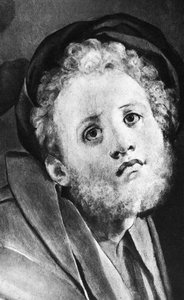
Jacopo Pontormo
1494 - 1557 , Italija
Brzi pregled
- Artistic Movement Or Style: Manirizam
- Artists Or Movements Influenced By This Artist: ['Rosso Fiorentino']
- Artists Who Influenced This Artist: ['Leonardo da Vinci']
- Date Of Birth: cca 1494
- Date Of Death: 1557/7
- Full Name: Jacopo Pontormo
- Nationality: Talijan
- Notable Artworks (List Of Titles):
- Posjet
- Sklapanje s križa
- Place Of Birth (City And Country): Pontorme, Italija
Povezani članci

Drama & Distortion: The High-Voltage Energy of Baroque Mannerism
Dive into the high-voltage world of Baroque Mannerism. Explore how artists traded Renaissance harmony for dramatic distortion, intense light, and pure visual energy. Discover the masters of tension and learn to bring this bold, cinematic aesthetic into your modern space.

Mannerism: Bridging Renaissance Harmony & Baroque Drama – A Study of Style & Affectation
Explore the fascinating world of Mannerism! Discover its key characteristics, pioneering artists like Pontormo & Bronzino, and its pivotal role in bridging Renaissance harmony to Baroque drama. A comprehensive guide for art enthusiasts.
Drama & Distortion: A Journey Through the Captivating World of Baroque Mannerism
Explore the dramatic tension of Mannerism and the opulent grandeur of Baroque art. Discover how masters used light, shadow, and distortion to redefine European history through a captivating journey of emotional intensity and spiritual fervor.

Barokna Drama: Uvođenje Velikolepja i Emocija u Savremene Interijere
Otkrijte dramatičnost i raskoš barokne umjetnosti! OriginalUniqueArt nudi vrhunske reprodukcije, personalizirane portrete i stručne savjete za integraciju ovog veličanstvenog stila u vaš dom. Kvaliteta zajamčena!

Drama and Distortion: A Definitive Guide to the Mastery of Mannerism and Baroque Art
Explore the dramatic evolution from Mannerist distortion to Baroque grandeur. Discover how light, shadow, and emotion redefined art history through a masterclass in technical mastery and religious fervor.

