

 Pregledaj u stvarnoj veličini
 Podijeli
 Podijeli
 Detalji
 Vodič
Vodič

 Preuzmi datoteku
 Slični predmeti
 Rentgenska snimka
 Slide show
 Statistika
Haystacking
 Oil On Panel
- WallArt
- Russian Landscape painters
 1900
1900- 19th Century
 58.0 x 89.0 cm
 Tretyakovska galerija
 Pročitajte više
Giclée / Umjetnički otisak
Giclée tisak muzejske kvalitete ili otisak na platnu uz brzu proizvodnju i fleksibilne opcije završne obrade. ( Naručite ručno oslikano reprodukciju Prebacite na digitalnu prodaju slika)




P118B €10

P118H €10

P118W €10

P438Z €10

P508JH €12

P508YH €12

P805H €10

P805Z €10

P919BZ €10

P919G €10

P919XJ €10

P959ZH €10

P968JZ €12

W106C €8

W218G €10

W218JH €8

W218Y €10

W307PJ €10

W316G €10

W316PJ €8

W316Y €10

W398PJ €8

W4111J €10

W500HY €15

W500JH €15

W692G €12

W849H €8

W940BG €15

W953PJ €8




Odaberite jednu od naših unaprijed definiranih veličina koje odgovaraju izvornim proporcijama umjetničkog djela.

Unesite širinu i visinu koja vam je potrebna, kako bi odgovarali vašem okviru ili zidu. Print se može samo izrezati, nikada ne može biti veći od slike, stoga veličina s drugačijim oblikom gubi dio slike. Šaljemo vam digitalni prikaz (mockup) na odobrenje prije bilo kakve štampe. Slika prikazana na ovoj stranici ne prikazuje stvarni rez — to čini samo digitalni prikaz.
Dostava širom svijeta () u roku od 2 tjedna umjesto standardnih 4/5 tjedana. (26 Listopad)

Besplatna ekspresna dostava širom svijeta

Visokokvalitetno laneno platno

Potpuno osiguranje transporta

Jamstvo povrata carine i uvoznih poreza

Jamstvo vjernosti boja

Politika povrata u roku od 100 dana (samo u slučaju nedostataka)

Jamstvo povrata 100% novca

Popust na više proizvoda
 Opcija stakla dostupna je samo za dimenzije manje od 110 cm

Haystacking
Giclée / Umjetnički otisak
Veličina reprodukcije
-


Ukupna cijena
€ 70
A Symphony of Rural Tranquility
In the vast tapestry of Russian landscape painting, few works capture the ephemeral intersection of human toil and natural majesty as poignantly as Isaak Ilyich Levitan’s “Haystacking.” Painted in 1900, this oil on panel masterpiece serves as a profound meditation on the rhythms of rural existence. The scene unfolds across a sun-drenched field, where golden haystacks punctuate the landscape like silent monuments to the harvest. Yet, beneath this surface of pastoral peace, there is an unmistakable tension; a brooding, heavy sky hangs pregnant with the promise of impending rain, casting a soft, diffused light that blankets the earth. This interplay between the warmth of the sunlit grain and the cool, atmospheric weight of the clouds creates a visual dialogue that is both breathtaking and deeply moving.
As one gazes upon the canvas, the eye is drawn to the figures scattered throughout the meadow—men and women united in the collective endeavor of stacking the harvest. Their presence is not merely decorative but essential, embodying the resilience and communal spirit of the countryside. Levitan does not present them as isolated subjects, but as integral components of the landscape itself, their labor mirroring the seasonal cycles of the earth. For the collector or interior designer, this piece offers more than just a beautiful image; it provides a window into a vanished way of life, where the boundaries between human activity and the natural world were seamlessly intertwined.
Impressionistic Mastery and Emotional Resonance
Technically, “Haystacking” is a triumph of Impressionistic resonance. Levitan, a master of what is often termed the "mood landscape," eschews rigid, photographic precision in favor of capturing the fleeting essence of a moment. His brushwork is loose and expressive, allowing light to dance across the blades of grass and through the heavy atmosphere. By skillfully blending a palette dominated by vibrant yellows and somber blues, he evokes a sensory experience that transcends sight; one can almost feel the humidity in the air and the dry texture of the hay. This masterful manipulation of color is central to the painting's emotional depth, oscillating between the tranquil warmth of the sun and an underlying sense of melancholy.
This duality—the coexistence of peace and unrest—is what makes Levitan’s work so enduringly captivating. The painting does not merely depict a field; it translates a feeling. It speaks to the transient nature of beauty and the quiet strength found in persistence. For those seeking to adorn a space with art that inspires contemplation, “Haystacking” offers a sophisticated emotional anchor. Its ability to evoke both serenity and a reflective, soulful nostalgia makes it an exquisite choice for high-end interiors, providing a focal point that invites viewers to pause, breathe, and reconnect with the profound beauty of the natural world.
Pitanja i odgovori
Koji su format i dimenzije djela "Haystacking"?
"Haystacking" autora Isaak Levitan ima proporcije Landscape djela dimenzija 58 x 89 cm.
Kome se "Haystacking" preporučuje kao poklon i za koju je namjenu?
"Haystacking" autora Isaak Levitan preporučuje se kao poklon za Anniversary, osobito za Accent. Reprodukcija ovog umjetničkog djela može se darovati kao poklon.
Za koju je prigodu "Haystacking" autora Isaak Levitan preporučeno kao poklon?
Kao poklon, za Anniversary se predlaže "Haystacking" autora Isaak Levitan. Prikladno je i za druge prigode.
Biografija umjetnika
A Symphony of the Russian Soul: The Life and Art of Isaak Ilyich Levitan
Isaak Ilyich Levitan, a name synonymous with the evocative power of Russian landscape painting, was more than just a chronicler of nature; he was a poet of the land, a translator of its moods into visual form. Born in 1860 in Kibarty (present-day Lithuania) to a Jewish family who later settled in Moscow, Levitan’s life was marked by both profound hardship and an unwavering dedication to his art. The early loss of his mother and father instilled within him a sensitivity that would permeate his canvases with a melancholic beauty. This sense of longing, coupled with the restrictions imposed upon Jewish communities in Tsarist Russia, fueled a desire to find solace and expression in the natural world. He entered the Moscow School of Painting, Sculpture and Architecture in 1873, where he came under the tutelage of Alexei Savrasov, whose influence would prove pivotal in shaping Levitan’s artistic vision. It was Savrasov who nurtured his student's innate ability to capture not merely the appearance of nature, but its very essence—its atmosphere, its emotional resonance.Early Life and Artistic Beginnings
Isaac Ilyich Levitan was born on August 30, 1860 in Kibarty (today Kibartai village in Lithuania), a region then part of Congress Poland under Russian rule. His father, Ilya Abramovich Levitan, was a railroad employee, and his mother, Sofia Mikhailovna Levitan née Abramova, tragically succumbed to tuberculosis shortly after his birth. This early bereavement profoundly impacted Levitan’s formative years, fostering within him an acute awareness of mortality and shaping his artistic sensibilities. Despite the challenges posed by antisemitism prevalent in Tsarist Russia—limiting opportunities for Jewish education and restricting social mobility—Levitan persevered in pursuing his passion for painting. He demonstrated exceptional talent from a young age, captivating instructors at the Moscow School with his expressive compositions and masterful handling of color. Savrasov recognized Levitan’s extraordinary potential and championed his artistic development, encouraging him to explore the profound connections between humanity and the natural world.The Influence of Alexei Savrasov and the Emergence of Mood Landscape
Alexei Savrasov's mentorship proved instrumental in establishing Levitan’s distinctive artistic style—the “mood landscape.” Unlike earlier painters who prioritized topographical accuracy, Savrasov instilled in Levitan a conviction that art should transcend mere representation to convey emotional depth. He urged Levitan to observe the subtleties of light and shadow, capturing not just what was visible but also what lingered beneath the surface—the unspoken feelings and sensations associated with a particular place. This approach distinguished Levitan from his contemporaries and cemented his reputation as a pioneer of this genre. Savrasov’s emphasis on capturing *atmosfera*, or atmosphere, profoundly influenced Levitan's technique, shaping his palette and compositional choices. He skillfully employed muted tones—often dominated by blues, greens, and browns—to evoke feelings of tranquility, solitude, and melancholy. Works like *Autumn Day. Sokolniki* (1879), painted when he was just nineteen years old, exemplify this masterful blend of observation and emotion. The painting’s delicate rendering of light and color creates a palpable sense of nostalgia, hinting at the ephemeral beauty of autumn and the inevitability of decay.Major Paintings and Artistic Achievements
Levitan's oeuvre encompasses numerous iconic landscapes that continue to captivate audiences worldwide. Among his most celebrated masterpieces are *The Vladimirka Road* (1892), depicting a solitary figure traversing a wintry forest path—a poignant meditation on loneliness and resilience; *Eternal Rest* (1894), portraying a serene cemetery scene bathed in soft sunlight—a contemplative reflection on mortality and the passage of time; *Stormy Day* (1895), conveying the turbulent energy of a tempestuous landscape—a visceral depiction of nature’s power and vulnerability; *Vesper Chimes* (1896), capturing the quiet solemnity of twilight—a lyrical portrayal of spiritual contemplation. These paintings stand apart from their peers due to Levitan's ability to infuse them with an unparalleled level of emotional resonance. He achieved this feat through meticulous attention to detail, masterful use of color, and a profound understanding of human psychology. His election to the Imperial Academy of Arts in 1897 recognized his growing stature within the Russian art world—a testament to his artistic prowess and unwavering commitment to his craft. Furthermore, he served as head of the landscape studio at Moscow School of Painting, Sculpture and Architecture from 1898 onwards, nurturing the talents of aspiring artists and ensuring that Levitan’s stylistic innovations would endure for generations to come.Legacy and Enduring Influence
Isaak Ilyich Levitan's artistic legacy extends far beyond his individual paintings—he fundamentally transformed Russian landscape painting, elevating it from mere visual representation to a powerful medium for conveying spiritual contemplation and emotional expression. His work profoundly influenced subsequent generations of artists—inspiring them to explore the complexities of human experience within the context of the natural world. He instilled in his students—and indeed in all who admired his art—a conviction that beauty resided not only in outward appearances but also in inner feelings—a lesson that resonates powerfully even today. Levitan’s paintings remain a timeless testament to the enduring power of art to evoke emotion, inspire reflection, and connect us to the profound mysteries of existence. His contribution to Russian culture is undeniable, securing his place as one of the most revered landscape painters of the 19th century—a true poet of the Russian soul.
Isaak Levitan
1860 - 1900 , Rusija
Brzi pregled
- Artistic Movement Or Style: Mood Landscape, Realizam
- Artists Or Movements Influenced By This Artist: ['Ruski pejzažisti']
- Artists Who Influenced This Artist:
- Aleksej Savrasov
- Vasiliy Polenov
- Date Of Birth: August 30, 1860
- Date Of Death: July 22, 1900
- Full Name: Isaak Ilyich Levitan
- Nationality: Rusija
- Notable Artworks:
- Autumn Day. Sokolniki
- Vladimirska cesta
- Večiti odpočinek
- Jesenji dan
- Place Of Birth: Kibarty, Lithuania
Povezani članci

Glavna 10 Remek-djela Romantizma: Uljepšajte Svoj Dom Umjetnošću
Otkrijte 10 remek-djela romantizma koja su definirala pejzažno slikarstvo! Uronite u svijet Friedricha, Turnera i Aivazovskog. Inspirirajte svoj interijer vrhunskim umjetničkim djelima. Kupujte reprodukcije na OriginalUniqueArt.com!

Impressionist Landscapes for Large-Scale Hospitality Decor: A Professional Guide to Light, Color, and Texture
A professional guide for hotel designers and procurement managers on selecting Impressionist landscapes. Learn to leverage light, color, and texture through high-quality, hand-painted oil reproductions and large-scale custom solutions for premium hospitality environments.

Top 10 Impresionističkih Krajolika: Majstorski Otisci U Umjetnosti i Dekoraciji
Otkrijte 10 remek-djela impresionizma koja su definirala krajolik! Uronite u svijet Moneta, Renoira i Pissarra. Inspirirajte se umjetnošću i pronađite savršenu reprodukciju za svoj interijer na OriginalUniqueArt.com.

Impressionistic Landscapes: 10 Masterpieces That Changed Art & Decor
Journey into the heart of Impressionism! Explore 10 masterpieces by Monet, Renoir & Degas that revolutionized landscape art. Discover their stories, techniques & find museum-quality reproductions to elevate your home decor on OriginalUniqueArt.com.
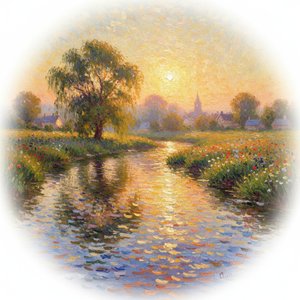
Capturing Light: A Masterclass in the Ethereal Beauty of Impressionistic Landscapes
Explore the ethereal beauty of Impressionist landscapes. Discover how masters like Monet captured fleeting light through color and texture, and learn to curate these timeless, luminous masterpieces for your home collection.
