Veličina teksta

() ·

Slika izrađena ručno, baš za vas

The Entombment

Ručno rađena uljana reprodukcija

Ručno oslikano uljanim bojama na platnu u dimenzijama i okviru po vašem izboru, izrađeno po narudžbi od strane naših umjetnika. ( Prebacite na printove Prebacite na digitalnu sliku)

Opis kolekcionarskog predmeta

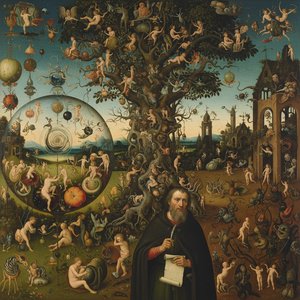
The Entombment 1507. Ink and grey wash, 250 x 350 mm. British Museum, London. 912*770 ... Portrait of Hieronymus Bosch - Pencil and sanguine, 410 x 280 mm

Biografija umjetnika

Otkrijte Hieronimusa Boscha (oko 1450.-1516.), nizozemskog slikara poznatog po svojim fantastičnim i simboličkim djelima, uključujući 'Vrt zemaljskih užitaka'. Istražite njegov jedinstveni stil i utjecaj na umjetnost!

od ·

Poglavlje 1

Koje bi dimenzije trebalo imati?

Povucite kako biste promijenili dimenziju; slika s lijeve strane prikazuje okvir u njegovoj stvarnoj širini. Zadržane su proporcije originala.

Standardne dimenzije
po mjeri
CM
INCH

Odaberite jednu od naših unaprijed definiranih veličina koje odgovaraju izvornim proporcijama umjetničkog djela.

širina
visina

Unesite potrebnu širinu i visinu kako bi dimenzije odgovarale vašem okviru ili zidu. Budući da je riječ o ručno oslikanom djelu, umjetnik može malo proširiti rubove slike ili ih skratiti kako bi postigao drugačiji oblik — izbor je vaš. Prije početka slikanja poslat ćemo vam digitalni prikaz (mockup) radi potvrde. Slika prikazana na ovoj stranici ne predstavlja stvarni rezultat — samo digitalni prikaz to čini.

Poglavlje 2

U kakvom bi stanju trebalo stići?

Odaberite rubove platna

Odaberite svoj okvir

Corner sample of the WhiteWrap canvas edge finish, stretched on masivno drvo bars
Bijela rubna traka €1
Corner sample of the BlurSideWrap canvas edge finish, stretched on masivno drvo bars
Zamućeni rubovi €1
Corner sample of the ExtendedWrap canvas edge finish, stretched on masivno drvo bars
Prošireno €1
Corner sample of the P118B picture frame: oblikovani polistiren, 5 cm wide and 3 cm thick
P118B €10
Corner sample of the P118H picture frame: oblikovani polistiren, 5 cm wide and 3 cm thick
P118H €10
Corner sample of the P118W picture frame: oblikovani polistiren, 5 cm wide and 3 cm thick
P118W €10
Corner sample of the P438Z picture frame: oblikovani polistiren, 5.5 cm wide and 3.5 cm thick
P438Z €10
Corner sample of the P508JH picture frame: oblikovani polistiren, 7 cm wide and 3.5 cm thick
P508JH €12
Corner sample of the P508YH picture frame: oblikovani polistiren, 7 cm wide and 3.5 cm thick
P508YH €12
Corner sample of the P805H picture frame: oblikovani polistiren, 5 cm wide and 3.5 cm thick
P805H €10
Corner sample of the P805Z picture frame: oblikovani polistiren, 5 cm wide and 3.5 cm thick
P805Z €10
Corner sample of the P919BZ picture frame: oblikovani polistiren, 7 cm wide and 3.5 cm thick
P919BZ €10
Corner sample of the P919G picture frame: oblikovani polistiren, 7 cm wide and 3.5 cm thick
P919G €10
Corner sample of the P919XJ picture frame: oblikovani polistiren, 7 cm wide and 3.5 cm thick
P919XJ €10
Corner sample of the P959ZH picture frame: oblikovani polistiren, 5 cm wide and 3 cm thick
P959ZH €10
Corner sample of the P968JZ picture frame: oblikovani polistiren, 6 cm wide and 4 cm thick
P968JZ €12
Corner sample of the W106C picture frame: masivno drvo, 5 cm wide and 3 cm thick
W106C €8
Corner sample of the W218G picture frame: masivno drvo, 5 cm wide and 3 cm thick
W218G €10
Corner sample of the W218JH picture frame: masivno drvo, 5 cm wide and 3 cm thick
W218JH €8
Corner sample of the W218Y picture frame: masivno drvo, 5 cm wide and 3 cm thick
W218Y €10
Corner sample of the W307PJ picture frame: masivno drvo, 6 cm wide and 3 cm thick
W307PJ €10
Corner sample of the W316G picture frame: masivno drvo, 6 cm wide and 3 cm thick
W316G €10
Corner sample of the W316PJ picture frame: masivno drvo, 6 cm wide and 3 cm thick
W316PJ €8
Corner sample of the W316Y picture frame: masivno drvo, 6 cm wide and 3 cm thick
W316Y €10
Corner sample of the W398PJ picture frame: masivno drvo, 5 cm wide and 3 cm thick
W398PJ €8
Corner sample of the W4111J picture frame: masivno drvo, 6.5 cm wide and 3.5 cm thick
W4111J €10
Corner sample of the W500HY picture frame: masivno drvo, 7 cm wide and 5 cm thick
W500HY €15
Corner sample of the W500JH picture frame: masivno drvo, 7 cm wide and 5 cm thick
W500JH €15
Corner sample of the W692G picture frame: masivno drvo, 8 cm wide and 4 cm thick
W692G €12
Corner sample of the W849H picture frame: masivno drvo, 5 cm wide and 3 cm thick
W849H €8
Corner sample of the W940BG picture frame: masivno drvo, 7.5 cm wide and 4.5 cm thick
W940BG €15
Corner sample of the W953PJ picture frame: masivno drvo, 6 cm wide and 3.5 cm thick
W953PJ €8
Corner sample of the H24-GOLD picture frame: rezbarano drvo s gessom, 10 cm wide and 6 cm thick
H24-GOLD €30
Corner sample of the H24-SILVER picture frame: rezbarano drvo s gessom, 10 cm wide and 6 cm thick
H24-SILVER €30
Corner sample of the H36-GOLD picture frame: rezbarano drvo s gessom, 15 cm wide and 6.5 cm thick
H36-GOLD €45
Corner sample of the H36-SILVER picture frame: rezbarano drvo s gessom, 15 cm wide and 6.5 cm thick
H36-SILVER €45

Profil: . Ukupna veličina s okvirom: .

Poglavlje 3

Tko to slika i treba li išta promijeniti?

Primjeri onoga što se može promijeniti: Zamjena lica fotografijom kupca; Dodavanje ljubimca (npr. zamjena mačke psom); Uključivanje skrivene poruke u pozadini; Promjena krajolika ili elemenata u pozadini.
Nakon narudžbe, tim OriginalUniqueArt.com kontaktirat će klijenta putem e-pošte radi uputa te dostaviti pregledni prikaz (mockup)

Isporuka širom svijeta () u roku od 3-4 tjedna umjesto standardnih 5 tjedana. (8 Studeni). Bez kompromisa u kvaliteti.

Poglavlje 4

Završni dodir

Pločica s natpisom, kao u muzeju?

Detalji gravirane brončane pločice

This elegant plaque features the artist's name and the title of the artwork, finely engraved for a timeless presentation.

It is made from bronze with a refined, elegant finish. The text is precisely laser-engraved for a sharp and permanent result. Measuring 9x2 cm, the plaque is compact yet easy to read. It's built to be durable and scratch-resistant, offering a professional, museum-quality look. Mounting is simple thanks to the included adhesive backing.

Detalji prozirne akrilne pločice

The plaque includes essential engraved details such as the artist's name, the title of the artwork, the date it was created, the type of media used-like oil on canvas or watercolor-a brief description of the piece, and a QR code that links to the complete artwork information.

It is crafted from clear acrylic, offering a sleek, modern appearance. The text is UV-engraved in black to ensure strong visual contrast. With a size of 10x15 cm, it ensures optimal readability. It comes equipped with two metal hooks for secure wall mounting. The plaque is designed to be weather-resistant, making it suitable for various environments, and it includes interactive features that work seamlessly with smartphone scanning.

Detalji crne akrilne pločice

This elegant plaque includes engraved information such as the artist's name, the title of the artwork, the date it was created, the type of media used (like oil on canvas or watercolor), a short description of the artwork, and a QR code for quick access to more information.

The plaque itself is made from refined black acrylic with a premium finish. The text is laser-engraved in white for high contrast and readability. Its size is 10x15 cm, designed to be easy to read. It comes with two metal hooks for professional mounting. The design is sleek and fits any interior style. It is also weather-resistant and durable, with built-in digital integration for mobile compatibility.

Zaštitni lak?

Kada vam je potrebno?

Poglavlje 5

Vaša slika, prema vašoj narudžbi

The Entombment

Tehnika reprodukcije

Veličina reprodukcije

-

Odabrani vrhunski umjetnik

Više detalja, profinjenosti i dodatnog vremena za izradu

-

Okvir za reprodukciju

-

-

Za umjetnička djela ili reprodukcije veće od 105 cm (približno 41 inč) na bilo kojoj strani, okvir će biti isporučen u obliku rastavljenog seta za montažu. Ovaj način osigurava sigurnu dostavu i sprječava oštećenja tijekom transporta.

Potrebna je profesionalna montaža – ovo nije proizvod za samostalnu izradu.
Set mora sastaviti i platno zategnuti iskusni profesionalni uokvirivač, koristeći drvno ljepilo (nije uključeno u set), kljeste za zatezanje platna i stege kako bi se održao pravilan kut letvica dok se ljepilo suši. Nepravilna montaža ili neravnomjerno zategnuto platno mogu trajno oštetiti umjetničko djelo, a takva oštećenja nisu pokrivena našim jamstvom.

  • Sve letvice od punog drveta su uključene, precizno izrezane po mjeri.

  • Montira se pomoću priloženih vijaka, uz dodatak ljepila za drvo za spojeve u kutovima, koje nije uključeno u set i koje vaš okviraš mora vlastito nabaviti.

  • Potrebni su profesionalni alati koji nisu uključeni: škripc za zatezanje platna (zatezač) i stezaljke za održavanje pravokonačnosti letvica tijekom sušenja ljepila.

Važno:
Za spojeve u kutovima potrebno je ljepilo za drvo, letvice se moraju pričvrstiti stezgama dok se ljepilo potpuno ne osuši, a za zatezanje platna na sastavljenom okviru potreban je alat za zatezanje platna. Nijedan od ovih alata nije uključen u set. Molimo vas da prije narudžbe ove veličine osigurate uslugu iskusnog profesionalnog uokvirivača.

Natpisna pločica

-

-

Zaštitni lak

Sjajni lak (pojačava intenzitet boja, štiti od svjetlosti i vlage)

-

Prilagodite svoje umjetničko djelo

Primjeri mogućnosti prilagodbe: Zamijenite lice fotografijom kupca; Dodajte ljubimca (npr. zamijenite mačku psom); Uključite skrivenu poruku u pozadinu; Promijenite pejzaž ili elemente pozadine.

-

Hitna dostava

Globalna dostava () u roku od 3-4 tjedna umjesto standardnih 5 tjedana. (8 Studeni). Bez kompromisa u kvaliteti.

-

Brza dostava

Dostava širom svijeta () u roku od 5 tjedana. (15 Studeni).

Uključeno u cijenu

Ukupna cijena

€ 402

Ukupna cijena € 402

Opcija stakla dostupna je samo za dimenzije manje od 110 cm

Uključeno uz svaku narudžbu

  • Besplatna ekspresna dostava širom svijeta
  • Visokokvalitetno laneno platno
  • Potpuno osiguranje dostave
  • Jamstvo povrata carine i uvoznih poreza
  • Jamstvo vjernosti boja
  • Politika povrata u roku od 100 dana (samo u slučaju nedostataka)
  • Jamstvo povrata 100% novca
  • Popust na više proizvoda

A Descent into Sorrowful Detail: Exploring Hieronymus Bosch’s “The Entombment”

Hieronymus Bosch’s “The Entombment,” completed in 1507, stands as a haunting testament to the anxieties of Renaissance Europe and a cornerstone of Surrealist art. More than just a depiction of biblical piety, it's an unsettling meditation on mortality, faith, and the grotesque beauty inherent in confronting uncomfortable truths—a characteristic hallmark of Bosch’s singular artistic vision.

  • Subject Matter: The artwork portrays the solemn ritual surrounding Christ’s burial – a scene steeped in Christian iconography. Notably, the prominent crown of thorns adorning Jesus' head serves as a potent symbol of suffering and sacrifice, anchoring the composition within established religious tradition.
  • Style & Context: Bosch’s style aligns perfectly with the burgeoning Northern Renaissance movement, yet transcends its conventions through an unflinching embrace of bizarre imagery and psychological depth. Executed in the wake of Martin Luther's challenge to papal authority, “The Entombment” reflects a broader cultural preoccupation with demonic forces and the perils of earthly existence—themes that would resonate powerfully throughout subsequent artistic endeavors.

Technical Mastery: Etching’s Delicate Dance of Light and Shadow

Bosch achieved his arresting visual impact through meticulous etching, a technique renowned for its precision and tonal subtlety. The plate itself was painstakingly prepared—likely utilizing acid resist—allowing for the creation of incredibly detailed lines that capture the textures of fabric, skin, and hair with astonishing accuracy. These fine lines are interwoven with hatching and cross-hatching to sculpt shading and depth, generating an atmosphere of palpable gloom.

  • Technique: The etching process involved transferring a design onto metal plate using acid resist, followed by carefully removing excess material through controlled etching—a laborious undertaking that demanded considerable artistic skill.
  • Materials: Primarily composed of zinc or copper plates and ink, the artwork exemplifies the craftsmanship of its era, demonstrating an understanding of printmaking’s capabilities to convey nuanced emotional expression.

Symbolism Beyond the Surface: Layers of Meaning

“The Entombment” is far more than a straightforward retelling of biblical narrative; it operates on multiple symbolic levels. The crowded figures surrounding Christ—some weeping, others gesturing with solemn expressions—represent humanity grappling with grief and despair. Bosch’s penchant for incorporating fantastical elements—such as grotesque animals and unsettling human-animal hybrids—challenges viewers to confront the darker side of faith and underscores the pervasive influence of medieval folklore.

  • Emotional Impact: The artwork evokes a profound sense of sorrow, grief, and contemplation. Bosch’s masterful use of chiaroscuro amplifies these emotions, drawing attention to the central figure's vulnerability while simultaneously conveying the oppressive weight of mortality.
  • Recurring Motifs: Bosch frequently employed symbolic imagery—like serpents and skulls—to convey moral lessons and explore existential anxieties. These motifs contribute to “The Entombment’s” unsettling atmosphere and invite viewers to ponder profound questions about life, death, and redemption.

A Legacy of Surrealist Vision

Despite its Renaissance origins, “The Entombment” anticipates the stylistic innovations of Surrealism—a movement spearheaded by André Breton in the 1920s—particularly its fascination with dreamlike imagery and irrational juxtapositions. Bosch’s uncompromising exploration of psychological complexity and his willingness to depict disturbing realities cemented his place as a visionary artist whose influence continues to inspire artists today.

Pitanja i odgovori

Koji su datum nastanka i stil djela "The Entombment" autora Jeroen Bosch?

"The Entombment" nastalo je 1507. godine, u sklopu pokreta Northern Renaissance.

Što prikazuje "The Entombment"?

Motivi djela "The Entombment" su religious painting, memento mori, entombment scene, medieval art, bosch style, symbolism, christian iconography.

Koje se raspoloženje i emocija prepliću u djelu "The Entombment"?

U djelu "The Entombment", Dramatic raspoloženje prati Melancholic emocija.

Više o ovoj slici

Pregledaj u realnoj veličini Pregled u AR-u Prebacite na printove Prebacite na digitalnu sliku Pošalji
Detalji o umjetničkom djelu Vodič Dodaj u omiljene Preuzmi umjetničko djelo Slični predmeti Rentgenska snimka Slide show Pitanja i odgovori Statistika

U brojkama

  • 1507godina nastanka
  • 29okviri koji možete odabrati
  • standardne dimenzije, u vlastitim proporcijama
  • 5tjedana za slikanje i dostavu
Jeroen Bosch

Jeroen Bosch

1450 - 1516, Nizozemska

Brzi pregled o Jeroen Bosch

  • Artistic Movement Or Style: Surrealizam i simbolizam
  • Artists Or Movements Influenced By This Artist: ['Pieter Bruegel']
  • Date Of Birth: c. 1450
  • Date Of Death: 1516
  • Full Name: Hieronymus Bosch
  • Nationality: Nizozemski
  • Notable Artworks:
    • Tuin der Lusten
    • Het Laatste Oordeel
    • Ascent of the Blessed
  • Place Of Birth: Den Bosch, Nizozemska

Biografija umjetnika

Hieronymus Bosch – Een Mysterieus Kunstenaar

Bosch werd geboren rond 1450 in ’s- Hertogenbosch, een bruisende stad aan het einde van het Laatste Koninkrijk Brabant—een regio die tegenwoordig deel uitmaakt van Nederland—waar hij zijn hele leven woonde en werkte. Zijn geboorteplaats zou uiteindelijk inspiratie bieden voor zijn kunstenaarsnaam “Bosch”, wat verwijst naar zijn plaatselijke naamgeving. Zijn familie had een lange traditie in schilderkunst; zowel zijn vader als zijn grootvader waren ook kunstenaars, waardoor hij waarschijnlijk zijn vroegste opleiding binnen het gezin kreeg en de technieken en conventies van Nederlandse schilderkunst assimileerde. Maar zelfs al begon hij nog maar jong op zijn eigen manier af te wijken van gevestigde normen—een teken van een uitzonderlijk fantasievermogen dat zijn carrière zou definiëren—zijn leven bleef een bron van mysterie voor historici. Zijn exacte geboortedatum is niet vastgesteld, gebaseerd op een zelfportret dat hij kort voor zijn dood maakte in 1516. Het portret toont de kunstenaar in zijn latere jaren, wat suggereert dat hij rond het midden van de eeuw geboren was.

Een Familie Traditie en Een Nieuwe Visie

Bosch kwam uit een familie met een lange geschiedenis binnen de kunstwereld. Zijn vader, Anthonius van Aken, oefende als kunstadviseur uit voor het Broederhuis van Onze Lieve Vrouw uit en werkte hij samen met zijn grootvader Jan van Aken—een andere bekroonde schilder—waardoor hij waarschijnlijk zijn vroegste opleiding binnen het gezin kreeg en de technieken en conventies van Nederlandse schilderkunst assimileerde. Ondanks dat weinig bekend is over zijn persoonlijke leven, werden er enkele belangrijke historische gegevens gevonden die een beeld geven van zijn kunstenaarschap. Hij trouwde met Aleid Goyaerts van den Meerveen rond 1481, een vrouw die iets ouder was dan hijzelf en waarvan de familie haar grote financiële middelen bezat—een factor die bijdroeg aan zijn financiële stabiliteit, maar weinig meer over zijn persoonlijke leven werd bekendgemaakt. Zijn huwelijk betekende dat hij een gezin had en dat Aleid’s familie hem ondersteunde bij het financieel beheren van zijn activiteiten. Een belangrijke historische bron is de administratie van het Broederhuis waar hij lid werd in 1486/87, waarbij hij samen met meer dan 350 andere leden uit Nederland en Duitsland werd toegelaten dat jaar. Een uitzonderlijke gebeurtenis was dat hij een erkende lid werd kort daarna—een feit dat bevestigt dat hij rond het midden van de eeuw geboren was. Zijn naam, “Jeroen Bosch”, verschijnt in dezelfde stijl als een document waarin de penvoerder een lijst maakte van de negen leden die regelmatig deelnamen aan het Swan Banquet elk jaar rond Kerstmis—een gebeurtenis die werd gehouden door het Broederhuis en waar hij een belangrijke rol speelde. Een vermelding in de administratie van het Broederhuis uit 1516 bevestigde dat een requiemmissie voor “Jeroen Bosch, erkende broeder” werd gehouden op 9 augustus 1516 in de kerk van Sint Johannes—een gebeurtenis die werd geleid door dominee Willem Hamaker, ondersteund door een diaken en subdiaken, met muziek verzorgd door een orgelspeler en koor. Zijn grafplaats is nog steeds onbekend, maar het wordt algemeen aangenomen dat hij werd begraven in de kerk binnenplaats, rechtstreeks bereikbaar vanuit het noordelijke transept.

Een Unieke Schilderstijl

Bosch ontwikkelde een stijl die hem onderscheidt van zijn tijdgenoten en die nog steeds vandaag de dag fascineert en bekritiseerd wordt door kunsthistorici. Hij werkte voornamelijk met olie op oude eikenpanelen, waarbij hij een meesterlijke beheersing demonstreerde van het medium—waardoor hij prachtige kleuren en complexe texturen bereikte. Zijn vroegere werken laten invloeden zien van traditionele Nederlandse schilderkunst, vooral in hun realisme en aandacht voor detail, maar hij ging snel verder dan eenvoudige imitatie, waarbij hij een diep originele visie ontwikkelde. Zijn schilderijen zijn niet alleen representaties van de echte wereld; ze zijn allegorische landschappen die worden bevolkt door bizarre wezens, hybride soorten en verontrustende scènes die lijken te komen uit dromen—of nachtmerries. Hij gebruikte een combinatie van prachtige kleuren en complexe texturen om een stijl te creëren die hem onderscheidt van zijn tijdgenoten en die nog steeds vandaag de dag fascineert en bekritiseerd wordt door kunsthistorici. Zijn vroegere werken laten invloeden zien van traditionele Nederlandse schilderkunst, vooral in hun realisme en aandacht voor detail, maar hij ging snel verder dan eenvoudige imitatie, waarbij hij een diep originele visie ontwikkelde. Zijn schilderijen zijn niet alleen representaties van de echte wereld; ze zijn allegorische landschappen die worden bevolkt door bizarre wezens, hybride soorten en verontrustende scènes die lijken te komen uit dromen—of nachtmerries. Hij gebruikte een combinatie van prachtige kleuren en complexe texturen om een stijl te creëren die hem onderscheidt van zijn tijdgenoten en die nog steeds vandaag de dag fascineert en bekritiseerd wordt door kunsthistorici. Zijn vroegere werken laten invloeden zien van traditionele Nederlandse schilderkunst, vooral in hun realisme en aandacht voor detail, maar hij ging snel verder dan eenvoudige imitatie, waarbij hij een diep originele visie ontwikkelde. Zijn schilderijen zijn niet alleen representaties van de echte wereld; ze zijn allegorische landschappen die worden bevolkt door bizarre wezens, hybride soorten en verontrustende scènes die lijken te komen uit dromen—of nachtmerries. Hij gebruikte een combinatie van prachtige kleuren en complexe texturen om een stijl te creëren die hem onderscheidt van zijn tijdgenoten en die nog steeds vandaag de dag fascineert en bekritiseerd wordt door kunsthistorici. Zijn vroegere werken laten invloeden zien van traditionele Nederlandse schilderkunst, vooral in hun realisme en aandacht voor detail, maar hij ging snel verder dan eenvoudige imitatie, waarbij hij een diep originele visie ontwikkelde. Zijn schilderijen zijn niet alleen representaties van de echte wereld; ze zijn allegorische landschappen die worden bevolkt door bizarre wezens, hybride soorten en verontrustende scènes die lijken te komen uit dromen—of nachtmerries. Hij gebruikte een combinatie van prachtige kleuren en complexe texturen om een stijl te creëren die hem onderscheidt van zijn tijdgenoten en die nog steeds vandaag de dag fascineert en bekritiseerd wordt door kunsthistorici. Zijn vroegere werken laten invloeden zien van traditionele Nederlandse schilderkunst, vooral in hun realisme en aandacht voor detail, maar hij ging snel verder dan eenvoudige imitatie, waarbij hij een diep originele visie ontwikkelde. Zijn schilderijen zijn niet alleen representaties van de echte wereld; ze zijn allegorische landschappen die worden bevolkt door bizarre wezens, hybride soorten en verontrustende scènes die lijken te komen uit dromen—of nachtmerries. Hij gebruikte een combinatie van prachtige kleuren en complexe texturen om een stijl te creëren die hem onderscheidt van zijn tijdgenoten en die nog steeds vandaag de dag fascineert en bekritiseerd wordt door kunsthistorici. Zijn vroegere werken laten invloeden zien van traditionele Nederlandse schilderkunst, vooral in hun realisme en aandacht voor detail, maar hij ging snel verder dan eenvoudige imitatie, waarbij hij een diep originele visie ontwikkelde. Zijn schilderijen zijn niet alleen representaties van de echte wereld; ze zijn allegorische landschappen die worden bevolkt door bizarre wezens, hybride soorten en verontrustende scènes die lijken te komen uit dromen—of nachtmerries. Hij gebruikte een combinatie van prachtige kleuren en complexe texturen om een stijl te creëren die hem onderscheidt van zijn tijdgenoten en die nog steeds vandaag de dag fascineert en bekritiseerd wordt door kunsthistorici. Zijn vroegere werken laten invloeden zien van traditionele Nederlandse schilderkunst, vooral in hun realisme en aandacht voor detail, maar hij ging snel verder dan eenvoudige imitatie, waarbij hij een diep originele visie ontwikkelde. Zijn schilderijen zijn niet alleen representaties van de echte wereld; ze zijn allegorische landschappen die worden bevolkt door bizarre wezens, hybride soorten en verontrustende scènes die lijken te komen uit dromen—of nachtmerries. Hij gebruikte een combinatie van prachtige kleuren en complexe texturen om een stijl te creëren die hem onderscheidt van zijn tijdgenoten en die nog steeds vandaag de dag fascineert en bekritiseerd wordt door kunsthistorici. Zijn

Osnovne informacije

  • Artistic style: Surrealism & symbolism
  • Influences: Late Medieval art
  • Year: 1507
  • Subject or theme: Religious scene; Entombment of Christ
  • Dimensions: 250 x 350 cm
  • Artist: Hieronymus Bosch

Kviz o umjetnosti

Svako pitanje ima samo jedan točan odgovor.

Pitanje 1:
What artistic style is predominantly associated with Hieronymus Bosch’s ‘The Entombment’?
Pitanje 2:
What is the primary color palette utilized in ‘The Entombment’?
Pitanje 3:
The image description mentions ‘overlapping layers’ – what does this contribute to in terms of the artwork's visual impact?
Pitanje 4:
What technique is most likely employed to create shading and texture in ‘The Entombment’?
Pitanje 5:
Based on the image description, what is a key symbolic element present in ‘The Entombment’?