
 Pregledaj u realnoj veličini
 Pošalji
 Podijeli
 Detalji o umjetničkom djelu
 Vodič
Vodič

 Preuzmi umjetničko djelo
 Slični predmeti
 Rentgenska snimka
 Slide show
 Pitanja i odgovori
 Statistika
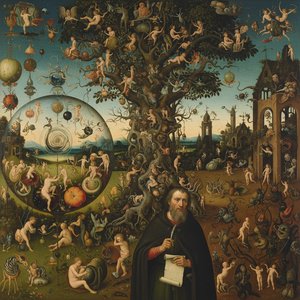
Temptation of St. Anthony

- 53.0 x 132.0 cm


 Prikaži više
Giclée / Umjetnički otisak
Giclée tisak muzejske kvalitete ili otisak na platnu uz brzu izradu i raznolike opcije završne obrade. ( Kupi ručno oslikano djelo Prebacite na digitalnu sliku)




P118B €10

P118H €10

P118W €10

P438Z €10

P508JH €12

P508YH €12

P805H €10

P805Z €10

P919BZ €10

P919G €10

P919XJ €10

P959ZH €10

P968JZ €12

W106C €8

W218G €10

W218JH €8

W218Y €10

W307PJ €10

W316G €10

W316PJ €8

W316Y €10

W398PJ €8

W4111J €10

W500HY €15

W500JH €15

W692G €12

W849H €8

W940BG €15

W953PJ €8




Odaberite jednu od naših unaprijed definiranih veličina koje odgovaraju izvornim proporcijama umjetničkog djela.

Unesite potrebnu širinu i visinu kako bi odgovarali vašem okviru ili zidu. Print se može samo izrezati, nikada ne može biti veći od slike, stoga format s drugačijim omjerom stranica uzrokuje gubitak dijela slike. Prije bilo kakve štampe šaljemo vam digitalni prikaz (mockup) na odobrenje. Slika prikazana na ovoj stranici ne prikazuje stvarni rez — to prikazuje isključivo digitalni prikaz.
Dostava širom svijeta () u roku od 2 tjedna umjesto standardnih 4/5 tjedana. (7 Studeni)

Besplatna ekspresna dostava širom svijeta

Visokokvalitetno laneno platno

Potpuno osiguranje dostave

Jamstvo povrata carine i uvoznih poreza

Jamstvo vjernosti boja

Politika povrata u roku od 100 dana (samo u slučaju nedostataka)

Jamstvo povrata 100% novca

Popust na više proizvoda
 Opcija stakla dostupna je samo za dimenzije manje od 110 cm

Temptation of St. Anthony
Giclée / Umjetnički otisak
Veličina reprodukcije
-


Ukupna cijena
€ 72
A Descent into the Subconscious: Hieronymus Bosch’s *Temptation of St. Anthony*
Hieronymus Bosch's Temptation of St. Anthony, painted in 1506, isn’t merely a depiction of a biblical scene; it’s an immersive journey into the darkest recesses of the human psyche. This extraordinary work, measuring a modest 53 x 132 cm, pulsates with unsettling energy and invites prolonged contemplation – a hallmark of Bosch's uniquely challenging artistic vision. The painting captures a pivotal moment in the life of St. Anthony, the renowned hermit who battled demonic temptations during his pursuit of God. Yet, Bosch transforms this familiar narrative into something far more complex, layering it with fantastical imagery and a palpable sense of moral ambiguity.
Bosch’s style is instantly recognizable – a chaotic blend of meticulous detail and feverish imagination. He eschews the idealized forms favored by many of his contemporaries, instead presenting figures that are often grotesque, distorted, or unsettlingly hybrid. The scene unfolds within a dreamlike landscape, populated by bizarre creatures: birds with human faces, a giant toadstool resembling a throne, and a collection of nude figures engaged in strange rituals. This isn’t a straightforward illustration; it's a visual allegory, brimming with symbolic weight.
The Language of Symbols: Decoding Bosch’s Vision
Bosch was deeply influenced by late medieval folklore, alchemy, and the burgeoning anxieties surrounding societal change. The painting is saturated with symbols that speak to these concerns. The numerous birds circling St. Anthony represent fleeting temptations – distractions from the true path to salvation. Their proximity to his head suggests the constant, insidious nature of worldly desires. The giant toadstool, a recurring motif in Bosch’s work, symbolizes earthly pleasures and vanity, offering a tempting but ultimately destructive throne. The presence of the nude figures, often depicted in compromising positions, underscores the dangers of lust and sensuality.
Notably, the inclusion of animals – particularly the dog and the hare – adds another layer of interpretation. Dogs are traditionally associated with sin and betrayal, while hares represent fertility and fleeting desires. The various interactions between these creatures and the human figures further complicate the narrative, suggesting a world where morality is fluid and easily corrupted.
Technique and Materials: A Master’s Hand
Bosch employed his signature technique of meticulous detail combined with an almost hallucinatory quality. He utilized oil paint on wood panel, allowing for rich colors and subtle gradations – though the painting's surface is often described as uneven and textured, reflecting the artist’s rapid and intensely focused working method. The use of *grisaille*, a monochrome underpainting, would have provided a foundation for subsequent layers of color, enhancing the depth and luminosity of the scene. Bosch’s mastery of perspective, though unconventional by Renaissance standards, creates a sense of spatial disorientation that mirrors the psychological turmoil experienced by St. Anthony.
Emotional Resonance: A Portrait of Spiritual Struggle
Temptation of St. Anthony is profoundly unsettling, yet undeniably captivating. It doesn’t offer easy answers or comforting resolutions; instead, it forces us to confront our own vulnerabilities and the constant battle between earthly desires and spiritual aspiration. The painting's power lies in its ability to evoke a visceral response – a sense of unease, curiosity, and perhaps even a touch of fear. It is a testament to Bosch’s genius that he could translate such complex psychological themes into a visual language so potent and enduring. A reproduction captures this intensity, offering a window into the mind of one of art history's most enigmatic masters.
OriginalUniqueArt offers meticulously crafted hand-painted reproductions of Hieronymus Bosch’s *Temptation of St. Anthony*, allowing you to experience the full impact of this extraordinary work in your own space. Each reproduction is created by skilled artists, ensuring an authentic representation of Bosch's unique style and symbolism.
Pitanja i odgovori
Kako je izgrađena koloristička kompozicija djela "Temptation of St. Anthony" autora Jeroen Bosch?
U djelu "Temptation of St. Anthony", Statement kontrast uparuje se s Balanced Harmony harmonijom.
Koji emocionalni ton prati stil Late Medieval Symbolism u djelu "Temptation of St. Anthony"?
U okviru pokreta Late Medieval Symbolism, djelo "Temptation of St. Anthony" zabilježeno je s Mysterious tonom.
Koje boje dominiraju u djelu "Temptation of St. Anthony" autora Jeroen Bosch?
"Temptation of St. Anthony" definira paleta boja Earthy koju predvodi Gray (#88775e).
Biografija umjetnika
Hieronymus Bosch – Een Mysterieus Kunstenaar
Bosch werd geboren rond 1450 in ’s- Hertogenbosch, een bruisende stad aan het einde van het Laatste Koninkrijk Brabant—een regio die tegenwoordig deel uitmaakt van Nederland—waar hij zijn hele leven woonde en werkte. Zijn geboorteplaats zou uiteindelijk inspiratie bieden voor zijn kunstenaarsnaam “Bosch”, wat verwijst naar zijn plaatselijke naamgeving. Zijn familie had een lange traditie in schilderkunst; zowel zijn vader als zijn grootvader waren ook kunstenaars, waardoor hij waarschijnlijk zijn vroegste opleiding binnen het gezin kreeg en de technieken en conventies van Nederlandse schilderkunst assimileerde. Maar zelfs al begon hij nog maar jong op zijn eigen manier af te wijken van gevestigde normen—een teken van een uitzonderlijk fantasievermogen dat zijn carrière zou definiëren—zijn leven bleef een bron van mysterie voor historici. Zijn exacte geboortedatum is niet vastgesteld, gebaseerd op een zelfportret dat hij kort voor zijn dood maakte in 1516. Het portret toont de kunstenaar in zijn latere jaren, wat suggereert dat hij rond het midden van de eeuw geboren was.Een Familie Traditie en Een Nieuwe Visie
Bosch kwam uit een familie met een lange geschiedenis binnen de kunstwereld. Zijn vader, Anthonius van Aken, oefende als kunstadviseur uit voor het Broederhuis van Onze Lieve Vrouw uit en werkte hij samen met zijn grootvader Jan van Aken—een andere bekroonde schilder—waardoor hij waarschijnlijk zijn vroegste opleiding binnen het gezin kreeg en de technieken en conventies van Nederlandse schilderkunst assimileerde. Ondanks dat weinig bekend is over zijn persoonlijke leven, werden er enkele belangrijke historische gegevens gevonden die een beeld geven van zijn kunstenaarschap. Hij trouwde met Aleid Goyaerts van den Meerveen rond 1481, een vrouw die iets ouder was dan hijzelf en waarvan de familie haar grote financiële middelen bezat—een factor die bijdroeg aan zijn financiële stabiliteit, maar weinig meer over zijn persoonlijke leven werd bekendgemaakt. Zijn huwelijk betekende dat hij een gezin had en dat Aleid’s familie hem ondersteunde bij het financieel beheren van zijn activiteiten. Een belangrijke historische bron is de administratie van het Broederhuis waar hij lid werd in 1486/87, waarbij hij samen met meer dan 350 andere leden uit Nederland en Duitsland werd toegelaten dat jaar. Een uitzonderlijke gebeurtenis was dat hij een erkende lid werd kort daarna—een feit dat bevestigt dat hij rond het midden van de eeuw geboren was. Zijn naam, “Jeroen Bosch”, verschijnt in dezelfde stijl als een document waarin de penvoerder een lijst maakte van de negen leden die regelmatig deelnamen aan het Swan Banquet elk jaar rond Kerstmis—een gebeurtenis die werd gehouden door het Broederhuis en waar hij een belangrijke rol speelde. Een vermelding in de administratie van het Broederhuis uit 1516 bevestigde dat een requiemmissie voor “Jeroen Bosch, erkende broeder” werd gehouden op 9 augustus 1516 in de kerk van Sint Johannes—een gebeurtenis die werd geleid door dominee Willem Hamaker, ondersteund door een diaken en subdiaken, met muziek verzorgd door een orgelspeler en koor. Zijn grafplaats is nog steeds onbekend, maar het wordt algemeen aangenomen dat hij werd begraven in de kerk binnenplaats, rechtstreeks bereikbaar vanuit het noordelijke transept.Een Unieke Schilderstijl
Bosch ontwikkelde een stijl die hem onderscheidt van zijn tijdgenoten en die nog steeds vandaag de dag fascineert en bekritiseerd wordt door kunsthistorici. Hij werkte voornamelijk met olie op oude eikenpanelen, waarbij hij een meesterlijke beheersing demonstreerde van het medium—waardoor hij prachtige kleuren en complexe texturen bereikte. Zijn vroegere werken laten invloeden zien van traditionele Nederlandse schilderkunst, vooral in hun realisme en aandacht voor detail, maar hij ging snel verder dan eenvoudige imitatie, waarbij hij een diep originele visie ontwikkelde. Zijn schilderijen zijn niet alleen representaties van de echte wereld; ze zijn allegorische landschappen die worden bevolkt door bizarre wezens, hybride soorten en verontrustende scènes die lijken te komen uit dromen—of nachtmerries. Hij gebruikte een combinatie van prachtige kleuren en complexe texturen om een stijl te creëren die hem onderscheidt van zijn tijdgenoten en die nog steeds vandaag de dag fascineert en bekritiseerd wordt door kunsthistorici. Zijn vroegere werken laten invloeden zien van traditionele Nederlandse schilderkunst, vooral in hun realisme en aandacht voor detail, maar hij ging snel verder dan eenvoudige imitatie, waarbij hij een diep originele visie ontwikkelde. Zijn schilderijen zijn niet alleen representaties van de echte wereld; ze zijn allegorische landschappen die worden bevolkt door bizarre wezens, hybride soorten en verontrustende scènes die lijken te komen uit dromen—of nachtmerries. Hij gebruikte een combinatie van prachtige kleuren en complexe texturen om een stijl te creëren die hem onderscheidt van zijn tijdgenoten en die nog steeds vandaag de dag fascineert en bekritiseerd wordt door kunsthistorici. Zijn vroegere werken laten invloeden zien van traditionele Nederlandse schilderkunst, vooral in hun realisme en aandacht voor detail, maar hij ging snel verder dan eenvoudige imitatie, waarbij hij een diep originele visie ontwikkelde. Zijn schilderijen zijn niet alleen representaties van de echte wereld; ze zijn allegorische landschappen die worden bevolkt door bizarre wezens, hybride soorten en verontrustende scènes die lijken te komen uit dromen—of nachtmerries. Hij gebruikte een combinatie van prachtige kleuren en complexe texturen om een stijl te creëren die hem onderscheidt van zijn tijdgenoten en die nog steeds vandaag de dag fascineert en bekritiseerd wordt door kunsthistorici. Zijn vroegere werken laten invloeden zien van traditionele Nederlandse schilderkunst, vooral in hun realisme en aandacht voor detail, maar hij ging snel verder dan eenvoudige imitatie, waarbij hij een diep originele visie ontwikkelde. Zijn schilderijen zijn niet alleen representaties van de echte wereld; ze zijn allegorische landschappen die worden bevolkt door bizarre wezens, hybride soorten en verontrustende scènes die lijken te komen uit dromen—of nachtmerries. Hij gebruikte een combinatie van prachtige kleuren en complexe texturen om een stijl te creëren die hem onderscheidt van zijn tijdgenoten en die nog steeds vandaag de dag fascineert en bekritiseerd wordt door kunsthistorici. Zijn vroegere werken laten invloeden zien van traditionele Nederlandse schilderkunst, vooral in hun realisme en aandacht voor detail, maar hij ging snel verder dan eenvoudige imitatie, waarbij hij een diep originele visie ontwikkelde. Zijn schilderijen zijn niet alleen representaties van de echte wereld; ze zijn allegorische landschappen die worden bevolkt door bizarre wezens, hybride soorten en verontrustende scènes die lijken te komen uit dromen—of nachtmerries. Hij gebruikte een combinatie van prachtige kleuren en complexe texturen om een stijl te creëren die hem onderscheidt van zijn tijdgenoten en die nog steeds vandaag de dag fascineert en bekritiseerd wordt door kunsthistorici. Zijn vroegere werken laten invloeden zien van traditionele Nederlandse schilderkunst, vooral in hun realisme en aandacht voor detail, maar hij ging snel verder dan eenvoudige imitatie, waarbij hij een diep originele visie ontwikkelde. Zijn schilderijen zijn niet alleen representaties van de echte wereld; ze zijn allegorische landschappen die worden bevolkt door bizarre wezens, hybride soorten en verontrustende scènes die lijken te komen uit dromen—of nachtmerries. Hij gebruikte een combinatie van prachtige kleuren en complexe texturen om een stijl te creëren die hem onderscheidt van zijn tijdgenoten en die nog steeds vandaag de dag fascineert en bekritiseerd wordt door kunsthistorici. Zijn vroegere werken laten invloeden zien van traditionele Nederlandse schilderkunst, vooral in hun realisme en aandacht voor detail, maar hij ging snel verder dan eenvoudige imitatie, waarbij hij een diep originele visie ontwikkelde. Zijn schilderijen zijn niet alleen representaties van de echte wereld; ze zijn allegorische landschappen die worden bevolkt door bizarre wezens, hybride soorten en verontrustende scènes die lijken te komen uit dromen—of nachtmerries. Hij gebruikte een combinatie van prachtige kleuren en complexe texturen om een stijl te creëren die hem onderscheidt van zijn tijdgenoten en die nog steeds vandaag de dag fascineert en bekritiseerd wordt door kunsthistorici. Zijn
Jeroen Bosch
1450 - 1516 , Nizozemska
Osnovne informacije
- Artistic Movement Or Style: Surrealizam i simbolizam
- Artists Or Movements Influenced By This Artist: ['Pieter Bruegel']
- Date Of Birth: c. 1450
- Date Of Death: 1516
- Full Name: Hieronymus Bosch
- Nationality: Nizozemski
- Notable Artworks:
- Tuin der Lusten
- Het Laatste Oordeel
- Ascent of the Blessed
- Place Of Birth: Den Bosch, Nizozemska
Srodni članci

25 Remek-djela Prado Muzeja: Umjetnička Baština Španjolske za Vaš Dom
Uronite u svijet španjolske umjetnosti s 25 remek-djela Prado Muzeja! Otkrijte priče iza Velázqueza, Goye i El Greca. Pronađite inspiraciju za dekoraciju interijera i kupite reprodukcije slika vrhunske kvalitete na OriginalUniqueArt.com.

High Medieval Art: 10 Masterpieces That Shaped an Era | OriginalUniqueArt
Journey through High Medieval Art! Explore 10 iconic masterpieces – from Giotto's frescoes to stunning Gothic cathedrals. Discover the stories behind these timeless paintings, sculptures & illuminated manuscripts. Find museum-quality art reproductions at OriginalUniqueArt.com.

Hieronymus Bosch: 25 Remek-djela Nizozemskog Majstora za Uljepšavanje Vašeg Doma
Uronite u svijet Hieronymusa Boscha! Otkrijte 25 remek-djela nizozemskog renesansnog umjetnika, bogatih simbolizmom i fantastičnim vizijama. Kupite vrhunske reprodukcije slika na OriginalUniqueArt.com i unesite umjetnost u svoj dom.
Hieronymus Bosch: Decoding the Visions of a Netherlandish Master
Explore the captivating world of Hieronymus Bosch! Delve into the symbolism, religious context, and artistic innovation of this Netherlandish master with OriginalUniqueArt's expert analysis. Discover his iconic paintings & lasting influence.

25 Remek-djela Staatliche Museen, Berlin: Umjetnička Baština za Vaš Dom | OriginalUniqueArt.com
Istražite 25 remek-djela Staatliche Museen, Berlin! Otkrijte priče iza Nefertiti, Pergamon muzej i djela Schinkela. Inspirirajte se za uređenje doma s reprodukcijama vrhunske kvalitete na OriginalUniqueArt.com.


