Pregledaj u realnoj veličini
 Pošalji
 Podijeli
 Detalji o umjetničkom djelu
 Vodič
Vodič

 Preuzmi umjetničko djelo
 Slični predmeti
 Rentgenska snimka
 Slide show
 Statistika
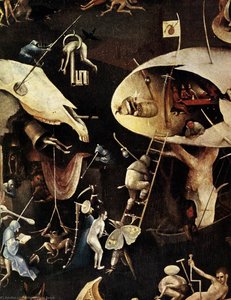
Christ Crowned with Thorns
 Oil On Panel
- Late Gothic
 Renaissance
 165.0 x 195.0 cm
 Monasterio de San Lorenzo
 Prikaži više
Ručno rađena uljana reprodukcija
Ručno oslikano uljanim bojama na platnu u dimenzijama i okviru po vašem izboru, izrađeno po narudžbi od strane naših umjetnika. ( Prebacite na printove Prebacite na digitalnu sliku)




P118B €10

P118H €10

P118W €10

P438Z €10

P508JH €12

P508YH €12

P805H €10

P805Z €10

P919BZ €10

P919G €10

P919XJ €10

P959ZH €10

P968JZ €12

W106C €8

W218G €10

W218JH €8

W218Y €10

W307PJ €10

W316G €10

W316PJ €8

W316Y €10

W398PJ €8

W4111J €10

W500HY €15

W500JH €15

W692G €12

W849H €8

W940BG €15

W953PJ €8




Odaberite jednu od naših unaprijed definiranih veličina koje odgovaraju izvornim proporcijama umjetničkog djela.

Unesite potrebnu širinu i visinu kako bi dimenzije odgovarale vašem okviru ili zidu. Budući da je riječ o ručno oslikanom djelu, umjetnik može malo proširiti rubove slike ili ih skratiti kako bi postigao drugačiji oblik — izbor je vaš. Prije početka slikanja poslat ćemo vam digitalni prikaz (mockup) radi potvrde. Slika prikazana na ovoj stranici ne predstavlja stvarni rezultat — samo digitalni prikaz to čini.
Nakon narudžbe, tim OriginalUniqueArt.com kontaktirat će klijenta putem e-pošte radi dobivanja uputa te dostaviti probni prikaz (mockup)
Isporuka širom svijeta () u roku od 3-4 tjedna umjesto standardnih 5 tjedana. (27 Listopad). Bez kompromisa u kvaliteti.

Besplatna ekspresna dostava širom svijeta

Visokokvalitetno laneno platno

Potpuno osiguranje dostave

Jamstvo povrata carine i uvoznih poreza

Jamstvo vjernosti boja

Politika povrata u roku od 100 dana (samo u slučaju nedostataka)

Jamstvo povrata 100% novca

Popust na više proizvoda
 Opcija stakla dostupna je samo za dimenzije manje od 110 cm

Christ Crowned with Thorns
Tehnika reprodukcije
Veličina reprodukcije
-


Ukupna cijena
€ 264
A Vision of Suffering and Divine Mockery: Exploring Hieronymus Bosch’s “Christ Crowned with Thorns”
The painting "Christ Crowned with Thorns," attributed to the enigmatic Netherlandish artist Hieronymus Bosch (1450-1516), stands as a haunting testament to late medieval anxieties and a profoundly unsettling exploration of faith, guilt, and human folly. More than just a depiction of biblical iconography—the crowning of Jesus by thorns—it’s a meticulously crafted visual narrative brimming with symbolism that continues to captivate scholars and inspire artists centuries later. Bosch's oeuvre is characterized by its bizarre landscapes populated by grotesque figures and unsettling juxtapositions, and “Christ Crowned with Thorns” exemplifies this distinctive artistic style perfectly.Style and Technique: A Masterclass in Detail
Bosch’s technique—primarily oil on panel—is remarkable for its astonishing level of detail. He employed a meticulous hatching and stippling method, layering thin glazes of pigment to achieve an unparalleled luminosity and textural richness. This painstaking process allowed him to render every crevice of the thorny crown, every furrowed brow of Jesus’s face, and even the subtle expressions on the faces of those surrounding him with breathtaking accuracy. The artist's mastery extends beyond mere realism; he deliberately distorted proportions and employed fantastical imagery—birds perched atop branches, grotesque animals—to heighten the emotional impact of the scene and convey a sense of otherworldly horror. This stylistic choice wasn’t simply decorative; it served to amplify the psychological drama unfolding before the viewer’s eyes.Historical Context: Fearful Visions of Judgment
Created sometime around 1500, “Christ Crowned with Thorns” emerged during a period marked by intense religious fervor and pervasive fear of divine judgment. The Hussite Wars raged across Bohemia, challenging papal authority and fueling anxieties about heresy and damnation. Bosch’s artistic vision reflects this turbulent climate, portraying Jesus as vulnerable and exposed to the scorn of humanity—a figure stripped bare not only physically but also spiritually. The painting speaks directly to the theological debates surrounding atonement and salvation, questioning whether earthly suffering truly merits divine compassion. Furthermore, it aligns with broader trends in Netherlandish art of the time, which often wrestled with themes of morality, sin, and the consequences of transgression.Symbolism: Layers of Meaning Beyond the Surface
The painting’s symbolism is extraordinarily complex and invites multiple interpretations. The thorny crown itself represents humiliation and suffering—a visual echo of Jesus's crucifixion—but Bosch elevates it to something far more profound. The birds circling above symbolize divine judgment, observing the scene with impassive indifference. Their presence underscores the futility of earthly endeavors in confronting God’s wrath. Similarly, the figures surrounding Christ are depicted as grotesque caricatures of human folly and pride, embodying various sins – avarice, cruelty, and deceit—that contribute to humanity's downfall. Bosch deliberately disrupts conventional religious iconography, transforming it into a disturbing commentary on human nature itself.Emotional Impact: A Confrontation with Darkness
“Christ Crowned with Thorns” is undeniably unsettling. Bosch doesn’t offer comfort or reassurance; instead, he confronts the viewer with an image of profound despair and moral corruption. The painting's muted palette—dominated by browns and ochres—further enhances its oppressive atmosphere. Yet, within this darkness lies a compelling beauty – a testament to Bosch’s unparalleled artistic skill and his ability to distill complex theological ideas into visceral visual experience. It compels contemplation on the nature of faith, guilt, and the inescapable reality of mortality, ensuring that “Christ Crowned with Thorns” remains a powerfully evocative masterpiece for generations to come.Pitanja i odgovori
Koje su dimenzije izvornog djela "Christ Crowned with Thorns" autora Jeroen Bosch?
"Christ Crowned with Thorns" u svom izvornom obliku ima dimenzije 165 x 195 cm. Izvorni su dimenzije korisna referenca pri odabiru veličine reprodukcije.
Gdje mogu vidjeti pregled za "Christ Crowned with Thorns"?
Stranica Pregled u prostoru za "Christ Crowned with Thorns" omogućuje vam pregled umjetničkog djela prije narudžbe.
Kako se medij i pokret prepliću u djelu "Christ Crowned with Thorns"?
U djelu "Christ Crowned with Thorns" tehnika Oil On Panel susreće pokret Late Gothic.
Biografija umjetnika
Hieronymus Bosch – Een Mysterieus Kunstenaar
Bosch werd geboren rond 1450 in ’s- Hertogenbosch, een bruisende stad aan het einde van het Laatste Koninkrijk Brabant—een regio die tegenwoordig deel uitmaakt van Nederland—waar hij zijn hele leven woonde en werkte. Zijn geboorteplaats zou uiteindelijk inspiratie bieden voor zijn kunstenaarsnaam “Bosch”, wat verwijst naar zijn plaatselijke naamgeving. Zijn familie had een lange traditie in schilderkunst; zowel zijn vader als zijn grootvader waren ook kunstenaars, waardoor hij waarschijnlijk zijn vroegste opleiding binnen het gezin kreeg en de technieken en conventies van Nederlandse schilderkunst assimileerde. Maar zelfs al begon hij nog maar jong op zijn eigen manier af te wijken van gevestigde normen—een teken van een uitzonderlijk fantasievermogen dat zijn carrière zou definiëren—zijn leven bleef een bron van mysterie voor historici. Zijn exacte geboortedatum is niet vastgesteld, gebaseerd op een zelfportret dat hij kort voor zijn dood maakte in 1516. Het portret toont de kunstenaar in zijn latere jaren, wat suggereert dat hij rond het midden van de eeuw geboren was.Een Familie Traditie en Een Nieuwe Visie
Bosch kwam uit een familie met een lange geschiedenis binnen de kunstwereld. Zijn vader, Anthonius van Aken, oefende als kunstadviseur uit voor het Broederhuis van Onze Lieve Vrouw uit en werkte hij samen met zijn grootvader Jan van Aken—een andere bekroonde schilder—waardoor hij waarschijnlijk zijn vroegste opleiding binnen het gezin kreeg en de technieken en conventies van Nederlandse schilderkunst assimileerde. Ondanks dat weinig bekend is over zijn persoonlijke leven, werden er enkele belangrijke historische gegevens gevonden die een beeld geven van zijn kunstenaarschap. Hij trouwde met Aleid Goyaerts van den Meerveen rond 1481, een vrouw die iets ouder was dan hijzelf en waarvan de familie haar grote financiële middelen bezat—een factor die bijdroeg aan zijn financiële stabiliteit, maar weinig meer over zijn persoonlijke leven werd bekendgemaakt. Zijn huwelijk betekende dat hij een gezin had en dat Aleid’s familie hem ondersteunde bij het financieel beheren van zijn activiteiten. Een belangrijke historische bron is de administratie van het Broederhuis waar hij lid werd in 1486/87, waarbij hij samen met meer dan 350 andere leden uit Nederland en Duitsland werd toegelaten dat jaar. Een uitzonderlijke gebeurtenis was dat hij een erkende lid werd kort daarna—een feit dat bevestigt dat hij rond het midden van de eeuw geboren was. Zijn naam, “Jeroen Bosch”, verschijnt in dezelfde stijl als een document waarin de penvoerder een lijst maakte van de negen leden die regelmatig deelnamen aan het Swan Banquet elk jaar rond Kerstmis—een gebeurtenis die werd gehouden door het Broederhuis en waar hij een belangrijke rol speelde. Een vermelding in de administratie van het Broederhuis uit 1516 bevestigde dat een requiemmissie voor “Jeroen Bosch, erkende broeder” werd gehouden op 9 augustus 1516 in de kerk van Sint Johannes—een gebeurtenis die werd geleid door dominee Willem Hamaker, ondersteund door een diaken en subdiaken, met muziek verzorgd door een orgelspeler en koor. Zijn grafplaats is nog steeds onbekend, maar het wordt algemeen aangenomen dat hij werd begraven in de kerk binnenplaats, rechtstreeks bereikbaar vanuit het noordelijke transept.Een Unieke Schilderstijl
Bosch ontwikkelde een stijl die hem onderscheidt van zijn tijdgenoten en die nog steeds vandaag de dag fascineert en bekritiseerd wordt door kunsthistorici. Hij werkte voornamelijk met olie op oude eikenpanelen, waarbij hij een meesterlijke beheersing demonstreerde van het medium—waardoor hij prachtige kleuren en complexe texturen bereikte. Zijn vroegere werken laten invloeden zien van traditionele Nederlandse schilderkunst, vooral in hun realisme en aandacht voor detail, maar hij ging snel verder dan eenvoudige imitatie, waarbij hij een diep originele visie ontwikkelde. Zijn schilderijen zijn niet alleen representaties van de echte wereld; ze zijn allegorische landschappen die worden bevolkt door bizarre wezens, hybride soorten en verontrustende scènes die lijken te komen uit dromen—of nachtmerries. Hij gebruikte een combinatie van prachtige kleuren en complexe texturen om een stijl te creëren die hem onderscheidt van zijn tijdgenoten en die nog steeds vandaag de dag fascineert en bekritiseerd wordt door kunsthistorici. Zijn vroegere werken laten invloeden zien van traditionele Nederlandse schilderkunst, vooral in hun realisme en aandacht voor detail, maar hij ging snel verder dan eenvoudige imitatie, waarbij hij een diep originele visie ontwikkelde. Zijn schilderijen zijn niet alleen representaties van de echte wereld; ze zijn allegorische landschappen die worden bevolkt door bizarre wezens, hybride soorten en verontrustende scènes die lijken te komen uit dromen—of nachtmerries. Hij gebruikte een combinatie van prachtige kleuren en complexe texturen om een stijl te creëren die hem onderscheidt van zijn tijdgenoten en die nog steeds vandaag de dag fascineert en bekritiseerd wordt door kunsthistorici. Zijn vroegere werken laten invloeden zien van traditionele Nederlandse schilderkunst, vooral in hun realisme en aandacht voor detail, maar hij ging snel verder dan eenvoudige imitatie, waarbij hij een diep originele visie ontwikkelde. Zijn schilderijen zijn niet alleen representaties van de echte wereld; ze zijn allegorische landschappen die worden bevolkt door bizarre wezens, hybride soorten en verontrustende scènes die lijken te komen uit dromen—of nachtmerries. Hij gebruikte een combinatie van prachtige kleuren en complexe texturen om een stijl te creëren die hem onderscheidt van zijn tijdgenoten en die nog steeds vandaag de dag fascineert en bekritiseerd wordt door kunsthistorici. Zijn vroegere werken laten invloeden zien van traditionele Nederlandse schilderkunst, vooral in hun realisme en aandacht voor detail, maar hij ging snel verder dan eenvoudige imitatie, waarbij hij een diep originele visie ontwikkelde. Zijn schilderijen zijn niet alleen representaties van de echte wereld; ze zijn allegorische landschappen die worden bevolkt door bizarre wezens, hybride soorten en verontrustende scènes die lijken te komen uit dromen—of nachtmerries. Hij gebruikte een combinatie van prachtige kleuren en complexe texturen om een stijl te creëren die hem onderscheidt van zijn tijdgenoten en die nog steeds vandaag de dag fascineert en bekritiseerd wordt door kunsthistorici. Zijn vroegere werken laten invloeden zien van traditionele Nederlandse schilderkunst, vooral in hun realisme en aandacht voor detail, maar hij ging snel verder dan eenvoudige imitatie, waarbij hij een diep originele visie ontwikkelde. Zijn schilderijen zijn niet alleen representaties van de echte wereld; ze zijn allegorische landschappen die worden bevolkt door bizarre wezens, hybride soorten en verontrustende scènes die lijken te komen uit dromen—of nachtmerries. Hij gebruikte een combinatie van prachtige kleuren en complexe texturen om een stijl te creëren die hem onderscheidt van zijn tijdgenoten en die nog steeds vandaag de dag fascineert en bekritiseerd wordt door kunsthistorici. Zijn vroegere werken laten invloeden zien van traditionele Nederlandse schilderkunst, vooral in hun realisme en aandacht voor detail, maar hij ging snel verder dan eenvoudige imitatie, waarbij hij een diep originele visie ontwikkelde. Zijn schilderijen zijn niet alleen representaties van de echte wereld; ze zijn allegorische landschappen die worden bevolkt door bizarre wezens, hybride soorten en verontrustende scènes die lijken te komen uit dromen—of nachtmerries. Hij gebruikte een combinatie van prachtige kleuren en complexe texturen om een stijl te creëren die hem onderscheidt van zijn tijdgenoten en die nog steeds vandaag de dag fascineert en bekritiseerd wordt door kunsthistorici. Zijn vroegere werken laten invloeden zien van traditionele Nederlandse schilderkunst, vooral in hun realisme en aandacht voor detail, maar hij ging snel verder dan eenvoudige imitatie, waarbij hij een diep originele visie ontwikkelde. Zijn schilderijen zijn niet alleen representaties van de echte wereld; ze zijn allegorische landschappen die worden bevolkt door bizarre wezens, hybride soorten en verontrustende scènes die lijken te komen uit dromen—of nachtmerries. Hij gebruikte een combinatie van prachtige kleuren en complexe texturen om een stijl te creëren die hem onderscheidt van zijn tijdgenoten en die nog steeds vandaag de dag fascineert en bekritiseerd wordt door kunsthistorici. Zijn
Jeroen Bosch
1450 - 1516 , Nizozemska
Osnovne informacije
- Artistic Movement Or Style: Surrealizam i simbolizam
- Artists Or Movements Influenced By This Artist: ['Pieter Bruegel']
- Date Of Birth: c. 1450
- Date Of Death: 1516
- Full Name: Hieronymus Bosch
- Nationality: Nizozemski
- Notable Artworks:
- Tuin der Lusten
- Het Laatste Oordeel
- Ascent of the Blessed
- Place Of Birth: Den Bosch, Nizozemska
Srodni članci

The Northern Renaissance: A Flourishing of Realism, Religious Reform & Artistic Innovation
Explore the Northern Renaissance! Discover Jan van Eyck's innovations, religious shifts, & key artists of this influential period. Expert analysis and insights into Early Netherlandish painting at OriginalUniqueArt.
25 Remek-djela Alte Pinakotek: Umjetnost Renesanse i Baroka za vaš dom | OriginalUniqueArt
Uronite u svijet renesansne i barokne umjetnosti s 25 remek-djela Alte Pinakotek! Otkrijte priče Leonarda, Rafaela, Rembrandta i drugih majstora. Pronađite inspiraciju za interijer & kupite reprodukcije slika vrhunske kvalitete na OriginalUniqueArt.com.
Northern Mannerism: The Dramatic Evolution of Renaissance Art and the Mastery of Elegant Distortion
Explore the dramatic evolution of Northern Mannerism. Discover how masters like Bosch and Grünewald transitioned from Renaissance harmony to profound, elegant distortion through an expert analysis of symbolism, emotional intensity, and artistic innovation.
Deset Remek-djela Sjeverne Renesanse: Umetnička Baština Za Vaš Dom
Otkrijte 10 remek-djela sjeverne renesanse! Jan van Eyck, Dürer i drugi majstori – istražite priče iza ovih ikoničnih djela. Inspirirajte se za svoj dom s reprodukcijama vrhunske kvalitete na OriginalUniqueArt.com!
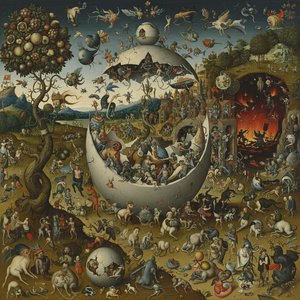
Hieronymus Bosch: 25 Remek-djela Nizozemskog Majstora za Uljepšavanje Vašeg Doma
Uronite u svijet Hieronymusa Boscha! Otkrijte 25 remek-djela nizozemskog renesansnog umjetnika, bogatih simbolizmom i fantastičnim vizijama. Kupite vrhunske reprodukcije slika na OriginalUniqueArt.com i unesite umjetnost u svoj dom.