

 Pregledaj u stvarnoj veličini
 Podijeli
 Podijeli
 Detalji
 Vodič
Vodič

 Preuzmi datoteku
 Slični predmeti
 Rentgenska snimka
 Slide show
 Statistika
Girl at a Table


 Pročitajte više
Ručno rađena uljana reprodukcija
Ručno oslikano uljanim bojama na platnu u dimenzijama i okviru po vašem izboru, izrađeno po narudžbi od strane naših umjetnika. ( Prebacite na prodaju printova Prebacite na digitalnu prodaju slika)




P118B €10

P118H €10

P118W €10

P438Z €10

P508JH €12

P508YH €12

P805H €10

P805Z €10

P919BZ €10

P919G €10

P919XJ €10

P959ZH €10

P968JZ €12

W106C €8

W218G €10

W218JH €8

W218Y €10

W307PJ €10

W316G €10

W316PJ €8

W316Y €10

W398PJ €8

W4111J €10

W500HY €15

W500JH €15

W692G €12

W849H €8

W940BG €15

W953PJ €8




Odaberite jednu od naših unaprijed definiranih veličina koje odgovaraju izvornim proporcijama umjetničkog djela.

Unesite širinu i visinu koja vam je potrebna, kako bi odgovarali vašem okviru ili zidu. Budući da je ovo ručno oslikano djelo, umjetnik može malo proširiti rubove slike ili ih skratiti kako bi postigao željeni oblik — izbor je vaš. Prije početka slikanja poslat ćemo vam digitalni prikaz (mockup) radi potvrde. Slika prikazana na ovoj stranici ne predstavlja stvarni rezultat — samo digitalni prikaz to čini.
Nakon narudžbe, tim OriginalUniqueArt.com kontaktirat će klijenta putem e-pošte radi dobivanja uputa te dostaviti probni prikaz (mockup)
Isporuka širom svijeta () u roku od 3-4 tjedna umjesto standardnih 5 tjedana. (24 Listopad). Bez kompromisa u kvaliteti.

Besplatna ekspresna dostava širom svijeta

Visokokvalitetno laneno platno

Potpuno osiguranje transporta

Jamstvo povrata carine i uvoznih poreza

Jamstvo vjernosti boja

Politika povrata u roku od 100 dana (samo u slučaju nedostataka)

Jamstvo povrata 100% novca

Popust na više proizvoda
 Opcija stakla dostupna je samo za dimenzije manje od 110 cm

Girl at a Table
Tehnika izrade
Veličina reprodukcije
-


Ukupna cijena
€ 263
A Portrait of Confidence: Exploring Hermann Max Pechstein’s ‘Girl at a Table’
Hermann Max Pechstein (1881–1955), a pivotal figure in German Expressionism, produced countless canvases that grapple with themes of modernity and psychological depth. Among his most celebrated works is “Girl at a Table,” painted in 1910 – a piece that transcends mere representation to embody the spirit of its time and Pechstein’s distinctive artistic vision. This essay delves into the intricacies of this painting, examining its stylistic elements, technical innovations, historical significance, and enduring emotional resonance.- Style & Context: “Girl at a Table” firmly establishes itself within the Expressionist movement, rejecting Impressionistic ideals for a bold embrace of emotion and distortion. Born in Zwickau, Pechstein’s formative years were marked by poverty and hardship – experiences that profoundly influenced his artistic sensibilities. The painting emerged during a period of intense social upheaval following World War I, mirroring anxieties about societal change and the fragility of human existence. It reflects the broader Expressionist preoccupation with portraying inner turmoil alongside external realities.
- Composition & Technique: Pechstein’s masterful use of color is immediately striking. He employs vibrant hues—primarily reds and yellows—to imbue the scene with an energetic dynamism that contrasts sharply with the muted tones characteristic of earlier artistic traditions. The painting utilizes thick impasto, applying paint directly onto the canvas in textured layers, creating a palpable physicality that conveys both visual richness and emotional intensity. This technique is particularly evident in the depiction of the table cloth and highlights Pechstein’s commitment to conveying tactile sensations.
- Subject Matter & Symbolism: The central figure—a young woman seated at a table—commands immediate attention. Her gaze directs outwards, suggesting contemplation and perhaps even defiance. The inclusion of two bowls on the table adds subtle symbolic layers, hinting at nourishment and reflection – concepts crucial to understanding Pechstein’s artistic concerns. Furthermore, the woman's posture exudes confidence and composure, mirroring the broader Expressionist desire to portray individuals confronting existential dilemmas with courage and conviction.
- Historical Significance: “Girl at a Table” stands as a testament to Pechstein’s engagement with contemporary social issues. It captures the anxieties of a generation grappling with disillusionment after the horrors of war, yet simultaneously celebrates beauty and vitality. The painting's stylistic innovations—particularly its bold color palette and expressive brushwork—challenged prevailing artistic conventions and paved the way for subsequent developments in Expressionist art.
- Emotional Impact: Ultimately, “Girl at a Table” succeeds in conveying a profound sense of psychological complexity. Pechstein’s ability to capture subtle nuances of emotion – trust, contemplation, and perhaps even vulnerability—elevates the painting beyond mere visual spectacle. It invites viewers to contemplate themes of identity, resilience, and the human condition, ensuring its enduring relevance as an artwork that speaks to our deepest sensibilities.
The Folkwang Museum’s acquisition of this masterpiece underscores its importance within German art history.
Pitanja i odgovori
Koje raspoloženje izražava "Girl at a Table" autora Hermann Max Pechstein unutar pokreta Expressionist?
Reflective emocija djela "Girl at a Table" prati njegov Expressionist stil.
Koji umjetnik se pripisuje djelu "Girl at a Table"?
"Girl at a Table" je djelo koje je stvorio/la Hermann Max Pechstein. Informacije na ovoj stranici opisuju izvornu umjetničku temu autora/ice Hermann Max Pechstein.
Koja je postava prikladna za format djela "Girl at a Table" autora Hermann Max Pechstein?
Svojim Square oblikom, reprodukcija djela "Girl at a Table" preporučuje se za Living Room.
Povezani članci

German Expressionism's 10 Defining Masterpieces | Art for Your Home
Explore 10 defining German Expressionism masterpieces – from Munch's 'The Scream' to Kandinsky’s abstracts. Discover the artists, stories & bold colors behind this powerful art movement. Find museum-quality reproductions at OriginalUniqueArt.com.
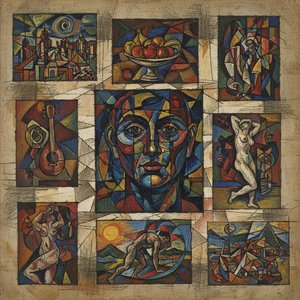
Cubist Expressionism's 10 Defining Masterpieces | Art for Your Home
Explore 10 defining Cubist Expressionism masterpieces by Picasso, Braque & more. Discover the stories behind these bold, geometric paintings and bring museum-quality art to your home with OriginalUniqueArt.com. Explore the full collection online.
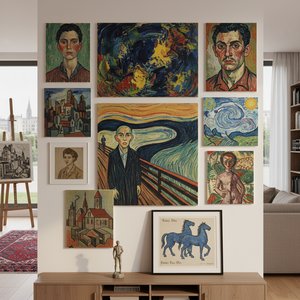
Glavnih 10 Ekspresionista: Remek-djela koja su definirala umjetnički pokret
Otkrijte 10 remek-djela ekspresionizma koja su obilježila umjetnički svijet! Uronite u priče Muncha, Kirchnera i drugih majstora. Inspirirajte se bojama i emocijama – pronađite savršenu reprodukciju za svoj dom na OriginalUniqueArt.com!

Bold Strokes & Powerful Visions: 10 Artworks That Command Attention | OriginalUniqueArt
Experience art's raw power! Explore 10 iconic paintings – Van Gogh, Kahlo & more – that define 'bold'. Discover the stories behind these expressive masterpieces and find museum-quality reproductions for your home at OriginalUniqueArt.com.
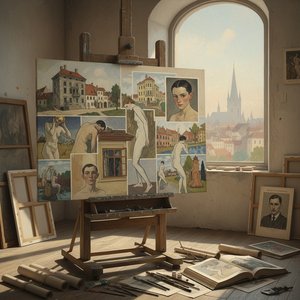
Egon Schiele: 25 Remek-djela Ekspresionizma za Vaš Dom | OriginalUniqueArt
Istražite 25 najpoznatijih djela Egona Schielea! Otkrijte ekspresionističke portrete, autoportrete i simbolizam u austrijskoj umjetnosti. Kvalitetne reprodukcije slika za vaš dom na OriginalUniqueArt.com.
