- Početna stranica

- Reprodukcija uljane slike
- heri dono
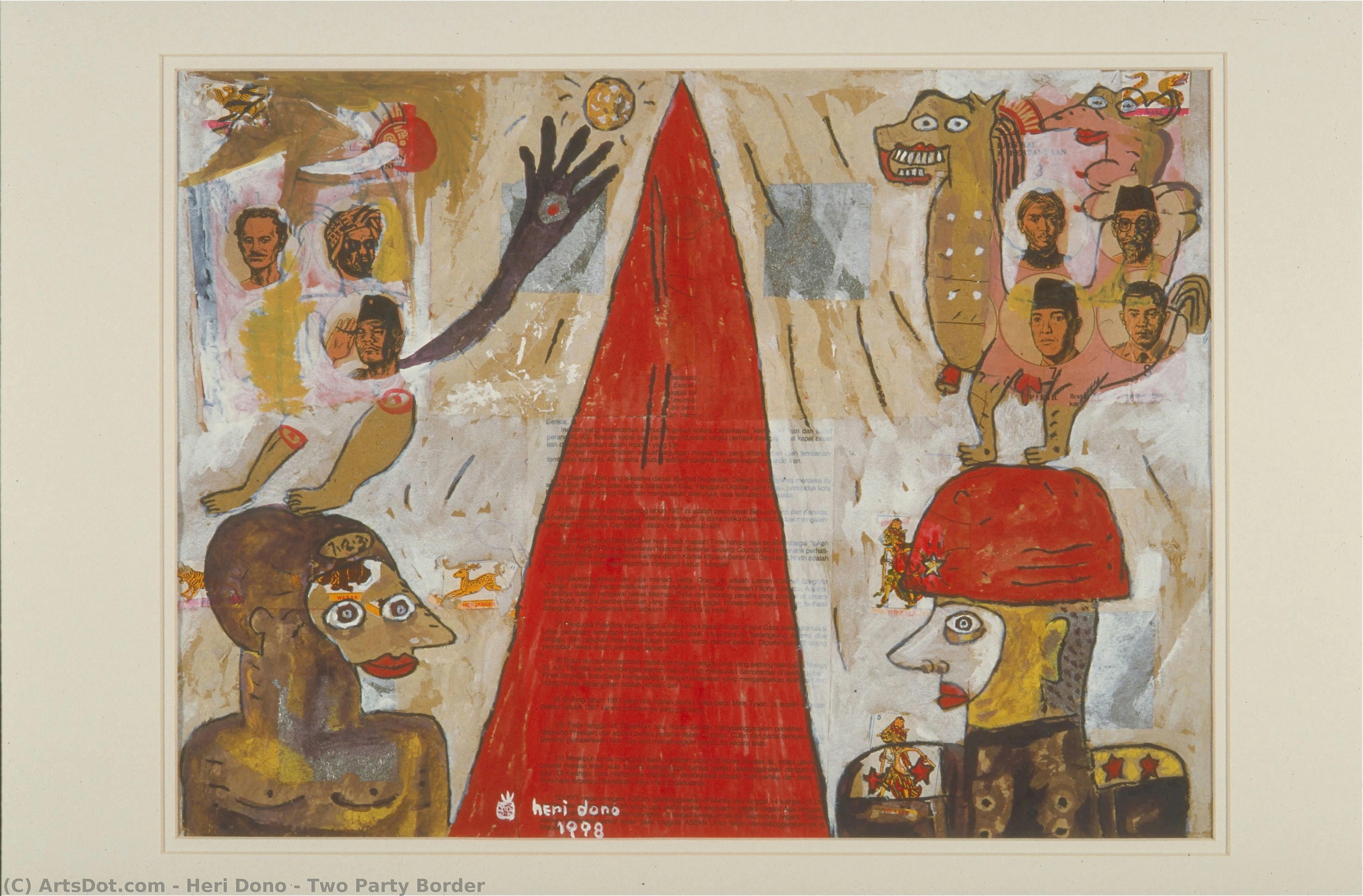
- Two Party Border
 Preview
 Kupi otisak Kupi digitalnu sliku
 Pošalji
 Podijeli
 Detalji o umjetničkom djelu
 Dodaj u omiljene

 Preuzmi
 Slični predmeti
 Rentgenska snimka
 Automatska prezentacija
Two Party Border
 1998
1998 788.0 x 665.0 cm
 National Museum of Singapore
 Prikaži više
Ručno rađena uljana reprodukcija
Ručno oslikano uljanim bojama na platnu u dimenzijama i okviru po vašem izboru, izrađeno po narudžbi od strane naših umjetnika.




































Odaberite jednu od naših unaprijed definiranih veličina koje odgovaraju izvornim proporcijama umjetničkog djela.

Možete unijeti vlastite dimenzije kako bi odgovarale određenom okviru ili prostoru. Ako odabrana veličina ne odgovara proporcijama izvorne slike, izrezat ćemo umjetničko djelo ili proširiti sliku dodatnim ručno oslikanim elementima. Digitalni nacrt bit će vam poslan na odobrenje prije početka proizvodnje.
Imajte na umu da pregled na ekranu ne prikazuje stvarno izrezivanje ili proširivanje. Samo će nacrt točno prikazati konačni sastav.
Iako su dostupne prilagođene veličine, preporučujemo odabir dimenzije s preddefiniranog popisa kako bismo očuvali izvorne proporcije.
Nakon narudžbe, tim OriginalUniqueArt.com kontaktirat će klijenta putem e-pošte radi dobivanja uputa te dostaviti probni prikaz (mockup).
Isporuka širom svijeta () u roku od 3-4 tjedna umjesto standardnih 5 tjedana. (26 Srpanj). Bez kompromisa u kvaliteti.

Besplatna ekspresna dostava širom svijeta

Visokokvalitetno laneno platno

Potpuno osiguranje dostave

Jamstvo povrata carine i uvoznih poreza

Garancija vjernog podudaranja boja

Politika povrata u roku od 60 dana (samo u slučaju nedostataka)

Jamstvo povrata 100% novca

Popust na više proizvoda
 Opcija stakla dostupna je samo za dimenzije manje od 110 cm

Two Party Border
Tehnika reprodukcije
Veličina reprodukcije
-


Ukupna cijena
-
Opis umjetničkog djela
Biografija umjetnika
Heri Dono: Bridging Tradition and Innovation in Indonesian Art
Heri Dono (born June 12, 1960) stands as a pivotal figure in contemporary Indonesian art, recognized for his distinctive approach that seamlessly blends the rich heritage of Javanese folklore—particularly wayang kulit shadow puppetry—with influences from Western artistic movements and global cultural dialogues. His journey began amidst the vibrant intellectual landscape of Yogyakarta’s Indonesian Art Institute (ISI), where he honed his skills and established a foundational understanding of both traditional aesthetics and experimental techniques.
- Early Influences: Dono's formative years were marked by exposure to the artistic legacy of Indonesia’s masters, notably Sukarno’s collection at the Presidential Palace in Bogor. This early encounter instilled within him a profound appreciation for visual art and fueled his ambition to emulate the celebrated painters whose canvases adorned the palace walls.
- Formal Education: He pursued undergraduate studies in Painting at ISI Yogyakarta from 1980 to 1987, immersing himself in rigorous artistic training and developing a mastery of painting techniques that would underpin his subsequent creative endeavors.
- Exploration Beyond Painting: Recognizing the limitations of solely focusing on painting, Dono ventured into sculpture and installation art, experimenting with diverse materials—from reclaimed wood to found objects—to convey complex narratives and engage audiences in immersive experiences.
His artistic vision is characterized by a deliberate juxtaposition of seemingly disparate elements: traditional Indonesian motifs like wayang kulit figures and tau tau sculptures alongside references to Western pop culture, animation, and comics. This fusion reflects Dono’s belief that art should transcend cultural boundaries and challenge conventional perspectives on artistic expression.
- Wayang Kulit Inspiration: The profound influence of wayang kulit performances—characterized by storytelling, music, visual spectacle, and symbolic representation—is evident throughout his oeuvre. He seeks to capture the essence of these traditions while simultaneously incorporating multimedia elements to amplify their impact on viewers.
- Social Commentary: Dono’s artworks frequently grapple with pressing social issues, addressing themes of identity, displacement, and cultural preservation. His artistic practice serves as a conduit for critical reflection and encourages dialogue about societal concerns.
Throughout his prolific career spanning decades, Dono has garnered international acclaim, participating in numerous exhibitions and biennales across continents—from Asia Pacific Triennial to Venice Biennale—and securing prestigious awards recognizing his contributions to the art world. Notably, he was awarded the Dutch Prince Claus Award for Culture and Development in 1998, acknowledging his commitment to fostering intercultural understanding and promoting artistic innovation.
- Notable Exhibitions: Dono’s work has graced venues worldwide including Asia Pacific Triennial (1993 & 2000), Gwangju Biennale (1995 & 2006), Sydney Biennale (1996), Shanghai Biennale (2000), Venice Biennale (2003 & 2015), Sharjah Biennial (2005 & 2023), Guangzhou Triennale (2011), Kochi-Muziris Biennale (2018), Bangkok Art Biennale (2018), and Gangwon Kids Triennale (2020).
- Awards Recognition: He received UNESCO Prize in 2000, Indonesian Art Award by the Government of Republic of Indonesia (2014)
Heri Dono’s enduring legacy resides not only in his artistic output but also in his role as a champion of intercultural dialogue and a visionary artist who dared to reimagine art's capacity for social transformation. His distinctive style—characterized by bold colors, dynamic compositions, and evocative imagery—continues to inspire artists globally and solidify his position as one of Indonesia’s most influential contemporary voices.

heri dono
1960 - , Indonesia
Osnovne informacije
- Artistic Movement Or Style: Contemporary Installation Art
- Artists Or Movements Influenced By This Artist: ['Animism']
- Artists Who Influenced This Artist:
- Walt Disney
- Hanna-Barbera
- Date Of Birth: June 12, 1960
- Full Name: Heri Dono
- Nationality: Indonesian
- Notable Artworks:
- In the Fridge and Fire (Di dalam Kulkas dan..., 2009)
- A Small Dog With His Guardian (Seekor Anjing , 2015)
- Place Of Birth: Jakarta, Indonesia

