
() ·
Slika izrađena ručno, baš za vas
Ručno rađena uljana reprodukcija
Ručno oslikano uljanim bojama na platnu u dimenzijama i okviru po vašem izboru, izrađeno po narudžbi od strane naših umjetnika. ( Prebacite na printove Prebacite na digitalnu sliku)
Biografija umjetnika
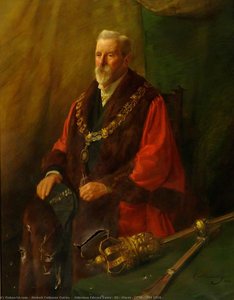
Herbert Colborne Oakley (1869-1944) was a British artist known for his portraits & genre scenes, often depicting Victorian figures & social subjects. Explore his work!
 Prikaži više
od ·
Poglavlje 1
Koje bi dimenzije trebalo imati?
Povucite kako biste promijenili dimenziju; slika s lijeve strane prikazuje okvir u njegovoj stvarnoj širini. Zadržane su proporcije originala.
Odaberite jednu od naših unaprijed definiranih veličina koje odgovaraju izvornim proporcijama umjetničkog djela.

Unesite potrebnu širinu i visinu kako bi dimenzije odgovarale vašem okviru ili zidu. Budući da je riječ o ručno oslikanom djelu, umjetnik može malo proširiti rubove slike ili ih skratiti kako bi postigao drugačiji oblik — izbor je vaš. Prije početka slikanja poslat ćemo vam digitalni prikaz (mockup) radi potvrde. Slika prikazana na ovoj stranici ne predstavlja stvarni rezultat — samo digitalni prikaz to čini.
Poglavlje 2
U kakvom bi stanju trebalo stići?
Odaberite rubove platna
Odaberite svoj okvir

Bijela rubna traka €1

Zamućeni rubovi €1

Prošireno €1

P118B €10

P118H €10

P118W €10

P438Z €10

P508JH €12

P508YH €12

P805H €10

P805Z €10

P919BZ €10

P919G €10

P919XJ €10

P959ZH €10

P968JZ €12

W106C €8

W218G €10

W218JH €8

W218Y €10

W307PJ €10

W316G €10

W316PJ €8

W316Y €10

W398PJ €8

W4111J €10

W500HY €15

W500JH €15

W692G €12

W849H €8

W940BG €15

W953PJ €8

H24-GOLD €30

H24-SILVER €30

H36-GOLD €45

H36-SILVER €45
Uokvireno
Profil: . Ukupna veličina s okvirom: .
Poglavlje 3
Tko to slika i treba li išta promijeniti?
Nakon narudžbe, tim OriginalUniqueArt.com kontaktirat će klijenta putem e-pošte radi uputa te dostaviti pregledni prikaz (mockup)
Isporuka širom svijeta () u roku od 3-4 tjedna umjesto standardnih 5 tjedana. (14 Studeni). Bez kompromisa u kvaliteti.
Poglavlje 4
Završni dodir
Pločica s natpisom, kao u muzeju?
Detalji gravirane brončane pločice
This elegant plaque features the artist's name and the title of the artwork, finely engraved for a timeless presentation.
It is made from bronze with a refined, elegant finish. The text is precisely laser-engraved for a sharp and permanent result. Measuring 9x2 cm, the plaque is compact yet easy to read. It's built to be durable and scratch-resistant, offering a professional, museum-quality look. Mounting is simple thanks to the included adhesive backing.
Detalji prozirne akrilne pločice
The plaque includes essential engraved details such as the artist's name, the title of the artwork, the date it was created, the type of media used-like oil on canvas or watercolor-a brief description of the piece, and a QR code that links to the complete artwork information.
It is crafted from clear acrylic, offering a sleek, modern appearance. The text is UV-engraved in black to ensure strong visual contrast. With a size of 10x15 cm, it ensures optimal readability. It comes equipped with two metal hooks for secure wall mounting. The plaque is designed to be weather-resistant, making it suitable for various environments, and it includes interactive features that work seamlessly with smartphone scanning.
Detalji crne akrilne pločice
This elegant plaque includes engraved information such as the artist's name, the title of the artwork, the date it was created, the type of media used (like oil on canvas or watercolor), a short description of the artwork, and a QR code for quick access to more information.
The plaque itself is made from refined black acrylic with a premium finish. The text is laser-engraved in white for high contrast and readability. Its size is 10x15 cm, designed to be easy to read. It comes with two metal hooks for professional mounting. The design is sleek and fits any interior style. It is also weather-resistant and durable, with built-in digital integration for mobile compatibility.
Zaštitni lak?
Kada vam je potrebno?
Poglavlje 5
Vaša slika, prema vašoj narudžbi

John
Tehnika reprodukcije
Veličina reprodukcije
-

Odabrani vrhunski umjetnik
Više detalja, profinjenosti i dodatnog vremena za izradu
-

Okvir za reprodukciju
-
-
Za umjetnička djela ili reprodukcije veće od 105 cm (približno 41 inč) na bilo kojoj strani, okvir će biti isporučen u obliku rastavljenog seta za montažu. Ovaj način osigurava sigurnu dostavu i sprječava oštećenja tijekom transporta.
Potrebna je profesionalna montaža – ovo nije proizvod za samostalnu izradu.
Set mora sastaviti i platno zategnuti iskusni profesionalni uokvirivač, koristeći drvno ljepilo (nije uključeno u set), kljeste za zatezanje platna i stege kako bi se održao pravilan kut letvica dok se ljepilo suši. Nepravilna montaža ili neravnomjerno zategnuto platno mogu trajno oštetiti umjetničko djelo, a takva oštećenja nisu pokrivena našim jamstvom.
 Za umjetnička djela ili reprodukcije veće od 105 cm (približno 41 inč) na bilo kojoj strani, okvir će biti isporučen u obliku rastavljenog seta za montažu. Ovaj način osigurava sigurnu dostavu i sprječava oštećenja tijekom transporta.
Sve letvice od punog drveta su uključene, precizno izrezane po mjeri.
Montira se pomoću priloženih vijaka, uz dodatak ljepila za drvo za spojeve u kutovima, koje nije uključeno u set i koje vaš okviraš mora vlastito nabaviti.
Potrebni su profesionalni alati koji nisu uključeni: škripc za zatezanje platna (zatezač) i stezaljke za održavanje pravokonačnosti letvica tijekom sušenja ljepila.
Važno:
Za spojeve u kutovima potrebno je ljepilo za drvo, letvice se moraju pričvrstiti stezgama dok se ljepilo potpuno ne osuši, a za zatezanje platna na sastavljenom okviru potreban je alat za zatezanje platna. Nijedan od ovih alata nije uključen u set. Molimo vas da prije narudžbe ove veličine osigurate uslugu iskusnog profesionalnog uokvirivača.

Natpisna pločica
-
-

Zaštitni lak
Sjajni lak (pojačava intenzitet boja, štiti od svjetlosti i vlage)
-

Prilagodite svoje umjetničko djelo
Primjeri mogućnosti prilagodbe: Zamijenite lice fotografijom kupca; Dodajte ljubimca (npr. zamijenite mačku psom); Uključite skrivenu poruku u pozadinu; Promijenite pejzaž ili elemente pozadine.
-

Hitna dostava
Globalna dostava () u roku od 3-4 tjedna umjesto standardnih 5 tjedana. (14 Studeni). Bez kompromisa u kvaliteti.
-
Brza dostava
Dostava širom svijeta () u roku od 5 tjedana. (21 Studeni).
Uključeno u cijenu
Ukupna cijena
€ 267
Opcija stakla dostupna je samo za dimenzije manje od 110 cm
Uključeno uz svaku narudžbu
- Besplatna ekspresna dostava širom svijeta
- Visokokvalitetno laneno platno
- Potpuno osiguranje dostave
- Jamstvo povrata carine i uvoznih poreza
- Jamstvo vjernosti boja
- Politika povrata u roku od 100 dana (samo u slučaju nedostataka)
- Jamstvo povrata 100% novca
- Popust na više proizvoda


 Pregledaj u realnoj veličini
 Pošalji
 Podijeli
 Detalji o umjetničkom djelu
 Vodič
Vodič

 Preuzmi umjetničko djelo
 Slični predmeti
 Rentgenska snimka
 Slide show
 Pitanja i odgovori
 Statistika
U brojkama
- 1928godina nastanka
- 29okviri koji možete odabrati
- standardne dimenzije, u vlastitim proporcijama
- 5tjedana za slikanje i dostavu
O izvornom djelu

- 59.0 x 49.0 cm

Herbert Colborne Oakley
1869 - 1944
Brzi pregled o Herbert Colborne Oakley
- Artistic Movement Or Style: Victorian Portraiture
- Artists Or Movements Influenced By This Artist: ['Pre-Raphaelites']
- Artists Who Influenced This Artist: ['William Holman Hunt']
- Date Of Birth: 1869
- Date Of Death: 1944
- Full Name: Herbert Colborne Oakley
- Nationality: British
- Notable Artworks:
- Bathers
- Alderman Edward Bance
- Place Of Birth: Coventry, England
Biografija umjetnika
The Soul in the Surface: The Life and Legacy of Herbert Colborne Oakley
In the golden, twilight era of the Victorian age, few artists possessed the quiet ability to freeze a moment of human dignity as effectively as Herbert Colborne Oakley. Born in 1869 in the industrious heart of Coventry, Warwickshire, Oakley emerged not merely as a painter of faces, but as a chronicler of character. His journey from the Midlands to the heights of British portraiture was paved with a profound reverence for classical tradition and an almost spiritual commitment to the nuances of the human psyche. To look upon an Oakley canvas is to encounter a world where elegance meets an enduring moral seriousness, a realm where every brushstroke serves to illuminate the inner stillness of his subjects.
The foundation of Oakley’s mastery was laid within the hallowed halls of the Birmingham School of Art. It was here that he encountered the monumental influence of George Frederic Watts, a mentor whose philosophy would become the heartbeat of Oakley’s own practice. From Watts, Oakley inherited more than just technical prowess; he absorbed a belief in the power of idealized beauty and the necessity of conveying psychological depth through visual representation. This lineage is palpable in Oakley's work, where figures are often rendered with a serene, almost meditative grace, inviting the viewer into a state of spiritual contemplation that transcends the mere physical likeness.
A Mastery of Light and Layering
As his career flourished, Oakley’s technical repertoire became increasingly sophisticated, marked by a meticulousness that defined the pinnacle of Victorian painting. He was a master of the glazing technique, a laborious process involving the application of multiple translucent layers of pigment to achieve a luminous, breathing surface. This method allowed him to capture the subtle interplay of light upon skin and fabric, creating an atmospheric depth that felt both tangible and ethereal. His ability to manipulate light was not merely a display of skill, but a tool used to sculpt emotion, lending his portraits a timeless quality that seems to defy the passing of decades.
His body of work, which exceeds three hundred paintings, reveals a remarkable versatility in subject matter. While he is most celebrated for his formal portraits of the Birmingham elite and prominent social figures, he also ventured into the evocative realm of genre painting. In these scenes, Oakley captured the rhythms of everyday life with an acute sensitivity to social context. Whether depicting the quiet dignity of a gentleman or the spirited innocence found in works like Welsh Gamin, his brush remained ever-focused on the human element, finding extraordinary stories within ordinary moments.
The Enduring Echo of a Victorian Vision
The historical significance of Herbert Colborne Oakley lies in his role as a bridge between the rigid formalisms of the mid-Victorian period and the more psychologically complex portraiture of the early twentieth century. He did not seek to disrupt the traditions of his predecessors but rather to refine and deepen them, ensuring that the values of grace, restraint, and dignity remained central to the British artistic identity. His portraits of notable figures—ranging from academic luminaries like Herbert Lionel Drake to local leaders—serve as vital historical documents, preserving the likenesses and the perceived essences of a vanishing era.
Though the world moved toward the fragmented abstractions of Modernism, Oakley’s dedication to the classical ideal remained unshakable. His legacy is found in the quiet power of his compositions and the enduring emotional resonance of his subjects. To study his work today is to rediscover a lost language of serenity and substance, reminding us that true portraiture is not simply about capturing how a person looks, but about revealing who they are beneath the surface.
Srodni članci

25 Masterpieces by William H. Johnson: The Soul of the Harlem Renaissance
Immerse yourself in the vibrant soul of the Harlem Renaissance. Explore 25 iconic masterpieces by William H. Johnson, from bold expressionism to soulful folk art. Find inspiration and museum-quality reproductions for your collection. Discover all masterpieces on OriginalUniqueArt.com.

Mastering the English Landscape: The Top 25 Artworks by John Constable
Immerse yourself in the soul of the English countryside with our curated guide to John Constable's top 25 masterpieces. Explore the emotive landscapes and Romanticism techniques that define his legacy. Find museum-quality art reproductions at OriginalUniqueArt.com. Discover all masterpieces online.