

 Pregledaj u stvarnoj veličini
 Pošalji
 Podijeli
 Detalji o umjetničkom djelu

 Preuzmi
 Slični predmeti
 Rentgenska snimka
 Automatska prezentacija
Sir John Ligonier

 Prikaži više
Giclée / Umjetnički otisak
Giclée tisak muzejske kvalitete ili otisak na platnu uz brzu proizvodnju i fleksibilne opcije završne obrade. ( Kupi ručno naslikanu sliku Kupi digitalnu sliku)




































Odaberite jednu od naših unaprijed definiranih veličina koje odgovaraju izvornim proporcijama umjetničkog djela.

Možete unijeti vlastite dimenzije kako biste umjetničko djelo prilagodili specifičnom okviru ili prostoru. Ako odabrana veličina ne odgovara proporcijama izvornog rada, izrezat ćemo dio slike ili je proširiti pomoću ogledalnog efekta ili jednobojne rubne površine. Digitalni prikaz (mockup) bit će vam poslan na odobrenje prije početka proizvodnje.
Imajte na umu da pregled na zaslonu ne odražava stvarno izrezivanje ili proširivanje. Samo će mockup točno prikazati konačnu kompoziciju.
Iako su dostupne prilagođene veličine, preporučujemo odabir dimenzije iz unaprijed definirane liste kako biste očuvali izvorne proporcije.
Dostava širom svijeta () u roku od 2 tjedna umjesto standardnih 4/5 tjedana. (27 Kolovoz)

Besplatna ekspresna dostava širom svijeta

Visokokvalitetno laneno platno

Potpuno osiguranje dostave

Jamstvo povrata carine i uvoznih poreza

Garancija vjernog podudaranja boja

Politika povrata u roku od 60 dana (samo u slučaju nedostataka)

Jamstvo povrata 100% novca

Popust na više proizvoda
 Opcija stakla dostupna je samo za dimenzije manje od 110 cm

Sir John Ligonier
Giclée / Umjetnički otisak
Veličina reprodukcije
-


Ukupna cijena
$ 80
Biografija umjetnika
Henry Robert Morland: A Painter of Domestic Tranquility and Artistic Legacy
Henry Robert Morland (1716 – 1797) stands as a pivotal figure in British art history, primarily recognized for his serene depictions of rural life and his role as the father of George Morland, another celebrated landscape painter. Born in London amidst the burgeoning Enlightenment era, Morland’s artistic journey unfolded against a backdrop of social change and intellectual curiosity—influences that profoundly shaped his distinctive style and enduring appeal.- Early Life & Artistic Training: Morland’s formative years were marked by exposure to the artistic milieu of London, where he apprenticed under John Russell Sr., honing his skills in portraiture and establishing a foundational understanding of classical composition.
A Career Defined by Observation and Detail
Morland's professional life commenced with commissions for portraits—primarily aristocratic families—demonstrating an early aptitude for capturing likenesses with accuracy and sensitivity. However, his artistic ambition extended beyond formal portraiture; he embraced the genre of domestic scenes, meticulously rendering interiors populated by ordinary individuals engaged in everyday activities. This preference for portraying commonplace subjects distinguished him from many of his contemporaries and cemented his reputation as a master of tonal subtlety and atmospheric perspective. He exhibited extensively throughout his career at prestigious venues like the Society of Artists, the Free Society, and notably, the Royal Academy between 1760 and 1791, showcasing approximately 118 works—a testament to his prolific output and artistic acclaim.- Technique & Style: Morland’s technique was characterized by a deliberate restraint, prioritizing tonal gradation and nuanced brushwork over flamboyant ornamentation. He favored crayon as a medium for sketching preliminary studies, achieving remarkable textural effects that anticipated Impressionism decades later.
The Morland Family Legacy: George Morland's Influence
Perhaps Morland’s most significant contribution to British art lies in his son, George Morland (1763 – 1804), who inherited his father’s artistic sensibilities and established himself as one of the era’s foremost landscape painters. Henry Robert Morland actively encouraged George's artistic development, fostering a collaborative spirit that ensured the continuation of their distinctive aesthetic vision—a legacy that continues to inspire artists today.- Notable Achievements & Recognition: Morland achieved considerable success during his lifetime, securing lucrative commissions and establishing himself as a respected member of London’s artistic community. His portrait of King George III stands as an iconic image of the Georgian monarchy—a masterful depiction capturing regal dignity and conveying a sense of stately grandeur.
Beyond Painting: Engraving & Artistic Supply
Morland's entrepreneurial spirit extended beyond artistic creation; he skillfully navigated the commercial landscape, engaging in mezzotint engraving and supplying artists’ materials—including crayons that he personally crafted. This multifaceted approach underscored his commitment to both artistic excellence and practical innovation—a rare combination for an artist of his time. Despite periods of financial instability and eventual bankruptcy, Morland remained a steadfast advocate for artistic pursuits, leaving behind a lasting impact on the visual culture of Britain.Historical Significance & Enduring Appeal
Henry Robert Morland’s oeuvre embodies the spirit of Enlightenment art—a focus on observation, psychological realism, and an appreciation for the beauty of everyday life. His paintings continue to resonate with audiences today due to their tranquil atmosphere, meticulous detail, and understated elegance—qualities that transcend temporal boundaries and solidify his place as a cornerstone of British artistic heritage.
Henry Robert Morland
1716 - 1797 , United Kingdom
Osnovne informacije
- Artistic Movement Or Style: Genre Painting
- Artists Or Movements Influenced By This Artist: ['Neoclassical Art']
- Artists Who Influenced This Artist: ['George Henry Morland']
- Date Of Birth: London, United Kingdom (1716)
- Date Of Death: Stephen street, rathbone place, London (1797)
- Full Name: Henry Robert Morland
- Nationality: British
- Notable Artworks:
- Woman Reading By A Paper-bell Shade
- Portrait of Miss Earle
- Sir Eyre Coote
- Place Of Birth: London
Srodni članci
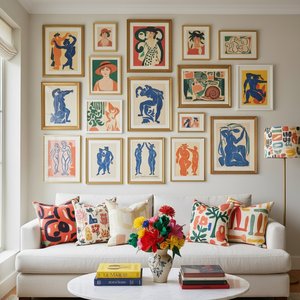
Henri Matisse: 25 Remek-djela koje morate vidjeti | OriginalUniqueArt.hr
Uronite u svijet Henri Matissea! Otkrijte 25 remek-djela Fauvizma i moderne umjetnosti. Priče iza slika, boje i tehnike slavnog umjetnika. Pronađite savršenu reprodukciju za vaš interijer na OriginalUniqueArt.com.

Baroque Classicism: The Grandeur of Order and Drama in 17th-Century Art History
Explore the profound elegance of Baroque Classicism. Discover how 17th-century masters synthesized dramatic emotion with classical order through the lens of the Counter-Reformation and the works of legends like Carlo Maratta and Andrea Sacchi.

Baroque Classicism: Reconciling Drama & Order in 17th-Century Art
Explore the captivating world of Baroque Classicism! Discover its history, key artists like Caravaggio & Rubens, and defining characteristics. Expert insights & high-quality reproductions at OriginalUniqueArt.
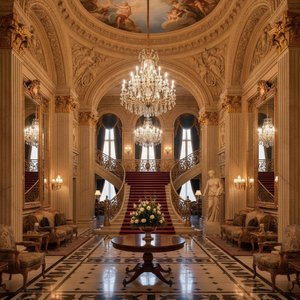
Baroque Classicism: A Professional Guide to Integrating Timeless Grandeur into Luxury Hotel Interiors
Elevate luxury hospitality with Baroque Classicism. Our guide for hotel designers explores integrating grand, classical oil reproductions into professional interiors. Discover efficient bulk procurement, custom sizing, and large-format murals to create timeless, high-impact spaces.

Barokna Drama: Uvođenje Velikolepja i Emocija u Savremene Interijere
Otkrijte dramatičnost i raskoš barokne umjetnosti! OriginalUniqueArt nudi vrhunske reprodukcije, personalizirane portrete i stručne savjete za integraciju ovog veličanstvenog stila u vaš dom. Kvaliteta zajamčena!

