
 Pregledaj u stvarnoj veličini
 Pošalji
 Podijeli
 Detalji o umjetničkom djelu

 Preuzmi
 Slični predmeti
 Rentgenska snimka
 Automatska prezentacija
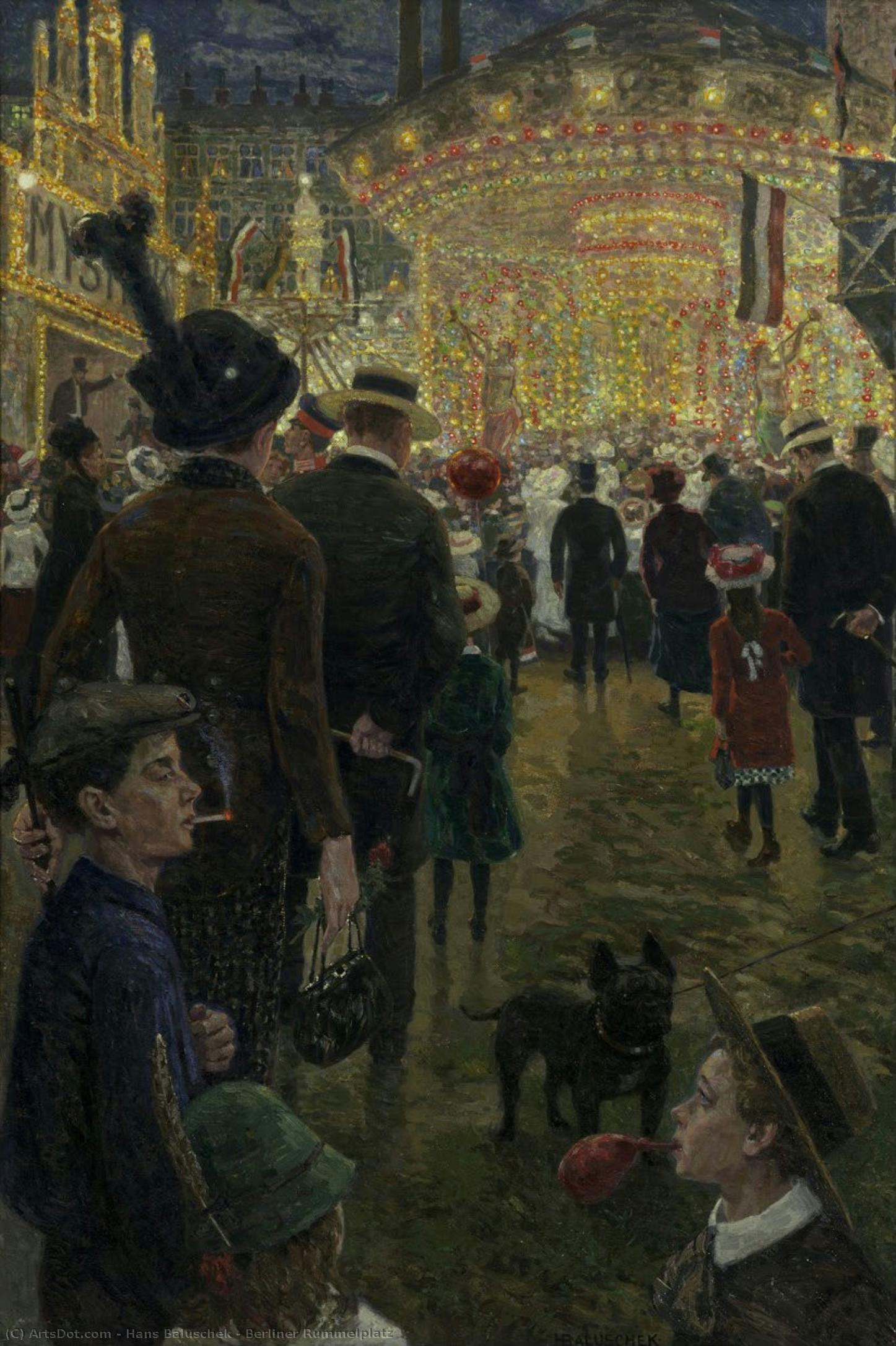
Berliner Rummelplatz
 1914
1914 150.0 x 100.0 cm
 Prikaži više
Ručno rađena uljana reprodukcija
Ručno oslikano uljanim bojama na platnu u dimenzijama i okviru po vašem izboru, izrađeno po narudžbi od strane naših umjetnika. ( Kupi print Kupi digitalnu sliku)




































Odaberite jednu od naših unaprijed definiranih veličina koje odgovaraju izvornim proporcijama umjetničkog djela.

Možete unijeti vlastite dimenzije kako bi odgovarale određenom okviru ili prostoru. Ako odabrana veličina ne odgovara proporcijama izvorne slike, izrezat ćemo umjetničko djelo ili proširiti sliku dodatnim ručno oslikanim elementima. Digitalni nacrt bit će vam poslan na odobrenje prije početka proizvodnje.
Imajte na umu da pregled na ekranu ne prikazuje stvarno izrezivanje ili proširivanje. Samo će nacrt točno prikazati konačni sastav.
Iako su dostupne prilagođene veličine, preporučujemo odabir dimenzije s preddefiniranog popisa kako bismo očuvali izvorne proporcije.
Nakon narudžbe, tim OriginalUniqueArt.com kontaktirat će klijenta putem e-pošte radi dobivanja uputa te dostaviti probni prikaz (mockup).
Isporuka širom svijeta () u roku od 3-4 tjedna umjesto standardnih 5 tjedana. (12 Kolovoz). Bez kompromisa u kvaliteti.

Besplatna ekspresna dostava širom svijeta

Visokokvalitetno laneno platno

Potpuno osiguranje dostave

Jamstvo povrata carine i uvoznih poreza

Garancija vjernog podudaranja boja

Politika povrata u roku od 60 dana (samo u slučaju nedostataka)

Jamstvo povrata 100% novca

Popust na više proizvoda
 Opcija stakla dostupna je samo za dimenzije manje od 110 cm

Berliner Rummelplatz
Tehnika reprodukcije
Veličina reprodukcije
-


Ukupna cijena
$ 300
Opis umjetničkog djela
Biografija umjetnika
Hans Baluschek: A Pioneer of German Critical Realism
Hans Baluschek (9 May 1870 – 28 September 1935) was a German painter, graphic artist and writer whose work stands as a cornerstone of German Critical Realism. He captured the essence of Berlin’s working class with unflinching honesty and empathy, establishing himself as one of the most prominent figures within the influential Berlin Secession movement. Baluschek's legacy extends beyond his artistic output; he was an active participant in socialist politics and championed the role of art in social reform.Early Life and Influences
Born in Breslau (Wrocław), Poland, to Franz Baluschek, a surveyor and railroad engineer, Hans Baluschek’s formative years were profoundly shaped by his father's profession—a fascination with railways that would permeate his artistic vision. The family moved repeatedly during his childhood, adapting to the rapid industrial expansion of Berlin amidst economic hardship. Witnessing the realities of working-class life firsthand, influenced by writers like Zola and artists such as Vasily Vereshchagin, instilled in Baluschek a commitment to portraying social issues with uncompromising realism. These experiences fueled his artistic exploration and cemented his belief in art’s capacity to illuminate societal injustices.Academic Training and Artistic Development
Baluschek pursued his education at the Askanische Gymnasium, Berlin, honing his skills in the humanities alongside preparing for a career in art. He enrolled at the Academy of Fine Arts in Berlin in 1890, where he studied under Wilhelm Trübschenne and Max Liebermann—a relationship that would prove crucial to his artistic development. Liebermann’s influence championed naturalism and psychological insight, shaping Baluschek's stylistic approach. His early paintings focused on landscapes and portraits, demonstrating a meticulous attention to detail and capturing the nuances of human emotion.The Berlin Secession and Critical Realism
In 1900 Baluschek joined the Berlin Secession—a group of artists who challenged the conservative artistic conventions of Imperial Germany. Alongside Käthe Kollwitz and Liebermann, the Secession advocated for a more socially conscious art form, rejecting academic formalism in favor of expressive realism. This commitment to Critical Realism guided Baluschek’s oeuvre throughout his career, resulting in powerful depictions of urban life, industrial landscapes, and portraits of ordinary people—often confronting social inequalities with unflinching honesty. Notable works included “Berliner Leben” (1901) and “Eisenbahn in industrieller, winterlicher Großstadt,” which powerfully conveyed the impact of industrialization on human experience.Notable Achievements and Legacy
Baluschek’s most enduring contribution to art history is arguably his illustration of Peterchens Mondfahrt (Little Peter's Journey to the Moon), published in 1906 by Gerhard Hauptmann—a beloved children’s book that cemented his reputation as a storyteller and solidified his place within German cultural heritage. His meticulous attention to detail, combined with an empathetic portrayal of characters and narratives, established him as a master of visual storytelling. Despite facing persecution during the Nazi era, Baluschek continued to champion artistic freedom and social justice until his death in 1935. He remains a significant figure in German art history—a testament to the power of observation, empathy, and unwavering commitment to portraying the human condition with uncompromising honesty.
Hans Baluschek
1870 - 1935
Osnovne informacije
- Artistic Movement Or Style: Critical Realism
- Artists Or Movements Influenced By This Artist: ['Berlin Secession']
- Artists Who Influenced This Artist:
- Vasily Vereshchagin
- Gerhart Hauptmann
- Date Of Birth: May 9, 1870
- Date Of Death: September 28, 1935
- Full Name: Hans Baluschek
- Nationality: German
- Notable Artworks:
- Peterchens Mondfahrt
- Berliner Leben
- Place Of Birth: Breslau (Wrocław), Poland

